
By late November, every sidewalk from Jasper Avenue to Whyte Avenue is coated in a gritty layer of calcium chloride, and your feet are paying for it. Winter foot care in Edmonton is not the same problem people deal with in Vancouver or Toronto. Our salt is heavier, our boots stay sealed for five months straight, and the dry air inside a -30°C house is just as hard on skin as the slush outside. This guide walks through exactly how to build a salt damage prevention routine that works for actual Edmonton winters, from your first snowfall in October through the messy freeze-thaw cycles of March. By the end, you will know how to clean salt off your skin and boots, which socks and boots actually hold up, how to treat cracked heels before they crack open for real, and where in the city to go when home care is not enough.
Last reviewed:
Why Edmonton Winters Are Brutal on Your Feet
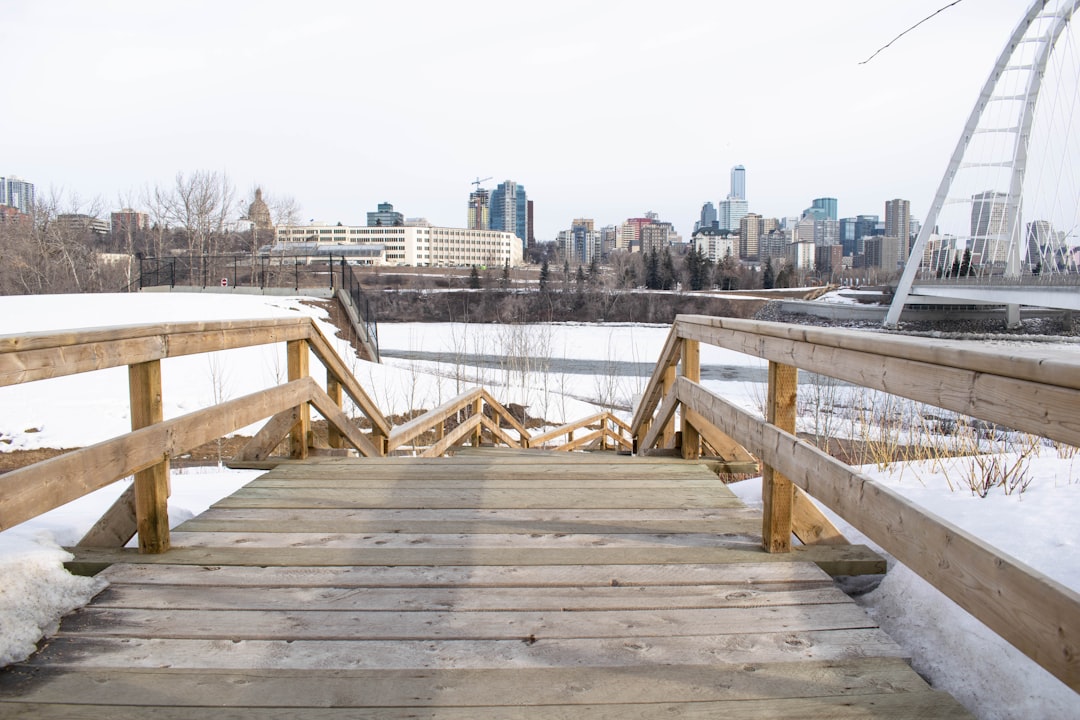
Edmonton gets roughly five months of below-freezing temperatures most years, and the City relies heavily on road salt and sand to keep sidewalks and streets passable. That combination of chemical de-icers, dry cold air, and hours spent sealed inside insulated boots creates a perfect setup for skin damage most people do not think about until their heels are already cracked.
Road Salt, Slush, and the Chemistry of Skin Damage
The City of Edmonton uses a mix of salt and treated sand on roads and sidewalks throughout the winter season, and the City’s snow and ice control program confirms that chloride-based de-icers are the primary tool on high-traffic routes. That salt does not stay on the pavement. It splashes into your boots as slush, sits against your socks, and dries out. Salt is hygroscopic, meaning it actively pulls moisture out of anything it touches, including your skin. Combine that with the friction of walking and the result is dry, cracked skin, especially around the heels and the sides of the big toe.
Seasonal Wellness Edmontons Climate covers this in more detail.
Slush is worse than dry snow for this reason. Dry snow melts slowly. Slush is already halfway to liquid, which means it seeps through boot seams and sock fibers much faster, carrying dissolved salt directly against your skin for hours at a time.
Edmonton Spring Allergies Wellness Guide For Seasonal Relief covers this in more detail.
Boots, Sweat, and the Microclimate Inside Your Winter Boot
A sealed winter boot creates its own tiny climate. Your foot sweats even in the cold, insulation traps that moisture, and if any slush got in through the top or a worn seam, you end up with a warm, damp, salty environment against your skin for eight or more hours a day. That is exactly the kind of environment that softens skin, breaks down its natural barrier, and sets the stage for cracking once you take your boots off and the skin dries out fast in Edmonton’s low indoor humidity.
How To Create A Winter Wellness Checklist For Edmonton covers this in more detail.
Alberta Health Services notes that cold, dry winter air combined with indoor heating can drop relative humidity well below comfortable skin levels, which is part of why so many Edmontonians deal with dry skin complaints from November through March, not just on their hands and face but on their feet too.
How To Prevent Seasonal Wellness Routine Breakdowns In Edmonton covers this in more detail.
Who’s Most at Risk
Anyone who walks outside regularly in winter deals with some salt exposure, but a few groups need to pay closer attention:
Best Sauna Practices For Winter Wellness Edmonton covers this in more detail.
- People with diabetes, since reduced circulation and nerve sensitivity can mean small cracks or sores go unnoticed until they get serious
- Runners and dog walkers who log daily kilometers on salted sidewalks in Oliver, Windermere, or along River Valley access points
- Retail and hospitality workers who are on their feet for full shifts in boots that never fully dry between commutes
- Older adults, whose skin naturally produces less oil and takes longer to repair once it cracks
Mayo Clinic’s guidance on diabetic foot care recommends daily foot checks for anyone with diabetes, and that advice matters even more here given how much of the winter is spent in sealed boots where you cannot see what is happening to your feet until you take them off at night.
Step 1: Build a Daily Winter Foot Care Routine
Most Edmontonians treat foot care as an afterthought until something hurts. A five-minute daily routine, done consistently from October through April, prevents almost all of the salt-related skin damage this guide is about.
Morning Prep Before You Head Out
Before you put on socks and boots, apply a thin layer of a barrier-style foot cream or petroleum-based ointment to your heels, ankles, and any spot prone to blisters. This creates a physical layer between your skin and any salt-laden moisture that gets through your boots later. Keep socks completely dry. A single damp pair from yesterday’s commute, thrown back on this morning, is one of the most common causes of ongoing irritation people bring up when they finally see a foot care specialist.
The End-of-Day Salt Removal Ritual
This is the step almost everyone skips, and it is the one that matters most. When you get home:
- Take boots off immediately and wipe down the inside liner with a damp cloth if there is visible salt residue
- Wash feet with lukewarm (not hot) water and a mild, fragrance-free soap
- Dry thoroughly between the toes, where moisture lingers longest
- Check heels, toes, and the sides of your feet for redness, cracking, or blisters
Hot water feels good after a cold commute, but it strips natural oils faster than lukewarm water and leaves skin drier by morning. Keep showers under 10 minutes during winter months for this reason.
Moisturizing Without Making Things Worse
Apply a thick, occlusive moisturizer (look for urea, shea butter, or ceramides on the label) to clean, dry feet every night, focusing on heels and any area already showing cracking. Skip lightweight lotions in winter. They absorb fast but do not hold moisture in overnight the way a heavier cream or balm does. If cracking is already visible, cover the area with a thin layer of petroleum jelly and a clean sock overnight two or three times a week. This is one of the cheapest, most effective fixes available, and most Edmonton drugstores carry the products for under $15.
Step 2: Choose Boots and Socks That Actually Protect Your Feet
Gear matters as much as routine. The wrong boots undo even the most diligent nightly care, because they let salt and moisture in every single day.
Winter Boot Features That Matter
Look for boots with a sealed, waterproof lower shell (not just water-resistant fabric), a rubber sole rated for at least -30°C, and a removable liner you can pull out to dry overnight. Salt stains form fastest on suede and unsealed leather, so if you want boots that also look decent walking into a meeting downtown, choose treated leather or synthetic uppers over raw suede. Expect to pay $150 to $280 for a genuinely winter-rated pair from local outdoor retailers, versus $60 fashion boots that will show salt rings by December and leak by January.
Sock Layering for -30°C Days
Skip cotton entirely. Cotton holds moisture against skin and takes forever to dry, which is the opposite of what you want in a sealed boot. A merino wool or wool-blend sock, sometimes with a thin liner sock underneath on the coldest days, wicks moisture away from skin and keeps feet warmer even when slightly damp. Wool socks run $18 to $30 a pair, but a good pair lasts several winters and dramatically cuts down on the sweat-and-salt combination that causes skin breakdown.
Waterproofing and Re-treating Your Boots
Even waterproof boots lose their coating over a season of daily wear. Reapply a waterproofing spray or wax every four to six weeks through the winter, focusing on seams and the sole-to-upper junction where leaks usually start. A can of waterproofing spray costs $12 to $18 and takes five minutes to apply. Do this after cleaning off any salt residue, not before, since salt buildup can interfere with how the treatment absorbs into the material.
Step 3: Treat Salt Stains and Skin Damage When They Happen
Even with a solid routine, salt damage happens. Slush gets in, a long day means boots stay on too long, or a busy week means the nightly routine slips. Here is how to catch it early and treat it properly.
Removing Salt Stains from Boots and Skin
For boots, mix equal parts white vinegar and water, dab it onto salt stains with a soft cloth, and let the boot air dry away from direct heat (never on a radiator or heat vent, which can crack leather). For skin, a white salt residue on ankles or feet after a slushy commute should be rinsed off with lukewarm water as soon as possible rather than left to dry, since dried salt continues drawing moisture out of skin for hours.
Cracked Heels and Salt-Induced Dryness Fixes
Mild cracking responds well to daily moisturizing with a urea-based cream (10 to 25 percent urea is typical in over-the-counter products) plus gentle exfoliation with a foot file once or twice a week, never more, since over-exfoliating strips the skin barrier further. Soak feet in lukewarm water for 10 minutes first to soften skin before filing. If cracks are deep enough to bleed or hurt when you walk, stop DIY exfoliation and move to the medical care step below. Deep heel fissures can become entry points for infection, which is a bigger deal than dry skin alone.
When to See a Podiatrist or Foot Care Clinic in Edmonton
See a professional if you notice cracks that bleed, persistent redness that does not improve after a week of home care, any sign of infection (warmth, swelling, discharge), or if you have diabetes and notice any change in your feet at all. Edmonton has several foot care clinics offering both medical assessments and therapeutic pedicures, generally running $60 to $120 for an initial visit depending on the clinic and whether it is covered under extended health benefits. Do not wait until spring to deal with a problem that started in December. Chronic cracking that goes untreated all winter takes much longer to heal once warm weather finally arrives.
Step 4: Protect Your Feet During Specific Edmonton Winter Activities
Foot care is not one-size-fits-all. How you protect your feet changes depending on how you actually use them each day.
Dog Walking and River Valley Trail Walks in Winter
River Valley trails are less salted than city sidewalks, but the packed snow and ice mean longer exposure to cold and moisture, especially if boots are not fully waterproof. Bring a spare pair of dry socks if you are out for more than an hour, and check feet for numbness, not just dampness, since prolonged cold exposure on top of wet skin increases frostbite risk on toes specifically. If you are combining a River Valley walk with other seasonal routines, it is worth looking at the broader picture of seasonal wellness and Edmonton’s climate so foot care fits into a plan rather than being an isolated task.
Commuting Downtown or on Whyte Avenue in Slush
Downtown and Old Strathcona sidewalks see heavy foot traffic and heavy salting, which means more slush churn than quieter residential streets. If your job requires dress shoes, keep waterproof boots for the commute and switch at your desk, then wipe boots down before storing them under a desk or in a locker so they are not sitting in a puddle of melted salt water all day.
Winter Runners and Skaters
Runners training through winter on cleared paths need moisture-wicking socks changed immediately post-run, since sweat plus cold plus any residual salt spray from nearby roads compounds skin stress fast. Skaters at outdoor rinks like those in Hawrelak Park deal with a different issue: tight-laced skates restrict circulation, which combined with cold can mask the early signs of skin irritation. Loosen laces slightly and check feet after skating sessions longer than an hour.
Step 5: Build Salt Damage Prevention Into a Weekly and Seasonal Routine
Daily habits matter, but a weekly and monthly rhythm catches problems before they become painful.
Weekly Boot and Foot Maintenance Checklist
| Task | Frequency | Why It Matters |
|---|---|---|
| Wipe salt residue from boot exterior and liner | Weekly, or after any heavy slush day | Prevents salt from breaking down leather and irritating skin on re-wear |
| Rotate to a second pair of boots | Every 2-3 days if possible | Gives boots full time to dry out inside, reducing bacterial and fungal growth |
| Deep moisturize with overnight sock treatment | 2-3 times weekly | Repairs cumulative dryness before cracks form |
| Foot file or gentle exfoliation | 1-2 times weekly, max | Removes built-up dead skin without damaging the barrier |
| Full skin check (heels, toes, between toes) | Weekly | Catches early redness or cracking before it worsens |
Monthly Deep Care
Once a month, book or do a proper foot soak and treatment session at home: 15 minutes in warm (not hot) water with Epsom salt, followed by exfoliation and a heavy overnight moisturizer application. If you are already working on other cold-season habits, this pairs naturally with a broader plan like the one in our winter wellness checklist for Edmonton, since foot care tends to get dropped first when people fall off a routine partway through the season.
Transitioning Foot Care Into Spring
Late March and early April bring Edmonton’s messiest freeze-thaw cycle, with more standing slush and salt exposure than mid-winter in some years. Do not ease off the routine just because the calendar says spring. If you want to understand why so many people’s routines fall apart exactly at this seasonal shift, our guide on preventing seasonal wellness routine breakdowns in Edmonton covers the pattern in more detail, and it applies directly to foot care habits people quietly drop once it feels like winter is over.
Where to Get Professional Foot Care Help in Edmonton
Home care handles most winter foot issues, but Edmonton has solid professional options for anything beyond basic dryness.
Pedicure and Spa Options for Winter Foot Recovery
Medical or spa pedicures aimed at winter skin repair typically run $55 to $95 in Edmonton, higher than a standard cosmetic pedicure because they include callus and crack treatment rather than just polish. Studios in Oliver and along 124 Street tend to offer these as seasonal packages starting in October, and most have street parking or nearby lots, though 124 Street gets tight on weekend evenings. If your winter routine already includes heat therapy, pairing a pedicure with sauna sessions can help circulation, and our piece on best sauna practices for winter wellness in Edmonton covers how to do that safely without overdoing heat exposure on already-stressed skin.
Medical Foot Care Clinics and Podiatrists
For anything involving pain, bleeding cracks, or diabetes-related concerns, a podiatrist or foot care nurse is the right call, not a spa. Several clinics operate out of medical buildings near the University of Alberta and in Sherwood Park, with initial assessments generally in the $70 to $130 range. Bring a list of symptoms and how long they have been present. Most clinics can see new patients within one to two weeks in winter, though December and January tend to book up faster as salt-related complaints spike citywide.
Foot Care Products Worth Buying Locally
Pharmacies across Edmonton, from downtown locations to those near West Edmonton Mall, carry urea-based creams, wool sock brands, and waterproofing sprays suited to prairie winters. There is no need to order specialty products online. A basic winter foot care kit (cream, foot file, waterproofing spray, two pairs of wool socks) runs about $60 to $90 total and covers an entire season if used consistently.
Related Articles
- How to Stay Active During Edmonton’s Winter Smoke Season: Indoor Fitness Options That Work
- Best Indoor Wellness Activities When Edmonton Air Quality Drops: Your Complete Guide
- Why Does Edmonton Summer Daylight Affect Sleep Schedules: Understanding Our 17-Hour Days
Sources & References
Find Trusted Wellness Spots in Edmonton
Browse our independent guide to Edmonton’s spas, fitness studios, and wellness services. Local. Honest. Free.
Frequently Asked Questions
How often should I moisturize my feet in an Edmonton winter?
Once daily at minimum, applied to clean, dry skin right before bed. If cracking has already started, add a second lighter application in the morning before boots go on, and consider an overnight sock treatment with petroleum jelly two to three times a week.
Can road salt actually damage my skin, or is it just an irritant?
Road salt draws moisture out of skin on contact, and repeated daily exposure over months breaks down the skin barrier enough to cause real cracking, not just temporary dryness. The City of Edmonton’s continued use of chloride-based de-icers on roads and sidewalks means this exposure is unavoidable for anyone walking outside, which is exactly why a daily rinse-and-moisturize routine matters more here than in milder climates.
What is the fastest way to treat cracked heels caused by winter and salt exposure?
Soak feet in lukewarm water for 10 minutes, gently file dead skin with a foot file, then apply a urea-based cream followed by petroleum jelly and clean socks overnight. Repeat nightly for a week. If cracks bleed or do not improve within a week, book an appointment with a foot care clinic rather than continuing to self-treat.
Are wool socks really worth the extra cost compared to regular socks?
Yes, for anyone walking outside regularly in winter. Wool wicks moisture away from skin instead of holding it against your feet the way cotton does, which directly reduces the damp, salty environment that causes cracking. A $20 to $30 pair of merino wool socks typically lasts several winters, which works out cheaper per wear than replacing cotton socks that wear out or stay perpetually damp.
Should people with diabetes handle winter foot care differently in Edmonton?
Yes. Reduced circulation and nerve sensitivity mean small cracks or blisters can go unnoticed until they become serious, so Mayo Clinic recommends daily visual foot checks for anyone with diabetes, which matters even more during a season when feet are hidden inside sealed boots for hours at a time. Anyone with diabetes noticing redness, swelling, or slow-healing cracks should see a podiatrist promptly rather than waiting to see if it improves on its own.