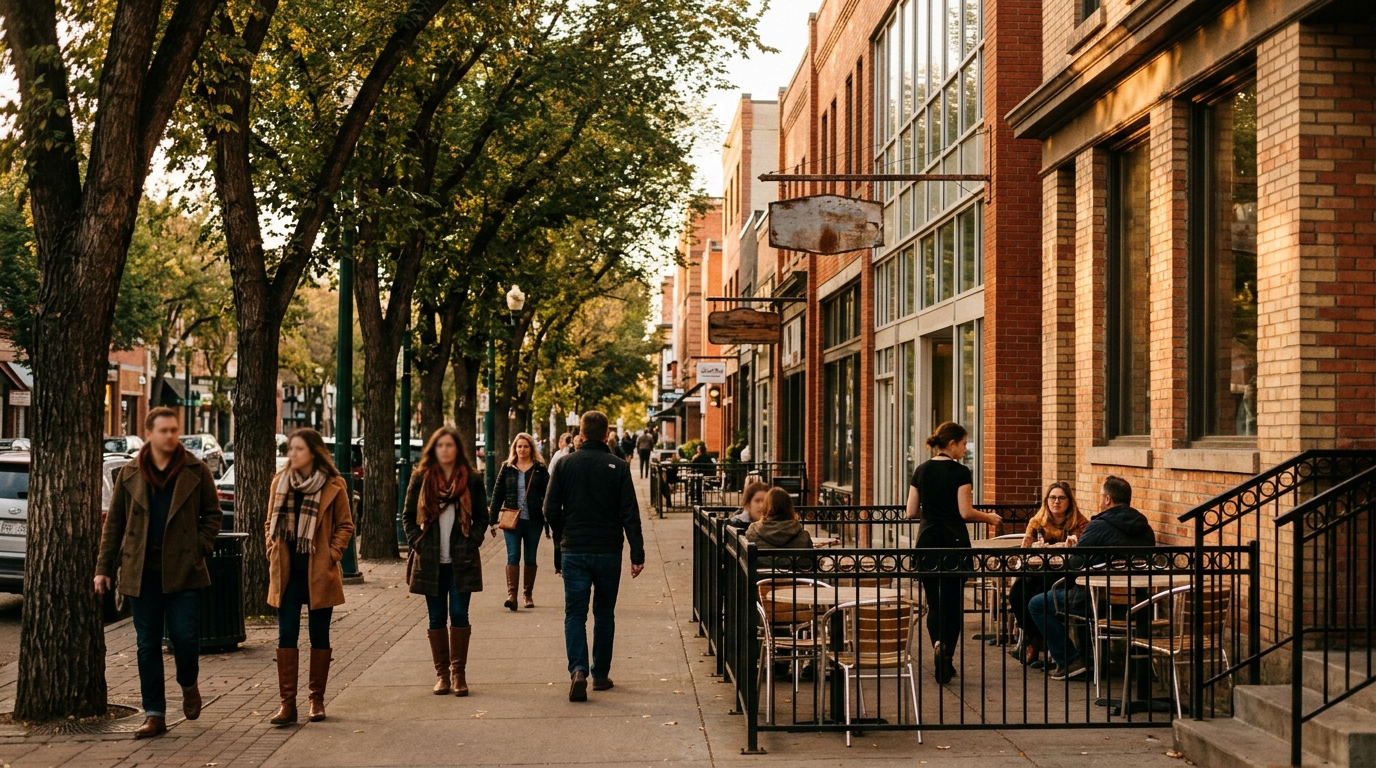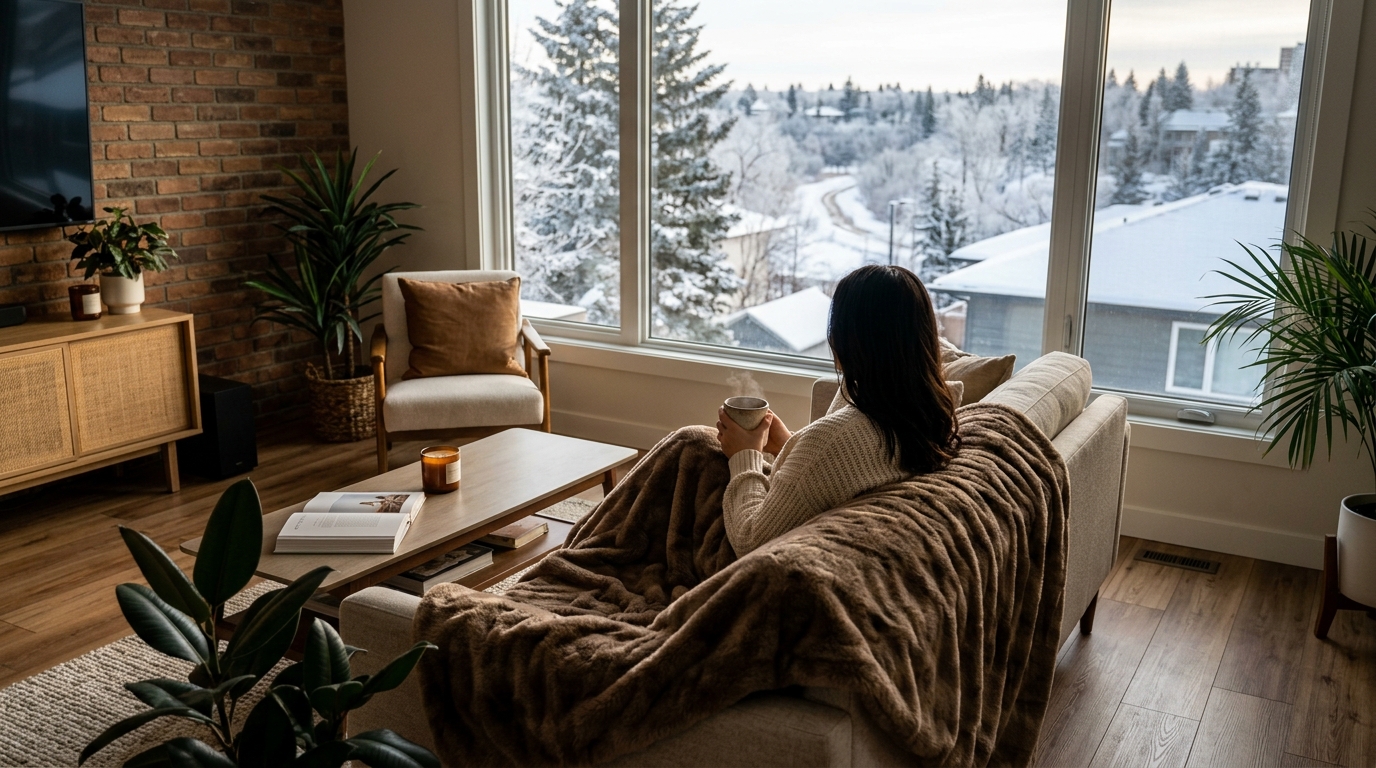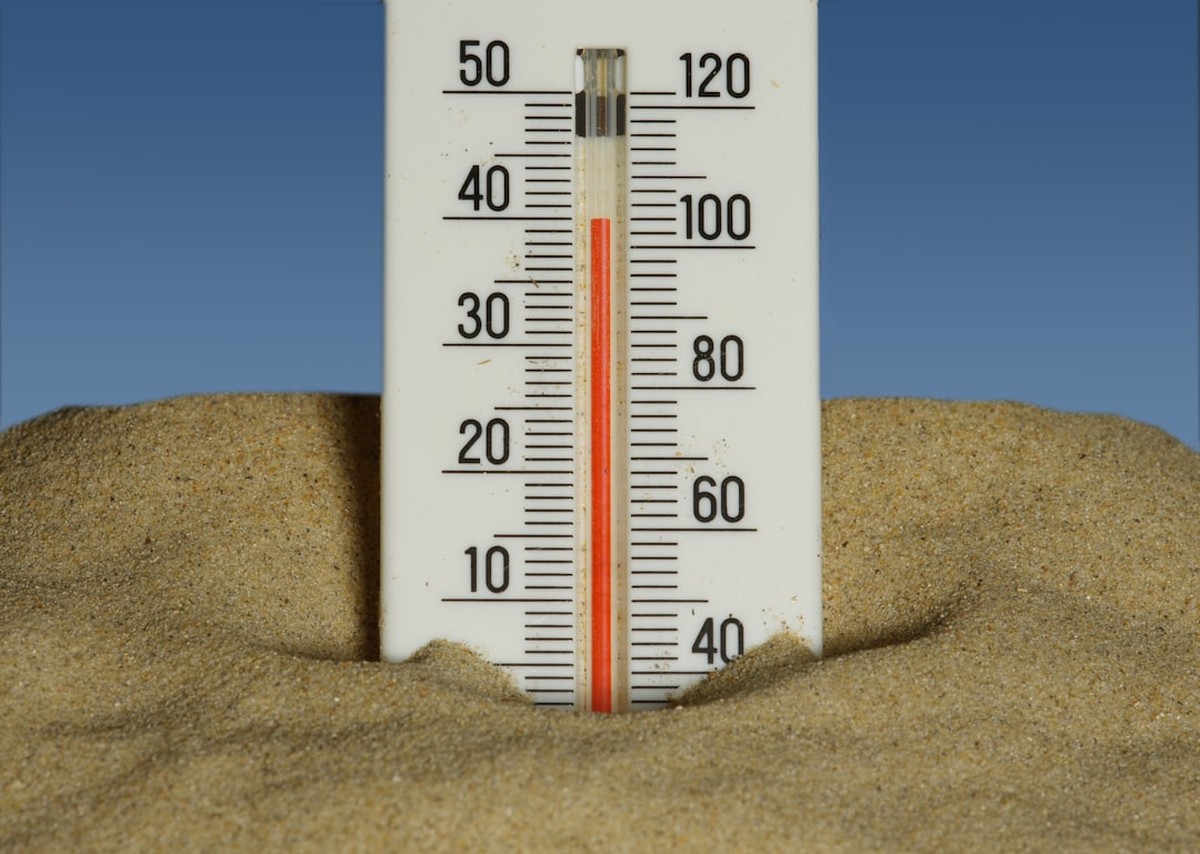
Step out of a 38°C sauna at Kinsmen Sports Centre in January and the river valley air can hit -25°C before you’ve even zipped your coat. That’s a 63-degree swing in under two minutes, and your cardiovascular system feels every bit of it. Knowing how to handle thermal shock between seasons isn’t just a comfort issue for Edmontonians. It’s a practical safety habit, especially once spa season ramps up in fall and contrast therapy (hot sauna, cold plunge, repeat) keeps growing in popularity across the city. This guide walks through exactly what to do, in order, whether you’re leaving a hot yoga class on Whyte Avenue, a float spa in Oliver, or a Sherwood Park rec centre steam room.
Last reviewed:
This is for anyone who uses saunas, hot tubs, hot yoga, steam rooms, or cold plunges in Edmonton and wants to stop feeling wrecked (or worse, dizzy and short of breath) every time they walk from a heated room into a prairie winter. Budget 15 to 30 minutes per transition on top of your regular session, and expect to build the habit over two or three visits before it feels automatic.
- Tools needed: a lightweight robe or moisture-wicking base layer, a toque and scarf, wool socks, waterproof sandals, and a phone with a weather app
- Time: 15 to 30 minutes per transition, on top of your usual sauna, hot yoga, or spa session
- Difficulty: Beginner
Step 1: Understand What Thermal Shock Actually Does to Your Body
Thermal shock is what happens when your blood vessels can’t keep up with a sudden temperature change. Heat makes your blood vessels dilate so more blood flows near the skin and you can release heat. Cold does the opposite: it triggers vasoconstriction, narrowing vessels to conserve core heat. Force your body through both extremes in under a minute, and blood pressure can spike or drop fast enough to cause lightheadedness, a racing heart, or in rare cases, a genuine cardiovascular event. Mayo Clinic’s research summary on sauna use notes that heat exposure raises heart rate similarly to moderate exercise, which is exactly why pairing it with a sudden cold shock multiplies the strain.
Seasonal Wellness Edmontons Climate covers this in more detail.
This matters more in Edmonton than almost anywhere else in Canada, because our seasonal swings aren’t gradual. A October afternoon can sit at 12°C and drop to -5°C by the time you leave an evening class. By January, the gap between a hot yoga studio and the sidewalk outside can top 60 degrees.
Edmonton Spring Allergies Wellness Guide For Seasonal Relief covers this in more detail.
- People with high blood pressure, heart arrhythmia, or a history of stroke should talk to a doctor before regular sauna-to-cold routines
- Pregnant Edmontonians should skip extreme heat exposure altogether, not just manage the transition
- Anyone on blood pressure medication should expect a stronger dizziness response and plan longer transition times
Watch out: feeling briefly invigorated after a cold shock isn’t the same as your body being ready for it. Adrenaline masks the strain in the first 60 seconds.
How To Prevent Seasonal Wellness Routine Breakdowns In Edmonton covers this in more detail.
Step 2: Check the Real Temperature Differential Before You Go
Before you head to a sauna, hot tub, or hot yoga class, check two numbers: the room temperature you’re walking into (or out of) and the actual outdoor air temperature, including wind chill. Edmonton’s wind chill can make -18°C feel like -30°C within minutes, and that windchill number is what your skin and lungs actually respond to, not the plain air temperature. Environment and Climate Change Canada’s wind chill guide lays out how quickly exposed skin risk increases as wind chill drops past -28°C.
How To Deal With Seasonal Depression covers this in more detail.
- Check the wind chill, not just the air temperature, before leaving a heated facility
- Ask the front desk what the sauna or steam room is set to (most Edmonton rec centres run saunas between 70°C and 90°C, dry, and steam rooms closer to 40°C, humid)
- Note the time of day. Early morning and post-sunset are Edmonton’s coldest windows most of the year
If you’re new to a facility, this is also a good moment to browse Edmonton Wellness Guide’s local directory for a sense of what a given spa or studio actually offers before you book, since sauna and steam room setups vary a lot between locations.
Health And Wellness Edmonton covers this in more detail.
Step 3: Pack a Transition Layer Bag
Bring a small bag dedicated to the walk between hot and cold. This sounds basic, but it’s the single biggest reason people skip proper transitions: fumbling for mitts in a locker room while your body is already losing heat fast. Driving from a Whyte Avenue hot yoga studio to your car in January means walking through a 40 to 50 degree swing in the time it takes to cross a parking lot.
- A fleece or wool mid-layer to put on immediately after toweling off
- Toque, scarf or neck gaiter, and mitts, kept in your bag year-round from October through April
- Wool socks and waterproof boots, since wet hair and feet lose heat fastest
- A thermos of room-temperature water, not ice-cold, to avoid shocking your system internally too
Watch out: cotton holds moisture against skin and makes the cold transition worse. Stick to wool or synthetic wicking fabric for anything you’re putting on right after heat exposure.
Step 4: Warm Up Gradually Instead of Jumping Straight to the Heat
The same shock principle applies in reverse. If you’ve just come in from -20°C, don’t head straight for the hottest bench in the sauna or the back row of a 38°C hot yoga room. Give your body 5 to 10 minutes to acclimate at a moderate temperature first.
- Sit on the lower, cooler bench of the sauna for the first 5 to 8 minutes before moving up
- In hot yoga, stand or sit near the door for the first few poses if you walked in straight from the cold
- Sip room-temperature water during this window rather than piling on layers of heat and dehydration at once
This step matters most from November through March, when the swing walking into a facility is just as extreme as the swing walking out. Skipping it is a common reason people feel nauseated or headachy 10 minutes into a winter sauna session.
Step 5: Cool Down in Stages Before You Step Outside
This is the step most people skip, and it’s the one that causes the most trouble. Walking straight from a 38°C sauna or steam room into a -25°C parking lot is the single riskiest transition in this whole guide. Use a cool-down room or a lukewarm (not cold) shower first.
- Rinse off with lukewarm water, gradually easing it cooler over 2 to 3 minutes rather than switching straight to cold
- Sit in the cooler part of a locker room or lounge for 5 minutes before dressing
- Facilities like Kinsmen Sports Centre and Terwillegar Community Recreation Centre have cool-down showers between the steam room and change area. Use them even if you’re in a hurry
- Dry your hair. Wet hair in -20°C air loses heat fast and increases your perceived cold by several degrees
Watch out: if you feel your heart pounding, lightheaded, or short of breath during cooldown, sit down and slow your breathing before continuing. Don’t push through it to get to your car faster.
Step 6: Protect Your Airways and Skin During the Cold Transition
Cold, dry air constricts airways and can trigger coughing or tightness in the chest, especially right after heat exposure has already stressed your cardiovascular system. Pull a scarf or gaiter over your nose and mouth for the first few minutes outside, and breathe through your nose rather than your mouth. Nasal breathing warms and humidifies air before it reaches your lungs, which matters even more in Edmonton’s winter humidity, which regularly drops below 30 percent indoors and out.
- Cover your mouth and nose with a scarf for the first 5 minutes outside after a hot session
- Moisturize skin within 3 minutes of towel-drying to lock in hydration before dry winter air pulls it back out
- Apply lip balm and a heavier face moisturizer than you’d use in summer. Windburn happens faster after a hot sauna dilates surface blood vessels
People with asthma or other respiratory sensitivities should be extra cautious here. If cold air routinely triggers coughing or wheezing, that’s worth a conversation with a doctor rather than something to push through session after session.
Step 7: Space Out Contrast Sessions and Give Your Body Recovery Time
Contrast therapy, alternating hot sauna with cold plunge, has picked up steam in Edmonton over the past couple of years, with more studios offering dedicated cold plunge tubs alongside traditional saunas. Done right, it’s manageable. Done too aggressively, it’s just repeated thermal shock with extra steps.
- Limit contrast sessions to 2 to 3 rounds of hot-to-cold per visit, not 6 or 8
- Keep cold plunge exposure to 1 to 3 minutes, especially as a beginner
- Rest at a neutral temperature for a few minutes between rounds rather than going straight back to heat
- Space full contrast sessions at least 48 hours apart if you’re doing them regularly, to let your cardiovascular system recover
Expect to pay roughly $35 to $45 per dedicated contrast therapy session at Edmonton studios offering both sauna and cold plunge, or look for spas bundling it into a broader day pass in the $65 to $110 range.
Step 8: Time Your Sessions Around Edmonton’s Daily Temperature Curve
Edmonton’s coldest stretch of any given day usually falls between 6 and 8 a.m. and again after sunset, particularly November through February when daylight is short. If you have flexibility, book sauna, hot yoga, or spa sessions for early afternoon in winter, when outdoor temperatures are at their daily peak and the swing you’re managing is smaller.
- Aim for early afternoon sauna or spa visits between December and February when possible
- Budget extra time for icy parking lots and slower walking, especially at surface lots along 124 Street and Jasper Avenue
- Facilities with underground or attached parking, like some downtown spas, cut down on the outdoor exposure window significantly
- If you’re relying on transit, factor in wait time at the stop. Standing at -25°C right after a hot session is its own thermal shock event
Winter timing isn’t just about comfort. Shorter daylight hours also affect mood and energy, and pairing your sauna routine with daylight exposure can help on both fronts. For more on that overlap, see this guide on how to deal with seasonal depression in Edmonton’s long winters.
Common Mistakes to Avoid

- Walking straight from a sauna or hot tub into outdoor air without a cool-down shower first
- Wearing cotton layers as your transition clothing instead of wool or wicking fabric
- Skipping the check on wind chill and only looking at the plain air temperature
- Doing more than 3 rounds of hot-cold contrast therapy as a beginner
- Ignoring dizziness or a pounding heart because you’re in a hurry to leave
- Forgetting a transition layer bag and improvising with whatever’s in the car
Alberta Health Services’ guidance on cold weather exposure notes that frostbite and cold stress can set in faster than expected once skin is already flushed and damp from heat exposure, which is exactly the state you’re in walking out of a sauna or hot yoga class.
What’s Next
Once the hot-to-cold transition feels manageable, the bigger project is building a routine that survives Edmonton’s whole seasonal cycle, not just one sauna visit. Start with this overview of seasonal wellness and Edmonton’s climate for the bigger picture, then check how to prevent seasonal wellness routine breakdowns in Edmonton for what usually derails people between October and April. If you’re already thinking ahead to spring, Edmonton’s spring allergies wellness guide covers the next seasonal transition your body will have to handle. And for a broader look at what’s available across the city, Edmonton Wellness Guide’s health and wellness overview is a good place to browse.
Related Articles
- How to Stay Active During Edmonton’s Winter Smoke Season: Indoor Fitness Options That Work
- Best Indoor Wellness Activities When Edmonton Air Quality Drops: Your Complete Guide
- Why Does Edmonton Summer Daylight Affect Sleep Schedules: Understanding Our 17-Hour Days
Sources & References
Find Trusted Wellness Spots in Edmonton
Browse our independent guide to Edmonton’s spas, fitness studios, and wellness services. Local. Honest. Free.
Frequently Asked Questions
How long should I wait between a hot sauna and going out into -30°C air?
Give yourself at least 10 to 15 minutes of gradual cooldown, including a lukewarm shower and 5 minutes sitting at room temperature before you dress. Rushing straight from a 38°C sauna to a parking lot at -30°C is the riskiest transition covered in this guide, so treat that cooldown window as non-negotiable in deep winter.
Is thermal shock dangerous, or just uncomfortable?
For most healthy adults it’s uncomfortable rather than dangerous, but it does place real strain on the cardiovascular system through rapid blood pressure changes. Anyone with high blood pressure, heart arrhythmia, or a history of stroke should ease into hot-cold transitions slowly and check with a doctor before regular sauna or contrast therapy sessions.
What’s the best way to handle thermal shock after hot yoga in winter?
Cool down gradually in the studio lobby or a quiet corner before stepping outside, change into dry wool layers, and cover your nose and mouth with a scarf for the first few minutes outdoors. Studios along Whyte Avenue and in Old Strathcona often have small lounges specifically for this kind of post-class cooldown, so use them instead of bolting straight for your car.
How much does contrast therapy cost in Edmonton?
Dedicated contrast therapy sessions (sauna plus cold plunge) typically run $35 to $45 per visit at studios offering both. Broader spa day passes that include sauna, steam room, or hot tub access usually land between $65 and $110, while a City of Edmonton recreation centre day pass with sauna access is closer to $14 to $17.
Does thermal shock get worse in smoke season or does that only matter in winter?
Thermal shock itself is mainly a hot-to-cold or cold-to-hot issue, but smoke season adds a separate complication: poor outdoor air quality on top of a temperature swing. On smoky summer days, keep your post-sauna or post-hot-yoga cooldown entirely indoors rather than stepping outside to cool off, since your airways are already dealing with two stressors at once.