Wildfire smoke can hit our lungs in minutes and quietly chip away at our heart and respiratory health over time. One hazy jog along our river valley trails or a haze-filled Fringe Festival afternoon at Churchill Square can leave us wheezing and tight-chested—signs that this isn’t just a passing annoyance. It can even deepen the seasonal darkness slump when vitamin D runs low in our long winters.
Immediate And Long-Term Smoke Effects
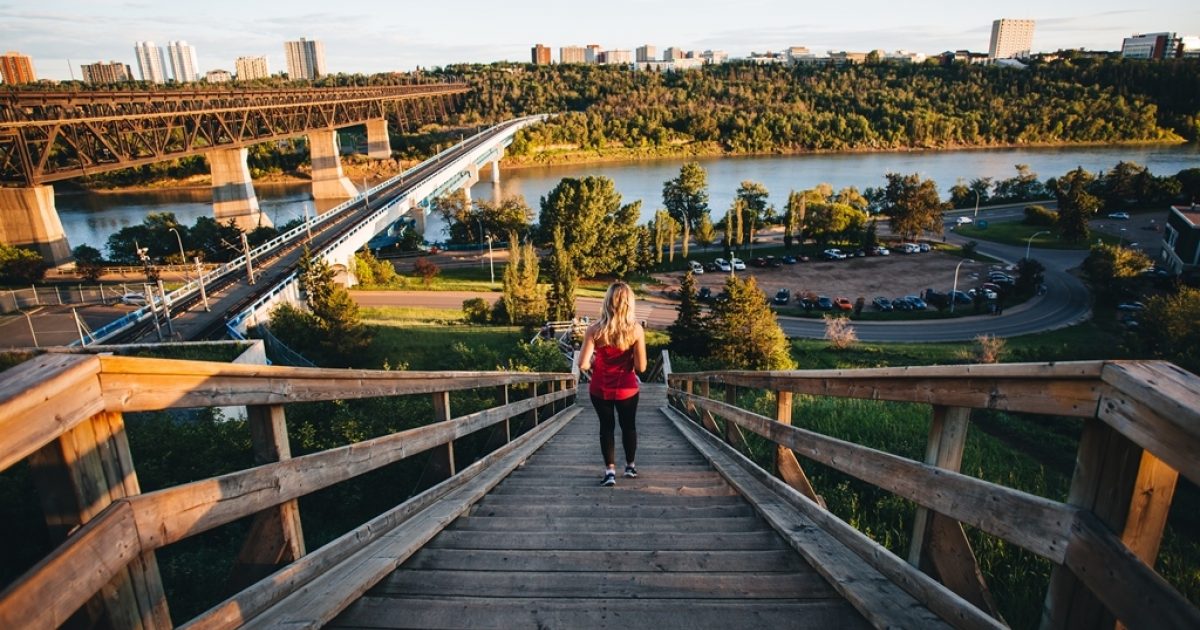
In Edmonton, we might be on a dawn run beside the North Saskatchewan River when the wind shifts. Suddenly, our throats scratch and our chests constrict as tiny particles swirl around us.
These PM2.5 particles don’t just vanish. Each exposure lets them nestle deep in our lungs and slip into our bloodstream. Over months and years, that buildup raises our odds of COPD, heart disease and chronic inflammation.
Key Takeaways
- Acute warning signs—coughing, eye irritation or chest tightness—mean it’s time to pause outdoor plans.
- Repeated haze seasons can lead to COPD, cardiovascular strain or systemic inflammation.
- Children in Strathcona, older adults near Southgate and open-air festival attendees are particularly at risk.
- Tracking the AQI lets us tailor activities on smoky days.
- In neighbourhoods like Windermere and Grovenor, slipping on an N95 mask during peak haze pays off.
Here’s how immediate symptoms stack up against the lasting toll of smoke exposure in our city.
Acute Vs Chronic Health Impacts
| Health Impact | Acute Effects | Chronic Outcomes |
|---|---|---|
| Respiratory | Coughing in Strathcona haze, sore throat | COPD diagnosis over years |
| Cardiovascular | Chest tightness on Windermere jog | Elevated heart disease risk |
| General | Headache and fatigue at Fringe | Persistent inflammation |
Watch For These Signals
Chest tightness, persistent cough or headaches can mean the AQI is in unsafe territory.

Check out our guide on seasonal health tips to prepare for spring mud season or a fall reset in Edmonton.
For more on this, see our health wellness edmonton guide. For more on this, see our health wellness edmonton guide.
Next Steps
When the haze rolls in, make hourly AQI checks a ritual—Alberta Environment sensors and University of Alberta monitors both post live data.
If readings climb above 150, we move activities indoors. Swap that river valley run for a home workout or an indoor gym session.
Pair real-time air quality tracking with home upgrades—think HEPA air cleaners and sealed windows—and we’ll stay a step ahead of smoke season all year long.
Acute Effects Of Wildfire Smoke
When wildfire smoke blankets our river valley trails, the air turns thick almost instantly. A quiet morning jog along the North Saskatchewan River can rapidly become an ordeal of coughing fits and scratchy throats.

Physiological Response Pathway
Wildfire smoke carries PM2.5, microscopic particles that slip past our nose’s natural filters and settle deep within our lungs. Once there, they ignite an inflammatory cascade:
- We inhale PM2.5 with every breath.
- Particles embed in lung tissue and irritate sensitive cells.
- Inflammation triggers chemical release, narrowing air passages.
- Constricted bronchioles make each breath feel tighter.
This chain reaction explains why festivalgoers at Folk Fest often notice chest tightness on smoky evenings. It gets even tougher during our summer heatwaves or when our winter haze coincides with an Edmonton cold blast near −30 °C.
Red-Flag Symptoms
Some reactions stay mild—others demand immediate attention. Watch for:
- Persistent coughing that won’t let up
- A scratchy or burning throat during or after outdoor activities
- Chest pressure or tightness, especially during exertion
- Shortness of breath, even while resting
“A single smoke-filled afternoon can send ER visits for asthma and respiratory infections soaring,” notes a local emergency nurse.
Local Spikes In Hospital Visits
In Mill Woods and beyond, parents have learned to keep children indoors during heavy smoke events. That caution isn’t just anecdotal.
County-level analyses show that on days when PM2.5 levels soared into the highest percentiles, hospital admissions for respiratory diseases and asthma climbed sharply—especially among kids. Cardiovascular visits also spiked when heatwaves coincided with dense smoke. For details, see the full research on wildfire PM2.5 health impacts.
Why Edmonton’s Climate Matters
Edmonton’s extreme daylight swings and seasonal quirks add complexity. Our 17-hour summer days tempt us outside past sundown, but when smoke drifts in, it can prolong our ventilation woes. Come our winter snaps—when skies turn steel-grey and temperatures dip toward −30 °C—smoky air deepens that familiar SAD slump as vitamin D production stalls and throws our body clock off. In spring mud season and fall reset, chilly drafts slip through worn seals and meet smoky air head on.
For more on this, see our indoor yoga studios guide.
Try these small shifts:
- Shift a morning run to midday when AQI often dips
- Reschedule outdoor crafts during winter haze to the afternoon
- Run a home air cleaner on high during extended smoke periods
Preventing Health Setbacks
A well-fitted N95 mask filters out more than 95% of airborne particles. Pair that with shorter, milder outdoor sessions and we’ll reduce strain on our lungs and heart.
At home, seal gaps around windows and set our furnace fan to its highest safe speed. Consider adding air quality alerts to your phone calendar so we never miss a poor-air day.
Seasonal Context
Breathing icy, smoky air around −20 °C does more than chill your lungs—it stiffens them and narrows blood vessels. Moving suddenly from a warm room into cold haze adds extra cardiovascular stress.
- Keep a scarf or mask over your mouth to warm incoming air
- Use a humidifier indoors to soothe dry, irritated airways
- Limit heavy tasks like shovelling when smoke is heavy
Many community centres offer clean-air spaces during hazy stretches. Public libraries in Strathcona and Oliver often run their HVAC systems at higher filtration levels.
You might be interested in our guide on improving sleep hygiene in smoky conditions. Learn more about why our city makes rest complicated and what to do about it in our article on sleep in Edmonton https://edmontonwellnessguide.com/sleep-in-edmonton-why-our-city-makes-rest-complicated-and-what-to-do-about-it/
Chronic Health Effects Of Wildfire Smoke
Every spring, wildfire smoke settles over the River Valley during mud season—and its fallout goes deeper than a tickle in our throat. Fine particles swirl in, layer by layer, coating our airways and nudging the heart into overdrive.
Think of it like rust building inside a steel pipe—slow, silent, and over time, a real blockage. Research ties this steady exposure to COPD, cardiovascular issues and even subtle dips in cognition when PM2.5 sneaks past the blood–brain barrier.
- Respiratory Decline Lungs stiffen and airways narrow, increasing risk of chronic bronchitis or emphysema.
- Heart Stress Ongoing inflammation wears down blood vessels, boosting odds of heart attack and stroke.
- Brain Health Long-term PM2.5 exposure may lead to lower memory performance in some studies.
These changes accumulate with every River Valley run or evening at Folk Fest under a hazy sky.
Link Between Smoke And Chronic Illness
The numbers from California spell out a clear warning. A UCLA study linked wildfire PM2.5 to roughly 4,770–5,070 premature deaths per year from 2008 to 2018. Learn more about wildfire smoke findings on the UCLA site.
For more on this, see our finding footing guide. For more on this, see our finding probiotics gut guide. For more on this, see our finding footing guide.
That kind of impact shows how each smoky spring adds to our collective health burden. It also underscores why our long summer daylight hours feel less inviting when the air is thick.
“Year after year, the particles stack up like pennies in a jar—small alone, costly in volume,” explains a University of California environmental health expert.
With 17-hour days tempting us outdoors, many Edmontonians inhale smoke well into the evening.
Symptoms That Signal Long-Term Impact
Catching chronic symptoms early offers a chance to adjust before things worsen. Watch for:
- Worsening Breathlessness Notice laboured breathing when climbing stairs or heading to the LRT?
- Persistent Cough A cough lingering weeks after fire season suggests deeper inflammation.
- Chronic Fatigue Unexplained low energy, even after summer nights at The Forks, is a red flag.
In mid-winter haze—when temperatures dip to −20 °C—that extra layer of particulate matter can magnify existing strains.
Strategies To Reduce Cumulative Exposure
We don’t need to overhaul our routine to make a difference. Simple steps at home and on the trail can cut years off our smoke burden.
-
Seal Windows
Check and replace worn seals before spring mud season to keep smoky drafts out. -
Upgrade Filters
Fit your furnace with MERV 13 filters or DIY a boxfan solution to trap PM2.5. -
Adjust Workout Times
Move River Valley runs to midday when AQI often dips, or try a community centre class. -
Use Air Cleaners
Match a purifier’s CADR rating to your Oliver workshop or Windermere living room.
For natural remedies and resilience techniques, check out our guide on natural health for extra support.
Over time, these small adjustments add up. What feels like a tiny change today can translate into significant long-term gains.
Vulnerable Populations In Edmonton
When wildfire smoke drifts over Edmonton, it doesn’t affect everyone equally. A child’s lungs fill up with particles far faster than an adult’s in the same haze.
Studies show asthma visits peak among ages 0–18 and cardiovascular emergencies rise in adults over 65 on smoke event days. For deeper insights, check out this OEHHA report.
Local Hotspots
- Children at Hawrelak Park spend hours outdoors in summer haze, ramping up their exposure
- Seniors near Southgate Mall often face prolonged exposure on hazardous-air days
- Outdoor workers in Grovenor accumulate fine particles during spring mud season and summer events
- Pregnant people in Riverbend risk inflammation that can affect both parent and baby
Lower-income neighbourhoods near festival sites see compounded exposure due to socio-economic factors. Local community centres and health units step in with tailored support.
Check out our guide on boosting immunity naturally to strengthen resilience during smoke season.
The South Edmonton Health Centre also runs a free air-purifier loan program in vulnerable areas.
When To Seek Help
- New or worsening chest pain? Call 911 immediately.
- A coughing fit lasting over an hour needs a medical check.
- Confusion or extreme fatigue during haze might signal oxygen deprivation.
- If a child’s breathing is rapid or laboured, head straight to the nearest ER.
Community Resources
- City of Edmonton Clean Air Shelter: Strathcona and Oliver libraries upgrade HVAC on smoky days
- Edmonton Mennonite Centre for Newcomers: Distributes N95 masks to low-income residents
- Riverbend Family Community League: Hosts indoor play sessions with air filtration when AQI is high
- WorkSafe Alberta: Provides free guidance for outdoor workers in Grovenor and beyond
Nearby River Valley trails can act like smoke funnels under certain wind patterns, turning a scenic hike into a health risk. Plan routes carefully and monitor the AQI before heading out.
In winter, the -20 °C threshold often traps smoke close to the ground, amplifying exposure in low-lying areas.
During our 17-hour summer days, festivalgoers at Fringe or Folk Fest should check AQI hourly and seek indoor rest when the haze thickens.
Spring mud season can let smoky drafts sneak through old window seals. Inspect your Strathcona home before smoke arrives to keep the indoors clean.
Supporting at-risk groups starts with awareness—and ends with community action.
By pinpointing these high-risk populations, we can refine our response to wildfire smoke and ensure every Edmontonian gets the care they need.
Recognizing these vulnerable populations is the first step toward equitable health protection in Edmonton.
Neighbourhood leagues and health centres can team up on education campaigns, mask drives, and clean-air events. Consider volunteering or joining community-led programs to bolster our city’s resilience during smoke seasons.
Families can swap outdoor playdates for indoor gatherings at Riverbend Community League or Southgate Library—keeping kids safe from the haze.
Interpreting Edmonton Air Quality Metrics
When wildfire smoke drifts into our River Valley, Edmonton’s air quality readings can feel like a secret code. Seeing AQI 150 on your phone before a run in Winterburn or a picnic by the Legislature raises questions: “Is it really safe out there?”
Alberta Environment publishes an hourly AQI map that shifts from green through purple, giving a city‐wide view of conditions. For a neighbourhood‐level snapshot, the University of Alberta weather stations along the river post live PM2.5 concentrations you can compare before heading out.
Our latitude brings extreme swings in daylight and temperature, so haze in mid-summer under 20 °C sunshine is a different beast than a steel-grey sky at −20 °C. Keeping an eye on the right metrics helps us pick the best time and place for outdoor plans.
• Check Alberta Environment’s interactive AQI map before stepping outside.
• Compare daily and hourly PM2.5 averages on the U of A portal.
• Note wind direction on Environment Canada forecasts around the North Saskatchewan.
Decoding AQI Numbers
The Air Quality Index translates raw PM2.5 measurements into a simple colour-coded scale. On this scale, 0–50 is good, 51–100 is moderate and 101–150 is unhealthy for sensitive groups.
Once you hit 151–200, it’s wise to shorten outdoor stretches in the river valley—think a quick walk instead of a full-length run. If readings climb above 200, pause your outdoor activities altogether until the numbers drop back into a safer zone.
Balancing Hourly And Daily Trends
Hourly spikes in PM2.5 can sneak up on us during multi-day smoke events, leaving our lungs sore from a brief, concentrated hit. Daily averages smooth out those peaks but risk hiding short bursts of poor air quality.
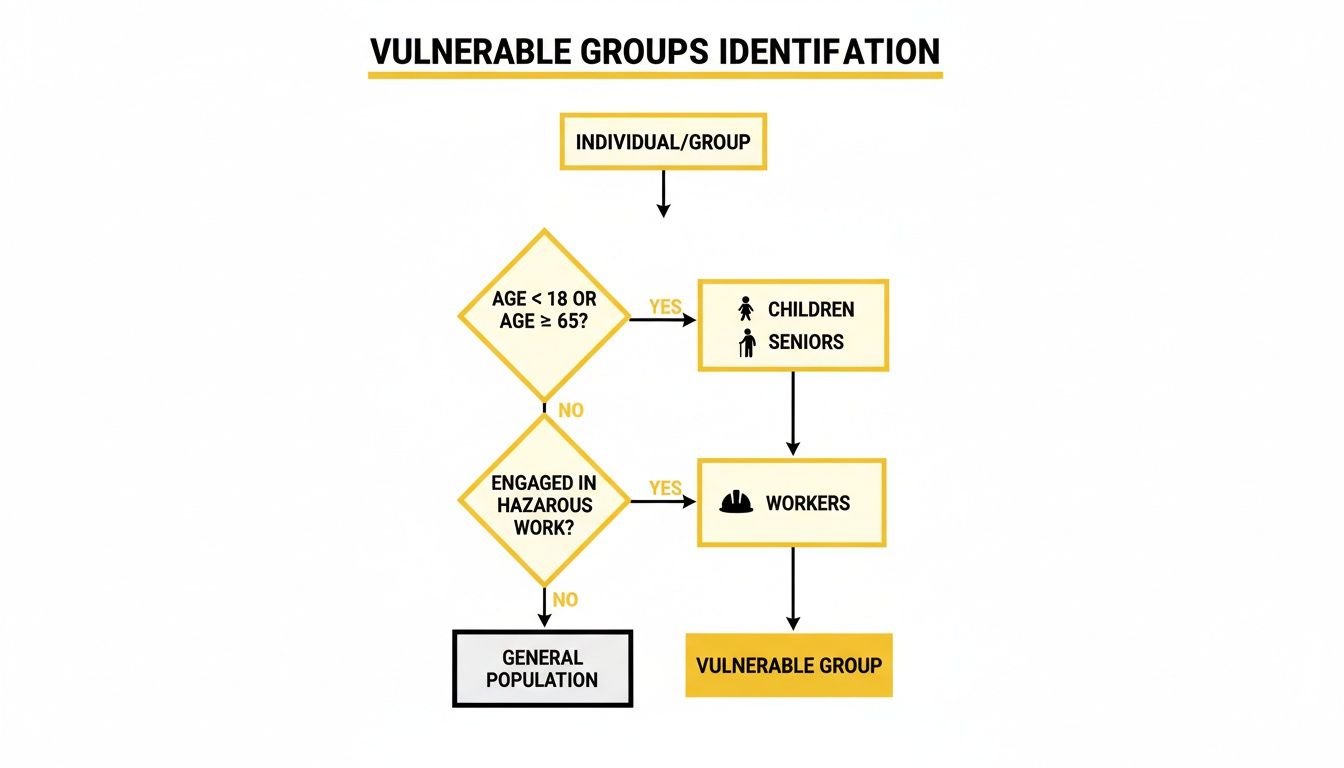
Children, seniors and outdoor workers sit at the top of this decision tree—meaning they need extra caution on moderate to unhealthy days. Use the process below to know when it’s time to head indoors:
- If AQI > 150 for two hours, move activities inside.
- If hourly PM2.5 > 80 µg/m³, postpone runs or bike rides by the river.
- When the wind blows from wildfire zones, delay yard work or outdoor chores.
Monitoring both hourly and daily readings gives us the clearest picture to manage wildfire smoke health effects in Edmonton.
Planning A Fall Reset
Once the air clears, tackle a fall reset project—seal windows in Strathcona before mud season or set up temporary filters in Windermere basements. Small tweaks now keep our homes ready for the next smoky stretch.
Bookmark Alberta Environment’s Smoke Forecast page and sign up for the U of A live data alerts.
• City of Edmonton’s air quality advisories via the Edmonton App.
• Strathcona Library clean-air shelter status on smoky days.
• U of A Environmental Monitoring Lab email notifications.
Linking seasonal planning with real-time metrics helps our city stay active and safe when AQI spikes. Regular sensor checks and a few home upgrades bring peace of mind, even on the smokiest days.
Stay engaged with community leagues for pop-up clean-air sessions.
Check Edmonton Wellness Guide for daily updates.
Practical Protection At Home And Outdoors
Our home should be our sanctuary when wildfire smoke drifts over Edmonton. Small gaps around windows and doors can quickly turn a cosy space into a hazy one. Timing your ventilation matters just as much as sealing up drafts.
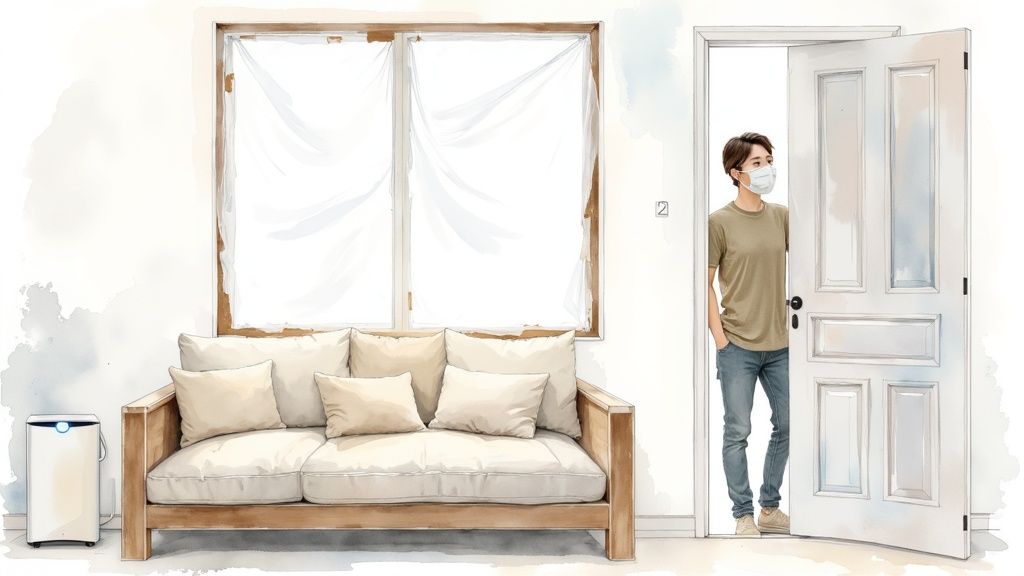
Below are key steps to fortify your home during a haze event:
- Seal Entry Points: Inspect and replace weatherstrips on windows and doors before spring mud season to block sneaky leaks.
- Ventilation Timing: Crack windows in the early morning when the air quality index dips, then shut them tight before evening breezes shift.
- DIY Furnace Filters: Attach two MERV 13 filters to a box fan in basements (Windermere style) to trap the finest particles.
- Professional Upgrades: Consider a HEPA-ready HVAC system in your living room. Expect to invest $1,500–$3,000, depending on room size and how often smoke arrives.
For instance, a household near South Edmonton Common installed door sweeps for $50 and watched indoor PM2.5 levels fall by 30% on smoky days.
Choosing Masks And Air Cleaners
A well-fitted mask can halve our exposure when we step outdoors. Likewise, a properly sized air cleaner transforms a dusty room into a breath-easy zone. Below is a quick comparison to help us decide.
Mask And Air Cleaner Options
| Option | Best For | Key Specs | Approx Cost |
|---|---|---|---|
| N95 Disposable | Short outings near the river valley | 95% filtration, single use | $3–$5 |
| KN95 Pack of 10 | Errands at South Edmonton Common | Foldable, 95% filtration | $20–$30 |
| Elastomeric Mask | Markets and extended shifts | Replaceable cartridges, washable | $40–$80 |
| Portable Air Cleaner | Glenora lounge, Oliver workshop | CADR 250+ for 300 sq ft | $150–$400 |
Matching a purifier’s CADR to our room size makes a real difference. Aim for at least two air changes per hour, then balance noise and energy use.
- Measure square footage and ceiling height to estimate air volume.
- Check the CADR rating so your unit isn’t working overtime.
- Factor in noise if you share space with family or neighbours.
- Compare energy consumption to avoid hefty spikes in utility bills.
“Air purifiers matched to your room size can cut indoor PM2.5 by 80% within an hour,” says a Glenora resident who tested a portable unit.
Local Support And Resources
Masks and purifiers go a long way, but rebates and clean-air shelters make them easier on the wallet:
- City of Edmonton Rebate: Claim up to $200 off a purifier through the Utility Providers Program.
- Library Safe Zones: Strathcona and Oliver branches open as free clean-air spaces when AQI tops 150.
- Community Centre Loans: Riverbend and Mill Woods hubs lend HEPA units to families in need.
- Neighbourhood Alerts: Join Grovenor or Windermere league mailing lists for pop-up clean-air events.
For fresh-air fitness fans, the river valley remains a free training ground—if we pick the right time. Learn more about using the river valley as your gym and it’s free in our article The River Valley Is Your Gym And It’s Free.
Putting Strategies Into Action
Start these steps before air quality dips and we’ll breathe easier all season. When smoke rolls in, swap a river valley run for a quick visit to a local clean-air shelter or an indoor centre.
Seasonal Timing Tricks
A little planning each season pays off in cleaner air:
- Spring Mud Season: Inspect and caulk window frames in Strathcona to keep smoky drafts (and mud) out.
- Summer Evenings: Seal up at dawn when air is coolest, then enjoy a breezy evening indoors.
- Winter Haze: Run a humidifier alongside your purifier to combat dry, −20 °C air.
- Festival Weeks: Stock extra masks before Folk Fest or Fringe to dodge shortages.
By blending home upgrades, personal gear and seasonal planning, we can face haze head-on. Check with the City of Edmonton for eligibility on air upgrade rebates. Stay prepared, stay healthy.
Related Reading
- Best Indoor Wellness Activities When Edmonton Air Quality Drops:…
- How to Transition Outdoor Fitness Indoors During Smoke Season:…
- Best Indoor Yoga Studios for Edmonton’s Smoke Season: Your…
Related Reading
- Finding the Best Probiotics for Gut Health in Canada: An Edmonton…
- How to Stay Active During Edmonton’s Winter Smoke Season: A…
- How to Transition Outdoor Fitness Indoors During Smoke Season:…
Frequently Asked Questions
We often hear these questions from river valley runners, Strathcona parents and Fringe festivalgoers when smoke settles over Edmonton.
How Long Should I Avoid Outdoor Activity During a Heavy Smoke Event?
If the AQI stays above 150, head indoors and wait it out.
- For real-time updates, check hourly readings from Alberta Environment or the U of A sensors.
- Seniors, children and pregnant people should aim for readings below 100 before stepping outside.
- Once the haze lifts, open a couple of windows to push stale air out and let fresh air in.
Which Edmonton Sites Give the Most Accurate Air Quality Readings?
No single monitor tells the whole story. We recommend comparing:
- The Alberta Environment network for a city-wide view of AQI levels
- University of Alberta sensors along the North Saskatchewan River for hyper-local data
- Community monitors in Strathcona and Windermere reporting live PM2.5 readings
“Hourly PM2.5 spikes can hit sensitive lungs faster than daily averages reveal,” warns an Alberta Health Services environmental officer.
What Home Air Filter Rating Should I Choose for Wildfire Smoke?
Go for MERV 13 or higher in your HVAC to capture those fine particles.
- No HVAC upgrade? Build a DIY box-fan filter with two MERV 13 furnace filters.
- Replace each filter every 4–6 weeks during prolonged smoke.
- A HEPA air cleaner running in a Glenora living room can cut indoor PM2.5 by 80% within an hour.
Medical Help
Is It Safe to Exercise Outdoors in Light Haze?
A light haze (AQI under 100) is usually fine for healthy adults.
- Keep sessions shorter and lower the intensity.
- Move indoors if we experience chest tightness or a persistent cough.
When Should I Seek Medical Help for Smoke-Related Symptoms?
Watch for these red flags:
- Sudden chest pain or severe shortness of breath—call 911 immediately
- Coughing that lasts more than an hour
- Confusion, dizziness or extreme fatigue
- Blue lips or fingertips
If any of these occur, head to the ER. You can also check Alberta Health Services for daily smoke info and clean-air shelter alerts.
Stay ahead of smoke season with the Edmonton Wellness Guide. Find more tips and resources at Edmonton Wellness Guide
Article created using Outrank