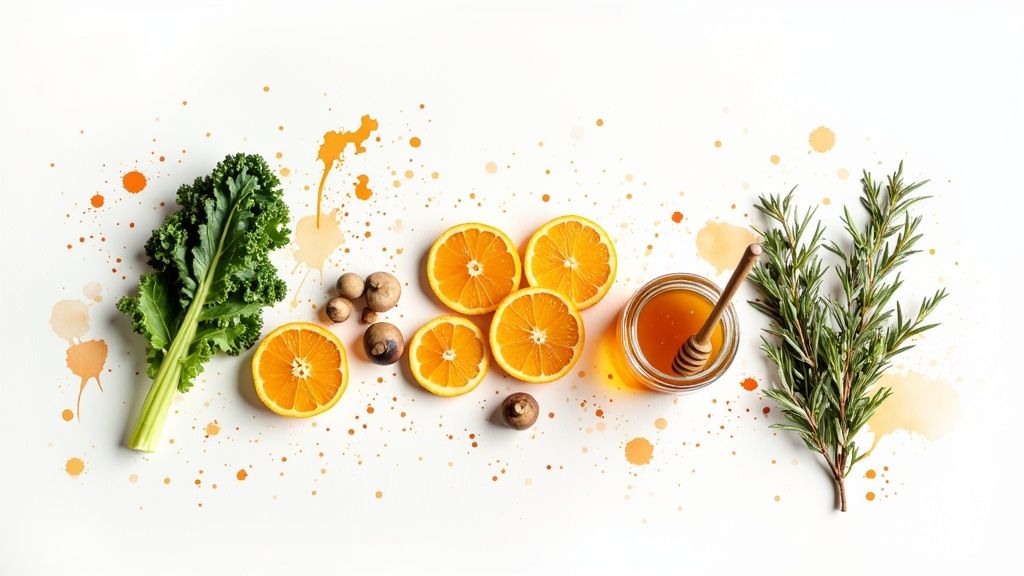
If you live in Edmonton, you know resilience. It’s what gets us through a -30°C January morning and keeps us going during those 17-hour summer days that mess with our sleep. That same grit applies to our health. A strong immune system isn’t about some magic pill; it’s built day by day, meal by meal, right here in our northern city.
For more on this, see our strengthen immune fast guide. For more on this, see our strengthen immune fast guide.
This isn't your typical wellness blog post. I've spent years in wellness and events in this city, and I'm tired of generic advice that doesn't get what it's like to live here. This is a practical guide for us. We'll talk about the best foods to boost immune system function with a local lens—what actually helps when you're navigating the spring mud season, prepping for Folk Fest, or just trying to avoid that office cold that goes around every November.
We’re not going to lecture you. We’ll look at ten powerful, evidence-backed foods that are easy to find, whether you’re shopping at the Old Strathcona Farmers' Market or the Superstore in Windermere. Think of this as a real-talk playbook for staying well, whether you’re training for a run in the river valley or just trying to get through another long, dark winter with your health intact. Let’s get to it.
For more on this, see our beat winter blues guide. For more on this, see our beat winter blues guide.
1. Citrus Fruits (Oranges, Lemons, Limes, Grapefruit)
When we're staring down another long Edmonton winter, citrus fruits are like a little dose of sunshine, and they're a classic for a reason. These fruits are nutritional powerhouses, particularly celebrated for their high concentration of vitamin C. This essential nutrient is a key player in supporting our immune system, acting as a powerful antioxidant that helps protect cells from damage. Vitamin C also encourages the production of white blood cells, which are vital for fighting off infections.

During those dark, dry months from November to March, incorporating citrus is one of the easiest ways to get a consistent vitamin C boost. While they aren't grown in our backyards, they are readily available and affordable at local spots like the Old Strathcona Farmers' Market or any major grocery store.
Making Citrus Work for You
Getting your daily dose of citrus is simple, but a few smart habits can maximise the benefits. Our bodies don't produce or store vitamin C, so consistent daily intake is crucial for maintaining a strong defence, especially when everyone around you at the office seems to be coughing.
- Whole is Best: Opt for eating the whole fruit instead of just drinking the juice. A whole orange provides fibre, which helps regulate blood sugar and supports gut health—another cornerstone of a robust immune system.
- Smart Storage: Keep your citrus fruits in the crisper drawer of your fridge rather than on the counter. The cool, dark environment helps preserve their vitamin C content for longer.
- Daily Routine: Aim for one to two servings of citrus fruit daily. This could be a grapefruit with breakfast, a squeeze of fresh lemon in your water bottle, or an orange as a post-workout snack after a run through the river valley trails.
- Protect Your Teeth: If you enjoy citrus juice, drink it through a straw. The acidity can be tough on tooth enamel over time.
For more ideas on how to adapt your nutrition to our city's unique climate, you can find more information in our seasonal health tips for Edmontonians.
For more on this, see our edmonton spring allergies guide.
2. Garlic
Garlic is more than just a foundational flavour in countless dishes; it's a potent medicinal food with a history stretching back centuries. Its power comes from a sulfur compound called allicin, which is responsible for garlic's distinct aroma and its impressive antimicrobial and antiviral properties. For us Edmontonians looking for natural ways to stay healthy, incorporating garlic is a simple, affordable strategy to help fortify your defences, especially when cold and flu season hits hard.

This humble bulb is a staple in kitchens worldwide and is readily available year-round at local markets like the Bountiful Farmers' Market or any grocery store in the city. Research suggests allicin and other compounds in garlic can enhance the disease-fighting response of certain types of white blood cells when they encounter viruses, making it one of the best foods to boost your immune system.
Making Garlic Work for You
To get the most out of this powerful ingredient, a little bit of kitchen science is required. The key is to activate the allicin before you cook with it, as heat can diminish its beneficial properties. Consistent use is more effective than a large dose when you already feel unwell.
- Chop and Wait: The magic happens when garlic is crushed, chopped, or minced. After chopping, let it sit for about 10 minutes before adding it to heat. This allows the enzyme alliinase to convert alliin into the powerful compound allicin.
- Daily Dose: Aim to include one to two cloves of garlic in your daily meals. This could be in a stir-fry, a homemade soup, or a salad dressing.
- Raw is Best (If You Can): For maximum potency, using raw garlic is ideal. Try mincing a small amount into a homemade vinaigrette or mixing it into a dip like hummus or tzatziki.
- Smart Storage: Keep whole garlic bulbs in a cool, dark, and dry place with good air circulation, like a pantry or a mesh bag. This prevents them from sprouting or moulding.
3. Ginger
When that familiar tickle in your throat appears during a sudden Edmonton cold snap, ginger is one of the most comforting and powerful roots you can have in your kitchen. This potent rhizome has been used for centuries, and for good reason. It’s packed with bioactive compounds like gingerol and shogaol, which have strong anti-inflammatory and antioxidant properties. These compounds help support our immune response by reducing inflammation and combating cellular stress, making ginger one of the best foods to boost immune system function.
Throughout our long winters, a warm ginger tea can feel like a necessity, not just a comfort. It’s a fantastic way to soothe a sore throat and warm up after a chilly walk home. Fresh ginger is easy to find at local grocery stores or markets like the Bountiful Farmers' Market, making it a simple and effective addition to your year-round wellness routine.
Making Ginger Work for You
Incorporating ginger into your diet is straightforward, but consistency is key to reaping its immune-supporting benefits. Keeping a fresh root on hand means you’re always ready to fight off the first signs of a cold, especially during those months when germs seem to be everywhere.
- Fresh is Best: Choose firm, smooth ginger roots with thin, unwrinkled skin for the best flavour and potency. You can easily peel it with the back of a spoon.
- Warming Tea: The easiest way to get a potent dose is by making fresh ginger tea. Simply slice or grate about an inch of fresh ginger, steep it in hot water for 10 to 15 minutes, and add a little honey or lemon for extra soothing power.
- Daily Dose: Grate fresh ginger into your morning smoothie, add it to stir-fries and curries, or sprinkle it into soups. A little bit goes a long way in adding both flavour and a health boost to your meals.
- Smart Storage: Store fresh, unpeeled ginger in a resealable plastic bag in your fridge’s crisper drawer. It will stay fresh for several weeks, ready for whenever you need it.
4. Almonds
When we’re navigating the transition from a smoky summer to a crisp, dry autumn, thinking about nutrient-dense snacks becomes crucial. Almonds are an excellent, portable option for keeping our defences up. They are particularly rich in vitamin E, a fat-soluble vitamin that acts as a powerful antioxidant, helping to protect our immune cells from damage. A healthy immune system needs vitamin E to function properly, and many of us don't get enough of it.
Unlike produce that has a short season, almonds are available year-round at local spots like Blush Lane Organic Market or community grocers. They are a reliable and easy way to support your body's needs, especially when fresh, local options become scarcer during the long freeze. Keeping a bag in your pantry is one of the simplest ways to add immune-supporting nutrients into your daily routine.
Making Almonds Work for You
Incorporating almonds is straightforward, but a few key practices can ensure you're getting the most out of every handful. Since vitamin E is fat-soluble, your body needs fat to absorb it, which almonds conveniently provide. A consistent intake helps maintain antioxidant levels, which is especially important when our bodies are under stress from drastic Edmonton temperature swings.
- Serving Size: Aim for about a quarter-cup, or roughly 23 almonds, per day. This amount provides a significant portion of your daily recommended vitamin E intake.
- Keep the Skin: The brown skin on almonds is packed with flavonoids, powerful antioxidants that work alongside vitamin E to support your immune system. Always choose whole, skin-on almonds.
- Smart Snacking: Pair a handful of almonds with an apple for a balanced afternoon snack. The combination of protein, healthy fats, and fibre will keep you full and energized for a walk along Mill Creek Ravine.
- Proper Storage: Store almonds in an airtight container in a cool, dark place like your pantry. To keep them fresh even longer, you can store them in the fridge or freezer, which prevents their healthy oils from going rancid.
A well-nourished immune system is also deeply connected to restorative rest, something that can be challenging with our city's extreme daylight shifts. You can learn more about how our city's environment affects our sleep and what to do about it.
5. Spinach and Dark Leafy Greens
As the vibrant green of the river valley fades in the autumn, bringing those vital nutrients into our kitchens becomes even more important. Dark leafy greens like spinach, kale, and Swiss chard are foundational for a strong immune system. They are packed with a host of vitamins and antioxidants, including vitamins A, C, and K, plus folate. These nutrients are crucial for maintaining the integrity of our physical barriers, like our skin and mucous membranes, which are our first line of defence against germs.
While our growing season is short, these greens are available year-round at local grocery stores and markets like the Bountiful Farmers' Market. They represent one of the most efficient ways to load up on essential nutrients, making them a key part of the best foods to boost your immune system, especially during the long months indoors.
Making Greens Work for You
Incorporating dark leafy greens into your daily routine is a powerful habit for year-round resilience. A few simple strategies can help you get the most out of these nutritional powerhouses, ensuring your body is well-equipped to handle whatever the Edmonton seasons throw at it.
- Daily Dose: Aim to include at least one serving of dark leafy greens in your meals each day. This could be a handful of spinach blended into a morning smoothie, a kale salad for lunch, or sautéed Swiss chard alongside your dinner.
- Cook Smart: Lightly steaming or sautéing greens can make some nutrients, like iron, more available and reduce oxalates. Be careful not to overcook them, as this can diminish their vitamin C content.
- Add Healthy Fats: Many vitamins in greens (A and K) are fat-soluble. Tossing your salad with an olive oil-based vinaigrette or adding some avocado or nuts helps your body absorb these crucial immune-supporting vitamins.
- Variety is Key: Rotate between different types of greens, such as spinach, kale, collard greens, and arugula. Each offers a unique profile of vitamins and phytochemicals, giving your immune system a broader range of support.
For a deeper look into building a strong immune response, you can learn more about how to boost immunity naturally with our comprehensive guide.
For more on this, see our boost immunity naturally guide. For more on this, see our boost immunity naturally guide.
6. Broccoli
When we think of immune-boosting superstars, those bright green florets of broccoli absolutely deserve a spot on the list. This cruciferous vegetable is packed with vitamins C and K, but its real secret weapon is a compound called sulforaphane. Sulforaphane supports our body's antioxidant defences and detoxification pathways, which are critical for keeping our immune system functioning smoothly and efficiently, especially during those long stretches of indoor living during our frigid Edmonton winters.
While not a local crop in the dead of winter, fresh broccoli is consistently available at grocery stores across the city, from the Italian Centre Shop to the larger chains in Windermere. It's an affordable and versatile vegetable that can be easily incorporated into your weekly meals, providing a reliable source of some of the best foods to boost immune system health when local produce is scarce.
Making Broccoli Work for You
To get the most out of broccoli's unique immune-supporting compounds, how you prepare it really matters. A little kitchen know-how can ensure you’re activating and preserving its powerful nutrients, giving your body the best defence possible when you need it most.
- Prep with Care: To activate sulforaphane, you need an enzyme called myrosinase, which is released when the plant's cells are broken. Chopping broccoli and letting it sit for 30-40 minutes before cooking, or chewing it thoroughly when raw, will maximize this effect.
- Keep it Cool: Don't overcook it. High heat deactivates myrosinase. Lightly steaming for just a few minutes (until it's bright green and tender-crisp) or eating it raw in salads are the best methods.
- Boost the Benefits: If you do cook your broccoli, you can reactivate the benefits by pairing it with another food containing myrosinase. Adding a sprinkle of mustard powder or a side of horseradish to your cooked broccoli dish does the trick.
- Aim for Consistency: Try to include at least a cup of raw broccoli or two cups of lightly cooked broccoli in your meals each week. It's an easy addition to a stir-fry, a great side for a weeknight dinner, or a crunchy snack with hummus.
7. Red Bell Peppers
While we often reach for an orange, it might surprise you to learn that red bell peppers actually pack one of the most potent vitamin C punches of any common fruit or vegetable. In fact, a single medium-sized red pepper can provide well over 150% of your recommended daily intake. This makes them one of the best foods to boost your immune system, especially when a winter cold is making the rounds in the office or at your kids’ school. Beyond vitamin C, their vibrant red colour signals a high concentration of carotenoids like beta-carotene, which your body converts to vitamin A, another crucial player in immune defence and maintaining healthy vision.
Red bell peppers are grown in Alberta greenhouses, so they’re a fantastic and readily available option year-round. You can find them at local spots like Bountiful Farmers' Market or Italian Centre Shop, offering a crisp, sweet boost even in the dead of winter. Their versatility makes them an easy addition to almost any meal.
Making Red Bell Peppers Work for You
Incorporating this nutritional powerhouse is simple, but how you prepare it matters. Vitamin C is sensitive to heat, so enjoying red peppers raw is the best way to maximize their immune-supporting benefits during our long cold and flu season.
- Go Raw for Max C: For the biggest vitamin C impact, slice up raw red peppers and enjoy them with hummus or a yogurt-based dip. They add a satisfying crunch to salads or can be tossed into a wrap for a quick lunch.
- Choose Vibrant Colours: When shopping, look for peppers that are firm with a deep, uniform red colour. This indicates peak ripeness and the highest concentration of antioxidants.
- Smart Storage: Keep your peppers whole and unwashed in the crisper drawer of your fridge. They should stay fresh and crisp for one to two weeks, ready for when you need a quick, healthy snack.
- Gentle Cooking: If you prefer them cooked, a light sauté or a quick roast is better than boiling, which can leach out water-soluble vitamins. Add them to stir-fries or fajitas near the end of the cooking time to retain more of their nutritional value.
8. Yogurt and Fermented Foods
The connection between our gut and our immune system is incredibly powerful, and fermented foods are the superstars that support this link. Foods like yogurt, kefir, sauerkraut, and kimchi are rich in probiotics, which are beneficial live bacteria that help balance our gut microbiome. A healthy gut lining acts as a primary barrier against pathogens, and probiotics are essential for maintaining its integrity, making them one of the best foods to boost your immune system.
In Edmonton, you can find fantastic local options. For instance, Bles-Wold Yogurt from Lacombe is often at farmers' markets like the one in Old Strathcona, and many local delis and specialty stores like the Italian Centre Shop stock high-quality sauerkraut and kimchi. These foods are a simple way to support your body’s defences, especially when we're cooped up indoors during a cold snap.
Making Fermented Foods Work for You
Incorporating these probiotic powerhouses into your diet is straightforward, but a few key details will ensure you're getting the most benefit. The goal is to introduce live, active cultures into your system regularly to support a diverse and thriving gut environment.
- Read the Label: Choose plain, unsweetened yogurt (Greek or Icelandic are great for extra protein) and look for the phrase "live and active cultures." For sauerkraut and kimchi, check the refrigerated section for products labelled "raw" or "unpasteurized" to ensure the beneficial bacteria haven't been killed by heat.
- Aim for Daily Intake: A single serving a day is a great goal. This could be a bowl of yogurt with berries for breakfast, a splash of kefir in your post-workout smoothie after a session at the Kinsmen, or a spoonful of sauerkraut alongside your dinner.
- Start Small: If you're new to fermented foods like kimchi or kefir, introduce them slowly. Their tangy flavour and high probiotic count can be a lot at once, so let your digestive system adjust gradually.
- Variety is Key: Different fermented foods contain different strains of probiotics. Try rotating between yogurt, kefir, and sauerkraut to provide your gut with a wider variety of beneficial microbes.
For more detailed strategies on building up your body's defences, explore our resources on natural immunity in Edmonton.
9. Mushrooms (Shiitake, Maitake, Reishi)
Long before they became a trendy superfood, mushrooms have been a cornerstone of traditional medicine for centuries. Varieties like shiitake, maitake, and reishi are more than just a flavourful addition to a stir-fry; they are packed with compounds that actively support our immune defences. These fungi contain powerful polysaccharides, particularly beta-glucans, which are known to activate key immune cells like macrophages and natural killer (NK) cells, enhancing our body's ability to respond to threats.
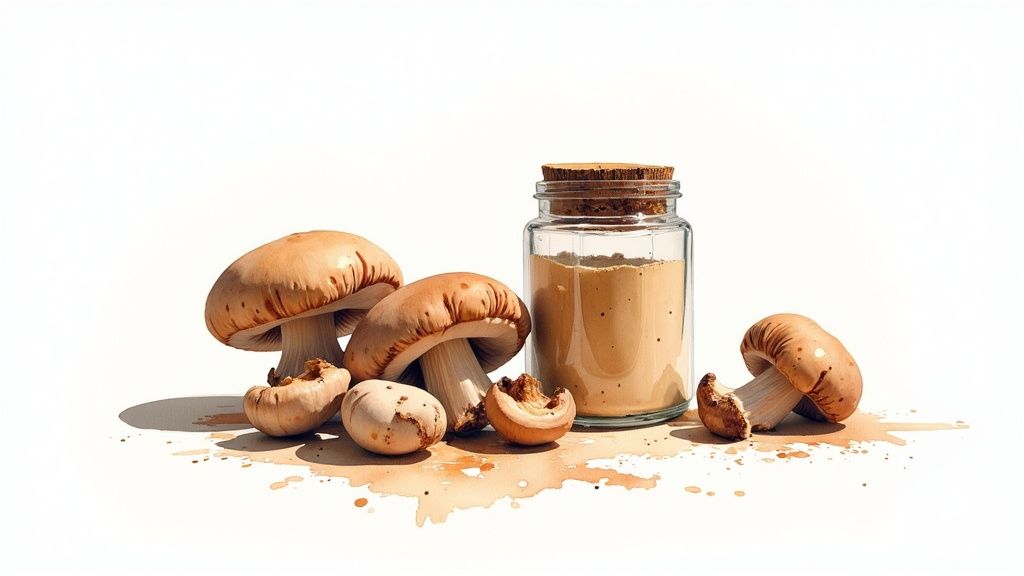
During Edmonton's long winters, when our sun exposure is minimal, mushrooms offer a unique nutritional advantage. They are one of the few plant-based sources of vitamin D, a crucial nutrient for both immune function and mood regulation—something we all know is a big deal here. Finding fresh shiitake or maitake is easy at spots like the Bountiful Farmers' Market or specialty Asian grocery stores around the city, making them an accessible part of your cold-weather wellness routine.
Making Mushrooms Work for You
Incorporating these functional fungi into your diet is straightforward, but how you prepare them matters. Cooking or using hot water extraction is key to breaking down their tough cell walls, which makes the beneficial beta-glucans more available for your body to absorb. This simple step transforms them from a tasty ingredient into one of the best foods to boost your immune system.
- Cook Thoroughly: Always cook your mushrooms. Sautéing shiitake with garlic and ginger for a stir-fry or slow-cooking them in a broth for a nourishing soup are excellent ways to unlock their benefits.
- Boost Your Vitamin D: You can naturally increase the vitamin D2 content in store-bought mushrooms. Simply place them gill-side up on a sunny windowsill for 15-60 minutes before cooking. This is a great trick during our brighter winter days.
- Aim for Consistency: Try to include two to three servings of immune-supporting mushrooms in your meals each week. This could be as simple as adding them to an omelette, a pasta sauce, or a hearty stew.
- Consider Powders and Extracts: For a more concentrated dose, especially when you feel a cold coming on, consider using medicinal mushroom powders. They can be easily added to your morning coffee, a smoothie, or a savoury broth.
For those particularly affected by the dark winter months, boosting vitamin D is essential. You can find more strategies for managing your well-being in our guide to handling seasonal affective disorder in Edmonton.
10. Turmeric and Curcumin
This vibrant golden spice isn't just for adding colour to your favourite curry; it's a potent ally in our year-round wellness strategy. Turmeric’s power comes from its active compound, curcumin, which is celebrated for its strong anti-inflammatory and antioxidant properties. By helping to manage systemic inflammation, curcumin supports our immune system's ability to respond effectively without overreacting, which is a key part of staying healthy through Edmonton's dramatic seasonal shifts.
For more on this, see our manage anxiety naturally guide. For more on this, see our manage anxiety naturally guide.
Whether we're battling the dry, cold air of January or dealing with the inflammatory effects of seasonal allergens and wildfire smoke, incorporating this spice can offer a comforting and protective boost. You can easily find high-quality ground turmeric and fresh root at stores across the city, from the Silk Road Spice Merchant on Whyte Ave to larger grocers.
Making Turmeric Work for You
Getting the most out of turmeric requires a bit of kitchen science, as curcumin isn't easily absorbed on its own. A few simple tricks can dramatically increase its bioavailability, making it a truly effective part of your routine for the best foods to boost immune system.
- Pair with Black Pepper: Always use turmeric with a pinch of black pepper. Pepper contains piperine, a natural substance that has been shown to increase curcumin absorption by up to 2000%.
- Add a Healthy Fat: Curcumin is fat-soluble, so consuming it with a source of healthy fat like coconut oil, olive oil, or avocado helps your body absorb it more efficiently. This is perfect for when you're sprinkling it on roasted vegetables or blending it into a smoothie.
- Gentle Heat: Lightly heating turmeric can also enhance its solubility and absorption. A popular and comforting way to do this is by making "golden milk," a warm latte-style drink with milk (or a non-dairy alternative), turmeric, pepper, and other spices like ginger and cinnamon.
- Daily Dose: Aim for about 1/4 to 1/2 teaspoon of turmeric powder daily in your cooking. Add it to soups, rice, roasted root vegetables, or even your morning scramble for a consistent anti-inflammatory effect.
Top 10 Immune‑Boosting Foods Comparison
| Item | Implementation complexity 🔄 | Resource requirements ⚡ | Expected outcomes ⭐📊 | Ideal use cases 💡 | Key advantages ⭐ |
|---|---|---|---|---|---|
| Citrus Fruits (Oranges, Lemons, Limes, Grapefruit) | Low 🔄 — Ready-to-eat or juice, minimal prep | Low ⚡ — Affordable, widely available, refrigerate to extend shelf life | High vitamin C → immune support, antioxidant protection, collagen support | Daily fresh snack or morning juice; pair with greens to enhance iron absorption | Rich source of vitamin C and bioflavonoids; fiber if eaten whole |
| Garlic | Medium 🔄 — Crush/chop and wait ~10 min for allicin activation | Low ⚡ — Inexpensive, long shelf life; potency reduced by cooking | Antimicrobial and immunomodulatory; may reduce cold incidence/duration | Add raw to dressings or cooked dishes; 1–2 cloves daily for prevention | Potent allicin content with cardiovascular and antimicrobial benefits |
| Ginger | Low–Medium 🔄 — Slice/grate or steep for tea | Low ⚡ — Fresh or dried, low cost | Anti-inflammatory, antioxidant, aids digestion and reduces nausea | Teas, soups, smoothies; acute nausea or inflammatory flare-ups | Thermogenic, anti-inflammatory and digestive support |
| Almonds | Low 🔄 — Ready-to-eat, minimal prep | Medium ⚡ — Higher cost and calorie density; store cool to avoid rancidity | High vitamin E → protects immune cells, sustained energy via healthy fats | Daily snack, smoothies, or salad topping to meet vitamin E needs | Nutrient-dense source of vitamin E, healthy fats and minerals |
| Spinach & Dark Leafy Greens | Medium 🔄 — Wash or lightly steam to reduce oxalates | Low ⚡ — Affordable but perishable; frozen is an option | Multi-vitamin support (A,C,K, folate), antioxidants, anti-inflammatory effects | Salads, smoothies, lightly steamed sides; pair with fat/citrus for absorption | Exceptional nutrient density supporting multiple immune pathways |
| Broccoli | Medium 🔄 — Best raw or lightly steamed (<158°F) to preserve sulforaphane | Low ⚡ — Inexpensive; freezes well for storage | Sulforaphane → boosts detox enzymes and antioxidant defenses; fiber benefits | Raw salads, light steaming, blended soups; include regularly for detox support | Source of sulforaphane and indoles that support detox and NK-cell activity |
| Red Bell Peppers | Low 🔄 — Eat raw or roast; minimal prep | Medium ⚡ — Seasonal and sometimes pricier; refrigerate | Very high vitamin C and carotenoids → immune and eye health | Raw snacks, salads, roasted dishes; substitute for citrus for vitamin C | Higher vitamin C per weight than many fruits; heat-stable benefits |
| Yogurt & Fermented Foods | Medium 🔄 — Choose live-culture products; some require fermentation time | Medium ⚡ — Refrigeration required; high-quality products cost more | Supports gut microbiome → stronger barrier, reduced gut inflammation, better absorption | Daily probiotic servings, post-antibiotic recovery, digestive health maintenance | Provides live probiotics and metabolites that restore microbial diversity |
| Mushrooms (Shiitake, Maitake, Reishi) | Medium–High 🔄 — Cooking or hot-water extraction improves beta‑glucan availability | Medium ⚡ — Fresh/dried/extracts vary in cost and quality | Activates macrophages and NK cells; adaptogenic and antioxidant effects | Include weekly in meals; consider extracts for concentrated immune support | Beta‑glucans directly stimulate innate immunity; research-backed benefits |
| Turmeric & Curcumin | Medium 🔄 — Requires pairing with piperine/fat for absorption; supplements available | Low–Medium ⚡ — Spice is cheap; enhanced formulations cost more | Potent anti-inflammatory → modulates NF-κB and cytokine production | Chronic inflammation support, add to cooking or take bioavailable supplements | Strong systemic anti-inflammatory action when bioavailability is optimized |
Bringing It All Home: A Resilient Edmonton Plate
We’ve journeyed through the produce aisle and beyond, exploring some of the most powerful foods that can help fortify our immune systems. From the zesty punch of citrus and red bell peppers to the earthy, complex benefits of mushrooms and dark leafy greens, it’s clear that our kitchens can be our first line of defence. We've seen how everyday staples like garlic, ginger, and almonds pack a significant nutritional punch, while fermented foods like yogurt and vibrant spices like turmeric offer unique, research-backed support for our body's natural resilience.
But knowing the what is only half the battle, especially here in Edmonton. The real magic happens when we translate this knowledge into our daily lives, building a plate that reflects not just the science of nutrition but the reality of our northern climate. It's about creating habits that stick, whether that means simmering a garlic and ginger-infused broth on a dark, -30°C January evening or tossing local spinach and bell peppers into a quick stir-fry after a long, sun-drenched day in the river valley.
The goal isn't perfection; it's about consistency and strategic integration. This isn't about a radical, all-or-nothing overhaul. It's about small, deliberate choices that accumulate over time, creating a foundation of wellness that can help us navigate everything from the intensity of festival season to the quiet solitude of deep winter.
Your Actionable Immune-Support Checklist
Let's distill this down to a practical, Edmonton-focused plan. Think of this as your starting point for weaving these immune-supporting foods into your routine, season after season.
- The Weekly Market Mission: When you’re at the Old Strathcona Farmers' Market or picking up groceries for the week, make a point to grab at least three items from our list. Maybe it's a head of garlic, a bag of local spinach from a vendor like Sundog Organic Farm, and a good quality yogurt. This simple habit ensures these powerhouses are always on hand.
- The "One-Pot Wonder" Strategy: Our long winters are made for soups, stews, and curries. These dishes are the perfect vehicles for immune-friendly ingredients. A single pot can easily incorporate garlic, ginger, turmeric, mushrooms, and leafy greens. It’s an efficient, comforting way to get a concentrated dose of nutrients.
- Prep for the Busy Spells: We all know how hectic life can get. Spend an hour on Sunday chopping red bell peppers, washing spinach, or portioning out almonds into snack-sized containers. Having these ingredients ready to go makes it infinitely easier to make healthy choices when you're tired and hungry. This is your defence against the easy, less-nutritious takeout option after a long day.
- Embrace the Flavour: Don't forget that these foods are delicious! Think beyond just their health benefits. Add a generous squeeze of lemon to your water, grate fresh ginger into your tea, or roast broccoli with garlic until it's crispy and flavourful. When healthy food tastes great, it ceases to be a chore and becomes a pleasure.
Key Takeaway: Building a robust immune system isn't about a single "superfood" or a temporary diet. It's about creating a diverse, colourful, and consistent dietary pattern. The synergy between these foods provides a broader spectrum of vitamins, minerals, and antioxidants than any single ingredient ever could.
Ultimately, mastering this approach is about taking empowered, proactive control of your well-being. It's about understanding that the best foods to boost immune system function are not exotic or complicated; they are accessible, versatile, and can be woven into the fabric of our uniquely Edmontonian lives. By focusing on a plate rich in these whole foods, we are not just feeding ourselves; we are investing in our resilience, ensuring we have the energy and health to embrace everything our city has to offer, from its harshest cold snaps to its most glorious summer days. This is how we build a strong foundation, one delicious meal at a time.
For more hyper-local, practical wellness strategies tailored specifically for our city's seasons and lifestyle, the Edmonton Wellness Guide is your complete resource. Discover seasonal recipes, neighbourhood-specific fitness guides, and evidence-based advice to help you thrive right here at home. Explore the full guide at Edmonton Wellness Guide.
Article created using Outrank
Related Reading
- The Edmontonian’s Guide to 7 Healthy Food Restaurants Edmonton in 2026
- Can You Get Vitamin D in Edmonton During Winter Months: A Local’s…
- How to Prepare Your Body for Edmonton’s Extreme Temperature…