Let’s be honest about something: Edmonton winters are long. We’re talking about a city where the sun sets before 4:30 pm in December, where temperatures regularly dip below -20°C, and where the phrase “it’s not that cold” gets thrown around until the thermometer hits -30. If you’ve ever found yourself feeling inexplicably heavy, sluggish, or just… off during the darker months, you’re not imagining things. And you’re definitely not alone.
For more on this, see our boost immunity naturally guide. For more on this, see our summer winter running guide. For more on this, see our deal seasonal depression guide.Seasonal Affective Disorder—SAD, in a name that feels almost too on-the-nose—affects roughly 2-6% of Canadians severely, with another 10-15% experiencing milder symptoms. Edmonton’s latitude (53.5°N) puts us in the zone where this becomes particularly relevant. During winter solstice, we get about 7.5 hours of daylight, and much of that is weak, low-angle sun filtered through clouds or frozen air. Our bodies notice.
For more on this, see our deal seasonal depression guide. For more on this, see our seasonal affective disorder guide.What’s Actually Happening
The science here is fairly well-established. Reduced sunlight exposure disrupts your circadian rhythm—your internal clock—and affects the production of serotonin (the neurotransmitter linked to mood) and melatonin (the hormone that regulates sleep). When you’re getting limited light exposure, especially in the morning, your brain gets confused about when it should be awake, alert, and energized versus when it should be winding down.

For Edmontonians, this gets compounded by practical realities. When it’s -25°C outside, the natural human response is to stay indoors. When staying indoors, you’re under artificial lighting that doesn’t provide the same benefits as natural light. When you’re also commuting in darkness both ways—leaving for work in the dark, coming home in the dark—you can go days without meaningful sun exposure.
Light Therapy: The Evidence-Based Starting Point
Light therapy boxes are the most researched intervention for SAD, and the evidence is solid. You’re looking for a box that delivers 10,000 lux (a measure of light intensity) and filters out UV rays. The protocol that’s shown the most benefit: 20-30 minutes of exposure first thing in the morning, within an hour of waking up. You don’t stare directly at it—you position it at an angle while you eat breakfast, drink coffee, or scroll through your phone.
A decent light therapy box runs between $50-150 and can last for years. Given that we’re talking about potentially five months of reduced daylight annually, the cost-per-use math works out pretty quickly. Some people notice improvements within days; for others, it takes a couple of weeks of consistent use.
The Vitamin D Question
Here’s where Edmonton’s geography really matters. From roughly October through March, the sun sits so low in the sky that even if you stood outside at noon in shorts (please don’t), your skin couldn’t produce meaningful vitamin D. The UVB rays required for vitamin D synthesis just don’t make it through the atmosphere at our latitude during winter months.
Health Canada recommends adults get 600 IU of vitamin D daily, with some researchers and clinicians suggesting that 1000-2000 IU may be more appropriate for those of us living in northern climates. A blood test can tell you where your levels actually sit—something worth discussing with your doctor if you’re experiencing persistent fatigue or mood changes in winter.
Working With What We Have
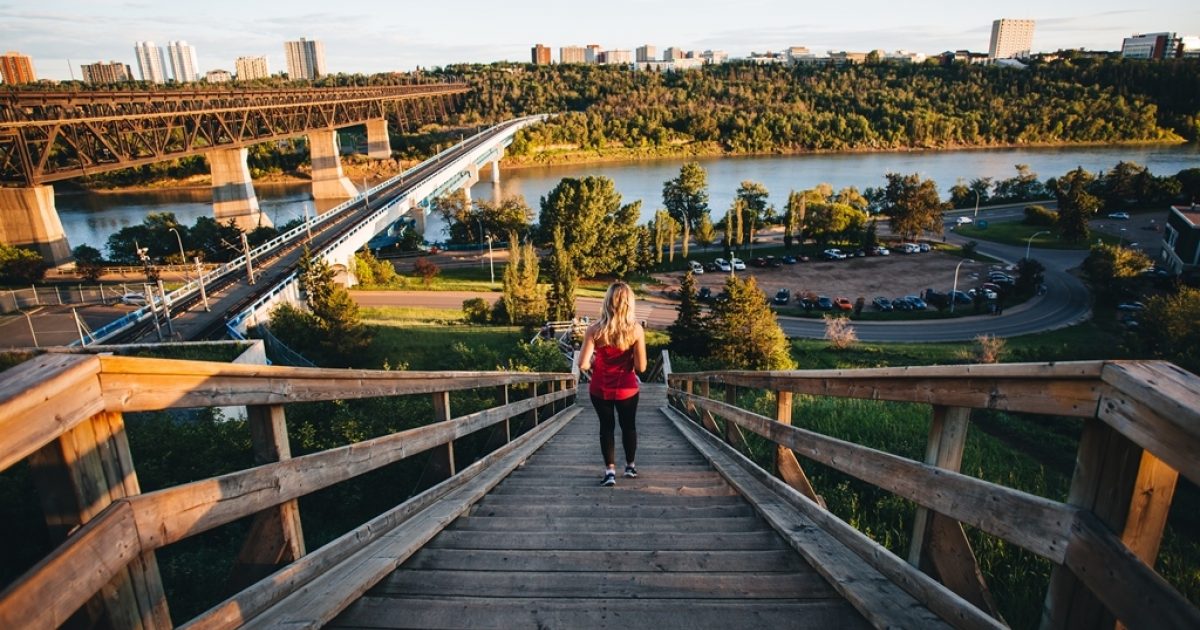
Edmonton isn’t entirely without winter light—we just have to be strategic about catching it. On clear days, the midday sun (even in December) can be genuinely bright, especially reflecting off snow. A 15-20 minute walk during your lunch break, even in cold temperatures, can provide meaningful light exposure. The river valley trails that get southern exposure—parts of the Cloverdale footbridge area, sections near the Muttart—tend to catch more direct sun.
Some practical Edmonton-specific tactics: Position your desk near a window if possible. Take phone calls outside (briefly) on sunny days. If you’re working from home, consider moving your workspace closer to natural light sources during winter months. On weekends, prioritize outdoor time during the brightest part of the day—roughly 11 am to 2 pm—rather than defaulting to morning errands and afternoon Netflix.
When It’s More Than Just Winter Blues
There’s a meaningful difference between “I’m a bit tired and it’s harder to get motivated in January” and “I’m struggling to function.” SAD exists on a spectrum, and severe cases benefit from professional support—potentially including therapy, medication, or both. If you’re finding that your sleep is severely disrupted, you’re having difficulty maintaining relationships or work responsibilities, or you’re experiencing thoughts of self-harm, please reach out to a healthcare provider.
The good news is that SAD is treatable, and the interventions that work tend to work pretty well. The less good news is that it comes back every year, so building sustainable winter routines matters more than finding a one-time fix.
Edmonton winters are a reality we live with. But “living with” doesn’t have to mean suffering through. Understanding why your body and brain respond the way they do—and having some evidence-based tools to work with—can make the dark months considerably more manageable.
Related Reading
- How to Stay Active During Edmonton Winter Months: A Survival Guide…
- How to Boost Immunity Naturally Through an Edmonton Year
- How to Reduce Inflammation Naturally: An Edmonton Guide