Choosing an at home versus gym wellness routine sounds simple until it is -28°C in January and your car won’t start. This comparison is for Edmontonians deciding where to spend their workout time and money this fall. The short verdict: a hybrid beats both extremes for most people here. Train at home on the worst winter days and during smoke season. Use a gym or rec centre for strength work, classes, and the weeks when motivation tanks. If you can only pick one, choose the one you will actually show up for.
Last reviewed:
It is October 2026. The river valley is turning, the dark mornings are back, and gym sales are starting. This is the right time to decide, before the first real cold snap makes the choice for you.
Quick Comparison: At Home vs Gym in Edmonton
Here is the side-by-side view. Prices are rough Edmonton ranges and change often, so check current rates before you commit.
How To Track Wellness Habits That Actually Stick covers this in more detail.
| Criteria | At-Home Routine | Gym or Rec Centre |
|---|---|---|
| Upfront cost | $150 to $900 for a starter setup (mat, bands, dumbbells, optional bike) | $0 to $100 sign-up fees at some commercial gyms |
| Monthly cost | $0 to $25 for apps or streaming classes | Roughly $15 to $60 for budget gyms, $80 to $150 for boutique studios, city rec centre passes in between |
| Winter access | Zero commute at -30°C | Needs a warm-up car or a bus stop wait. Parking lots fill in January |
| Smoke season | Easy to filter indoor air | Indoor air is usually better than outdoors, but you still travel through it |
| Equipment range | Limited by space and budget | Racks, machines, pools, tracks, saunas |
| Injury support | You are the coach | Staff, trainers, and spotters on site |
| Social pull | Low unless you build it | High through classes and regulars |
| Time per session | Workout time only, roughly 20 to 45 minutes | Workout plus 30 to 60 minutes of travel and changing |
No contender wins every row. Home wins on cost and convenience. Gyms win on equipment, accountability, and safety. The sections below walk through each criterion with Edmonton specifics.
Cost: What You Actually Pay
Money is the first question, so start there. The sticker price of each option hides different traps.
Why Do Wellness Habits Fail And How To Prevent It covers this in more detail.
Setting Up at Home
A usable home setup does not need a garage full of iron. A starter kit looks like this:
How To Build A Morning Wellness Routine For Beginners covers this in more detail.
- Exercise mat: $30 to $60
- Resistance band set: $20 to $40
- Adjustable dumbbells: $150 to $400 for a pair
- Kettlebell (12 to 20 kg): $50 to $100
- Used stationary bike: $150 to $400 on local resale listings
A basic kit runs $100 to $250. A solid strength-and-cardio corner runs $600 to $900. Streaming workouts, YouTube, and free apps cover programming for $0. Paid apps usually cost $10 to $25 a month.
Beginner Wellness Routine Checklist For January In Edmonton covers this in more detail.
The hidden cost is space. Edmonton winters shrink your usable floor area because coats, boots, and salt-stained gear take over the entry. A condo in Oliver or a basement suite near Whyte Avenue may only have a 2 by 2 metre patch. That is enough for bodyweight work, bands, and a kettlebell. It is not enough for a squat rack.
Paying for a Gym or Rec Centre
Edmonton gym pricing runs on three tiers. Budget chains charge roughly $15 to $60 a month. Boutique studios for yoga, spin, or strength classes charge roughly $80 to $150 a month or $20 to $28 per drop-in class. City of Edmonton recreation facilities fall in the middle. Drop-in rates and multi-visit passes vary by facility, so check the City of Edmonton recreation page for current admission and pass pricing. Facilities like Kinsmen Sports Centre (9100 Walterdale Hill) and Commonwealth Community Recreation Centre (11000 Stadium Road) bundle pools, tracks, and weight rooms under one pass, which is hard to match at home.
Watch for contract terms. Many gyms lock you into 12 months. Cancelling in February because you quit in January is a common and expensive mistake.
The Break-Even Math
Take a $40 monthly gym membership. That is $480 a year. A $600 home setup pays for itself in about 15 months, assuming you use it as often as you would use the gym. Here is the catch. Equipment you don’t use has an infinite cost per workout. The same goes for a membership you skip.
A quick rule: if you will train at least 8 times a month, either option is fair value. If you will train fewer than 4 times a month, drop-in passes or free home workouts beat any membership. Winner on cost: at home, as long as you actually use what you buy.
Winter, Smoke Season, and Getting There

Climate decides this matchup more often than anything else in Edmonton. The best routine on paper fails if you can’t get to it.
The Commute Problem at -30°C
A gym session in January is not 45 minutes. It is a 10 minute car warm-up, a 15 minute drive, a hunt for parking, a locker room change, and the whole trip in reverse. Block heaters, scraped windshields, and slow roads add friction. Transit works well if you live near an LRT line. The Capital Line gets you to the University of Alberta and downtown, and the Valley Line serves the southeast. But waiting at a stop in a wind chill is its own tax on motivation.
Home removes all of it. Your commute is a hallway. For the roughly four months when the river valley is icy and the sun sets around 4:30 pm, that matters. The Mayo Clinic’s overview of seasonal affective disorder notes that symptoms typically start in fall and winter. Low energy is one of them. A routine that needs 90 minutes of door-to-door effort is fragile when your energy is already down.
Smoke Season and Air Quality
Summer wildfire smoke has become a regular Alberta problem. On high-risk air quality days, outdoor runs along the river valley trails are a bad idea. Both options handle this, with a small edge to home. A portable HEPA filter in your workout room costs roughly $150 to $300 and gives you control over the air. Gyms and rec centres are generally better than outdoors, though you still breathe smoky air on the walk from the parking lot. Check the Alberta Air Quality Health Index before any outdoor session, and have an indoor backup ready.
Where the Gym Pulls Ahead on Access
Home loses on one climate-related front. Some activities simply need a facility. Swimming is the obvious one. An indoor pool is the best low-impact winter cardio in the city. Indoor tracks let you run at 15°C instead of -25°C. Saunas help many people warm up after a cold commute. If you rely on any of those, a rec centre pass earns its fee. Winner on winter access: at home, with an exception for pool and track users.
Consistency, Time, and Habit Strength
The best routine is the one you keep. an at home versus gym wellness routine debate usually gets decided in real life, not on spreadsheets.
Friction vs Commitment
Home routines have almost no friction. You can start a 20 minute session in your living room within two minutes of deciding. That makes small, frequent sessions easy. Gyms add friction but also add commitment. Once you’ve driven there, you tend to finish. Paying for a class slot or booking a trainer adds a second layer of obligation.
People split into two types. Some do better with low friction and flexible timing. Others need an appointment with another person. Be honest about which one you are. If you have started and quit a home routine three times, the problem is probably not willpower. It is a lack of external structure.
Habit Tracking and Why Routines Fail
Most routines don’t die from lack of desire. They die from a bad plan and no feedback loop. If you want a sensible way to measure progress, read How To Track Wellness Habits That Actually Stick. For the failure side, Why Do Wellness Habits Fail And How To Prevent It covers the common traps. Both apply no matter where you train.
One practical trick: attach your workout to an existing anchor. A home routine works well right after your morning coffee. If you need a starting framework, How To Build A Morning Wellness Routine For Beginners walks through the basics. A gym routine works well when it is tied to your commute, such as stopping at a rec centre on the way home from work downtown.
Time Per Session
Home wins on time. A 30 minute home session costs you 30 minutes. A 30 minute gym session costs closer to 90 once travel, parking, and changing are included. Over three sessions a week, that is a three-hour gap. The Government of Canada’s physical activity guidance for adults recommends at least 150 minutes of moderate to vigorous activity per week. At home, you can reach that in five 30 minute blocks. At a gym, the same target eats up a lot more of your calendar.
The flip side: a gym can make a time-poor schedule easier if it sits near your workplace. A lunchtime session at a downtown or Oliver gym can be faster than a home workout if you work in the area and don’t have to commute back. Winner on consistency: tie. Home wins on friction. Gyms win on accountability.
Results: Equipment, Programming, and Safety
Both options can produce real fitness gains. The differences show up in how far each one can take you.
What You Can Train at Home
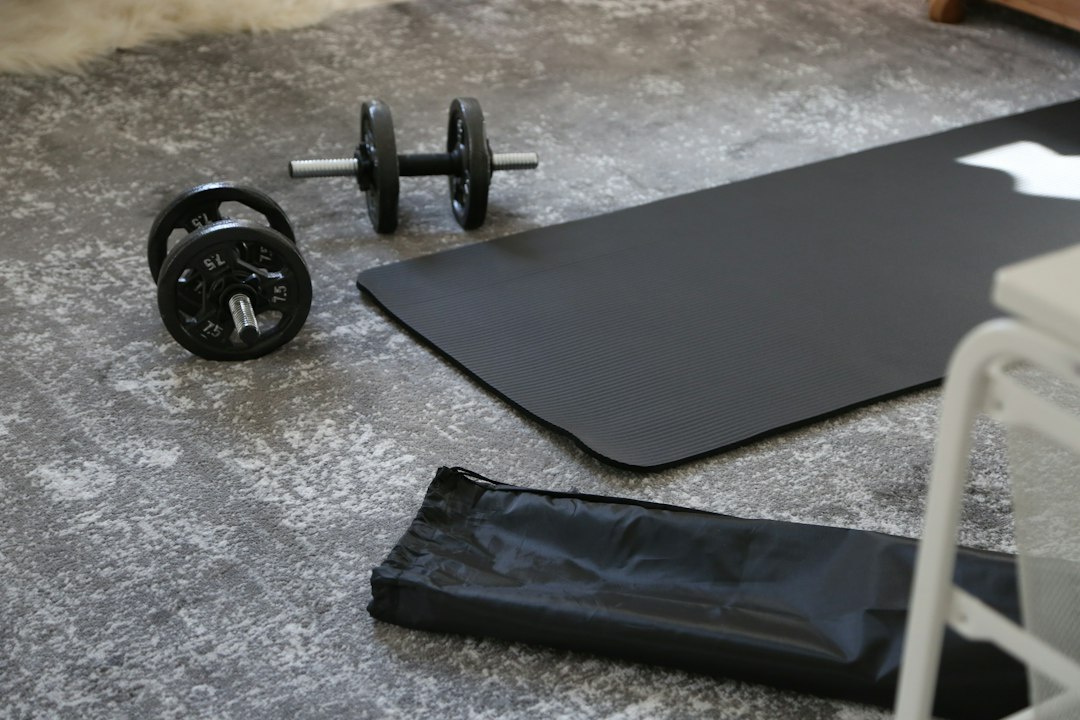
A home setup handles general fitness well. Bodyweight work, bands, dumbbells, and a kettlebell cover strength, mobility, and cardio for most beginners and intermediate trainers. Yoga and Pilates work especially well at home since they need little more than a mat. The CDC’s adult physical activity guidelines recommend muscle-strengthening activities on at least 2 days a week alongside aerobic work. Both can be done in a small room.
Where home training runs out of road is heavy loading. Once you can do 20 clean push-ups and a set of goblet squats feels easy, progress slows without heavier weights or a barbell. Adjustable dumbbells up to 40 kg per hand help. A power rack with a barbell costs $800 to $1,500 and needs a ceiling height and floor space most condos lack.
What a Gym Adds
A gym fills those gaps. You get barbells, cable machines, leg presses, and cardio equipment that would cost thousands at home. You also get variety. Group classes, from spin to boxing to Pilates, give you structured programming without you designing it. Many Whyte Avenue and 124 Street studios run classes at 6 am and 5:30 pm, which fit around a work schedule.
Trainers matter too. A good trainer corrects form in ways a video cannot. Expect roughly $70 to $120 per session in Edmonton. Even three or four sessions at the start can set you up for months of safer training at home or elsewhere.
Injury Risk and Safety
This is the biggest honest weakness of home training. Nobody spots your bench press. Nobody notices that your knees cave in on every squat. Most injuries in unsupervised home workouts come from poor form, overreach, and skipping warm-ups. Cold garages make it worse. Warm up for 5 to 10 minutes before lifting in a cold space.
If you have a joint issue, are returning from injury, or are over 50 and new to strength training, book a few sessions with a qualified trainer or physiotherapist first. Then take what you learn home. Winner on results ceiling: gym. Winner on beginner convenience: home.
Social Pull, Mood, and Mental Health
Exercise is not only about muscle. For many Edmontonians, it is the main social and mood anchor of a dark winter.
Community and Accountability
Gyms and studios create regulars. You see the same faces at the 6 am class. Instructors notice when you stop showing up. That quiet social pressure is worth a lot in February. Yoga studios and run clubs in Old Strathcona and Downtown build real communities. Many people who stay consistent for years credit the people, not the equipment.
Home routines can build community too, but you have to do it on purpose. Pair up with a friend on a video call. Join an online challenge. Meet a neighbour for a Saturday walk. Without a plan, home training can drift into isolation.
Mood and Seasonal Dips
Winter in Edmonton means long nights and short days. If your mood drops from November to March, daily movement helps, and so does daylight. A home routine placed next to a south-facing window gets you some natural light. A gym session after work means you leave in the dark. If you can, schedule one outdoor walk at midday along a cleared stretch of the river valley or around the University of Alberta campus. Even 15 minutes counts. If your low mood is heavy or lasting, talk to a doctor. Exercise helps but it is not a replacement for care.
Small Wins That Keep You Going
Home gives you privacy. That matters for people who feel self-conscious in a busy weight room. It also lets you try new things without an audience. Plenty of people start at home to build confidence, then move to a gym once they know what they are doing. That is a legitimate path, not a failure. Winner on social and mood support: gym, with home a solid choice for people who prefer privacy.
Verdict: Which Routine Fits You?
The honest answer is that your life decides this, not a ranking. Here are the use-case calls.
Best for Budget: At Home
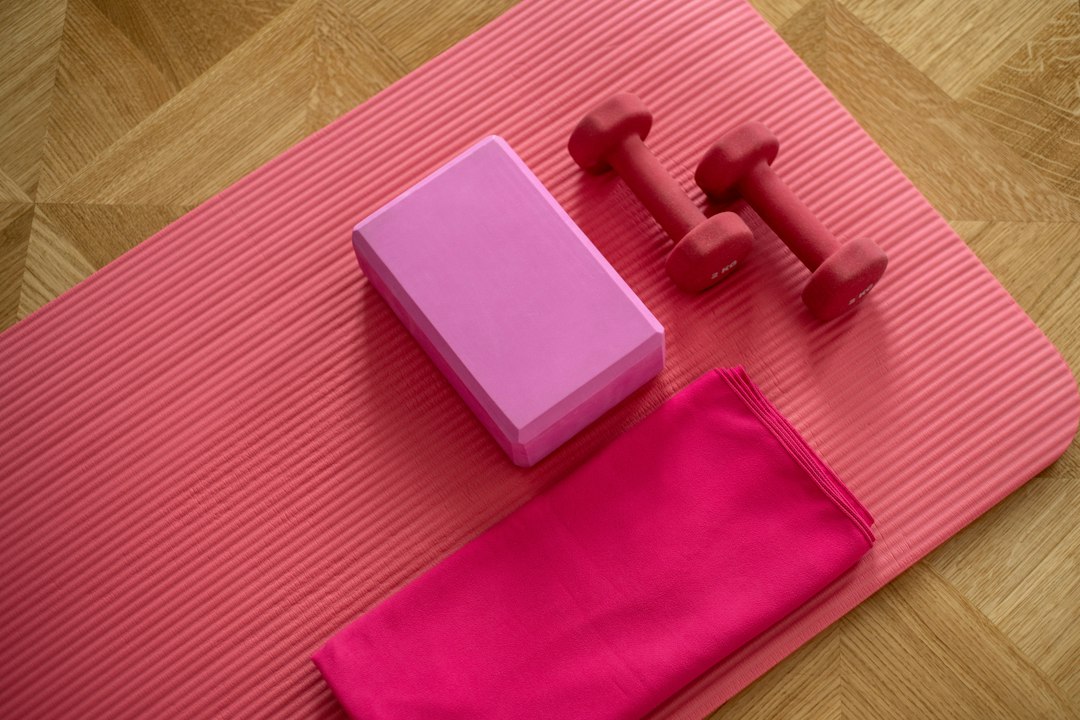
If money is tight, start at home. A $100 to $250 starter kit plus free online workouts covers the first year. Add a drop-in rec centre visit once a month if you want a pool or track fix. Skip long gym contracts until you’ve shown yourself three consecutive months of consistency.
Best for Winter Consistency: Hybrid
Most Edmontonians do best with a two-part plan. Keep a 20 minute home routine for storm days, smoke days, and tired days. Pair it with a rec centre or gym pass for two or three sessions a week in the months when you have energy. This is the same logic behind How To Prevent Seasonal Wellness Routine Breakdowns In Edmonton. Build a backup plan before the season turns.
Best for Strength and Skill Progress: Gym
If you want to lift heavy, swim laps, or learn new skills, a gym wins. The equipment and coaching give you a higher ceiling. Pick a location on your commute route with easy parking or LRT access. Sherwood Park residents should check for a facility near their daily drive rather than one across the Anthony Henday.
Best for Beginners Starting in January
Start at home with three short sessions a week and a clear checklist. The Beginner Wellness Routine Checklist For January In Edmonton lays out the first month. After 6 to 8 weeks, reassess. If you are still showing up, you’ve earned the right to add a gym. If not, book a class or trainer for external structure. For more local options, browse the Edmonton Wellness Guide for studios, spas, and fitness spots by neighborhood.
Related Articles
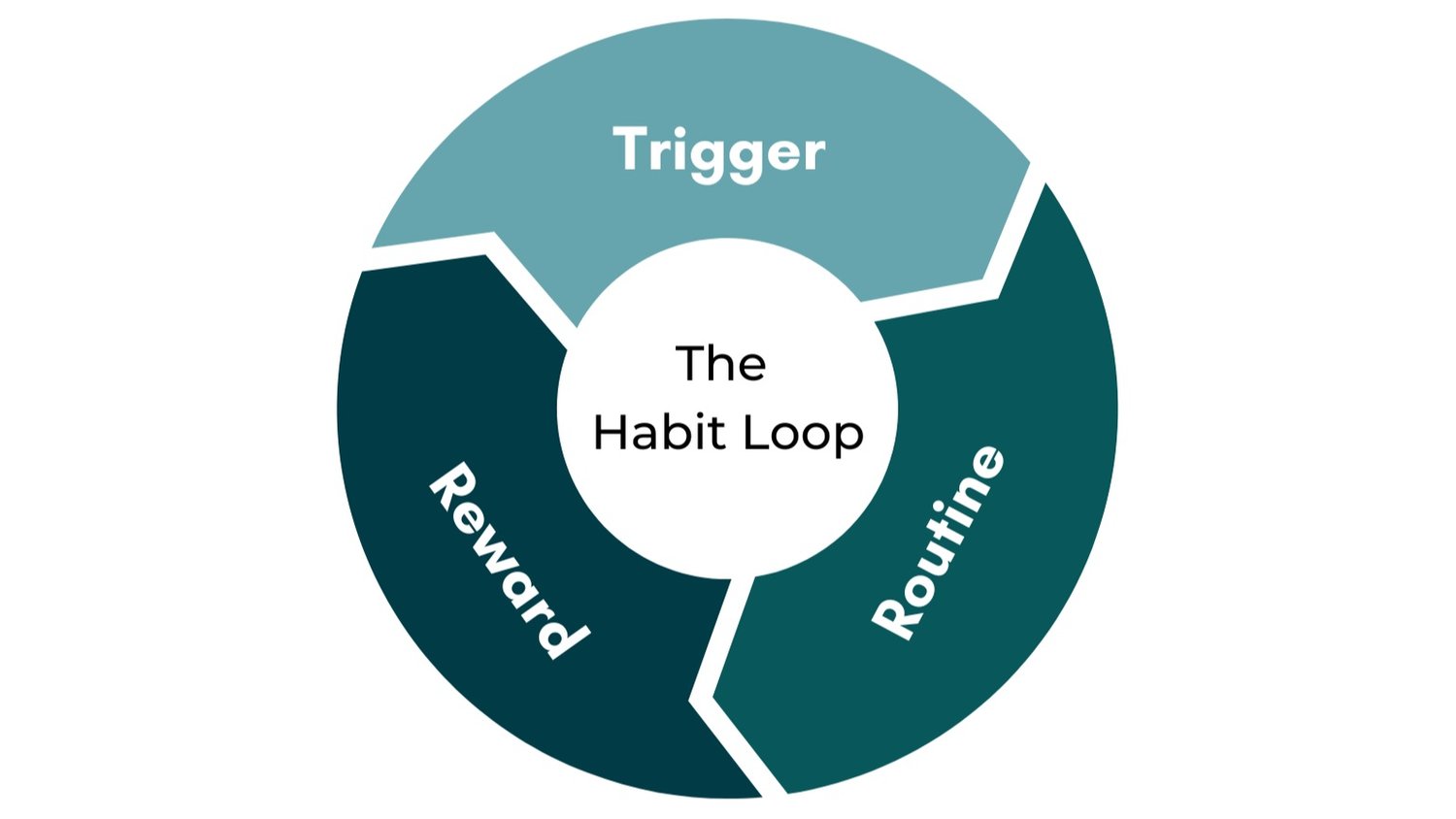
- What Is a Sustainable Habit Loop and How Does It Work: Building Wellness Routines That Stick in Edmonton
- How to Start Yoga at Home in Edmonton: A Winter-Friendly Guide
Sources & References
Find Trusted Wellness Spots in Edmonton
Browse our independent guide to Edmonton’s spas, fitness studios, and wellness services. Local. Honest. Free.
Frequently Asked Questions
Is working out at home as effective as going to a gym?
For general fitness, yes. Bodyweight work, bands, and dumbbells can meet the muscle-strengthening and aerobic targets in the CDC and Canadian guidelines. A gym only pulls ahead when you need heavy loads, a pool, or in-person coaching.
What is the cheapest way to start a wellness routine in Edmonton?
Start with a mat, a set of resistance bands, and free online workouts for under $75 total. Add occasional drop-in visits at a City of Edmonton recreation centre when you want a pool or track. Avoid annual contracts until you’ve trained consistently for three months.
How do I stay active in Edmonton during winter and smoke season?
Keep a 20 minute indoor routine ready for days when the weather or air quality is bad. A HEPA filter in your workout space helps during smoke season. On good winter days, use a rec centre track or pool or take a midday walk in the river valley.
Should I get a gym membership or buy home equipment first?
Buy a small home kit first. It costs less and tests whether you will stick with training. If you are still consistent after 8 weeks and want more equipment or classes, add a gym membership with a short term or monthly billing.
Can I combine a home and gym routine?
Yes, and it works well in Edmonton. Use the gym two or three days a week for strength or classes, and keep short home workouts for the days you can’t get out. Having both options protects your routine from the weather.