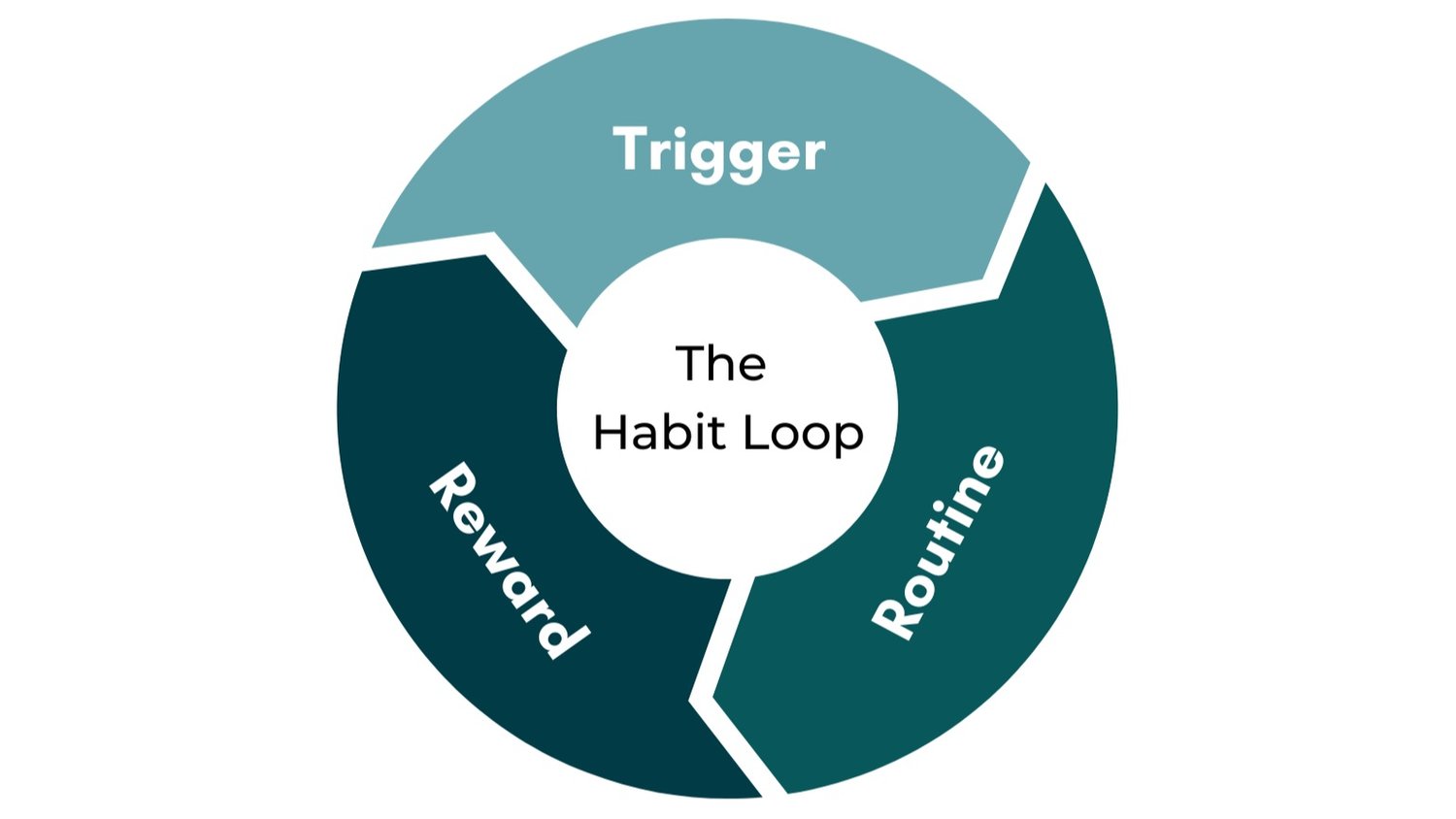
The best hydration habits for daily wellness routine success are simple: know your target, drink on a schedule, adjust for Edmonton’s dry air and weather, and track it for two weeks until it runs on autopilot. This guide walks through each step in order. By the end, you will have a daily water plan with specific amounts and times, a seasonal adjustment system for -30°C winters and hot summer days, and a way to tell whether it is working. It is October, the furnaces are kicking on, and indoor humidity is about to drop. It is the right time to sort this out.
Last reviewed:
Step 1: Set Your Daily Hydration Target
Hydration advice online is full of round numbers that nobody can verify. Start with real guidance, then adjust for your life. A target you can defend beats a target you copied from a bottle label.
What the Health Sources Actually Say
The Mayo Clinic’s water intake guidance cites the National Academies figure of about 3.7 litres of total fluid a day for men and about 2.7 litres for women. That is total fluid, and it includes water from food and other drinks. Plain water does not have to cover all of it.
How To Track Wellness Habits That Actually Stick covers this in more detail.
For Canadians, Canada’s Food Guide recommends making water your drink of choice. It does not set a single number. That is useful. It tells you the habit matters more than hitting a magic figure.
A practical starting point for most adults is 6 to 8 glasses of 250 mL, which is 1.5 to 2 litres of actual drinks, plus the fluid in meals, soup, tea, and coffee. Treat that as a floor, not a ceiling.
Why Do Wellness Habits Fail And How To Prevent It covers this in more detail.
Adjust for Your Body and Your Day
Your target moves. Use this quick list to nudge it up or down:
How To Build A Morning Wellness Routine For Beginners covers this in more detail.
- Body size. A larger person generally needs more fluid than a smaller person.
- Activity. Add 500 to 750 mL for a 45-minute workout, more if you sweat heavily.
- Caffeine and alcohol. Both can increase urine output. One or two coffees are fine. A night out means extra water the next day.
- Illness. Fever, vomiting, or diarrhea raise your needs fast. Check Alberta Health Services or call Health Link at 811 if you cannot keep fluids down.
- Pregnancy and breastfeeding. Needs go up. Ask your doctor or midwife for a number.
Use Your Own Signals as a Check
Numbers are a starting point. Your body gives better feedback. The Mayo Clinic’s dehydration symptoms page lists dark urine, dry mouth, fatigue, and headache among the common signs. Pale yellow urine, like light lemonade, usually means you are on track. Dark amber means drink more. Totally clear all day can mean you are overdoing it.
Beginner Wellness Routine Checklist For January In Edmonton covers this in more detail.
Thirst is a late signal. By the time your mouth feels dry, you are already behind. That is why a schedule beats waiting for thirst.
Step 2: Anchor Water to Your Morning
Most people wake up a little behind on fluids after seven or eight hours without a drink. A morning glass costs nothing and takes two minutes. It is also the easiest habit to attach to something you already do.
The First Glass Rule
Drink one 300 to 500 mL glass of water within 30 minutes of waking, before coffee. Do not overthink the temperature. Room temperature works. Warm water with lemon is fine if you like it, but it adds nothing special.
In winter, a mug of hot water feels better than a cold glass when the house is at 17°C overnight. The goal is volume, not ritual. If the warm version gets you to actually drink it in January, use that one.
Stack It on an Existing Habit
Habit stacking means attaching a new action to one you already do without thinking. Pick one of these and commit to it for 14 days:
- Fill a glass while the kettle boils, and drink it while you wait.
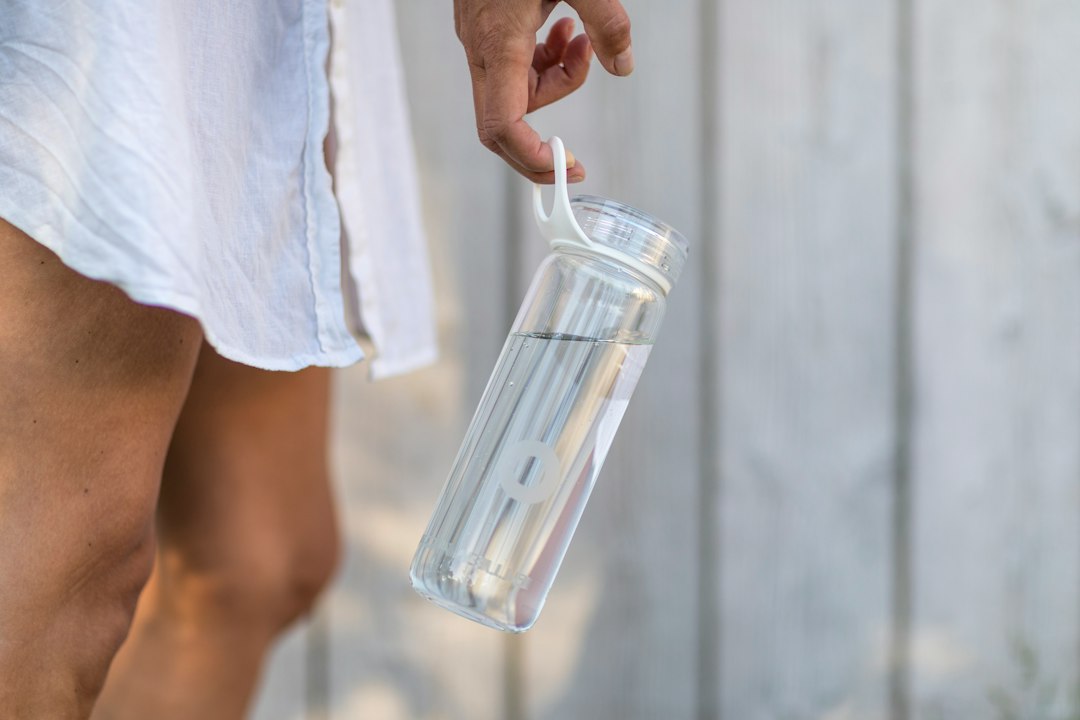
- Put a full bottle next to your keys or transit pass so you pick it up on the way out.
- Drink a glass right after brushing your teeth.
- Leave a filled glass on the bedside table the night before.
If you are building a whole morning around this, How To Build A Morning Wellness Routine For Beginners shows where water fits alongside movement, light, and breakfast without making your mornings longer.
Choose a Bottle You Will Actually Carry
The container matters more than people admit. A good one gets used daily. A bad one lives in a cupboard.
- Insulated steel, 750 mL to 1 litre. Expect to pay roughly $25 to $45. It keeps water from freezing for a long walk to the bus stop in a normal Edmonton cold snap, though not forever at -30°C. Carry it inside your coat or bag.
- Glass or BPA-free plastic, 600 to 750 mL. Roughly $10 to $25. Fine for desk use and the gym.
- Markings on the side. A bottle with time markers is a cheap tracking tool.
Pick one size and know its volume. A 750 mL bottle refilled three times is 2.25 litres. That is easy math you will not have to redo.
Step 3: Spread Intake Across the Day
Drinking two litres in a single afternoon does not work the same as spreading it out. Large gulps mostly pass through. Steady sipping keeps you more consistently hydrated and is easier on your bladder schedule.
A Simple Daily Schedule
Use this as a template. Shift the times to match your shift, school day, or commute.
| Time Block | Target | Cue |
|---|---|---|
| On waking | 300 to 500 mL | Before coffee |
| Mid-morning | 250 to 500 mL | Start of your first meeting or class |
| With lunch | 250 to 500 mL | One glass before eating |
| Mid-afternoon | 500 mL | When your energy dips |
| Before or after exercise | 250 to 750 mL | Workout bag packed with a bottle |
| With dinner | 250 to 500 mL | Glass on the table |
| Evening | Small sips only | Stop 1 to 2 hours before bed |
Add it up and you land around 2 to 3 litres, depending on how many ranges you hit. That is where most adults feel good. Stop the heavy drinking in the evening unless you enjoy getting up at 2 a.m.
Make It Work on a Commute and at a Desk
Edmonton commutes add friction. If you ride the LRT or an ETS bus downtown or toward the University of Alberta, you cannot always stop for a drink. Plan around that.
- Drink a full glass before you leave, then another when you arrive.
- Keep a second bottle at your desk or locker so you are not carrying one both ways.
- If you drive to work in Windermere or Sherwood Park, keep a bottle in the cup holder. Cold cars can freeze plastic bottles overnight, so bring it inside.
- Set a phone timer for every 90 minutes during a workday. Take five sips each time it goes off.
Working at West Edmonton Mall or on a retail floor? Keep a bottle in the staff room and drink on every break. You will not get a chance otherwise.
Count the Fluids That Are Not Water
Not everything has to be plain water. Tea, milk, soup, and sparkling water all count toward total fluid. Many fruits and vegetables, like cucumbers, oranges, and melons, are mostly water too.
Here is where it gets practical. In an Edmonton winter, a bowl of soup or a mug of herbal tea does more for your hydration than a cold glass you do not want. Sugary drinks and energy drinks are a different story. They add sugar and calories without much benefit, so keep them to a minimum.
Step 4: Adjust for Edmonton’s Seasons
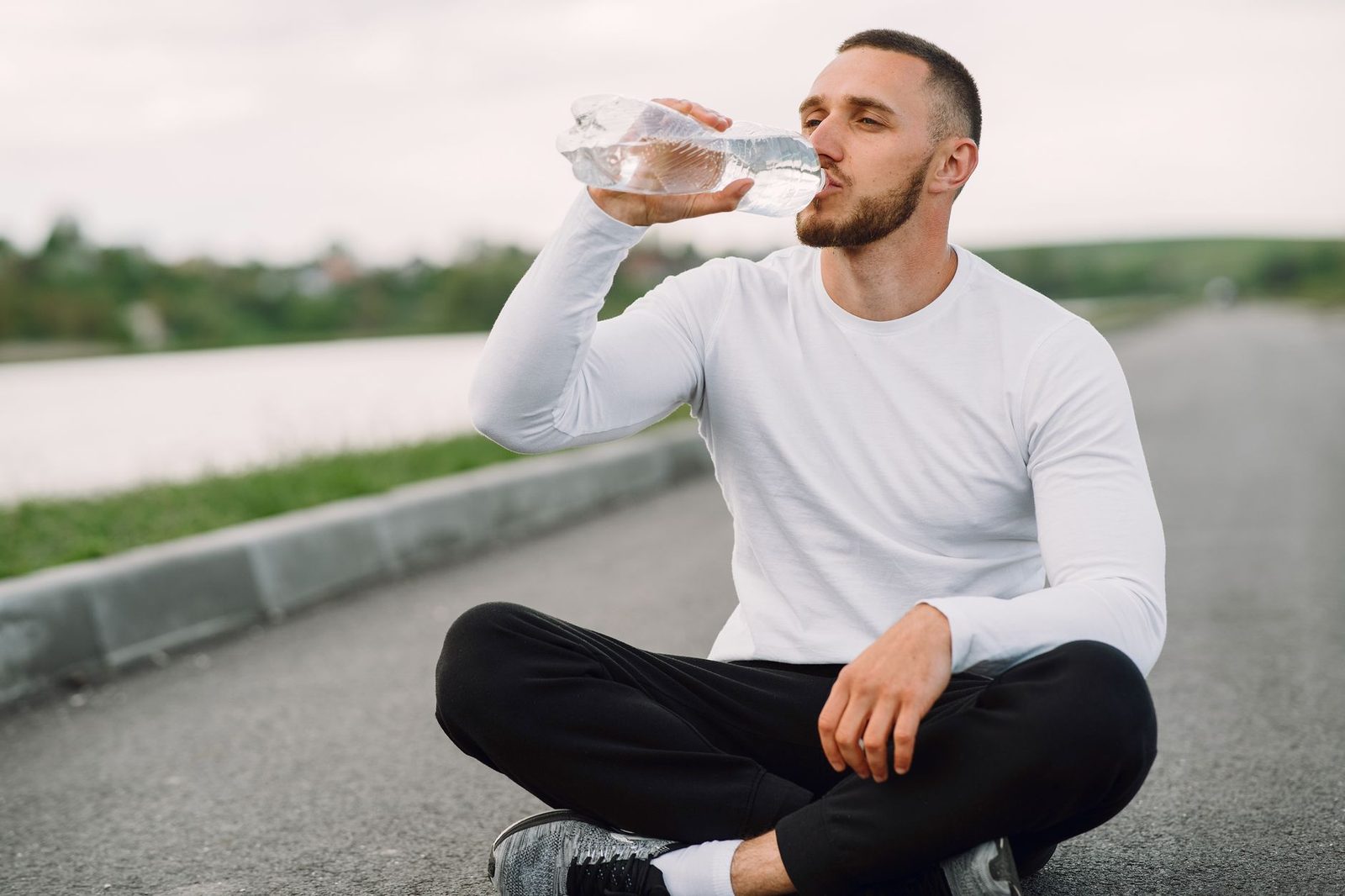
Edmonton asks more of your hydration habits than most Canadian cities. Cold, dry winters and hot, dry summers both pull water out of you. A single static plan will fail at some point in the year.
Winter: Dry Air and the Thirst Gap
When it is -25°C outside, you do not feel thirsty. You feel bundled up. Meanwhile, indoor heating drops humidity, and the dry air pulls moisture from your skin, lips, and airways. People often notice chapped lips, dry nostrils, and static shocks at the same time as a mild headache by late afternoon.
Winter fixes that work:
- Switch to warm drinks for at least half of your fluid. Herbal tea, broth, and hot water all count.
- Run a humidifier in the bedroom, aiming for the 30 to 50 percent range you can check with a $15 hygrometer.
- Keep a bottle on your desk even though you do not feel thirsty. Visible water prompts drinking.
- Drink a glass after you come in from shoveling or a long cold walk. Winter sweat under layers is real.
Winter is also when routines fall apart. How To Prevent Seasonal Wellness Routine Breakdowns In Edmonton covers the pattern in more detail. If you are starting fresh after the holidays, the Beginner Wellness Routine Checklist For January In Edmonton gives you a short list to follow, and water belongs on it.
Summer: Heat, Long Days, and Smoke
June and July bring daylight past 10 p.m. and temperatures that can push past 30°C. You sweat more, and you are outside longer. A Folk Fest weekend in Gallagher Park or a full day on the river valley trails can run you through two or three bottles.
- Carry at least 1 litre for any outing over an hour.
- Add a pinch of salt or an electrolyte tablet if you are sweating for more than an hour.
- Freeze half a bottle overnight, then top it up in the morning. It stays cold for hours.
- Drink before you start. Starting a hot day already behind is hard to fix.
When wildfire smoke rolls in, which has happened in recent Alberta summers, move your workouts indoors and keep drinking. Smoke irritates your throat and airways, and a sip of water helps. Check the Air Quality Health Index on the Government of Canada’s AQHI page before heading out.
Fall and Spring: Easy Months to Slack
Moderate weather is when most people forget. It is 8°C, you are not sweating, and nothing reminds you to drink. October through early November is the right time to set the winter system up before it gets cold. Fill your bottle, set your timers, buy the humidifier, and get the routine locked in before the first real cold snap.
Step 5: Hydrate Around Exercise
Exercise raises your fluid needs, and Edmonton gives you plenty of ways to move. Running the river valley, a class on Whyte Avenue, or a lap at a recreation centre all call for slightly different plans.
Before You Move
Aim for 400 to 600 mL in the two hours before exercise, then another 150 to 250 mL right before you start. That gives your body time to use the water and clear the excess.
For early workouts, keep it lighter. A single glass on waking, a small snack, and a few sips on the way is enough for most easy sessions.
During a Workout
For sessions under an hour, water is fine. Sip 150 to 250 mL every 15 to 20 minutes. For longer sessions, like a 15 km run on the Mill Creek ravine trails or a long Saturday ride, add electrolytes and some carbohydrates.
- Under 60 minutes: water only.
- 60 to 90 minutes: water plus an electrolyte drink, typically $1 to $2 per serving.
- Over 90 minutes, or very hot: electrolytes, carbohydrates, and a plan for refills along the route.
Most recreation centres and trailhead facilities in the city have water fountains, and the City of Edmonton lists river valley park amenities if you want to plan refill stops. Check seasonal availability. Many outdoor fountains are shut off in winter.
After Exercise and in Cold Weather
One easy check works well: weigh yourself before and after a hard workout. For every kilogram lost, drink roughly 1.2 to 1.5 litres over the next few hours. Most people do not need this level of precision, but it is a good one-off test to see how much you sweat.
Cold-weather workouts fool you. You sweat under layers, but the cold air hides it. Skiing at Hawrelak Park or snowshoeing in the valley still drains your fluids. Bring a bottle inside your jacket so it does not freeze, and drink on schedule even when you do not feel hot.
Step 6: Track It and Make It Stick
A plan only works if you follow it. Hydration is a good habit to build because it is small, measurable, and forgiving. Miss a day and nothing breaks.
A Two-Week Tracking Method
Do not track forever. Track for 14 days, then check if the habit holds.
- Day 1 to 3: Note how much you drink without changing anything. This is your baseline.
- Day 4 to 7: Add the morning glass and one midday bottle.
- Day 8 to 14: Follow the full schedule. Tick a box each time you finish a bottle.
- Day 15: Review. Are you hitting your target 5 days out of 7? If so, drop the tracking.
A sticky note on the fridge works. So does the notes app on your phone. A habit tracker is fine too. How To Track Wellness Habits That Actually Stick compares paper and app options and explains which approach lasts.
Why Hydration Plans Fail
The usual causes are predictable:
- No cue. You meant to drink but nothing prompted you.
- Bad bottle. It leaks, it is too heavy, or it does not fit your bag.
- Too ambitious. A 4-litre goal on day one burns people out by day four.
- Dull water. Add citrus, cucumber, mint, or a splash of juice if plain water bores you.
- Bathroom friction. Some offices and job sites make it hard to step away. Plan your drinks around your breaks.
If the habit keeps slipping, read Why Do Wellness Habits Fail And How To Prevent It. The fixes there apply directly to water.
A Quick Reference Checklist
Print this or screenshot it:
- One glass of water within 30 minutes of waking
- Bottle filled and packed before you leave home
- Water at every meal
- Mid-afternoon bottle finished by 3 p.m.
- Extra fluids on workout days
- Stop heavy drinking 1 to 2 hours before bed
- Urine pale yellow most of the day
- Humidifier on during heating season
If you hit six of eight on most days, the habit is working. If you are stuck at three, go back to Step 2 and simplify. For other local wellness resources, browse the guides at Edmonton Wellness Guide.
Related Articles
- What Is a Sustainable Habit Loop and How Does It Work: Building Wellness Routines That Stick in Edmonton
- How to Start Yoga at Home in Edmonton: A Winter-Friendly Guide
Sources & References
Find Trusted Wellness Spots in Edmonton
Browse our independent guide to Edmonton’s spas, fitness studios, and wellness services. Local. Honest. Free.
Frequently Asked Questions
How much water should I drink a day in Edmonton?
Most adults do well with 1.5 to 2 litres of plain water, plus fluids from food and other drinks, which gets them near the 2.7 to 3.7 litres of total fluid cited by Mayo Clinic. Add 500 to 750 mL on workout days. In winter, count tea and soup too, since dry indoor heat raises your needs even when you do not feel thirsty.
Does coffee count toward my daily fluids?
Yes, in normal amounts. A couple of cups of coffee still adds net fluid for most people. Drink your morning glass of water first, then have the coffee, and keep sugary add-ins in check.
Can I drink too much water?
Yes, though it is uncommon. Drinking several litres in a short time, especially during long endurance events, can dilute blood sodium. Spread your intake through the day and add electrolytes for sessions over 90 minutes.
How do I keep my water from freezing in winter?
Use an insulated steel bottle and carry it inside your coat or bag instead of in an outside pocket. Fill it with warm tap water in the morning. Never leave a bottle in a parked car overnight in January.
What is the easiest way to start if I always forget?
Start with one habit only. Put a full glass of water on the counter before bed and drink it as soon as you get up. Do that for 14 days, then add a second cue at lunch.