What an Active Rest Day Actually Is
A wellness recovery routine for active rest days is a planned, low-effort block of movement, food, sleep, and heat or cold exposure that you use between harder training sessions. It is not a day on the couch and it is not a second workout. By the end of this guide, you will know what to do on a rest day, how long to spend on it, what it costs in Edmonton, and how to adjust it for -30°C mornings, smoke season, and the short days that start right about now.
Last reviewed:
Active Rest Versus Passive Rest
Active rest means light movement at roughly 40 to 60 percent of your normal effort. You should be able to hold a full conversation the whole time. Passive rest means no planned movement at all. Both have a place. Active rest suits most regular exercisers. Passive rest suits you after illness, a poor week of sleep, or a race.
The CDC’s adult physical activity guidelines recommend at least 150 minutes of moderate activity per week plus muscle-strengthening work on 2 or more days. Nothing in that guidance asks for seven hard days. The gaps between hard sessions are where your body does the repair work.
What Is Happening in Your Body on a Rest Day
Hard training creates small amounts of muscle damage and uses up stored glycogen. Recovery rebuilds both. Light movement keeps blood flowing to tired tissue without adding more damage. That is the whole logic. If your rest day leaves you more tired tomorrow, it was too hard.
A simple test works well. Rate your effort from 1 to 10. Active rest sits at a 3 or 4. If you are breathing hard on an uphill stretch of the Mill Creek Ravine trail, slow down or turn around.
Who Needs This Most
- Runners logging 3 or more runs a week, especially those building toward spring races.
- Lifters on a 3 or 4 day split who feel stiff by day two.
- Hockey, curling, and rec league players who play late evenings and get up for work at 6:30.
- Shift workers and parents who have no spare energy for a second session anyway.
- Anyone returning from a break who is tempted to train every day for two weeks and then quit.
If your routine keeps falling apart, the issue is usually structure, not motivation. The guide on why wellness habits fail and how to prevent it covers that in detail. Rest days are one of the most common places the structure breaks.
Building the Routine: The Five Parts
A good rest day routine has five parts. You do not need all five every week. Pick three and rotate. Total time is 45 to 90 minutes spread across the day.
The Five Parts at a Glance
| Part | What it is | Time | Cost in Edmonton |
|---|---|---|---|
| Easy movement | Walk, easy bike, gentle swim | 20 to 45 min | Free to about $10 drop-in |
| Mobility | Joint circles, hip and thoracic work, light yoga | 10 to 20 min | Free at home, about $15 to $25 for a drop-in class |
| Soft-tissue work | Foam rolling, ball work, massage | 5 to 15 min, or 60 min for a session | Roller about $30 once, massage often $100 to $140 per hour |
| Heat or cold | Sauna, steam, hot bath, cool shower | 10 to 25 min | Free at home, rec centre admission or spa fee otherwise |
| Fuel and sleep | Protein, carbs, water, early bedtime | All day | Groceries you already buy |
Prices are approximate and change. Confirm with the facility before you go.
Pick Your Three
Start with easy movement, mobility, and fuel and sleep. Those cost almost nothing and carry most of the benefit. Add heat on days when you feel particularly stiff or cold. Add massage once a month or after a big block of training.
Resist the urge to stack all five on one day. A rest day with five appointments is just another full schedule. The point is lower demand, not a new to-do list.
Keep It Boring on Purpose
The routine works because it repeats. Use the same 15-minute mobility sequence each time. Walk the same loop. You will stop spending willpower on decisions. For ideas on setting up a repeatable start to the day, the guide on how to build a morning wellness routine for beginners pairs well with this one.
Easy Movement: Where to Do It in Edmonton
Easy movement is the backbone of active rest. The aim is 20 to 45 minutes at a pace where you could sing, or at least talk without gasping. Edmonton makes this easy in some months and harder in others.
River Valley Walks
The City of Edmonton’s parks and recreation pages list the river valley trail network, one of the longest urban park systems in North America. For a rest day, pick flat, paved sections. Good options include the paved paths near Hawrelak Park, the Kinsmen area on the south side, and the stretches below Rossdale. You can park at most trailheads for free or low cost, and many are a short walk from a bus stop.
- Flat and short (20 to 30 min): a lap around Hawrelak Park’s pond.
- Flat and longer (40 to 60 min): the river valley path between Rossdale and Kinsmen.
- Quiet and soft underfoot: Whitemud Creek and Mill Creek Ravine, though avoid steep climbs on a rest day.
- Sherwood Park option: the paths around Broadmoor Lake Park for a calm loop with easy parking.
October is a good month for this. The trails are dry most days, the leaves are mostly down, and the temperature is cool enough that you will not overheat. Check conditions after the first snowfall, since packed snow turns a gentle walk into a balance workout.
Indoor Options for Winter and Smoke Days
From about December through March, a -25°C morning makes outdoor walks a hard sell. Smoke season in July and August does the same job from the other direction. Have an indoor default ready.
- City recreation centres such as Commonwealth, Terwillegar, and Kinsmen Sports Centre offer lane swimming, walking tracks, and drop-in rates. Adult drop-in admission is typically in the $8 to $12 range. Multi-visit passes cut the cost.
- West Edmonton Mall has a long, flat, heated loop. Park by an entrance on a weekday morning and walk for 30 minutes before stores open.
- University of Alberta campus has the pedway and building connections for a sheltered walk, with LRT access at University Station.
- Stationary bike at easy resistance for 20 to 30 minutes if you already have a gym membership.
Check Alberta Health Services air quality advisories before any outdoor session in smoke season. On a bad air day, go indoors, even if the walk is short.
Easy Swimming
A slow swim is one of the best rest day options because water takes load off joints. Aim for 15 to 30 minutes of easy laps or just walking in the shallow end. Most city pools post lane swim times online. Go midday, when lanes are quiet. Pool decks are warm, which also helps if you arrive stiff.
Mobility and Soft-Tissue Work
Mobility work should feel like gentle stretching with purpose. You are not trying to force a new range of motion. You are restoring what the week of training shortened.
A 15-Minute Home Sequence
Do this on a mat or carpet. Move slowly. Breathe through your nose if you can.
- Cat-cow: 10 slow reps, about 1 minute.
- Hip circles on all fours: 8 each direction per leg, about 2 minutes.
- World’s greatest stretch (lunge with rotation): 5 per side, about 3 minutes.
- Thoracic rotations (open book): 8 per side, about 2 minutes.
- Hamstring floss with a strap or towel: 10 per leg, about 2 minutes.
- Calf and ankle circles against a wall: 30 seconds per side, about 2 minutes.
- Legs up the wall: 3 minutes to finish.
If you sit at a desk downtown most of the day, spend extra time on hip flexors and the upper back. Those are the usual trouble spots.
Foam Rolling Without Overdoing It
A foam roller costs about $25 to $40 at most sporting goods stores. Roll each major muscle group for 30 to 60 seconds. Pause on tender spots for about 20 seconds, then move on. Pain should be a 4 out of 10 at most. Rolling hard enough to bruise adds stress, not recovery.
Skip direct rolling over the lower back, the front of the shin, and any joint. Roll quads, glutes, calves, and the upper back instead.
Yoga and Massage as Add-Ons
A gentle or restorative yoga class is a strong rest day fit. Studios in Old Strathcona, along 124 Street, and in Oliver run these classes through the week, usually in the $15 to $25 drop-in range, with intro packages often cheaper. Pick classes labelled gentle, yin, or restorative. Avoid power and hot flow on a rest day.
Massage is a nice monthly or post-event option, not a weekly requirement. A 60-minute registered massage therapy session in Edmonton commonly runs $100 to $140 before benefits coverage. Check your extended health plan first. Many Alberta workplace plans cover some sessions each year. Book a clinic near an LRT line or one with free parking, so the trip does not add stress.
Heat, Cold, and Contrast Therapy
Heat feels good in an Edmonton winter, and it can support recovery. The evidence is mixed in places, so keep your expectations modest. Think of heat and cold as comfort tools that may help you relax and sleep, not as magic.
Sauna, Steam, and Hot Baths
Many city recreation centres have a sauna or steam room included in admission. Check the facility page for which ones do before you go. Private spas and bathhouse-style facilities in the city charge more, often $40 to $90 depending on the service and time.
- Session length: 10 to 20 minutes, with a cool-down break in between.
- Hydration: drink a full glass of water before and after.
- Timing: aim for early evening, at least 1 to 2 hours before bed, so your core temperature can settle.
- At home: a 15 to 20 minute hot bath with 1 to 2 cups of Epsom salt costs under a dollar a night.
Avoid sauna or steam if you are dehydrated, feeling dizzy, pregnant, or managing a heart or blood pressure condition. Mayo Clinic and your own doctor are the right places to check whether heat exposure suits your situation.
Cold Water: Use It Sparingly
A cool or cold shower for 30 to 90 seconds at the end of a regular shower is enough for most people. Cold immersion right after strength training may blunt some of the muscle-building response, so skip it on days when your goal is to gain size or strength. Use cold on days when you are mostly after comfort or when you are managing heat and soreness after a long endurance effort.
Do not go near river water in winter. Edmonton’s North Saskatchewan River is cold, moving, and unpredictable. A cold plunge tub at a licensed facility is a much safer option.
Float Studios and Contrast Options
Float studios in the Oliver and Old Strathcona areas offer 60 to 90 minute sessions that typically run $60 to $90. They suit people who feel wound up after training and find it hard to switch off. They are optional. A walk and a bath will do much of the same job for far less money. Book a first session at an off-peak time and see if you actually like it before buying a package.
Fuel, Hydration, and Sleep
Food and sleep carry most of the recovery load. A nice sauna after a night of five hours of sleep is a poor trade.
What to Eat on a Rest Day
Do not cut calories on rest days. Your body is repairing tissue, and that takes energy. Keep protein steady and carbohydrates moderate.
- Protein: spread across 3 to 4 meals, with a palm-sized serving at each. Eggs, Greek yogurt, lentils, chicken, and fish all work.
- Carbohydrates: oats, rice, potatoes, and fruit. Reduce slightly from a hard training day, but do not drop them.
- Vegetables and fats: half the plate in vegetables, plus olive oil, nuts, or avocado.
- Water: about 2 to 3 litres total, adjusted for body size and how dry your house is. Edmonton winters are dry. Indoor air can sit at 20 to 30 percent humidity, which makes you lose water without noticing.
The Old Strathcona Farmers’ Market runs Saturdays and is a good place to restock on root vegetables, eggs, and local meat. In summer, the 124 Grand Market in the 124 Street area adds more produce. Weekend rest days pair well with a market trip, since the walk counts as your easy movement.
Sleep Is the Main Event
The CDC’s sleep guidance says adults need at least 7 hours of sleep per night. Active people often need more during heavy training weeks. Treat sleep as the one recovery tool that cannot be replaced by anything else on this list.
- Keep a steady schedule. Go to bed and wake up within 30 minutes of the same times, including weekends.
- Keep the room cool. About 17 to 19°C is a common target.
- Manage light. Daylight savings time ends November 1, 2026, and sunset will land near 5 p.m. in Edmonton soon after. Get outside for 15 minutes before noon to anchor your body clock.
- Cut caffeine by early afternoon. Most people need 8 hours or more to clear it.
Short days can drag your mood down as well as your energy. If you notice a seasonal pattern each year, the Health Canada site and your family doctor can point you to support. Light therapy lamps are another common option, so ask your doctor first.
Tracking Without Obsessing
Write down three numbers each morning. Hours slept, a 1 to 5 energy score, and a 1 to 5 soreness score. After two weeks, you will see patterns. The guide on how to track wellness habits that actually stick walks through simple methods that do not turn into a second job.
Weekly Templates and Quick Reference

Use these templates as starting points. Change them to fit your own schedule and training load.
Sample Weekly Layout
| Day | Training | Recovery focus |
|---|---|---|
| Monday | Strength (lower) | Protein at every meal, early bedtime |
| Tuesday | Easy run or bike | 10 minutes of mobility |
| Wednesday | Active rest day | 30 minute walk, 15 minute mobility, sauna or bath |
| Thursday | Strength (upper) | Foam roll before bed |
| Friday | Interval session | Extra water, 8 hours of sleep |
| Saturday | Long easy effort | Market trip, light food prep |
| Sunday | Active rest day | Gentle yoga or swim, plan the week |
Rest Day Menu by Time Available
| Time you have | What to do |
|---|---|
| 15 minutes | Home mobility sequence only |
| 30 minutes | Easy walk plus 5 minutes of foam rolling |
| 60 minutes | Easy swim or walk, mobility, and a hot bath |
| 90 minutes or more | Gentle yoga class, steam or sauna, and a slow meal |
Adjusting by Season
| Season | Default easy movement | Watch for |
|---|---|---|
| Fall (Sept to Nov) | River valley walks | Falling light levels, first ice |
| Winter (Dec to Mar) | Rec centre pool, mall walking, indoor yoga | -30°C days, dry air, low light |
| Spring (Apr to May) | Paved trails, patio-friendly mobility | Melt, mud, pollen |
| Summer (June to Aug) | Early morning or evening walks, Folk Fest weekend wandering | Heat, smoke, long days that delay sleep |
Seasonal drift is the main reason routines collapse. The guide on how to prevent seasonal wellness routine breakdowns in Edmonton covers the planning side. If you are restarting in the new year, the beginner wellness routine checklist for January in Edmonton is a useful companion. For more local resources, browse the Edmonton Wellness Guide homepage.
Common Mistakes and Warning Signs
Most rest day problems fall into a few buckets. Spot them early and fix them quickly.
Five Mistakes That Undo a Rest Day
- Turning it into a workout. A 10 km run labelled as a recovery run is still a run. Cap easy sessions at 45 minutes.
- Skipping food. Eating very little on a rest day slows repair and sets up a binge in the evening.
- Booking too many things. A massage, a class, and a sauna in one afternoon is a full day of logistics.
- Staying up late. A late Netflix night cancels the sleep benefit.
- Ignoring pain. Sharp or one-sided pain is not normal soreness. Rest, and book a physio or doctor if it lasts more than a few days.
Signs You Need More Rest Than Planned
Watch for these over a one to two week window:
- Resting heart rate up by 5 or more beats per minute from your usual
- Poor sleep for 3 or more nights in a row
- Workouts that feel harder at the same effort
- Low mood or irritability that does not lift
- Frequent colds or lingering soreness
If two or more of these show up, swap your next hard session for an easy one. If they persist, speak with your doctor. Persistent fatigue can have medical causes unrelated to training.
When to Get Professional Help
Edmonton has physiotherapists, sport medicine clinics, and registered dietitians across the city, from Windermere to Downtown to Sherwood Park. A physiotherapy assessment typically runs about $90 to $140. Many employer plans cover it. Use a professional when pain is sharp, when you have a recurring injury, or when you cannot tell whether you are under-recovering or just tired from a long winter.
Related Articles
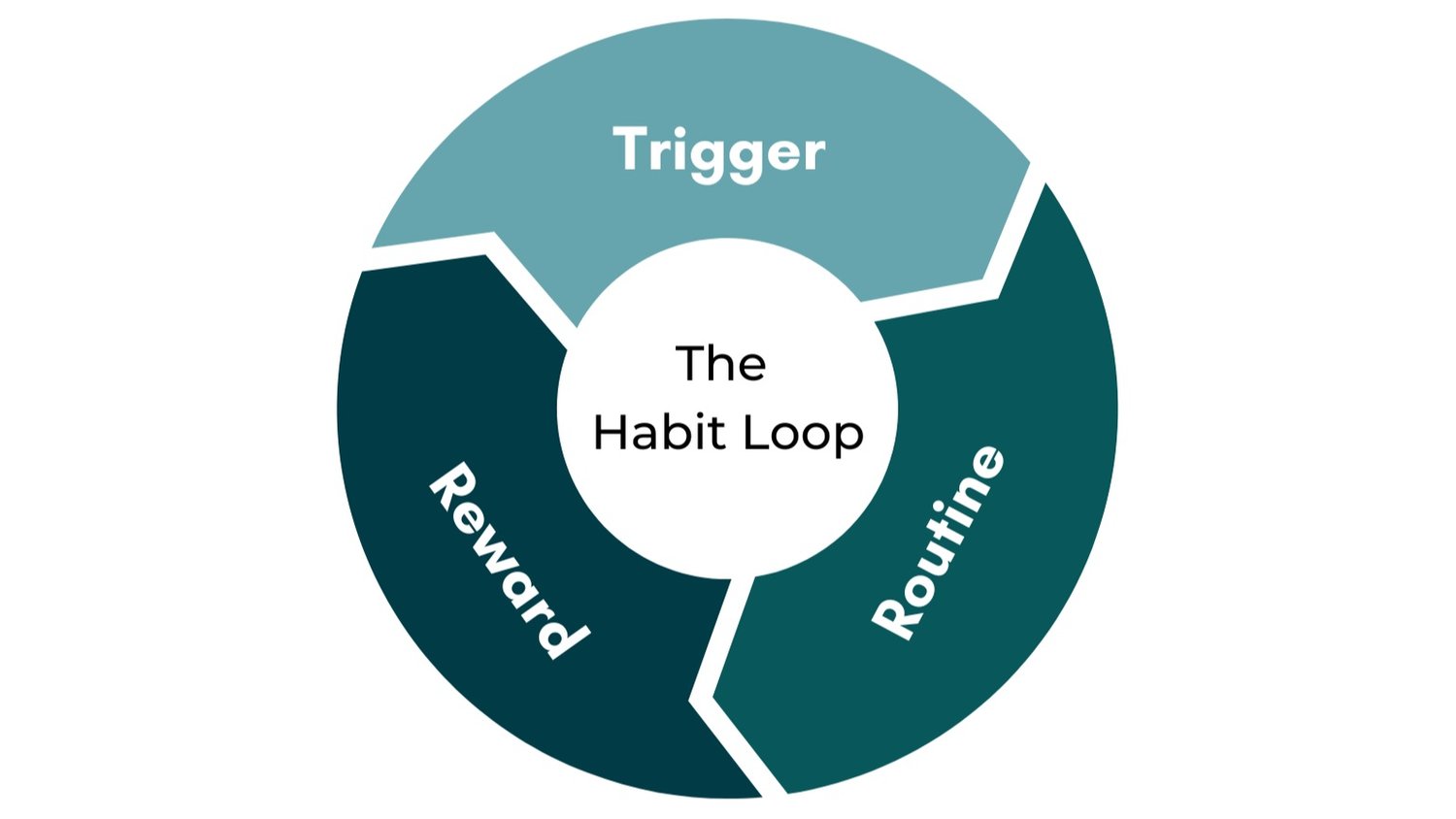
- What Is a Sustainable Habit Loop and How Does It Work: Building Wellness Routines That Stick in Edmonton
- How to Start Yoga at Home in Edmonton: A Winter-Friendly Guide
Sources & References
Find Trusted Wellness Spots in Edmonton
Browse our independent guide to Edmonton’s spas, fitness studios, and wellness services. Local. Honest. Free.
Frequently Asked Questions
How many active rest days do I need per week?
Most regular exercisers do well with 1 to 2 active rest days a week. Beginners and people training hard for a race may want 2 or 3. Start with Wednesday and Sunday and adjust based on how you feel.
Is a walk enough, or do I need to do mobility work too?
A 30 minute walk alone counts as a solid active rest day. Add 10 to 15 minutes of mobility if you feel stiff or sit a lot. A walk through the river valley near Hawrelak Park plus a short stretch at home covers most needs.
What should I do on an active rest day when it is -30°C?
Go indoors. A swim at a city recreation centre, a lap or two of the heated mall at West Edmonton Mall, or a home mobility session all work. If you do go outside, cover exposed skin and cut the walk to 15 or 20 minutes.
Is a sauna or cold plunge necessary for recovery?
No. Sleep, food, and easy movement matter far more. A sauna at a rec centre or a hot bath at home is a cheap, pleasant add-on. Skip cold immersion after strength sessions if muscle growth is your goal.
How do I know if I am resting enough?
Track sleep, energy, and soreness for two weeks. If energy is steady at 3 or higher and workouts feel consistent, your balance is probably fine. If sleep drops or your resting heart rate climbs, add a rest day and keep it easy.