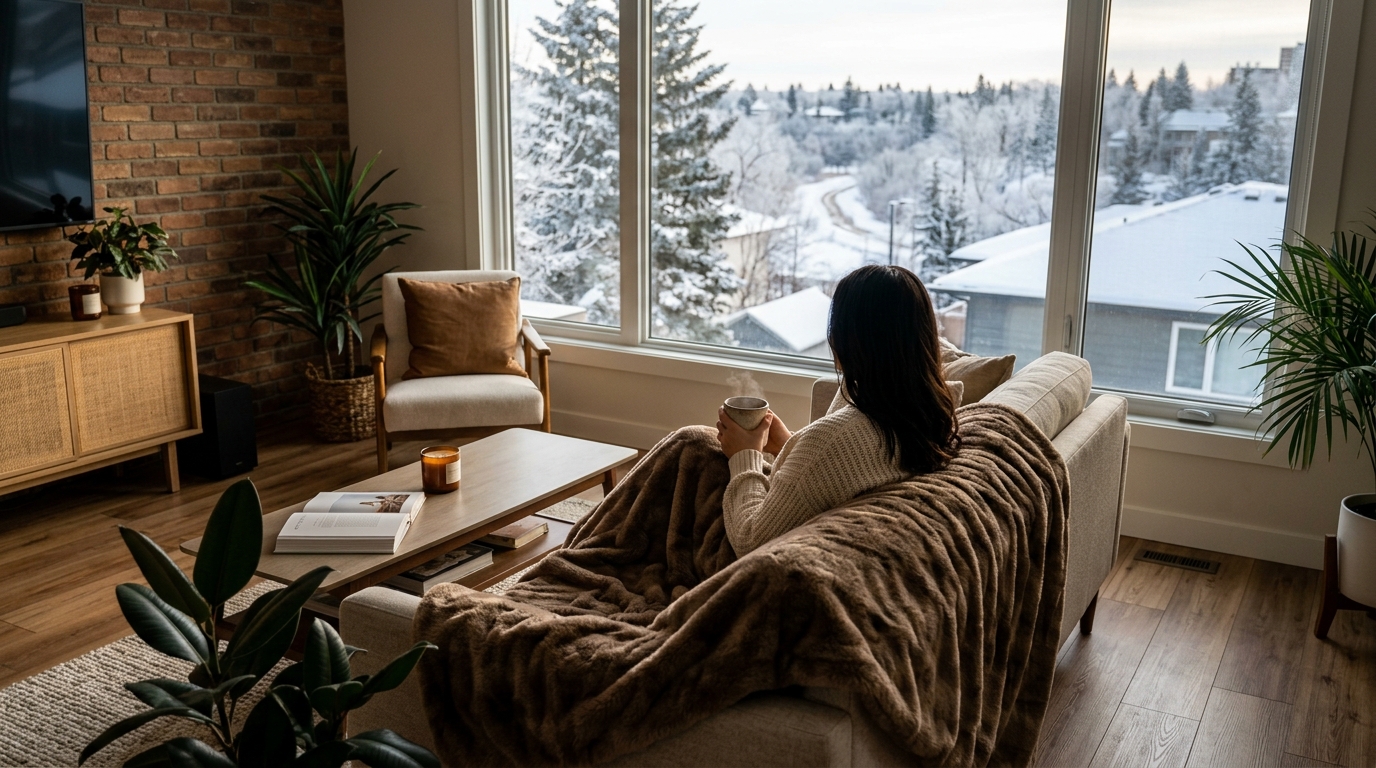
If you plan to run, ski or ruck through the river valley this winter, you need a plan to protect your skin during Edmonton winter outdoor training. A 45-minute session at -25°C with a north wind can leave your cheeks raw, your lips split and your knuckles bleeding. This guide is for Edmontonians who train outside from November to March. You will build a six-step skin routine you can run before, during and after every session. Setup takes about an hour and a $60 to $100 shopping trip. After that, the routine adds roughly 10 minutes to each workout.
Last reviewed:
- Tools needed: fragrance-free barrier cream or balm, SPF 30+ stick or lotion, lip balm with SPF, a neck gaiter or balaclava, liner gloves plus insulated mitts, a small pocket thermometer or weather app, a gentle cream cleanser, a thick night moisturizer
- Time: about 1 hour for setup, then 10 minutes added to each outdoor session
- Difficulty: Beginner
October is the right time to start. The first real cold snap usually lands in November, and your skin does better when you build the habit before it hurts.
Step 1: Read the Real Conditions Before You Leave the House
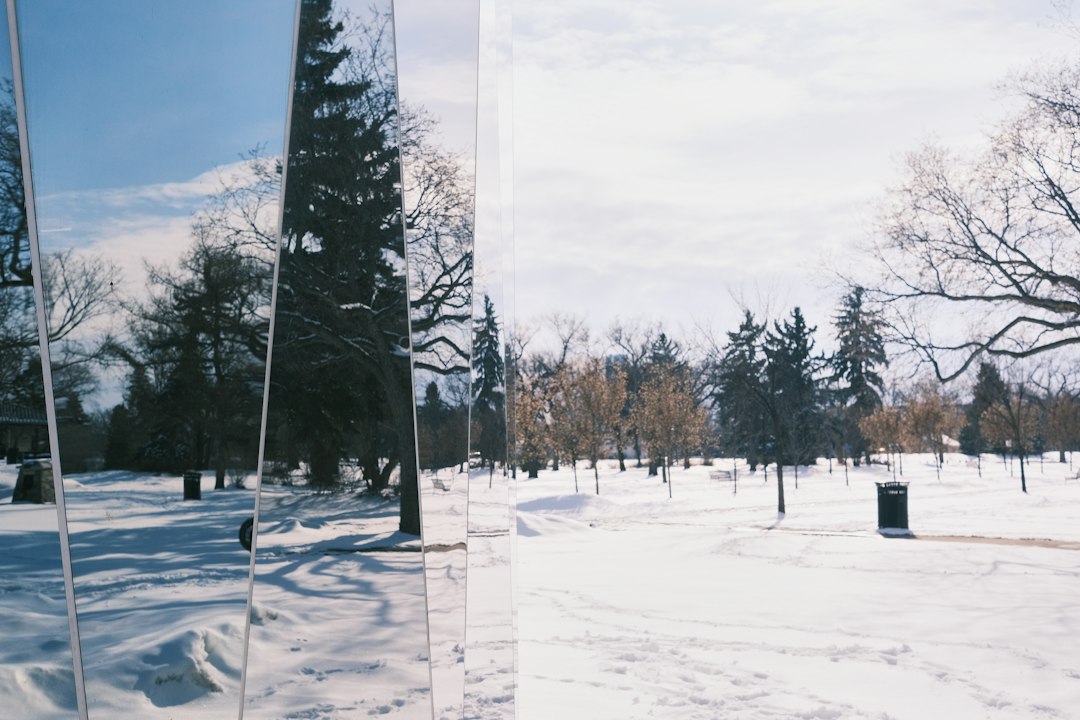
Air temperature alone does not tell you how your skin will fare. Wind speed, humidity and sun glare matter just as much. Edmonton winters run dry, with indoor humidity often dropping well below 30% once furnaces run full time. Your skin starts the day already stressed.
Check the wind chill, not just the temperature
Environment Canada publishes a wind chill and cold weather guide that links wind chill values to frostbite risk. According to that guidance, exposed skin can start to freeze in 10 to 30 minutes when the wind chill falls between -28 and -39. Below -40, that window shrinks to 5 to 10 minutes. Treat those numbers as hard limits for any exposed patch of skin.
Edmonton Spring Allergies Wellness Guide For Seasonal Relief covers this in more detail.
- Above -15 wind chill: normal routine, focus on dryness and sun
- -15 to -27: cover cheeks and nose on windy stretches
- -28 to -39: no bare skin, shorten sessions, plan a warm-up stop
- -40 and below: move indoors
Check the UV index and snow glare
This surprises people. Fresh snow reflects UV light back at your face, and Edmonton gets bright, clear days in January and February, with the sun sitting low enough to hit you from below the cap line. The Mayo Clinic’s sunscreen guidance recommends broad-spectrum SPF 30 or higher, applied about 15 minutes before going outside. That applies in January, not just July.
How To Prevent Seasonal Wellness Routine Breakdowns In Edmonton covers this in more detail.
Pick a route that matches the conditions
Wind is the real enemy of skin. On a windy day, skip open spots like the top of the river valley rim near Hawrelak Park and pick a sheltered ravine trail or a loop that puts the wind at your back on the way home. Tree cover cuts wind speed and glare. If the forecast shows both a low wind chill and heavy smoke from a nearby fire, check the guide on how to stay active during Edmonton winter smoke season and move the session indoors.
How To Stay Active During Edmonton Winter Smoke Season covers this in more detail.
Watch out: a calm -20°C feels fine for the first ten minutes. Wind often picks up on the return leg, when you are sweaty and tired. Plan the windy section first.
Best Sauna Practices For Winter Wellness Edmonton covers this in more detail.
Step 2: Prep Your Skin Barrier the Night Before and the Morning Of
Your skin barrier is a thin layer of lipids that holds water in and keeps irritants out. Cold air and low humidity strip it. Once it is compromised, windburn and cracking follow fast. The prep starts before you ever lace up.
Build a simple evening routine
Skip harsh scrubs and hot showers after a cold session. Hot water strips oils. Use lukewarm water and a gentle, fragrance-free cream cleanser. The Mayo Clinic notes in its dry skin overview that hot baths, low humidity and harsh soaps are common triggers. Edmonton winter checks all three.
- Wash with lukewarm water for under 5 minutes
- Pat dry, do not rub
- Apply a thick cream within 3 minutes of getting out of the shower, while skin is still damp
- Look for ceramides, glycerin or petrolatum on the label
- Run a bedroom humidifier at 35% to 40% if your furnace dries the air out
Stop using active ingredients before long sessions
Retinoids, strong acids and benzoyl peroxide thin or irritate the surface layer. Used the night before a -25°C run, they raise your odds of windburn. Pause them 24 hours before a hard outdoor session. Many Edmontonians drop them altogether from December to February and return in spring. If allergies flare then, the Edmonton spring allergies wellness guide covers how to handle reactive skin as the snow melts.
Hydrate from the inside too
Cold air feels less thirst-inducing, but you still lose water through breathing and sweat. Drink 500 mL of water in the two hours before a long session. It will not fix dry skin on its own, but dehydration makes it worse.
Watch out: do not apply a water-based moisturizer right before heading into extreme cold. Water in the product can freeze on your skin. That brings us to step 3.
Step 3: Apply Your Outdoor Layers in the Right Order
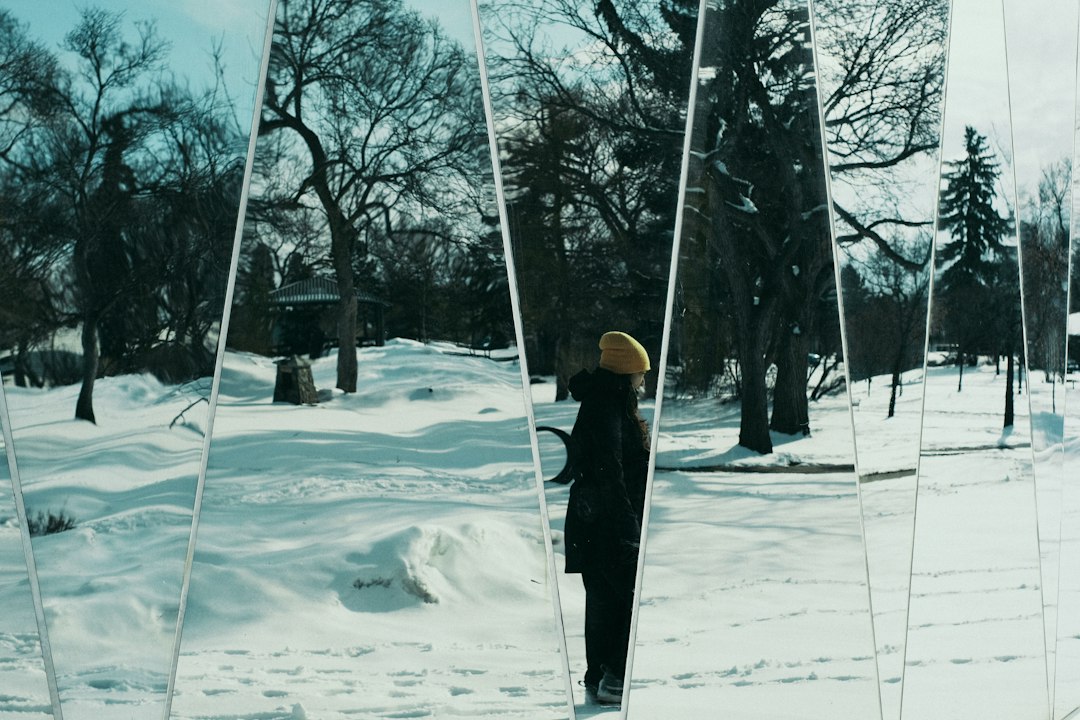
Application order matters. Think of your face as a three-layer system. Each layer has one job, and the order is not flexible.
The 15-minute pre-session routine
Start indoors, at least 15 minutes before you leave. This gives products time to settle and gives you a chance to catch missed spots.
- Moisturizer (5 minutes before the next layer): a light, fragrance-free lotion to hydrate
- Sunscreen (SPF 30+): cheeks, nose, ears, chin and the back of the neck
- Barrier balm: a thin layer of petrolatum or beeswax-based balm over cheeks, nose and chin. This seals everything in and blocks wind.
- Lip balm with SPF 15+: apply to lips and the skin just around the mouth
Expect to pay about $15 to $30 for a good sunscreen, $8 to $20 for a barrier balm and $4 to $8 for lip balm. Shoppers Drug Mart and London Drugs carry all of it, and both have locations along Whyte Avenue and in Oliver.
Use the thin-layer rule
A thick, greasy face mask feels protective but traps sweat. Moisture trapped against the skin freezes in cold air and can speed up cold injury. Apply a thin, even layer, about the size of a dime for the whole face. Reapply the lip balm every 30 to 40 minutes.
Do not forget the commonly missed spots
- Ears: thin skin, little fat, high frostbite risk
- Hands: knuckles crack first. Apply balm or hand cream before putting on liners.
- Nostrils and the nose bridge: a small dab of balm cuts chapping from wiping
- The gap between neck gaiter and hat: a frequent windburn line
Watch out: sunscreen sticks tend to be more cold-friendly than lotions. Lotions can thicken or feel gritty at very low temperatures. Keep your sunscreen in an inside pocket on long outings.
Step 4: Choose Physical Coverage That Protects Without Soaking Your Skin
Creams only go so far. Once the wind chill drops under -25, fabric does most of the work. The goal is full coverage without trapping sweat against the skin.
Pick a neck gaiter or balaclava with the right fabric
Look for a merino or merino-blend neck gaiter, or a synthetic fleece with moisture-wicking properties. Cotton is the wrong choice. It absorbs breath moisture, goes damp, and then chills your face. Prices run about $25 to $50 for a good gaiter and $40 to $80 for a balaclava with a breathable mouth panel.
- Pull the gaiter up over the nose on windy stretches and down when you warm up
- Carry a spare, dry gaiter in a small pack on any session over 60 minutes
- Swap to the dry one once the first gets damp and stiff with ice
Use a two-glove system
Hands lose heat quickly and the skin on the backs is thin. Wear a thin liner glove under an insulated mitt. Mitts keep fingers together, which holds heat better than gloves. When you need to adjust a watch or zipper, you can peel the mitt off and still have a liner on.
Protect your eyes and the skin around them
Wear sport sunglasses or snow goggles on bright days. The skin around the eyes is among the thinnest on the face, and snow glare is real. Light-tinted lenses work for overcast days. Goggles with a foam seal also stop wind from getting to the eye area.
If you want to extend your training season with a longer dark-season routine, the guide on how to maintain wellness habits during Edmonton winter darkness pairs well with this step, especially for early morning and after-work sessions.
Watch out: tight face coverings cut circulation. If your cheeks go numb under the gaiter, loosen it and check the skin.
Step 5: Monitor Your Skin During the Session
Protection fades as you move and sweat. Build short skin checks into every workout. This takes under a minute each time.
Run a check every 15 to 20 minutes
Pause for a few seconds and touch your cheeks, nose, ears and chin. Look for these signs, as described in the Mayo Clinic’s frostbite symptoms guide:
- Frostnip: cold, red skin followed by numbness or tingling. It usually resolves with rewarming.
- Superficial frostbite: skin turns white or grayish-yellow and feels waxy or hard
- Deeper frostbite: numbness, hard or blistered skin, and no feeling at all
A training partner helps here. You cannot see your own nose in the cold, and numb skin gives no warning. Agree to look at each other’s faces at every checkpoint.
Reapply and adjust on the move
Lip balm is the one product to reapply during a session. Keep it in an inside pocket where body heat keeps it soft. For sessions over 90 minutes, reapply sunscreen to exposed areas, usually the nose and cheekbones. Wipe sweat with a dry cloth, not a bare glove.
Know when to bail
Stop and go inside if skin turns white and waxy, if numbness does not clear after a minute of covering up, or if your shivering becomes uncontrolled. Cut the route short if the wind picks up. A quick exit is easy near Whyte Avenue, where cafes and shops sit every block. It is much harder on a remote river valley section, so pick routes with bail-out points.
For a sauna or warm-down after a session, review the best sauna practices for winter wellness in Edmonton before you go straight from frozen to hot. Rapid temperature swings can irritate already stressed skin.
Watch out: do not rub frozen skin with snow or bare hands. Friction damages tissue. Cover the area and warm it gently.
Step 6: Recover Your Skin After the Session

What you do in the first hour after training decides whether your skin is ready for tomorrow. Recovery is where most people skip steps and pay for it by February.
Rewarm gradually
Go indoors and let your face and hands warm at room temperature. Skip the hot shower for the first 10 to 15 minutes. Very hot water on cold skin causes stinging and redness, and it can mask early frostbite damage. Use lukewarm water, around body temperature, for rewarming cold hands.
Cleanse, moisturize and seal
- Remove sunscreen and balm with a gentle cream cleanser
- Rinse with lukewarm water
- Pat dry
- Apply a thick moisturizer within 3 minutes, while the skin is still damp
- Add a thin layer of petrolatum on lips, hands and any red patches
A good recovery cream runs about $18 to $35 for a 200 mL tube. Look for ceramides or colloidal oatmeal if your skin runs reactive.
Treat problem areas and track trends
Chapped lips, cracked knuckles and red, tight cheeks respond to overnight treatment. Put a thick layer of ointment on the area, cover hands with cotton gloves and sleep in them. If cracks bleed, stay out of the cold the next day and let the skin close. Fissures that do not heal in a week or two, or any skin that blisters, should be looked at by a pharmacist or physician. Alberta Health Services lists clinics and Health Link information for non-emergency skin concerns.
Skin issues are also an early warning that your overall routine is slipping. If you find yourself skipping steps, the guide on how to prevent seasonal wellness routine breakdowns in Edmonton covers simple ways to keep habits steady from November to March.
Watch out: do not stack exfoliants on skin that already feels raw. Give it a week off from scrubs and acids.
Quick Reference: Skin Protection by Wind Chill
| Wind chill | Exposed skin risk | What to wear and apply | Session length |
|---|---|---|---|
| 0 to -14 | Low | Moisturizer, SPF 30, lip balm | Normal |
| -15 to -27 | Moderate, windburn likely | Add barrier balm, gaiter over nose when windy | Normal with checks every 20 minutes |
| -28 to -39 | High, frostbite possible in 10 to 30 minutes | Full face coverage, goggles, mitts over liners | Shorten to 30 to 45 minutes |
| -40 and below | Very high, 5 to 10 minutes or less | Not recommended outdoors | Train indoors |
The wind chill ranges and exposure times above come from the Environment Canada guidance linked in Step 1. Adjust for your own tolerance and always err toward more coverage.
Common Mistakes to Avoid
- Skipping sunscreen in winter. Snow reflects UV and Edmonton has bright, dry winter days. Wear SPF 30 or higher on exposed skin.
- Applying a water-heavy lotion right before stepping out. Moisture on the surface can chill or freeze. Apply it 15 minutes ahead and finish with a balm.
- Wearing cotton against the face. It gets damp from breath and stays cold. Use merino or synthetic fabrics.
- Taking a hot shower right after a session. It strips oils, stings cold skin and can hide early frostbite. Rewarm gradually with lukewarm water.
- Ignoring numbness. If you cannot feel a patch of skin, you cannot judge its condition. Cover it, warm it and head inside.
- Using active ingredients before hard outdoor sessions. Retinoids and acids leave skin more reactive. Pause them for 24 hours before a cold workout, or all winter if your skin cracks.
What’s Next
Set up your kit this week. Buy a sunscreen stick, a barrier balm, a spare gaiter and a good night cream before the first deep freeze hits. Then test the routine on a mild day around -5°C so the order of steps feels automatic by the time you need it at -25°C. For more local wellness resources, browse the full Edmonton Wellness Guide.
Related Articles
- Best Indoor Wellness Activities When Edmonton Air Quality Drops: Your Complete Guide
- Why Does Edmonton Summer Daylight Affect Sleep Schedules: Understanding Our 17-Hour Days
Sources & References
Find Trusted Wellness Spots in Edmonton
Browse our independent guide to Edmonton’s spas, fitness studios, and wellness services. Local. Honest. Free.
Frequently Asked Questions
What is the best moisturizer to wear for winter outdoor training in Edmonton?
Use a fragrance-free lotion or cream with ceramides or glycerin, applied about 15 minutes before heading out, then seal it with a thin layer of petrolatum or beeswax balm. Most options at Shoppers Drug Mart or London Drugs cost $15 to $30. Save the thickest creams for after your session.
At what temperature should I stop training outside to avoid frostbite?
Pay attention to wind chill instead of temperature alone. Environment Canada guidance says exposed skin can freeze in 5 to 10 minutes below -40 wind chill, and in 10 to 30 minutes between -28 and -39. At those levels, cover all skin or train indoors.
Do I really need sunscreen in an Edmonton winter?
Yes, especially on clear days with snow on the ground. Snow reflects UV light onto the underside of your face, and long sessions in the river valley add up. Use SPF 30 or higher on cheeks, nose, ears and lips.
How do I treat windburned or cracked skin after a run?
Rewarm slowly, wash with a gentle cleanser in lukewarm water and apply a thick, fragrance-free cream while skin is still damp. Put petrolatum on lips and knuckles at night and skip exfoliants for a week. If skin blisters or cracks do not heal in one to two weeks, check with a pharmacist or doctor.
Can I use a sauna after a cold-weather workout to warm up my skin?
You can, but wait 10 to 15 minutes after coming indoors so your skin temperature settles. Moisturize before and after, and keep the session short if your skin feels tight or red. Very hot heat on already irritated skin can make dryness worse.