By late October, Edmonton loses daylight fast. Sunset creeps toward 5 p.m., the river valley trails go quiet by dinner, and a lot of us start feeling it before the first real snowfall. If you are looking into spa treatments for seasonal affective disorder in Edmonton winter, you are not overreacting to a rough mood. Reduced daylight genuinely changes brain chemistry, and the right combination of heat, touch, and sensory reset can measurably help. This guide walks through exactly which treatments work, in what order, how much they cost around the city, and how to build a routine that survives a real Edmonton winter instead of falling apart by January.
Last reviewed:
What Seasonal Affective Disorder Does in an Edmonton Winter

Seasonal affective disorder, or SAD, is a form of depression tied to the change in seasons. It is not a metaphor for being tired of the cold. According to the Mayo Clinic’s overview of seasonal affective disorder, reduced sunlight can disrupt your internal clock, drop serotonin levels, and throw off melatonin production, which is why you feel foggy, low, and ready for bed at 6 p.m. Before diving into treatments, it helps to understand the mechanism, because that is exactly what spa-based therapies are designed to interrupt.
The Daylight Math Edmonton Deals With
Edmonton sits at roughly 53 degrees north latitude, which means our December daylight runs under 8 hours, compared to more than 16 hours in June. That is one of the steepest daylight swings of any major Canadian city. Your body notices that swing whether you consciously track it or not. For a deeper explanation of the biology behind this, our guide on what seasonal affective disorder actually is breaks down the clinical picture in plain language.
How Spa Treatments Actually Target SAD Symptoms
Spa treatments will not replace a psychiatrist or a light therapy box if you need one. What they can do is address the physical side effects that pile on top of low mood: muscle tension from hunching against the cold, disrupted sleep, low circulation, and a nervous system stuck in low-grade stress. Heat therapy raises core body temperature and triggers a relaxation response. Massage lowers cortisol and can raise serotonin and dopamine. Float therapy removes sensory input entirely, which gives an overstimulated brain a genuine break. Used together over a season, these treatments build a routine your body can rely on when the sky will not cooperate.
Who This Approach Works Best For
This routine is built for people dealing with mild to moderate winter mood dips, low energy, and the general heaviness that hits Edmontonians between November and March. If your symptoms are severe, if you are having thoughts of self-harm, or if daily functioning is genuinely impaired, spa treatments are a supplement, not a substitute for medical care. Talk to a doctor first, then use the steps below to fill in around that care.
Edmonton Spring Allergies Wellness Guide For Seasonal Relief covers this in more detail.
Step 1: Time Your Spa Routine Before the Days Get Short
The single biggest mistake people make with winter wellness is waiting until they already feel terrible. By the time you are deep in a January slump, you are playing catch-up. Start building your routine in September, while the days are still shortening gradually instead of dropping off a cliff.
Recovery Options Edmonton Massage Physio Stretching covers this in more detail.
Start in Late September, Not December
Book your first sauna or massage appointment around the fall equinox, which lands in late September. This gives your body a head start before daylight really thins out in November. Our piece on preventing seasonal affective disorder in an Edmonton winter covers the full prevention timeline if you want to plan further ahead.
How To Build A Weekly Recovery Routine With Edmonton Spas covers this in more detail.
Build a Baseline With One Weekly Appointment
Pick one treatment and commit to it weekly for the first month. A 30-minute infrared sauna session or a 60-minute massage both work as a starting point. Consistency matters more than variety at this stage. Your nervous system responds to routine, not to novelty, so one predictable appointment a week beats five random ones spread over a month.
Track What’s Working
Keep it simple. A note on your phone rating your mood before and after each session, on a scale of one to five, is enough. After four to six weeks you will have real data on which treatment actually moves the needle for you, rather than guessing.
Step 2: Use Heat Therapy to Counter the Cold and the Dark

Heat therapy is the most direct physical counter to an Edmonton winter. When it is minus 25 outside, your body spends most of its energy just staying warm. Sauna and steam sessions flip that, forcing deliberate heat exposure that triggers real physiological relaxation.
Traditional Sauna vs Infrared Sauna
Traditional Finnish saunas run hot, usually 70 to 90 degrees Celsius, and heat the air around you. Infrared saunas run cooler, around 45 to 60 degrees Celsius, and heat your body directly, which some people find easier to tolerate for longer sessions. Both raise heart rate and prompt sweating, and both are commonly used to ease muscle tension and promote deeper sleep. If you are new to heat therapy, start with infrared. It is gentler and easier to sit through for a full 30 to 45 minutes.
Steam Rooms and Hot Tubs
Steam rooms add humidity to the heat, which helps with the dry air that Edmonton furnaces produce all winter. Many spas around the city pair a steam room with a cold plunge or cool shower, and alternating between hot and cold is a common practice for boosting circulation. If a full spa visit is not in the budget every week, even a hot tub soak for 20 minutes at home does some of the same work on tense shoulders and a wound-up nervous system.
Where to Find Heat Therapy Around Edmonton
Look for infrared and traditional sauna options in wellness studios along Whyte Avenue and in Old Strathcona, as well as spa facilities near West Edmonton Mall, which has long offered pool and steam access as part of its larger recreation complex. Downtown and Oliver have a handful of standalone sauna studios too, generally within walking distance of LRT stops, which matters when you do not want to scrape a windshield after a relaxing session. Expect to pay $30 to $50 for a single infrared session, or $60 to $100 monthly for unlimited access at studios that offer memberships.
Step 3: Book Regular Massage Therapy for Cortisol and Serotonin
Massage is probably the most researched spa treatment for mood regulation, and it is worth building into a winter routine on a schedule rather than as an occasional treat.
What Massage Actually Changes in Your Brain Chemistry
Multiple studies indexed on PubMed’s database of peer-reviewed research have found that massage therapy can reduce cortisol, the stress hormone, while increasing serotonin and dopamine activity. That combination is directly relevant to SAD, since low serotonin is one of the main mechanisms behind winter depression. A single session will not undo months of daylight loss, but a regular schedule adds up over a season.
Which Style to Choose for SAD Symptoms
Swedish massage, with its slower, longer strokes, tends to be the most relaxing choice for mood support. Deep tissue works better if you are carrying tension from shoveling snow or hunching your shoulders against the cold on your walk to the LRT. Hot stone massage combines the benefits of heat therapy with bodywork, and it is worth trying at least once in December or January when both muscle tension and mood tend to bottom out together.
Realistic Pricing and Frequency
Registered massage therapy in Edmonton typically runs $90 to $130 for 60 minutes, with hot stone or specialty sessions closer to $120 to $160. Many extended health plans cover a portion of RMT visits, so check your benefits before booking. For mood support specifically, aim for every two to three weeks through the darkest months, rather than a single appointment and done. For a broader look at how massage fits alongside other recovery work, see our guide to recovery options in Edmonton covering massage, physio, and stretching.
Step 4: Try Float Therapy to Reset an Overstimulated Nervous System

Float therapy, also called sensory deprivation, gets a lot of curiosity and a fair amount of skepticism. For SAD specifically, it addresses something the other treatments do not: total sensory input reduction.
What Happens in a Float Tank
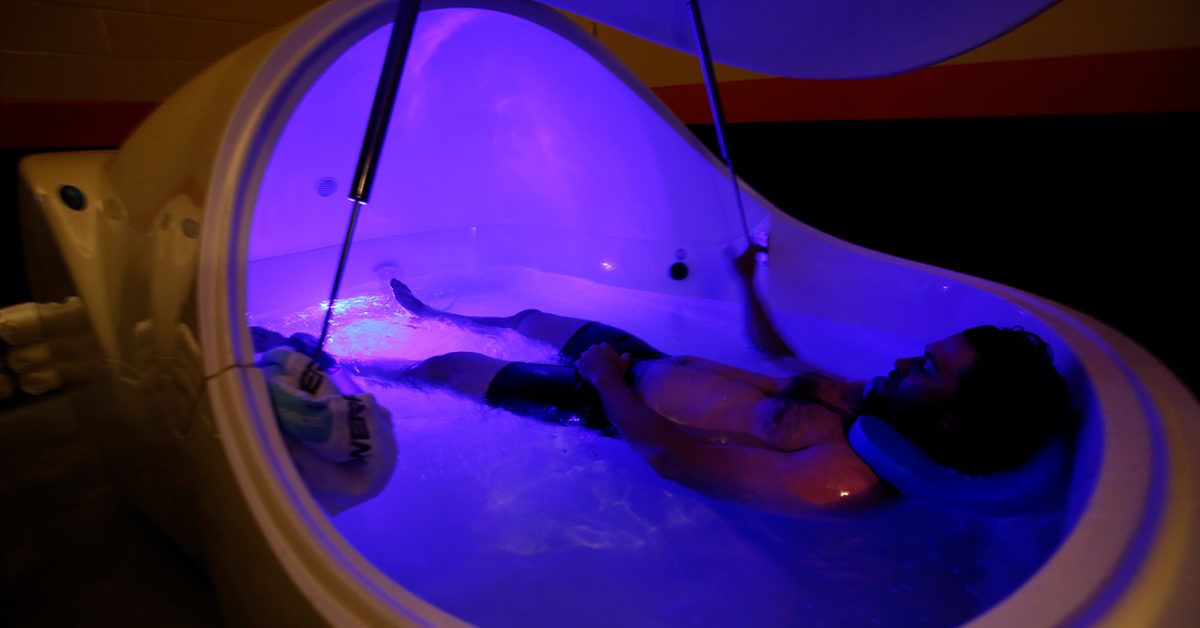
You float in body-temperature water saturated with Epsom salt, in a private pod or room, usually in total darkness and silence. With no gravity pulling on your joints and no light or sound to process, your brain shifts out of its usual background stress state. Sessions typically run 60 minutes.
First-Timer Expectations
Your first float can feel strange for the first 10 to 15 minutes. Your mind will wander, and you might feel restless before you actually settle in. That is normal. Most people report the real relaxation kicks in around the halfway mark. Bring earplugs if the studio does not provide them, and skip caffeine for a few hours beforehand so you are not fighting your own nervous system.
Local Options and Cost
Edmonton has a small but established float scene, with studios scattered across the south side and near Whyte Avenue offering single and multi-pack pricing. A single float session generally runs $55 to $80, with package pricing bringing the per-session cost down closer to $45 to $60 if you commit to five or ten sessions. Parking is usually free at these studios since most sit outside the downtown core, which is one less thing to think about on a minus-20 evening.
Step 5: Add Acupuncture for Sleep and Mood Regulation
Acupuncture is less commonly discussed for SAD than sauna or massage, but it has a real place in a winter routine, particularly for sleep disruption.
The Research Behind Acupuncture and Seasonal Mood Changes
Research on acupuncture for depression and sleep quality is mixed but genuinely promising in several trials, particularly for regulating sleep-wake cycles, which is one of the core disruptions in SAD. If insomnia or oversleeping is part of your winter pattern, acupuncture targets that specific mechanism in a way massage and sauna do not.
Finding a Registered Acupuncturist
Look for a practitioner registered with the College of Acupuncturists of Alberta, and expect an initial consultation and treatment to run $90 to $130, with follow-up sessions closer to $70 to $100. Clinics are scattered through Oliver, Old Strathcona, and along 124 Street, several within a short walk of bus routes if you are avoiding winter driving. Book weekly for the first month if sleep is your main issue, then taper to every two to three weeks.
Step 6: Build a Realistic Winter Spa Schedule and Budget

The treatments above only work if you actually stick with them. Here is how to lay out a season that survives an actual Edmonton winter, including the weeks when it is too cold to want to leave the house at all.
A Sample November-to-March Rotation
| Month | Primary Focus | Suggested Frequency | Approx. Monthly Cost |
|---|---|---|---|
| November | Sauna or infrared heat | Weekly | $120-$200 |
| December | Massage plus one float session | Massage biweekly, float once | $150-$250 |
| January | Massage, sauna, acupuncture rotation | Weekly, alternating treatments | $200-$320 |
| February | Float therapy plus massage | Float biweekly, massage biweekly | $180-$280 |
| March | Taper to biweekly massage | Biweekly | $90-$150 |
What This Costs Over a Winter
Running the full rotation above, a typical Edmonton winter of spa-based SAD support lands somewhere between $750 and $1,200 across five months. That is a real cost, so pick two or three treatments rather than trying all five at once if the budget is tight. Massage plus sauna is the most affordable, effective starting combination for most people. For a longer-term structure that spreads these costs across the whole year rather than front-loading winter, our guide on building a weekly recovery routine with Edmonton spas is worth reading alongside this one.
When Spa Treatments Aren’t Enough
If you have followed a consistent routine for four to six weeks and your mood, sleep, or energy are not improving, that is a signal to talk to a doctor. Alberta Health Services’ mental health resources include options for both counseling and clinical light therapy assessments, and a physician can determine whether medication or a light therapy box should be part of your plan. Spa treatments work well as support, not as a stand-alone fix for moderate to severe depression.
Related Articles
- What Is Float Tank Therapy and How Does It Work: An Edmonton Guide to Sensory Deprivation
- Best Massage Therapy Clinics in Edmonton by Neighborhood: Your Local Guide to Finding the Right Therapist
- How to Prepare for Your First Acupuncture Appointment: An Edmonton Guide
Sources & References
Find Trusted Wellness Spots in Edmonton
Browse our independent guide to Edmonton’s spas, fitness studios, and wellness services. Local. Honest. Free.
Frequently Asked Questions
What spa treatment works fastest for seasonal affective disorder symptoms?
Massage tends to produce the fastest noticeable shift in mood, often within the same day, because it directly lowers cortisol and eases physical tension. Sauna is a close second for immediate relaxation. For longer-term change, though, consistency across several weeks matters more than any single session.
How much does a full winter spa routine cost in Edmonton?
A moderate routine combining massage, sauna, and occasional float sessions from November through March typically costs $750 to $1,200 total. You can scale that down significantly by picking one or two treatments and focusing on frequency over variety, which is usually the more effective approach anyway.
Can spa treatments replace a light therapy box for SAD?
No. Light therapy boxes deliver a specific, clinically studied dose of bright light that spa treatments do not replicate. Spa treatments address the physical side effects of SAD, like tension and poor sleep, and work best alongside light therapy rather than instead of it.
Is float therapy safe if I have never tried sensory deprivation before?
Yes, for most people. If you have severe claustrophobia or certain skin conditions, check with the studio beforehand, and know that most pods can be floated with the lid open if that feels more comfortable for a first session.
How soon before winter should I start a spa routine for SAD?
Late September is the ideal window, since daylight is still dropping gradually rather than sharply. Starting then gives your body several weeks to build a routine before the shortest, darkest stretch between December and February hits.