Edmonton has more paved and gravel trail than most Canadian cities its size, and a growing on-street bike network downtown. That doesn’t mean every route is a good idea for your commute. Picking the best bike commuting routes in Edmonton means matching the trail or lane to the season, your skill level, and how much daylight you actually have that week. This guide walks through exactly how to choose a route, what gear keeps you upright and visible, and the Edmonton-specific safety tips that matter more here than in a city that doesn’t drop to -30°C for six weeks straight. By the end, you’ll have a route plan for summer, a backup for smoke season, and a realistic winter setup that doesn’t involve buying a fat bike you’ll use twice.
Last reviewed:
Why Bike Commuting Actually Works in Edmonton
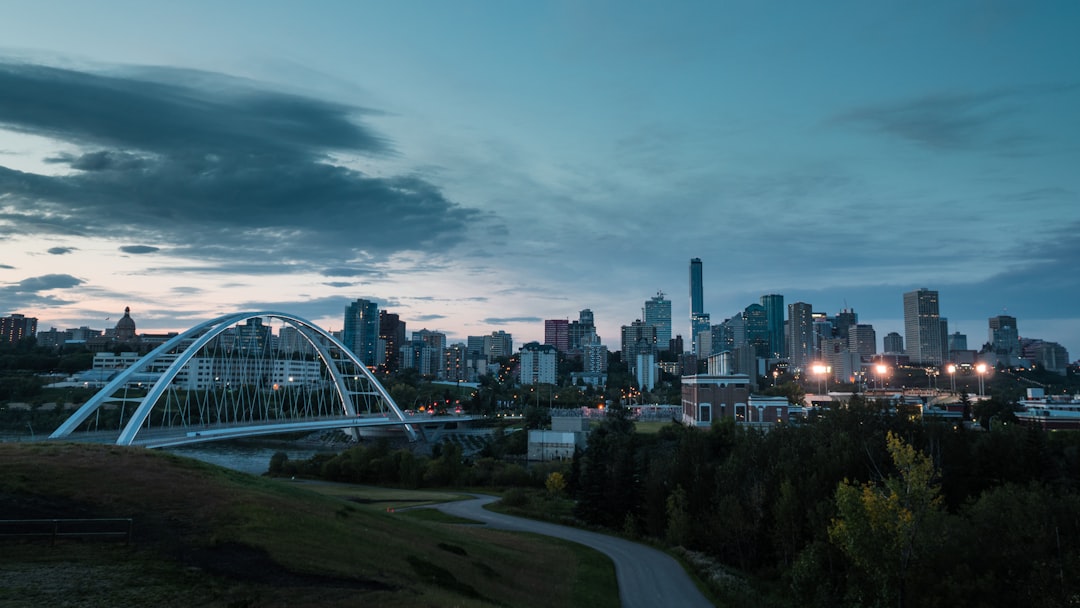
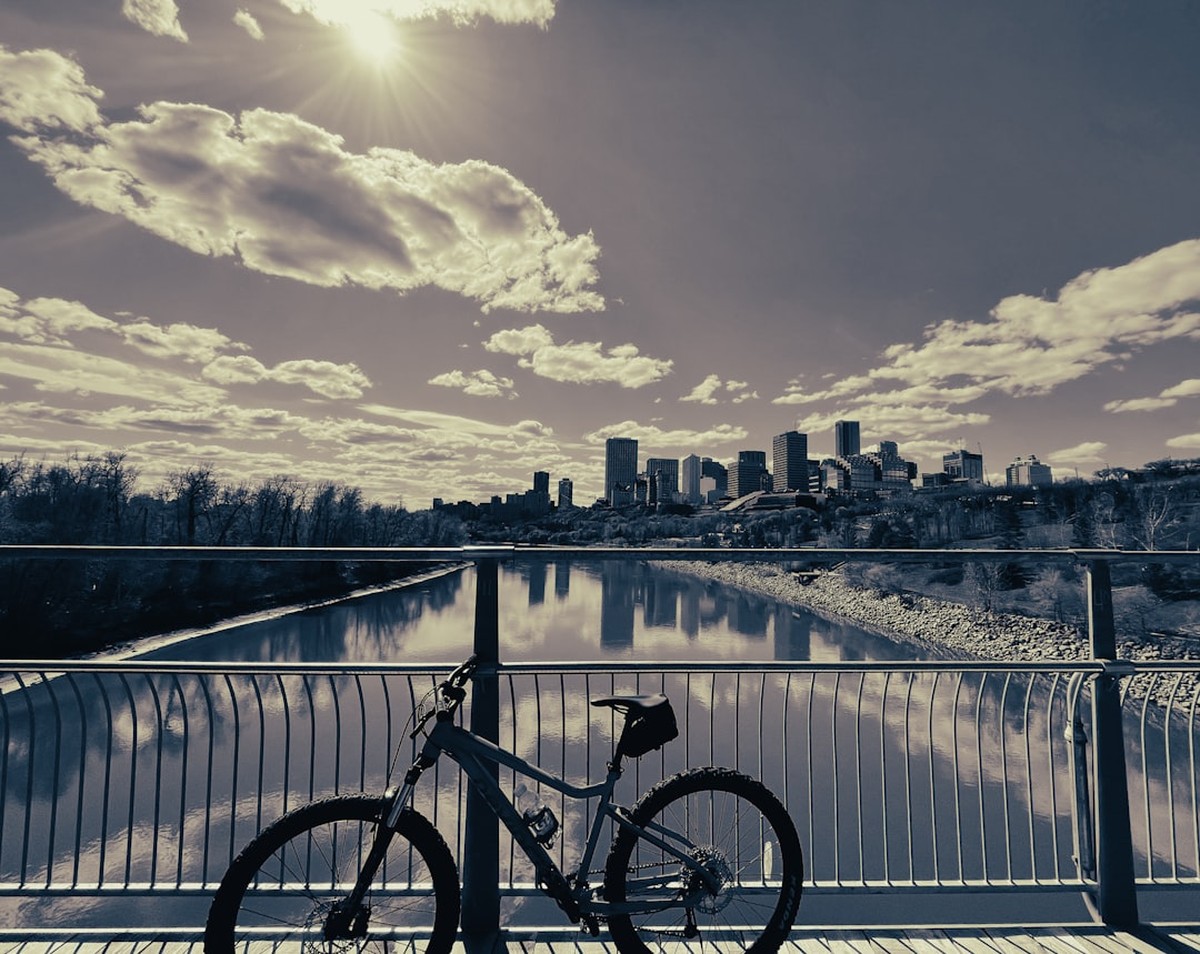
Edmonton’s river valley system gives the city roughly 160 kilometres of connected multi-use trail, one of the largest urban park systems in North America according to the City of Edmonton’s river valley parks page. That’s not a marketing line. It means a commuter living in Riverbend or Windermere can often get downtown without touching a major road for most of the ride. Combine that with the downtown bike grid built along 102 Avenue and connecting streets, and you’ve got a workable network for people who don’t want to fight traffic on Jasper Avenue every morning.
The River Valley Advantage
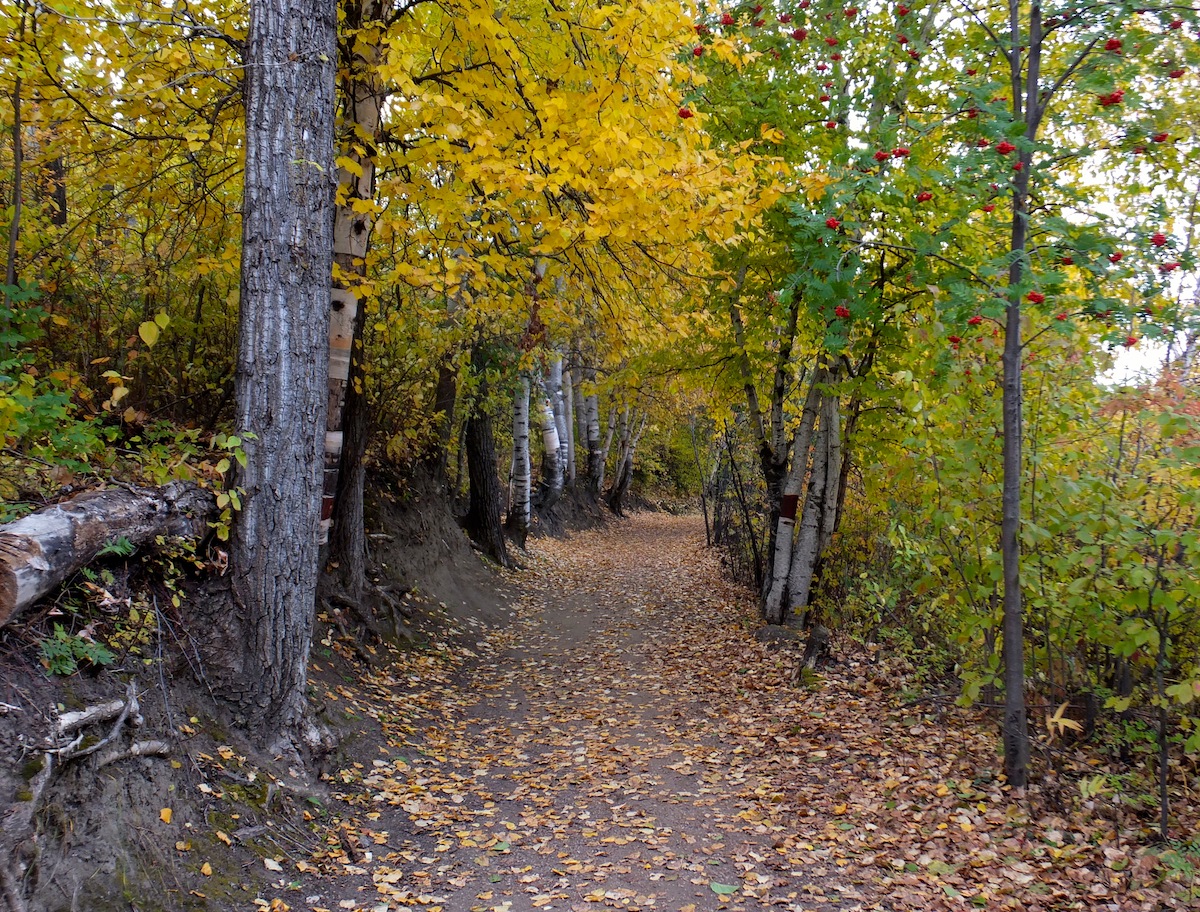
The river valley trail system connects neighborhoods that would otherwise require a long detour on surface roads. Victoria Park, Government House Park, Emily Murphy Park, and the trails through Mill Creek Ravine all link up, so a rider commuting from Old Strathcona to downtown can stay on packed gravel or pavement almost the entire way. The trade-off is elevation. The river valley walls are steep, and getting up to street level from the valley floor means a real climb, sometimes 40 to 60 metres depending on where you exit. Budget five extra minutes for the hill out of the valley if you’re not used to it.
Fitness Outdoor Movement In Edmonton covers this in more detail.
What You’re Actually Up Against
Edmonton’s cycling reality includes six months where temperatures regularly sit below zero, a wildfire smoke season that’s become a real summer factor, and long daylight swings that mean you’re riding in full dark by 4:30 p.m. in December and full daylight by 5 a.m. in June. None of this rules out bike commuting. It just means the “best” route changes by month. A gravel river valley trail that’s a joy in July turns into a rutted ice sheet by January, and the road you’d normally avoid because of traffic might actually be your safer winter option because the city plows it. For a deeper look at how the trails shift through the year, our comparison of Edmonton’s summer and winter outdoor routes covers a lot of the same terrain from a running angle, and most of it applies directly to biking.
Step 1: Choose Your Route Based on Season and Skill Level
Don’t pick a route because it looks shortest on a map. Pick it because it matches what you can actually handle in the conditions you’ll be riding in most often. Here’s how the major Edmonton commuting corridors break down.
Downtown and River Valley Core Routes
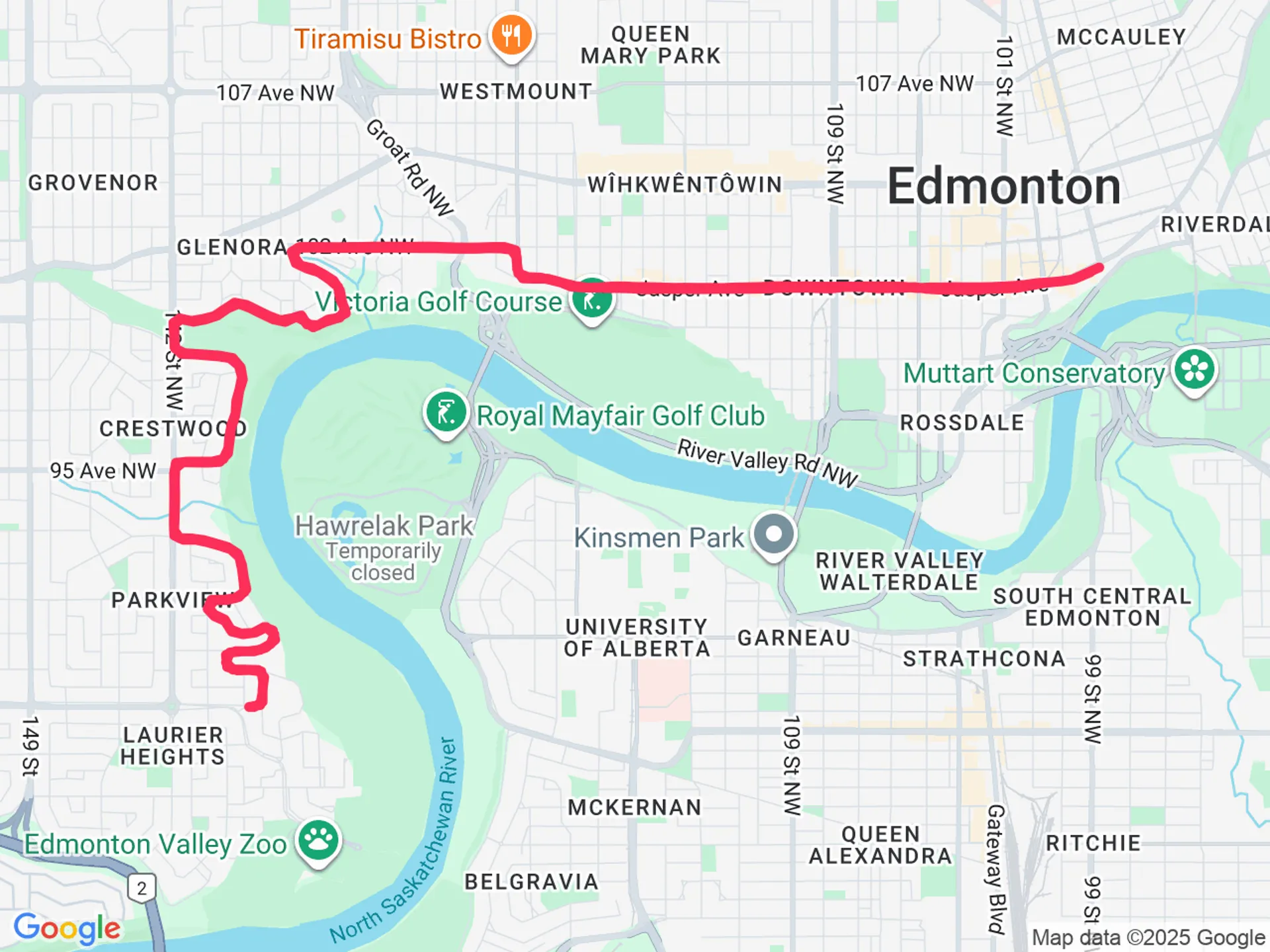
If you work downtown, the river valley trail through Victoria Park and along the North Saskatchewan gets you close to the core with minimal car traffic. From there, the 102 Avenue protected bike lane carries you the rest of the way into the downtown grid. This is one of the best bike commuting routes in Edmonton for confidence-building because you’re mostly separated from vehicles. Saskatchewan Drive, which runs along the south rim of the valley past the University of Alberta, has a marked bike lane and sweeping river views, and it connects well to Old Strathcona and Whyte Avenue.
Neighborhood Connector Routes
124 Street has enough bike traffic and slower posted speeds that a lot of Oliver and Westmount residents use it as their default commuting spine north-south. It’s not a protected lane, so you’re riding with traffic, but drivers in that stretch are used to cyclists. Mill Creek Ravine is the connector of choice if you’re commuting between Old Strathcona and neighborhoods further southeast, and it avoids Whyte Avenue’s bar-district traffic entirely, which matters more on weekend mornings than you’d think.
How To Build An Outdoor Fitness Routine Edmonton covers this in more detail.
Suburban and Longer-Distance Commutes
Windermere and other far-southwest neighborhoods don’t have great direct river valley access, so most commuters from that area end up doing a hybrid: bike to a park-and-ride, then LRT the rest of the way. Same story from Sherwood Park, which sits outside city limits entirely and has no dedicated bike infrastructure connecting it to Edmonton’s network. If you’re commuting from Sherwood Park, plan on driving or busing to a starting point inside Edmonton and biking from there, rather than trying to ride the whole distance on Wye Road or the Yellowhead.
| Route | Distance (approx.) | Best For | Season Notes |
|---|---|---|---|
| River Valley Trail (Victoria Park to Downtown) | 4-6 km | Beginners, scenic commute | Best May-October, icy and unlit in winter |
| 102 Avenue Downtown Bike Lane | 1-3 km | Downtown workers | Plowed in winter, ride year-round |
| Saskatchewan Drive (University to Old Strathcona) | 3-5 km | Students, U of A staff | Marked lane, watch for pedestrian crossings |
| Mill Creek Ravine | 3-4 km | Old Strathcona connections | Great spring through fall, muddy after thaw |
| 124 Street Corridor | 2-4 km | Oliver, Westmount commuters | Shared with traffic, decent winter plowing |
| Groat Road Corridor | 3-5 km | Connecting Oliver to river valley trails | Steep hill sections, use caution in ice |
For a broader sense of how these routes fit into Edmonton’s overall outdoor fitness scene, our guide to fitness and outdoor movement in Edmonton covers trail conditions and access points in more detail.
Step 2: Gear Up Before You Ride, Not After a Close Call
Most people upgrade their bike safety gear after something scary happens. Do it before. The gear list for Edmonton bike commuting is longer than what you’d need in a milder climate, but none of it is complicated.
Lights, Bell, and Visibility
A front white light and rear red light are legally required after dark in Alberta, and given how much of the year Edmonton commuters ride in low light, treat them as always-on gear, not seasonal extras. Budget $30 to $80 for a decent set. A bell costs $10 and matters more on shared multi-use trails than on roads, since you’ll be passing walkers, dogs, and other cyclists on narrow paths through the river valley. Reflective ankle bands or a vest add another layer of visibility, especially useful once daylight saving time ends in November and your commute home happens in full dark.
Winter-Specific Equipment
Studded winter tires run $80 to $150 per tire and are worth every dollar if you’re committed to riding through January. They grip ice in a way regular tires simply can’t. Beyond tires, dress in layers you can vent, since you’ll generate heat quickly even at -20°C. Cover your face and extremities. Alberta Health Services’ cold weather safety guidance notes that exposed skin can develop frostbite in under 30 minutes at -28°C with wind chill, which is a realistic Edmonton commute temperature more mornings than you’d like. Ski goggles or clear cycling glasses stop wind-induced eye watering, which is a bigger problem than most new winter riders expect.
Lock and Theft Prevention
Bike theft is a real issue downtown and around Whyte Avenue, where high foot traffic means opportunistic thieves have plenty of targets. Spend $50 to $90 on a U-lock rather than a cheap cable lock, and lock through the frame and a wheel, not just the front wheel. If your building or workplace has secure indoor storage, use it. A lot of downtown office towers and University of Alberta buildings have bike cages or dedicated rooms, and it’s worth asking your building manager rather than assuming outdoor racks are your only option.
Step 3: Master the Edmonton-Specific Safety Tips That Actually Matter
Generic cycling safety advice gets you partway there. The best bike commuting routes Edmonton safety tips actually depend on knowing this city’s specific quirks, from shared pathway etiquette to how downtown intersections behave.
Shared Pathways vs On-Street Lanes
River valley trails are multi-use, meaning you’re sharing space with runners, dog walkers, rollerbladers, and slower cyclists. Keep your speed reasonable, especially near Farmers’ Market days when Old Strathcona trail traffic spikes, and always call out or bell before passing. On-street lanes like 102 Avenue are a different mode entirely. You’re riding with vehicle traffic, so signal turns clearly, hold your line, and don’t weave between parked cars and the lane. Mixing up the etiquette between these two environments is one of the most common mistakes new commuters make.
LRT Crossings and Downtown Traffic
Edmonton’s LRT lines cross several major commuting corridors at grade, and bike tires can genuinely catch in the rail groove if you cross at a shallow angle. Always cross LRT tracks as close to perpendicular as you can manage. Downtown intersections around Jasper Avenue and 104 Street get congested during rush hour, and right-hook turns, where a vehicle turns right across your path, are the most common collision type for urban cyclists according to Health Canada’s cycling safety resources. Make eye contact with drivers at intersections before assuming they’ve seen you.
Defensive Riding on Shared Trails
River valley trails have blind curves, especially through Mill Creek Ravine and Whitemud Park, where dense tree cover limits sightlines. Slow down on curves, keep to the right, and assume there’s a runner or another cyclist coming the other way even when you can’t see them yet. This is also where a bell earns its $10.
Step 4: Adjust Your Route and Gear by Season
Edmonton doesn’t have one commuting season. It has four distinct ones, and the smart commuters change their approach for each rather than forcing the same route year-round.
Summer and Smoke Season Adjustments
May through August gives you the most daylight and the most route options, but wildfire smoke has become a real summer factor in Alberta. On days when the air quality health index climbs, cut outdoor exertion and consider a transit day instead. Our detailed breakdown of why smoke season affects outdoor fitness in Edmonton explains the thresholds worth watching and what to do instead. If you commute through a smoky stretch, an N95-style mask can help on shorter rides, but the better call on high-smoke days is skipping the bike entirely.
Winter Bike Commuting: What Actually Works
Fat bikes with wide, low-pressure tires handle snow-covered trails better than standard commuter bikes, but they’re not required if you’re sticking to plowed roads and lanes like 102 Avenue. The city prioritizes some bike routes in its snow-clearing plan, so check the City of Edmonton’s snow and ice control page before assuming your usual summer trail will be passable. Studded tires plus a plowed route beats a fat bike on an unplowed one nearly every time.
Spring and Fall Transition Riding
March and April bring freeze-thaw cycles that turn river valley trails into a mess of mud and black ice, sometimes in the same week. Stick to paved, plowed routes during this transition rather than gravel trails. September and October are genuinely excellent for bike commuting, cool enough to avoid overheating and usually dry, before winter gear becomes necessary again. For a full seasonal breakdown of building sustainable outdoor habits, check our guide on building an outdoor fitness routine in Edmonton.
Step 5: Build a Backup Plan for the Days Biking Doesn’t Make Sense
Committing to bike commuting doesn’t mean biking every single day. The commuters who stick with it long-term build in a backup rather than treating one bad-weather day as a reason to quit entirely.
Combining Biking with ETS
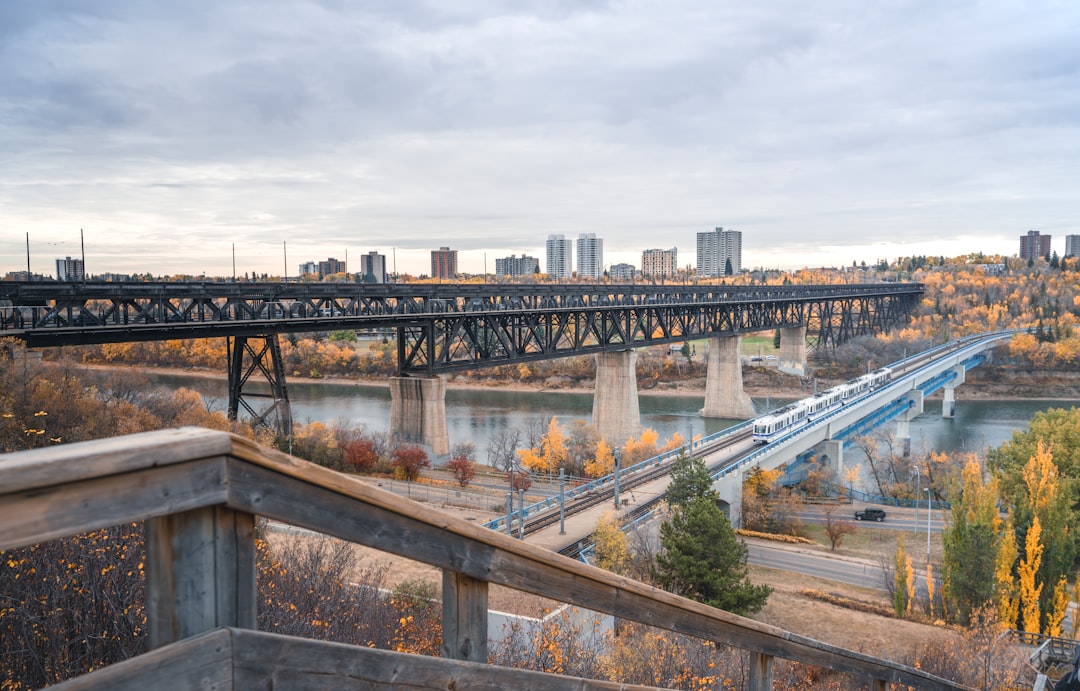
Edmonton Transit buses have front-mounted bike racks that hold two bikes, and LRT trains allow bikes on board outside of the busiest peak-hour windows. This makes a bike-and-ride hybrid realistic for longer commutes, like biking from Windermere to a park-and-ride, then taking the LRT downtown. Check ETS’s current bike policy before your first attempt, since rules around peak-hour restrictions shift periodically.
Parking, Storage, and Indoor Options
On days when weather rules out biking altogether, know your transit and driving fallback ahead of time rather than scrambling that morning. If you drive downtown as a backup, expect to pay $15 to $25 a day at most surface lots near Jasper Avenue, which is part of why so many downtown workers stick with biking or transit once they’ve built the habit. For cross-training on days you skip the bike, our roundup of outdoor fitness classes in Edmonton is a good way to keep moving without the commute mileage.
Quick Pre-Ride Safety Checklist
- Lights: front white, rear red, charged or with fresh batteries
- Helmet: properly fitted, replaced if it’s been in a crash
- Tires: correct pressure, studded if riding on ice
- Brakes: quick squeeze test before rolling out
- Route check: plowing status or trail conditions if riding river valley trails
- Weather check: temperature, wind chill, and air quality index
- Lock: U-lock packed, not left at home “just this once”
- Backup plan: transit fare or ride option ready if conditions turn
Statistics Canada data on active transportation commuting patterns shows cycling commute rates drop sharply in prairie cities once temperatures fall below freezing, which tracks with what most Edmonton riders already know. Building a realistic backup plan is what separates people who bike commute for one enthusiastic June and people who still do it every October three years later. For more on general resources across the city, the Edmonton Wellness Guide homepage has additional local fitness and wellness coverage worth bookmarking.
Related Articles
- Best Running Trails Edmonton River Valley: Where Locals Actually Run
- How to Train for a Half Marathon in Edmonton: A 16-Week Local Runner’s Guide
Sources & References
Find Trusted Wellness Spots in Edmonton
Browse our independent guide to Edmonton’s spas, fitness studios, and wellness services. Local. Honest. Free.
Frequently Asked Questions
What is the safest bike commuting route in Edmonton for beginners?
The river valley trail between Victoria Park and downtown, connecting into the 102 Avenue protected bike lane, is one of the best bike commuting routes in Edmonton for new riders. It keeps you off major roads for most of the trip and only puts you in traffic for the final stretch downtown.
Do I need studded tires to bike commute in Edmonton winter?
If you’re sticking to plowed roads and lanes, studded tires help but aren’t strictly required. If any part of your route includes packed snow or ice on unplowed sections, studded tires at $80 to $150 per tire make a real difference in control and confidence.
Are Edmonton’s River Valley trails safe for bike commuting?
They’re safe and well used from roughly May through October, but trails get icy, unlit, and sometimes unplowed in winter. Switch to plowed roads like 102 Avenue or 124 Street once the trails turn icy, usually by mid-November.
Can I bring my bike on ETS buses and LRT?
Yes. Edmonton Transit buses have front bike racks that hold two bikes, and LRT trains allow bikes on board outside of the busiest peak-hour restrictions. This makes a bike-and-ride combo a realistic option for longer commutes from areas like Windermere or the outer edges of the city.
What should I do during smoke season if I normally bike commute?
Check the air quality health index before heading out, and skip the ride on high-smoke days in favor of transit or driving. Our guide on how smoke season affects outdoor fitness in Edmonton breaks down the specific thresholds worth watching for exertion outdoors.