Every fall, Edmonton gyms fill up with people who swore all summer they would stick to running the river valley. Every spring, half of those same people cancel their memberships the day the ice clears off Groat Road. If you are stuck choosing between a gym and outdoor fitness in Edmonton, you are not really choosing between two workout styles. You are choosing how you will handle six months of real winter, a few smoky weeks in midsummer, and a short stretch of near-perfect weather in between. This guide walks through the decision in order: goals, seasons, cost, a two-week test, access, and consistency. Give yourself about a week to run the test drive in Step 4 before you commit to anything.
Last reviewed:
- Tools needed: a notebook or notes app to track workouts, trail-ready shoes or winter traction cleats, one or two gym day passes, a weather app, and a rough monthly budget
- Time: about 1-2 weeks to test both options, then an ongoing seasonal review every few months
- Difficulty: Beginner
Step 1: Figure Out What You Are Actually Training For
Before you compare a single price tag or trail map, get clear on what the workouts are for. Choosing between a gym and outdoor fitness in Edmonton starts with your goal, not your budget. A lot of Edmontonians default to a gym membership because it feels like the responsible choice, then never use it past February. Others commit to outdoor fitness because it is free, then quietly give up once the daylight shrinks in November. Matching the setting to the goal fixes both problems.
Match Your Goal to the Right Setting
If you are building strength or training for hypertrophy, you need progressive overload with barbells, dumbbells, or machines. That means a gym, full stop. No amount of park benches and resistance bands replicates a proper squat rack. If you are training for the Edmonton Marathon or a shorter road race, your long runs need to happen on the terrain you will race on, which means river valley trails and city streets, not a treadmill. For general cardiovascular health, either setting works. Canada’s 24-Hour Movement Guidelines recommend at least 150 minutes of moderate-to-vigorous activity a week, and that target does not care whether you hit it on a treadmill in Windermere or on a trail near the Capital Line of the river valley system.
Fitness Outdoor Movement In Edmonton covers this in more detail.
Be Honest About Your Starting Point
Beginners usually do better with some structure early on. A gym orientation session or a beginner class at a studio near Old Strathcona, or an intramural fitness option aimed at University of Alberta students, gives you form correction and a set schedule, which matters more than people admit. If you already run or cycle regularly and just need a reason to keep going, outdoor fitness will feel less like a chore because you are not fighting your own habits to get there. Neither answer is permanent. Plenty of people start in a gym for six months, build confidence, then move most of their training outside once the days get longer.
Step 2: Map Edmonton’s Seasons Against Your Schedule
Edmonton does not have four gentle seasons. It has a long, genuinely cold winter, a short shoulder season, a brief window of excellent summer weather, and a handful of smoky weeks that mess up everyone’s outdoor plans. Whatever you decide has to survive all of it, not just July.
Winter Reality: November Through March
From November to March, Edmonton regularly sees stretches of -20°C to -30°C, sometimes colder with wind chill. Outdoor fitness does not stop here. Fat biking and cross-country skiing groups run all winter on river valley trails, and the city grooms trails for exactly that purpose. But it requires real gear: a base layer, a windproof shell, and traction cleats for icy sidewalks. If you are not willing to buy that gear, or you simply hate the cold, a gym is the honest answer for four to five months of the year. Trying to force outdoor workouts through an Edmonton winter without the right setup is how people quit by January.
How To Build An Outdoor Fitness Routine Edmonton covers this in more detail.
Smoke Season: Usually July and August
Wildfire smoke has become a predictable part of Edmonton summers, and air quality can swing from fine to unhealthy within a day. On those days, outdoor fitness is not just uncomfortable, it can be a genuine health risk for anyone with asthma or heart conditions. Our guide on why smoke season affects outdoor fitness in Edmonton breaks down the air quality thresholds worth watching and which indoor options make sense as a backup. This is the strongest argument for keeping some kind of gym or indoor fitness option active even if you prefer training outside most of the year.
Why Edmonton Fall Weather Triggers Fitness Motivation Shifts covers this in more detail.
Prime Outdoor Months: May Through September
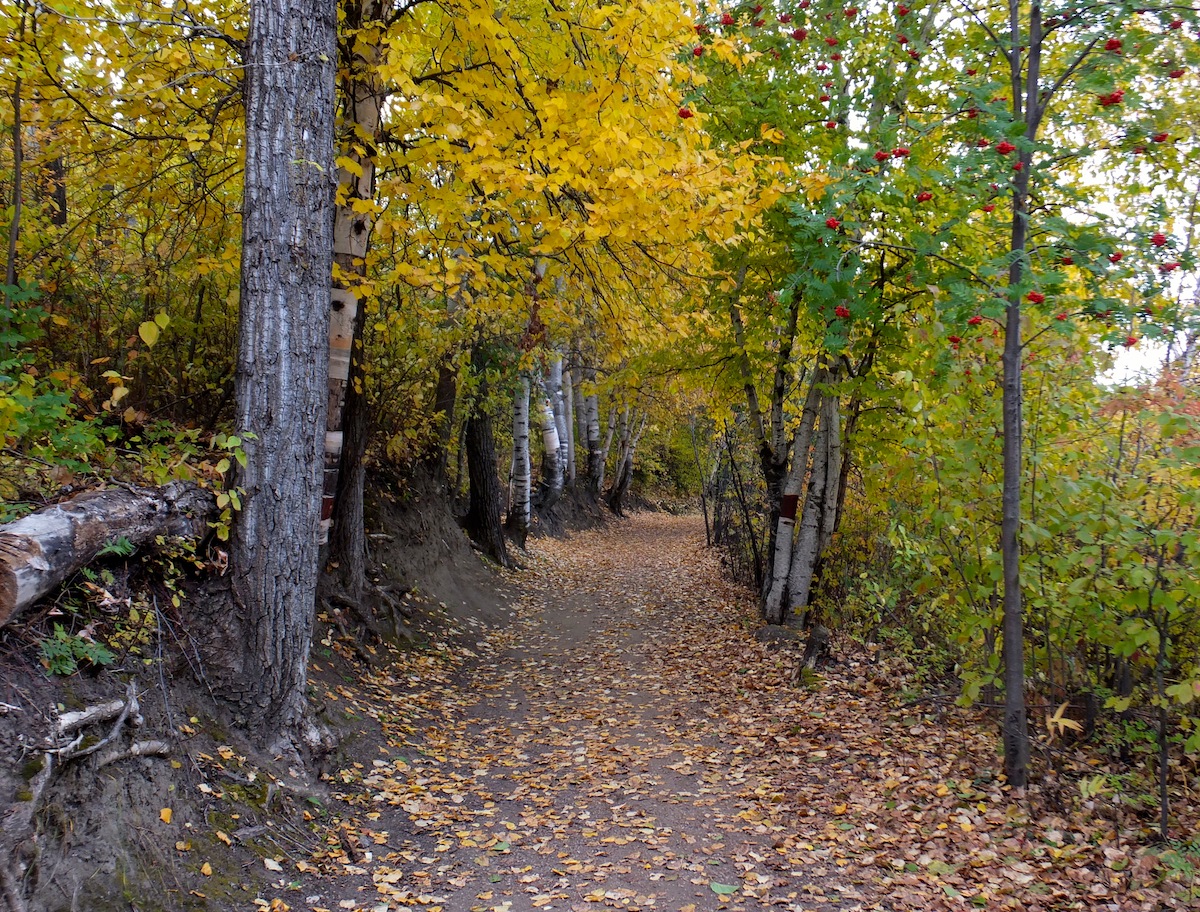
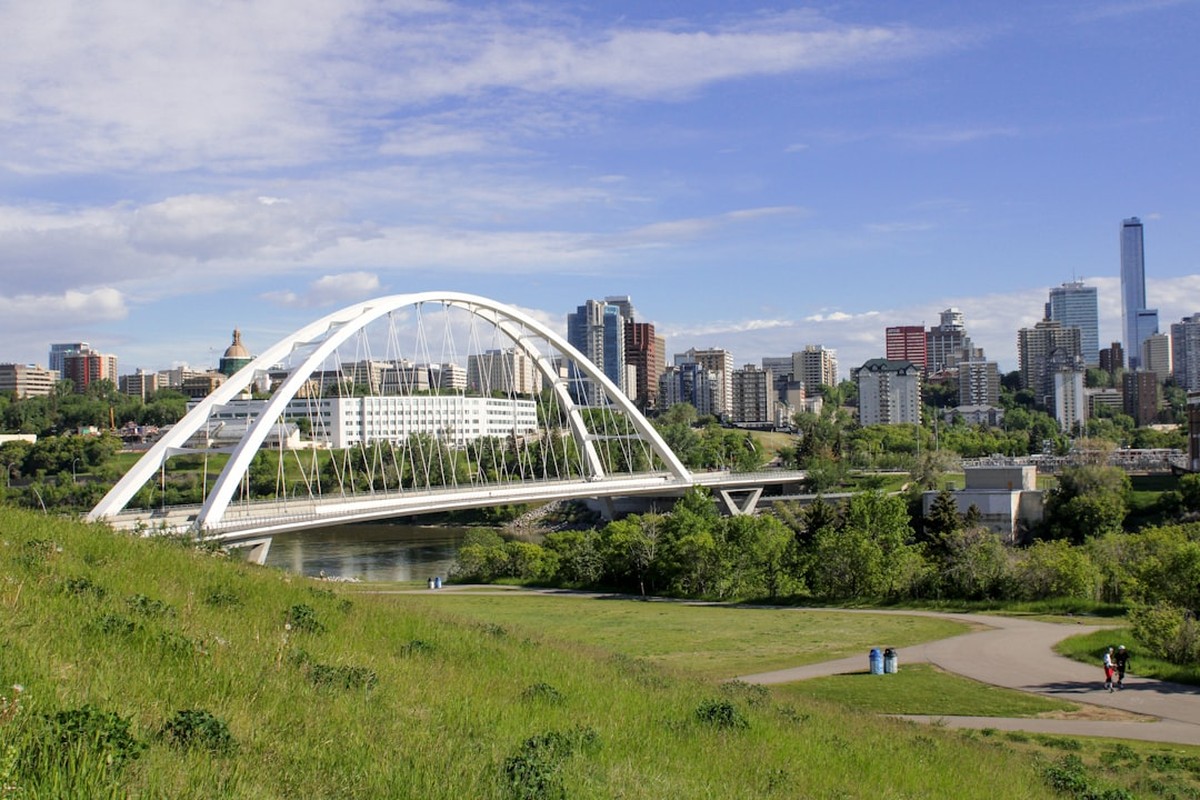
May through September is when Edmonton earns its outdoor fitness reputation. Long daylight hours mean you can run at 8 p.m. and still have light. Hawrelak Park, Whitemud Park, and the trails near Government House Park fill up with runners, cyclists, and outdoor bootcamps. If your goal is to be outside as much as possible, this is the stretch to build around. Check our roundup of outdoor fitness classes in Edmonton this summer for specific instructors and meeting points.
Step 3: Compare the Real Costs
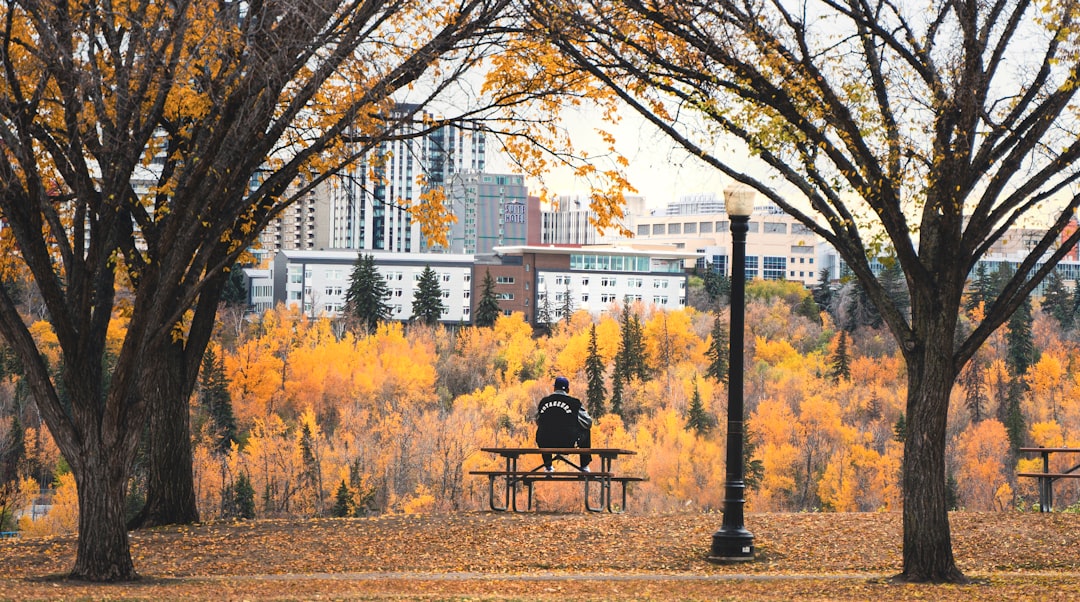
Cost is where most people start when choosing between a gym and outdoor fitness in Edmonton, and it is usually the most misleading part. A gym membership has an obvious sticker price. Outdoor fitness looks free until you add up the gear.
What Edmonton Gyms Actually Charge
Big box gyms in Edmonton run roughly $40 to $60 a month, with locations along Jasper Ave, Whyte Avenue, near West Edmonton Mall, and out toward Windermere. Boutique studios, the kind offering small-group strength or spin classes around 124 Street or Old Strathcona, typically charge $150 to $220 a month for unlimited classes, or $25 to $35 for a drop-in. City-run facilities sit in the middle. Edmonton’s community recreation centres, including options near Downtown and the Meadows, charge around $12 to $16 for a drop-in visit or roughly $700 to $900 for an annual adult pass, which usually includes pools and fitness classes on top of a weight room.
What Outdoor Fitness Actually Costs
Trail access itself is free. The City of Edmonton’s river valley trail network is one of the largest connected urban park systems in North America, and none of it requires a membership. The real cost shows up in gear: proper winter running shoes or traction cleats run $30 to $60, a decent windproof layer is another $100 to $200, and if you get into fat biking or cross-country skiing, expect $300 to $800 for equipment unless you rent. Outdoor group classes and bootcamps, when led by an instructor, usually cost $15 to $25 per session, similar to a gym drop-in.
| Category | Gym | Outdoor Fitness |
|---|---|---|
| Typical monthly cost | $40 to $220 | $0 to $50 after initial gear |
| Weather dependency | None | High, especially Nov to Mar and smoke season |
| Equipment needed | Provided on site | Owned by you, seasonal |
| Parking | Often paid or limited downtown | Usually free at trailheads, fills fast on weekends |
| Accountability | Classes and trainers built in | Self-directed unless in a group |
| Best season in Edmonton | Year-round, especially Nov to Apr | May to Sept, with winter options for the gear-committed |
Step 4: Test Drive Both for Two Weeks
Stop debating on paper. Book two weeks, split it in half, and actually try both.
What to Look for During a Gym Trial
Most Edmonton gyms, including the big chains on Jasper Ave and the community centres, offer a free day pass or a short trial. Use it to check three things: how crowded the weight room is at the time you would actually go, how far the parking lot or LRT stop is from the door in January, and whether the class schedule matches your calendar. A gym that looks great on a Tuesday afternoon tour can feel completely different at 6 p.m. on a Monday when everyone else in Oliver or Downtown is also trying to squeeze in a workout after work.
Outdoor Routes Worth Testing First
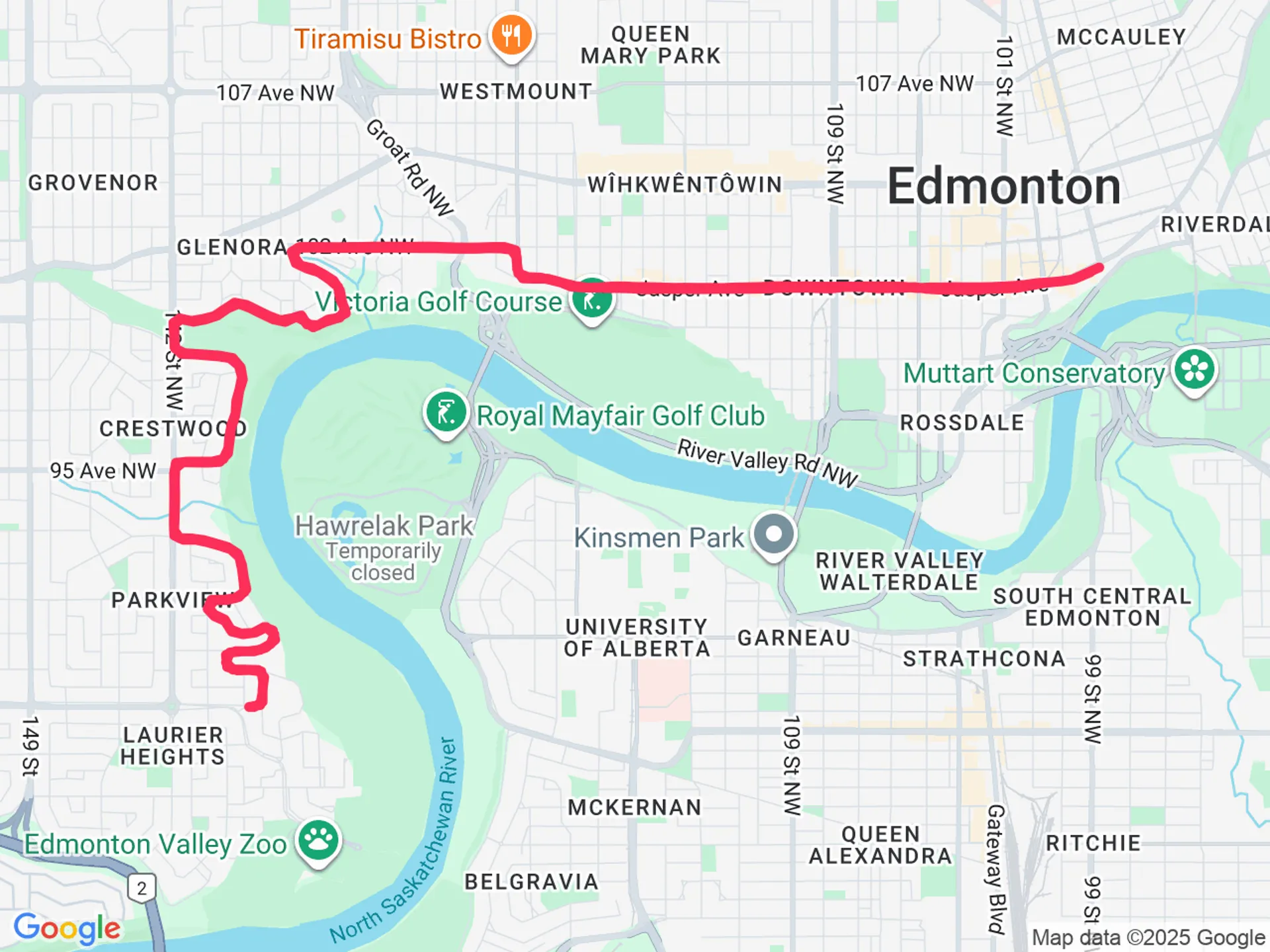
For the outdoor half of the test, pick two or three routes and actually run or walk them at the time of day you would normally train. Try a river valley trail near Hawrelak Park, a neighbourhood loop close to home, and one route with hills if your goal involves any kind of endurance training. Pay attention to lighting after dusk, footing on gravel versus paved sections, and how busy the trail gets. Our guide to fitness and outdoor movement in Edmonton has a fuller list of trailheads and neighbourhood routes if you want more options to test beyond the obvious ones.
Watch out: do not run this test entirely in perfect weather. Test at least one gym session and one outdoor session in less-than-ideal conditions, a cold snap, a rainy evening, whatever is realistic. That is the only way to know which option you will actually keep using in February, not just in June.
Step 5: Weigh Parking, Transit, and Location Access
Access kills more fitness routines than motivation does. If getting to your workout is a hassle, you will skip it, no matter how good your intentions were in January.
Downtown and Oliver Gym Access
Gyms downtown and in Oliver are convenient if you already work in the core, but parking is the trade-off. Street meters downtown run around $4 to $6 an hour, and many downtown gyms do not include parking in the membership. Check whether the location sits near an LRT stop. Corona and Bay/Enterprise Square both put you within a short walk of several downtown gyms, which is often cheaper and faster than driving and parking. Gyms further out, in Windermere or near Sherwood Park, usually offer free surface lot parking, which matters if you are already driving in from the suburbs.
River Valley Trailhead Parking and Transit
River valley trailheads at Hawrelak Park, Whitemud Park, and Kinnaird Ravine all have free parking lots, but they fill fast on summer weekends, during Folk Fest at Gallagher Park, and on Saturday mornings when the Old Strathcona Farmers’ Market crowd is also looking for a spot nearby. If you are planning a Saturday morning trail session, get there before 9 a.m. or expect to circle for a spot. Several trailheads are also served by ETS bus routes, worth checking if you would rather skip the parking search entirely. For anyone commuting in from Sherwood Park, factor in the extra 20 to 30 minutes each way before assuming outdoor fitness will actually fit your schedule.
Watch out: do not choose a gym or a trailhead based on how close it looks on a map. Drive or walk the actual route once, at the actual time you would go, before you commit to a membership or build a routine around it.
Step 6: Build a Consistency Test

Cost and access matter, but the real question is whether you will still be showing up in October. Consistency comes from accountability, and gyms and outdoor fitness build accountability in different ways.
Structured Accountability: Classes and Trainers
A gym or studio gives you a fixed class time, an instructor who notices if you stop showing up, and often a group of regulars who become part of the reason you go. If you know you need external pressure to stay consistent, book a recurring class slot rather than relying on drop-in visits. Drop-in-only memberships tend to have the lowest attendance over time, because there is no fixed commitment pulling you back in.
Self-Directed Accountability Outdoors
Outdoor fitness relies more on you. That works well for people who are naturally disciplined or who train with a regular running or cycling partner, but it can fall apart fast without some kind of structure. Set a fixed schedule, same three mornings a week, same route, and treat it like an appointment. Apps that track streaks help. So does joining a running club or an outdoor bootcamp instead of going solo. For a more detailed framework, see our guide on how to build an outdoor fitness routine in Edmonton, which walks through a week-by-week structure built around Edmonton’s seasons.
Choosing between gyms and outdoor fitness in Edmonton often comes down to this one factor more than cost or convenience. People who need a room full of witnesses to stay consistent should lean gym. People who already treat a morning run like brushing their teeth can lean outdoor and save the money.
Step 7: Make the Call, or Build a Hybrid Plan
By this point you have tested both, checked the real costs, and figured out access, which means you have already done most of the work of choosing between a gym and outdoor fitness in Edmonton. Now decide, or admit that a hybrid plan is the honest answer, which it is for a lot of people in this city.
Signs You Should Default to a Gym
If your goals involve strength training, if you hate the cold more than you hate paying a monthly fee, or if you know you need a class schedule to stay consistent, a gym is the more reliable choice. It is also the safer default for the four or five months a year when outdoor training means dealing with ice, wind chill, and short daylight hours.
Signs Outdoor Fitness Will Actually Stick
If you already enjoy being outside, if your goals are running or cycling based, or if the cost of a gym membership is the main thing holding you back, outdoor fitness will likely stick better than you expect. Edmonton’s long summer daylight and extensive river valley trail system make the May-to-September stretch genuinely easy to build a routine around.
The Hybrid Approach Many Edmontonians Land On
Most people who stick with fitness long-term in this city do not pick one and abandon the other. They run and cycle outdoors from May through September, then shift indoors for the darker, colder months, sometimes keeping a low-cost gym membership or a community centre pass specifically for that stretch. Motivation naturally dips as the weather turns each fall. Our piece on why Edmonton fall weather triggers fitness motivation shifts gets into why that happens and how to plan around it instead of fighting it. A hybrid plan costs a bit more than picking one option, but it removes the excuse of bad weather entirely, which is usually what causes people to stop training altogether.
Common Mistakes to Avoid
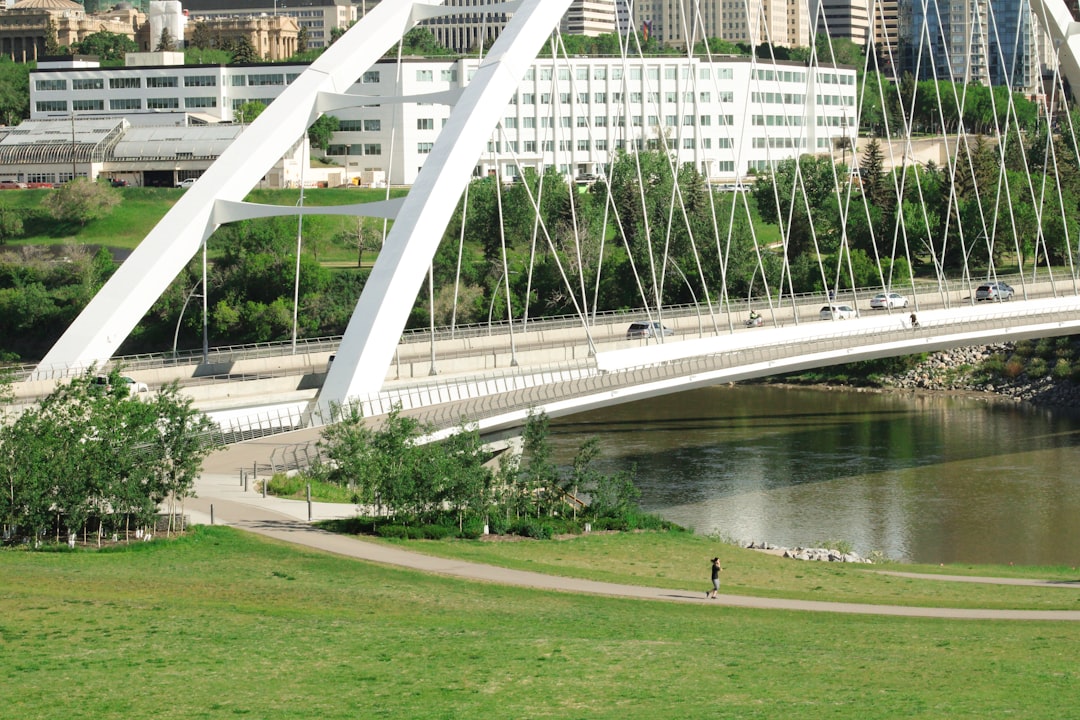
- Signing an annual gym contract before testing it in winter. A gym that feels great in July might have a packed parking lot and a 6 p.m. rush you did not anticipate once cold weather pushes everyone indoors.
- Buying outdoor winter gear after the cold hits. Traction cleats and proper base layers sell out locally once the first real cold snap arrives. Buy them in October.
- Ignoring air quality during smoke season. Pushing through a hard outdoor workout on a bad air quality day is not toughness, it is a real health risk, especially for anyone with asthma.
- Choosing a location based on the map instead of the actual commute. A gym that is 12 minutes away on paper can be 25 minutes away once you factor in downtown traffic or trailhead parking on a weekend.
- Assuming outdoor fitness is free. Between shoes, layers, and occasional gear replacement, a serious outdoor routine can cost nearly as much as a mid-range gym membership over a year.
- Picking one option and refusing to adjust seasonally. The Edmontonians who stay consistent year over year usually shift indoors and outdoors with the calendar instead of forcing one setting through every season.
What’s Next
Once you have picked a direction, or settled on a hybrid plan, the next step is building the actual weekly structure around it. Start with our broader guide to fitness and outdoor movement in Edmonton for trail maps, seasonal routes, and studio recommendations across the city. If you want the full library of gyms, yoga studios, and recovery options in one place, Edmonton Wellness Guide’s directory is a good place to keep browsing.
Sources & References
Find Trusted Wellness Spots in Edmonton
Browse our independent guide to Edmonton’s spas, fitness studios, and wellness services. Local. Honest. Free.
Related Reading
Related Reading
Related Reading
Frequently Asked Questions
How do I choose between a gym and outdoor fitness in Edmonton?
Start with your goal. Strength training points toward a gym, endurance and running goals point toward outdoor training. Then test both for two weeks in real conditions, not just on a sunny day, and factor in winter, since roughly five months of the year make outdoor training genuinely harder without proper gear. Most people end up with a seasonal hybrid rather than picking one permanently.
Is it cheaper to work out outdoors in Edmonton than to join a gym?
Outdoor fitness is cheaper month to month, since river valley trails are free to use, but the upfront gear cost, winter shoes, traction cleats, and layers, can run $200 to $500 in the first year. A mid-range Edmonton gym membership runs $40 to $60 a month, so outdoor training still comes out ahead over a full year if you already own basic gear.
What should I do about outdoor workouts during Edmonton’s smoke season?
Check the air quality index before heading out, and treat anything in the poor or very poor range as a signal to move your workout indoors for the day. Keep a backup plan ready, a community recreation centre day pass or a home workout, so smoke season does not derail your routine entirely. See our guide on why smoke season affects outdoor fitness in Edmonton for specific thresholds to watch.
Can I switch between a gym and outdoor fitness throughout the year?
Yes, and it is what most consistent Edmontonians actually do. Run and cycle outdoors from May through September, then shift to a gym or community centre from October through April when ice and short daylight make outdoor training harder to sustain.
Do I need a gym membership if I already run outdoors regularly?
Not necessarily, but keeping a low-cost drop-in option or a community recreation centre pass gives you a fallback for smoke season, deep cold snaps, and strength training that outdoor running does not cover. A hybrid setup costs more than picking one option, but it removes weather as an excuse to skip training altogether.