Can You Hike the Edmonton River Valley in Winter?
Yes. Edmonton’s river valley trail system does not close for winter, and thousands of locals use it every week from November through March. The real question is not whether you can hike the river valley in winter. It is whether you have dressed for it and picked the right trail for the day’s conditions. This guide covers the trail-by-trail breakdown, the gear that actually works below -20°C, the health reasoning behind why so many Edmontonians keep doing this every year, and the specific weather conditions that mean you should stay home instead.
Last reviewed:
Edmonton sits at a latitude where winter is not a two-week inconvenience. It is five or six months of the calendar, depending on the year. If you wait for the river valley to feel like a July afternoon before you go outside, you lose almost half the year of trail access. The more than 160 kilometres of maintained pathways that run through the local trail network, including Mill Creek Ravine, Whitemud Park, Terwillegar, and the river valley proper, stay open through winter, and several sections get groomed specifically because the city knows residents use them year-round.
The Short Answer: Yes, With the Right Prep
Winter hiking in the river valley is common, not fringe. On a clear Saturday in January, you will see dog walkers, cross-country skiers, fat bikers, and hikers sharing the same packed-snow corridors along the North Saskatchewan River. The trails are not roped off. Nobody checks your gear at the trailhead. The difference between a good hike and a miserable one comes down to three things: what you are wearing, which trail you picked, and whether you checked the forecast before you left the house.
The trade-off for going in winter is real, though. Daylight runs out fast, some slopes turn to sheet ice by mid-February, and a twisted ankle two kilometres from the nearest parking lot is a much bigger problem at -25°C than it is in August. None of that means stay inside. It means plan like a northern hiker, not like someone visiting from Vancouver.
What Changes When Temperatures Drop Below Zero
Snow compacts the trail surface, which changes how your feet grip with every step. Fresh powder is forgiving. Trail sections that get foot traffic and then a freeze-thaw cycle turn into hardpack ice, especially on south-facing slopes that melt during the day and refreeze overnight. Wind exposure also changes everything. The valley floor is often 3 to 5 degrees warmer than the rim on a still day, because cold air sinks and the tree cover blocks wind. That is one of the microclimate quirks that makes the river valley more hikeable in winter than an open field would be.
Outdoor Running Routes Edmonton Summer Vs Winter Comparison covers this in more detail.
Respiration changes too. Cold, dry air pulls moisture out of your lungs faster than humid summer air, which is part of why winter hiking can feel harder on your breathing even at an easy pace. Pace yourself accordingly and expect your normal summer trail time to run 15 to 25 percent longer in deep snow.
Who Winter Hiking Actually Works For
Winter hiking in the river valley works well for people who already walk or hike regularly and just need to adjust gear and route choice for the season. It is not the moment to attempt your first-ever long hike. If you are new to hiking altogether, start with a groomed, well-traveled route close to a parking lot, like the paved sections near the Edmonton wellness and fitness community frequently recommends to beginners, and build up from there. People managing joint issues, balance problems, or respiratory conditions should talk to a doctor before tackling icy or steep terrain, since cold air and uneven footing both add strain that summer hiking does not.
How Edmonton’s River Valley Handles Winter Conditions
The river valley is not one uniform trail. It is a patchwork of paved multi-use paths, packed dirt singletrack, and steep ravine stairs, and each surface behaves differently once the temperature drops. Understanding how the city maintains these trails, and where the valley’s own geography works in your favor, makes the difference between a solid hike and an afternoon spent white-knuckling down an ice slope.
Trail Grooming and City Maintenance
The City of Edmonton maintains a river valley trail network that includes both paved and natural surface trails, and the City’s river valley parks system page outlines which corridors get winter attention. Major paved paths, like the ones through Hawrelak Park and along the river near downtown, get plowed after significant snowfalls, similar to a sidewalk. Natural surface trails do not get plowed. They get packed down by foot and ski traffic instead, which is why a trail can be perfectly walkable three days after a snowfall and a slippery mess the day after, once that packed layer partially melts and refreezes.
This matters for planning. If you want the most predictable footing, stick to paved sections. If you want quiet and are comfortable with more variable conditions, the natural trails through Mill Creek Ravine or Whitemud offer a different experience, but check recent weather before you go.
Microclimates: Why the Valley Floor Feels Different Than the Rim
Anyone who has hiked from the top of the river valley down to the water’s edge in winter has felt this firsthand. The rim, up near street level in neighborhoods like Old Strathcona or Riverdale, catches wind that sweeps across the open prairie. Drop down into the ravine and that wind mostly disappears, blocked by the valley walls and whatever tree cover survived the season. Cold air also pools at low points, so on very still, clear nights, the valley floor can occasionally be colder than the rim right before sunrise. Through most of a typical winter day, though, the wind-blocking effect wins, and the valley floor feels noticeably milder than the exposed top.
This is one reason winter hikers gravitate toward valley-floor routes instead of rim-top ones. Less wind means less wind chill, and wind chill does more damage to exposed skin than the air temperature alone.
Ice, Packed Snow, and the Trails That Get Slick Fast
Watch for three ice-prone spots specifically: bridge crossings, where cold air moves both above and below the deck and freezes moisture faster than open trail; stair sections in ravines like Mill Creek and Kinnaird, which get foot traffic that polishes snow into ice within days; and any south-facing slope, which melts under direct sun even at -10°C and refreezes hard once the sun drops behind the valley wall by mid-afternoon. If you hike the same trail regularly, you will start to recognize these spots. If you are new to a route, assume any downhill grade could be icy and adjust your pace before you are already sliding.
The Best River Valley Trails for Winter Hiking
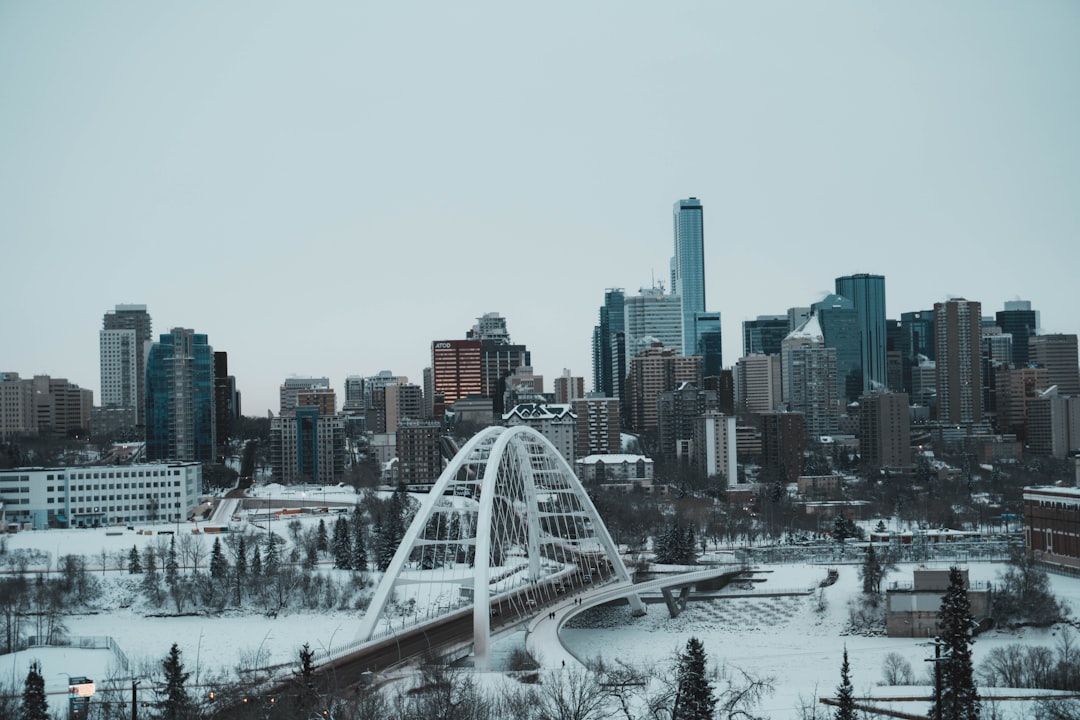
Not every trail in the system is equally good for a winter hike. Some get consistent foot traffic that keeps them packed and walkable. Others see so little winter use that you are breaking trail through untouched snow, which is a different kind of workout entirely. Here is a breakdown of the trails locals actually use once the snow flies, drawn from the wider trail guide at Edmonton Wellness Guide.
Mill Creek Ravine and Whyte Avenue Access
Mill Creek Ravine runs from the river valley up through Old Strathcona, with an entry point just a few blocks off Whyte Avenue. It is one of the most consistently used winter trails in the city because it sits close to dense residential neighborhoods, so foot traffic keeps the snow packed within a day or two of any snowfall. The trail follows the creek bed, which means some sections get shaded most of the day and hold ice longer, particularly near the stairs by the old rail bridge. Street parking is available on the residential streets bordering the ravine, and it is a short walk or a quick bus ride from Whyte Avenue itself.
Buena Vista Park and the Legislature Grounds Loop
Buena Vista Park, just north of the Legislature grounds in the river valley below Oliver, offers open sightlines across the river toward downtown, which makes for a good winter hike when you want a shorter route with less tree cover blocking the low winter sun. The path along the riverbank here tends to stay more exposed to wind than the ravine trails, so it is not the pick for a -30°C day, but on a mild, sunny winter afternoon it is one of the most scenic short hikes in the city. Free parking is available near the Legislature, and the grounds are a short walk from the Grandin LRT station.
Whitemud Ravine and Terwillegar Park
Further southwest, Whitemud Ravine and Terwillegar Park offer longer, quieter routes with more elevation change than the central river valley trails. These see less foot traffic than Mill Creek, which means snow stays deeper longer, so they suit hikers who want a workout rather than a stroll, or who are comfortable using traction devices on less-packed surfaces. Terwillegar Park has a dedicated parking lot off Terwillegar Drive, and the natural area trails connect into a broader loop that can run 6 to 10 kilometres depending on the route chosen.
| Trail | Neighborhood Access | Winter Surface | Best For | Parking |
|---|---|---|---|---|
| Mill Creek Ravine | Old Strathcona / Whyte Ave | Packed snow, icy stairs | Quick, well-traveled hikes | Street parking, transit accessible |
| Buena Vista Park | Oliver / Legislature | Exposed, windy in spots | Scenic short walks on mild days | Free lot near Legislature |
| Whitemud Ravine | Southwest Edmonton | Deeper snow, less packed | Longer, quieter workouts | Dedicated lot off Whitemud Dr |
| Terwillegar Park | Windermere area | Mixed, some groomed loops | Family hikes, longer loops | Dedicated lot off Terwillegar Dr |
| Hawrelak Park Paths | Near U of A / Fox Drive | Plowed paved paths | Most reliable footing | Large free lot |
For a deeper, trail-by-trail breakdown of surfaces, distances, and difficulty across the whole system, the full river valley trail resource is worth bookmarking before your first winter outing.
What to Wear and Bring for Winter River Valley Hikes
Gear is where most winter hiking mistakes happen. People either overdress and sweat through their base layer, which is dangerous once you stop moving and that sweat starts to cool, or they underdress for what feels like a short walk and end up with cold hands and feet twenty minutes in. Here is what actually works for river valley conditions specifically, not generic winter advice pulled from a mountaineering guide.
Layering for -20°C to -30°C
Three layers, not one heavy coat. A moisture-wicking base layer, a fleece or wool mid layer for insulation, and a windproof outer shell. Cotton is the wrong call for any layer touching your skin, since it holds moisture and loses insulating value once damp. On an active hike, you generate more heat than you think, so start slightly cool at the trailhead. If you are comfortable standing still in the parking lot, you will likely overheat within the first kilometre.
- Base layer: merino wool or synthetic long underwear, top and bottom
- Mid layer: fleece jacket or wool sweater
- Outer shell: windproof, ideally with some breathability
- Extremities: insulated mittens (warmer than gloves), a toque that covers the ears, and a neck gaiter or scarf
- Socks: wool, with a spare pair in your bag if the hike is longer than an hour
Footwear and Traction Devices
Insulated winter boots rated to at least -30°C are worth the investment if you plan to hike regularly through an Edmonton winter. Traction devices that strap over your boots, the kind with small metal spikes or coils, make an enormous difference on packed and icy sections like the Mill Creek stairs or any south-facing slope. They cost roughly $30 to $60 at most outdoor retailers around the city and pay for themselves the first time they save you from a fall. Trekking poles help too, particularly on descents, by giving you two extra points of contact when footing is uncertain.
Safety Gear and the Buddy System
Carry a fully charged phone, know roughly where you have cell coverage drops off (some ravine sections are patchy), and tell someone your route and expected return time before you go, especially for longer hikes on Whitemud or Terwillegar trails where foot traffic is lighter. A small emergency kit with hand warmers, a headlamp (daylight runs out fast in December and January), and a few high-calorie snacks is not overkill. If you are hiking alone regularly, consider joining one of the local hiking or walking groups that organize river valley outings through the winter, since a second person on the trail is the single best safety upgrade available.
Health Benefits and Risks of Winter Hiking
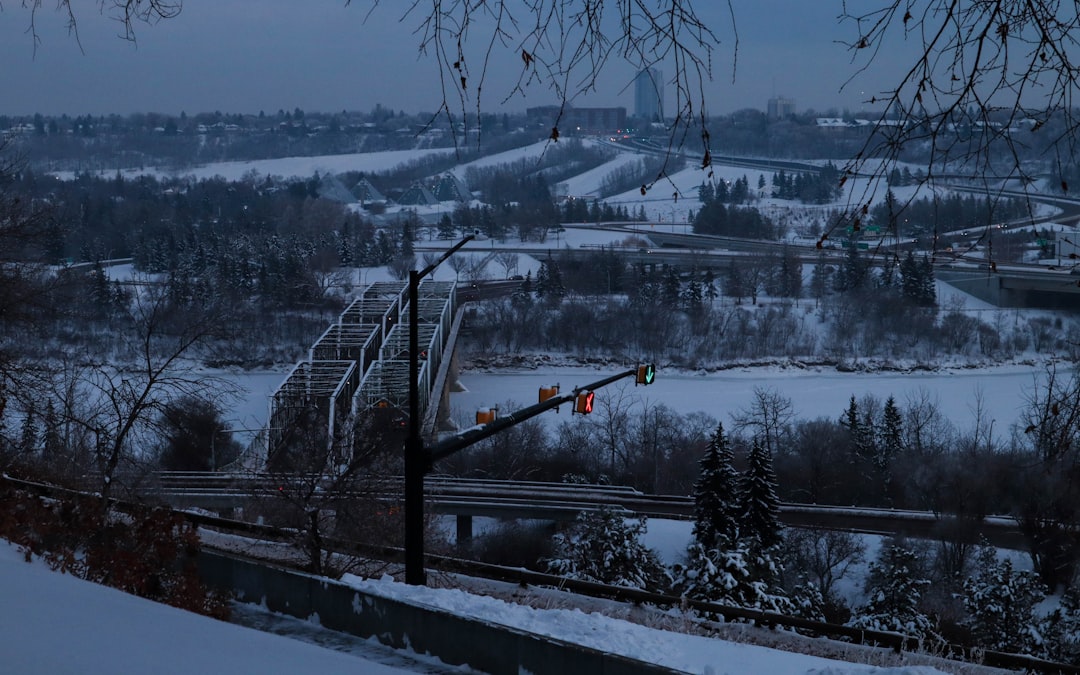
There is a reason people who winter hike tend to keep doing it year after year, and it is not just stubbornness. There is also a reason to take the risks seriously rather than treating cold exposure as something to just push through.
What Cold Exposure and Movement Do for Your Body
Regular outdoor activity through winter is associated with better mood regulation and reduced symptoms of seasonal low mood, according to research summarized by the Mayo Clinic’s overview of seasonal affective disorder treatment, which specifically lists light exposure and physical activity among the non-drug approaches worth trying. Walking outdoors also delivers natural light exposure that indoor exercise cannot replicate, and even on an overcast Edmonton day, outdoor light levels are far higher than typical indoor lighting. Movement itself raises core temperature and circulation, which is part of why a brisk hike feels warmer ten minutes in than it did standing at the trailhead.
Physical activity guidelines from Health Canada recommend at least 150 minutes of moderate activity per week for adults, and outdoor walking or hiking counts fully toward that target, whatever the season. A single one-hour river valley hike in winter, particularly on hillier routes like Whitemud, can burn meaningfully more calories than the same distance on flat pavement due to the extra effort snow and grade demand.
Frostbite, Hypothermia, and Knowing the Signs
Frostbite typically starts on exposed skin and the extremities: nose, ears, fingers, toes. Early signs include numbness and a whitish or waxy look to the skin. Alberta Health Services’ cold weather safety guidance recommends covering exposed skin, watching for numbness, and getting indoors immediately if you notice any of these signs, since frostbite can progress within minutes at extreme wind chills. Hypothermia is a separate, more serious risk, marked by uncontrollable shivering, confusion, and slurred speech. If a hiking partner starts acting confused or unusually clumsy in cold conditions, treat it as an emergency and get them warm and dry immediately.
Seasonal Affective Disorder and Why Getting Outside Matters in January
Edmonton loses roughly seven hours of daylight between the summer solstice and the winter solstice, and that shift hits harder here than in cities further south. Getting outside during the limited daylight hours, even for a twenty-minute midday hike near the Legislature or through Mill Creek, does more for mood and energy than the same walk done on a treadmill under fluorescent lights. It will not fix clinical depression on its own, and anyone dealing with persistent low mood through winter should talk to a doctor, but as a daily habit, outdoor movement is one of the more evidence-backed, low-cost tools available.
When Not to Hike: Reading Edmonton’s Winter Weather
Being willing to hike through winter does not mean hiking through everything winter throws at you. Some days genuinely call for staying indoors, and knowing the difference protects you better than any piece of gear.
Wind Chill Warnings and Extreme Cold Alerts
Environment and Climate Change Canada issues extreme cold warnings when wind chill values are expected to reach -40°C or colder, or when temperatures alone drop to that range, conditions Edmonton typically sees at least a few times each winter. At that threshold, exposed skin can experience frostbite in under ten minutes, which does not leave much margin for a multi-kilometre trail. On days with an active extreme cold warning, this is the day to skip the river valley and do an indoor workout instead. Watch the forecast the night before and the morning of, since wind chill in the river valley can shift quickly as a front moves through.
Daylight Hours and Timing Your Hike
Edmonton gets under eight hours of daylight around the winter solstice, with sunset sometimes before 4:30 in the afternoon in late December. Plan hikes for midday, roughly 11am to 2pm, when both light and temperature tend to be at their best. A headlamp is non-negotiable if there is any chance you will still be on trail as the sun drops, since river valley trails have minimal lighting outside of the paved paths near Hawrelak Park and downtown.
Smoke Season Contrast: Why Winter Air Quality Is Actually Better
It is worth noting how different winter hiking conditions are from Edmonton’s summer wildfire smoke season, when air quality can make outdoor exercise genuinely unhealthy for days at a stretch. The full breakdown of how smoke season affects outdoor fitness in Edmonton covers this in detail, but the short version is that winter air, cold as it is, is usually far cleaner to breathe deeply during an active hike than smoke-heavy August air. If you are choosing between a winter hike and a summer smoke-season one, the winter air itself is rarely the limiting factor. The cold is the challenge, not the air quality.
Practical Logistics: Parking, Transit, and Trail Access
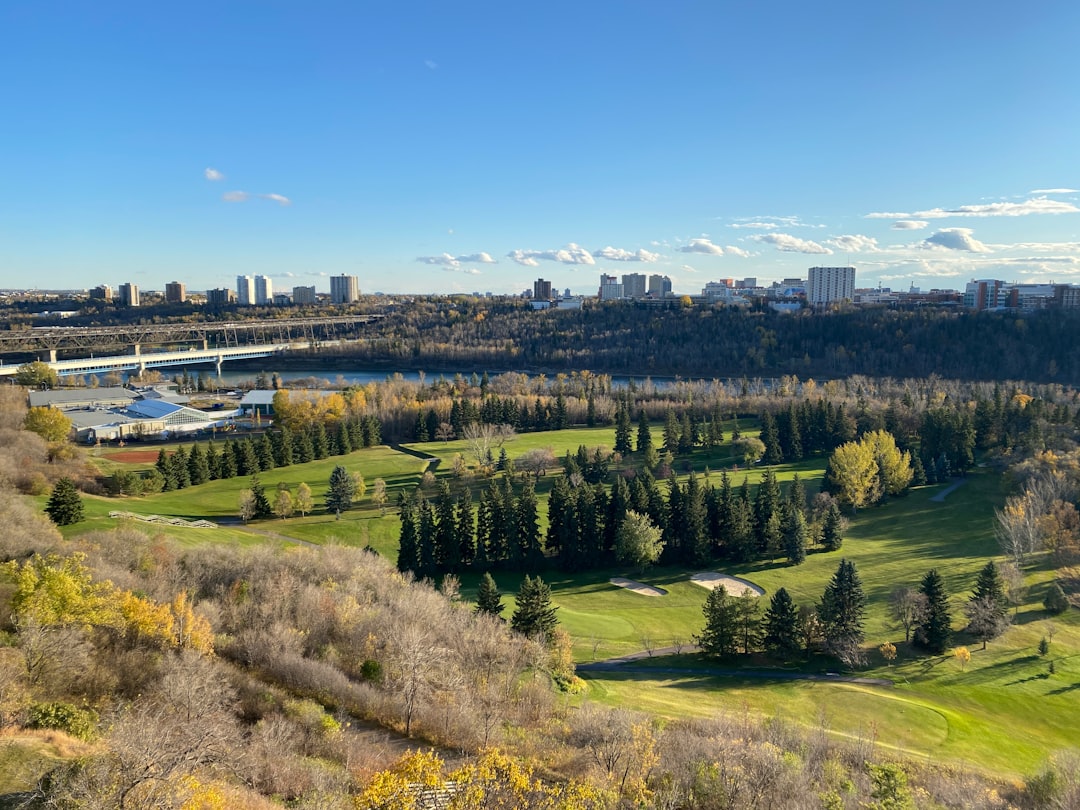
None of the gear or route advice matters if you cannot actually get to the trailhead easily on a cold morning. Here is what parking and transit access actually look like at the main winter hiking entry points.
Best Parking Spots by Trailhead
Hawrelak Park has the largest and most reliably plowed free lot in the river valley system, making it a dependable starting point even after a fresh snowfall. Terwillegar Park and Whitemud Park both have dedicated lots that get cleared, though expect a slightly later plow time after big snow events compared to Hawrelak. Mill Creek Ravine relies on residential street parking near the Whyte Avenue and Bonnie Doon entry points, which is free but can fill up on weekends when the weather is good. Buena Vista Park has a free lot near the Legislature grounds that also serves visitors to the grounds themselves, so expect more competition for spots during business hours on weekdays.
Transit Access to River Valley Trailheads
Several trailheads sit close to LRT stations, which matters on days when driving in snow feels like more hassle than it is worth. Grandin station puts you a short walk from Buena Vista Park and the Legislature grounds trails. University station connects to paths near Hawrelak Park and the river valley trails below the University of Alberta. Bus routes serve the Old Strathcona side of Mill Creek Ravine from Whyte Avenue, making it one of the more transit-friendly winter hikes in the city for anyone without a vehicle.
Guided Options and Community Groups
If hiking alone through an Edmonton winter feels daunting, several local outdoor and hiking groups organize weekly or biweekly river valley walks through the coldest months, which solves both the safety and motivation problem at once. These groups typically post routes and meeting points in advance and welcome newcomers at a beginner pace. For a broader look at where else to move your body through an Edmonton winter beyond hiking, the fitness and outdoor movement guide covers gyms, trainers, and other cold-weather options, and the seasonal comparison of summer versus winter running routes in Edmonton is a useful companion if running is more your pace than hiking. For hikers who want to build toward longer routes once they are comfortable with winter conditions, the guide to the best running and hiking trails through the river valley lays out distance and difficulty across the full trail system.
Related Articles
- How to Train for a Half Marathon in Edmonton: A 16-Week Local Runner’s Guide
- Where to Find Outdoor Fitness Classes in Edmonton: Summer 2024 Guide
Sources & References
Find Trusted Wellness Spots in Edmonton
Browse our independent guide to Edmonton’s spas, fitness studios, and wellness services. Local. Honest. Free.
Frequently Asked Questions
Is it safe to hike the Edmonton river valley alone in winter?
It can be, on well-traveled trails like Mill Creek Ravine during daylight hours, as long as you tell someone your route and carry a charged phone. On quieter trails like Whitemud or Terwillegar, or during extreme cold warnings, a hiking partner is a much safer choice. Join a local winter hiking group if you want built-in company on a regular schedule.
What temperature is too cold to hike the river valley?
Once an extreme cold warning is in effect, generally wind chill values of -40°C or colder, it is time to move your workout indoors. Below that threshold but still very cold, roughly -25°C to -35°C, a shorter hike on a sheltered, wind-blocked route like the Mill Creek Ravine floor is more reasonable than an exposed rim-top trail like Buena Vista Park.
Do I need special boots to hike in winter in Edmonton?
Yes, regular running shoes or fall hiking boots are not warm enough or grippy enough for Edmonton winter trail conditions. Look for boots rated to at least -30°C, and pair them with a strap-on traction device for icy sections like ravine stairs and bridge crossings.
Which river valley trail is best for beginners in winter?
Mill Creek Ravine near Whyte Avenue and the paved paths through Hawrelak Park are the most beginner-friendly winter options, since both see heavy foot or plow traffic that keeps footing predictable. Start with a short out-and-back before committing to a longer loop through Whitemud or Terwillegar.
Are the river valley trails plowed in winter?
Paved multi-use paths, including sections through Hawrelak Park and the central river valley, do get plowed by the City of Edmonton after significant snowfalls. Natural surface trails, like most of Mill Creek Ravine and the ravine trails in Whitemud, are not plowed and instead get packed down naturally by foot, ski, and bike traffic.
Can you cross-country ski and hike the same river valley trails?
Some trails serve both uses, but heavily skied sections develop set tracks that are awkward and sometimes discouraged to walk on, since footprints break up the ski grooves. Check trail signage at the trailhead, and where dual use is not posted, stick to trails known primarily for hiking and dog walking, like the Mill Creek and Buena Vista routes, to avoid conflicts.