Cold therapy has finally caught on in Edmonton. After years of watching athletes and biohackers on social media step into minus-150-degree chambers, local wellness enthusiasts now have several options for trying cryotherapy right here in the city. The best cryotherapy centers in Edmonton 2026 range from medical-grade facilities in Oliver to athlete-focused spots near the University of Alberta campus.
Last reviewed:
The timing couldn’t be better. With our eight-month winters, Edmontonians already know how to dress for the cold. Turns out, controlled exposure to extreme cold for three minutes might actually help with everything from workout recovery to chronic pain management. Plus, when it’s already minus-30 outside in January, stepping into a cryotherapy chamber doesn’t seem quite as shocking.
This guide covers every cryotherapy option in Edmonton, from whole-body chambers to localized treatments. We’ll break down pricing (spoiler: it’s not cheap), what each center specializes in, and whether the science actually backs up the claims. Because while cold therapy shows real promise for certain conditions, it’s not the miracle cure some Instagram influencers make it out to be.
Recovery Options Edmonton Massage Physio Stretching covers this in more detail.
Understanding Cryotherapy: What It Is and How It Works in Edmonton’s Climate
The Science Behind Cold Therapy
Cryotherapy uses liquid nitrogen or refrigerated cold air to expose your body to temperatures between minus-110 and minus-140 degrees Celsius. During a typical three-minute session, your skin temperature drops to about 10 degrees while your core temperature stays stable. This triggers what researchers call the “cold shock response” – your blood vessels constrict, then dilate when you warm up, potentially reducing inflammation and triggering endorphin release.
Winter Light A Practical Guide To Managing Sad In Edmonton covers this in more detail.
The research on whole-body cryotherapy published in Sports Medicine shows mixed but promising results. Athletes report faster recovery times and reduced muscle soreness. Some studies suggest benefits for conditions like rheumatoid arthritis and fibromyalgia. But the evidence isn’t conclusive enough for Alberta Health Services to cover cryotherapy treatments under provincial healthcare.
Sleep In Edmonton Why Our City Makes Rest Complicated And What To Do About It covers this in more detail.
What we do know: cold therapy definitely causes physiological changes. Your body releases norepinephrine, which can improve mood and alertness. Blood flow patterns shift. Inflammation markers sometimes decrease. Whether these changes translate to meaningful health benefits depends on your specific condition and how your body responds to treatment.
Integration Pilates Edmonton covers this in more detail.
How Edmonton’s Weather Affects Your Cryotherapy Experience
Here’s something unique to Edmonton: stepping out of a cryotherapy chamber into minus-25 weather hits different than walking into California sunshine. Local practitioners recommend scheduling sessions earlier in the day during winter months. Your body needs time to fully warm up before heading back into our natural deep freeze.
Spin Class Edmonton covers this in more detail.
Summer brings different considerations. During smoke season (increasingly common from July through September), cryotherapy centers see upticks in bookings. People use it as an indoor recovery option when air quality makes outdoor exercise risky. The contrast between a 30-degree day and a minus-140 chamber also feels more dramatic than winter sessions.
Most Edmonton centers adjust their protocols seasonally. Winter clients might get shorter initial sessions or extra warming time. Summer clients often book cryotherapy after hot yoga or intense workouts, using the temperature contrast for recovery. The best cryotherapy centers in Edmonton 2026 understand these local patterns and adjust accordingly.
Whole-Body vs Localized Cryotherapy Options
Edmonton offers two main types of cold therapy. Whole-body cryotherapy involves standing in a chamber or cabin that exposes everything except your head to extreme cold. You wear minimal clothing – usually shorts, gloves, and slippers provided by the facility. Sessions last two to four minutes.
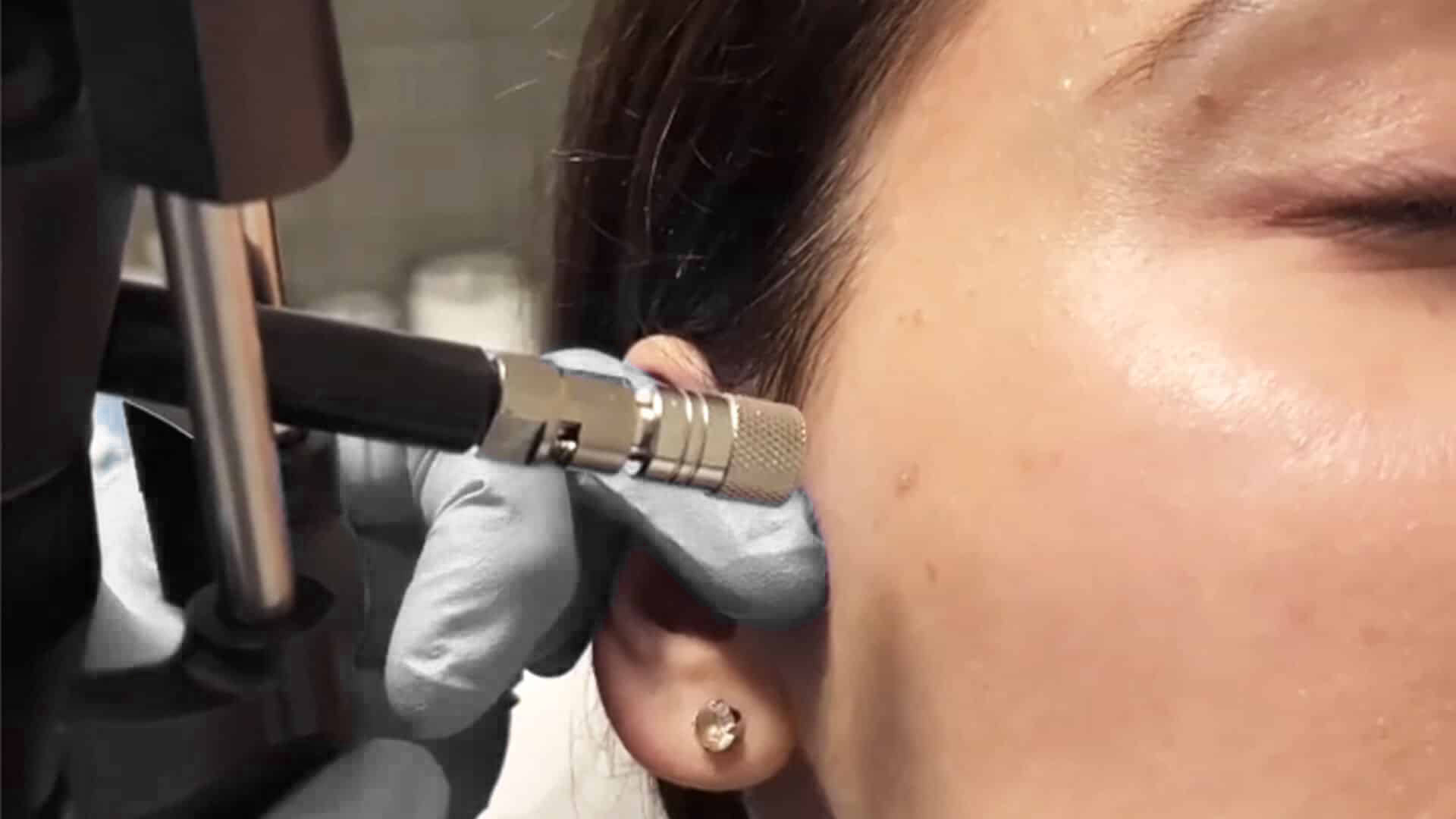
Localized cryotherapy targets specific body parts with a wand-like device that blows cold air directly onto problem areas. Think of it as an extreme ice pack that gets much colder than anything in your freezer. Sessions run longer, typically 5-10 minutes per area. It’s popular for treating specific injuries or chronic pain spots.
Cost differs significantly between the two. Whole-body sessions in Edmonton run $50-90 each, with package deals bringing the per-session cost down to $35-50. Localized treatments cost $40-60 per area. Some centers offer combination packages if you want to try both approaches.
Top Whole-Body Cryotherapy Centers in Edmonton
CryoYEG Studios (Multiple Locations)
CryoYEG operates three locations: Oliver (124 Street), South Edmonton Common, and Sherwood Park. They use electric walk-in chambers that fit up to three people, making it Edmonton’s only option for group cryotherapy sessions. Temperature reaches minus-120 Celsius, slightly warmer than nitrogen chambers but still plenty cold.
Pricing starts at $65 for a single session, dropping to $45 each when you buy a 10-pack. Monthly unlimited memberships run $399, which makes sense if you’re going three times per week or more. They offer student discounts and occasionally run Groupon deals for first-timers.
The Oliver location gets busy after work hours, especially in winter. Book ahead for 5-7pm slots. Parking is street-only on 124 Street, but the Sherwood Park location has a massive free lot. All locations are transit-accessible, though the South Edmonton Common spot requires a bit of walking from the bus stop.
What sets CryoYEG apart: they employ registered massage therapists and physiotherapists who can assess whether cryotherapy makes sense for your specific situation. They’re also the only Edmonton center offering contrast therapy – alternating between their cryotherapy chamber and infrared sauna in the same session.
Peak Performance Cryotherapy (Downtown)
Located in the Manulife building on Jasper Avenue, Peak Performance caters to the corporate crowd and serious athletes. They invested in a top-tier nitrogen chamber that reaches minus-140 Celsius – the coldest option in Edmonton. Sessions are individual only, which some prefer for privacy.
Single sessions cost $75, with packages bringing it down to $50 per visit. They run a “lunch hour special” weekdays from 11am-2pm for $55. Monthly memberships cost $450 for unlimited visits. The price reflects their downtown location and high-end equipment.
Pedway access makes this spot golden during winter months. You can walk underground from several nearby office towers without facing the elements. Street parking is pricey (expect $4-6 per hour), but several parkades nearby offer better rates. The Corona LRT station is a five-minute walk.
Peak Performance works closely with sports medicine clinics in the area. They often see referrals from physiotherapists treating professional athletes and weekend warriors alike. Staff includes a kinesiologist who can design recovery protocols combining cryotherapy with other modalities.
River Valley Wellness (Old Strathcona)
This Whyte Avenue wellness center added cryotherapy in 2024, integrating it with their existing services. They use a compact nitrogen chamber suitable for one person at a time. Temperature maxes out at minus-130 Celsius – cold enough for therapeutic benefits.
Pricing is competitive: $60 for drop-ins, $45 with a five-session package. They offer combo deals with their other services – popular options include cryotherapy plus float tank ($120) or cryotherapy plus massage ($150). No membership options currently, which suits their more casual clientele.
Located just off Whyte Ave on 81st Avenue, parking can be challenging on weekends. Hit the side streets or use the paid lot behind Save-On-Foods. The location draws University of Alberta students and young professionals from surrounding neighborhoods. Atmosphere is more relaxed than the athlete-focused centers.
River Valley Wellness schedules 30-minute appointment slots for cryotherapy, giving you time to change and chat with staff about your experience. They’re particularly good with first-timers who feel nervous about the cold. Their recovery options extend beyond cryotherapy, making it a one-stop shop for various treatments.
Localized Cryotherapy and Specialized Treatments
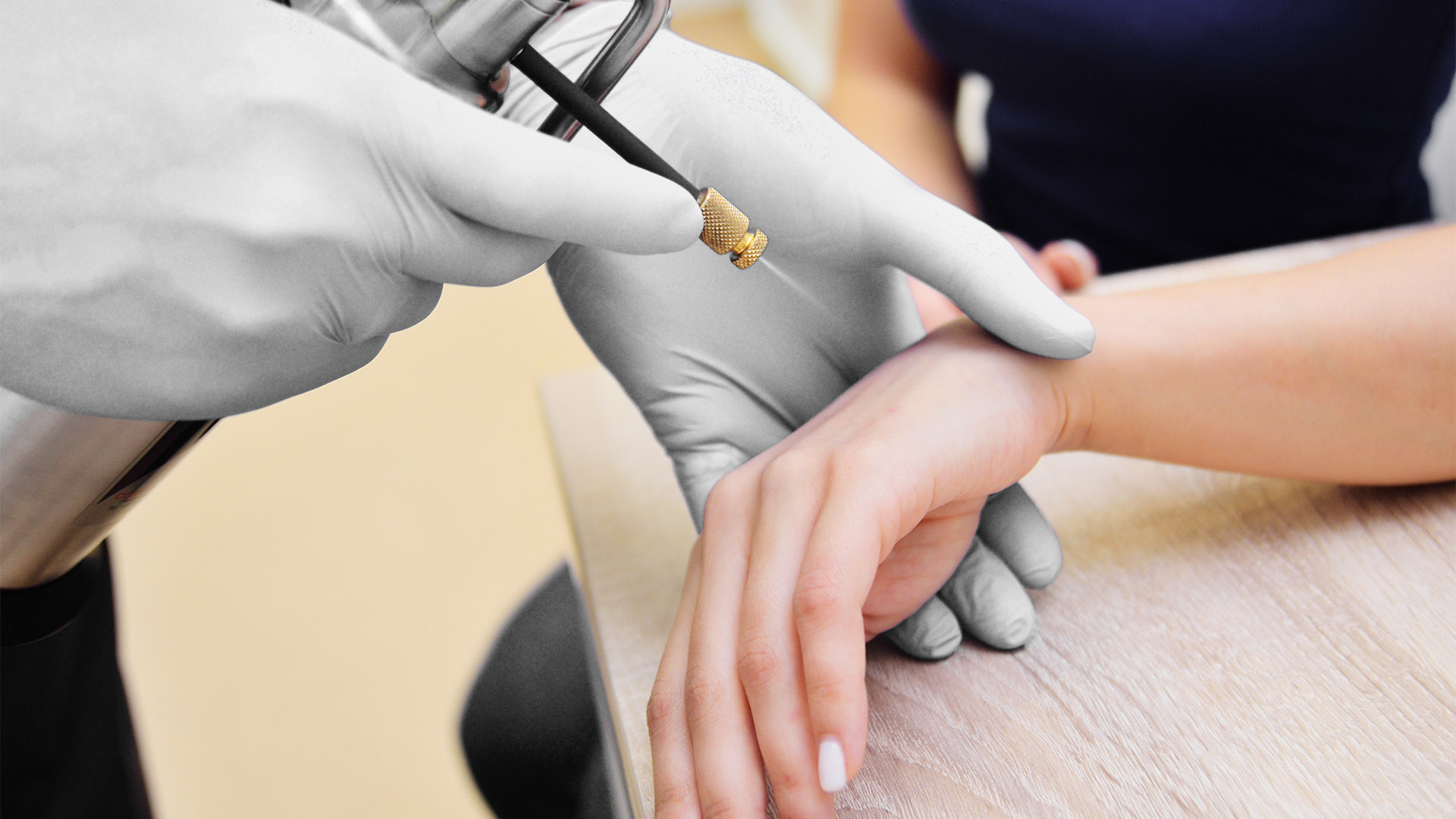
Athletic Therapy Associates (West Edmonton)
This sports medicine clinic near West Edmonton Mall offers localized cryotherapy as part of injury treatment protocols. They use a CryoFlo device that targets specific areas with temperatures reaching minus-40 Celsius. Popular for treating tennis elbow, plantar fasciitis, and post-surgical inflammation.
Sessions run $50 for up to two areas, with package deals available. They often combine localized cryo with manual therapy or exercise prescription. Direct billing available for some insurance plans when cryotherapy is part of a physiotherapy treatment plan.
The clinic sits in a medical building with ample free parking. Transit options are limited – the nearest bus stop is a 10-minute walk. Most clients drive here. They see everyone from junior hockey players to seniors dealing with arthritis. The medical setting and experienced staff make this a solid choice for injury-specific treatment.
What distinguishes Athletic Therapy Associates: they track outcomes meticulously. Clients get baseline measurements and regular progress checks. If localized cryotherapy isn’t helping after 4-5 sessions, they’ll recommend alternatives rather than keep taking your money.
Cryo Spot Treatments at Elevation Physiotherapy
Elevation Physiotherapy’s Windermere location offers spot cryotherapy using handheld devices. They focus on treating acute injuries and post-workout soreness in specific muscle groups. Temperature reaches minus-30 Celsius at the skin surface – less extreme than whole-body chambers but effective for targeted relief.
Pricing depends on treatment area size: $35 for small areas (wrist, ankle), $45 for larger regions (shoulder, knee). They offer add-on cryo treatments for $25 when combined with physiotherapy appointments. Package deals make sense if you’re dealing with chronic issues.
Located in a newer commercial development, parking is plentiful and free. The 12 bus stops nearby, making it transit-accessible for south Edmonton residents. The clinic serves many runners and cyclists from the nearby river valley trails who use localized cryo for overuse injuries.
The physiotherapists here view cryotherapy as one tool among many. They’ll combine it with exercise therapy, manual treatment, and education about injury prevention. Good option if you want cryotherapy integrated into a complete treatment plan rather than as a standalone service.
Mobile Cryotherapy Services
Two companies now offer mobile localized cryotherapy in Edmonton: CryoToGo and Mobile Recovery YEG. They bring portable cryo devices to your home, office, or gym. Popular with sports teams, corporate wellness programs, and people recovering from surgery who can’t easily travel.
Pricing runs higher than clinic visits: $80-100 for a 30-minute session treating multiple areas. Group bookings offer better value – they’ll set up at your hockey team’s practice or your office for $50-60 per person with minimum numbers. Both companies cover Edmonton and surrounding areas including St. Albert and Sherwood Park.
Mobile services work well for specific situations. Post-marathon recovery parties. Corporate wellness days. Senior living facilities where residents have mobility challenges. The convenience factor justifies the premium pricing for many users. Both companies maintain equipment to the same standards as brick-and-mortar locations.
What to Expect During Your First Cryotherapy Session
Pre-Session Preparation and Safety Screening
Your first cryotherapy appointment starts with paperwork. Every center screens for contraindications: pregnancy, severe hypertension, heart conditions, Raynaud’s disease, cold allergies, and open wounds all disqualify you. Be honest about medical conditions – this isn’t the place to downplay health issues.
Most centers require you to be completely dry before entering the chamber. No lotions, oils, or moisture on your skin. Sweat from a workout needs to be toweled off thoroughly. Metal jewelry must be removed. Some people learn this the hard way when their wedding ring becomes painfully cold.
You’ll change into minimal clothing: shorts for everyone, sports bra for women. The center provides gloves, slippers, and sometimes knee-high socks. First-timers often worry about modesty, but you’re only exposed briefly while entering the chamber. Staff are professional and the changing areas offer privacy.
Blood pressure checks are standard at quality facilities. Some centers also measure your skin temperature before and after to show the physiological impact. The best cryotherapy centers in Edmonton 2026 take these safety protocols seriously – avoid any place that rushes you through without proper screening.
During the Treatment: Managing the Cold
Stepping into a cryotherapy chamber feels like walking into the world’s coldest freezer. The first 30 seconds shock your system as your skin rapidly cools. By minute two, many people report the cold feels less intense as your body adjusts. The final minute varies – some find it easier, others count down the seconds.
You can move around inside whole-body chambers. Shifting your weight, rotating slowly, or doing arm circles helps pass time and ensures even cooling. Breathing normally is important – don’t hold your breath. Many centers play music or have staff chat with you through the window to provide distraction.
Your body’s response is immediate. Skin turns red or pink as blood vessels constrict. You might shiver, though not everyone does. Some people feel energized and alert, similar to a cold shower but more intense. Others describe a sense of calm once they accept the cold rather than fighting it.
Safety features include emergency stops you can activate anytime. Doors aren’t locked – you can exit whenever needed. Staff monitor you constantly through windows. Quality centers like those in Edmonton adjust time and temperature for first sessions, typically starting with 2-2.5 minutes rather than the full three.
Post-Session Effects and Recovery
Exiting the chamber brings immediate relief and often euphoria. Your skin warms quickly as blood rushes back to the surface. The red/pink coloring fades within 10-20 minutes. Many people report an endorphin high similar to finishing a tough workout.
Physical effects vary by person. Common immediate responses include increased energy, improved mood, and reduced joint stiffness. Some notice better sleep that night. Athletes often report decreased muscle soreness 24-48 hours post-session, though this is subjective and hard to measure.
Hydration matters more than most people realize. Cryotherapy can be dehydrating, especially in Edmonton’s dry climate. Quality centers provide water and recommend drinking extra fluids for several hours after treatment. During winter, combining cryotherapy with other seasonal wellness strategies can enhance overall benefits.
Most practitioners recommend waiting at least an hour before intense exercise. Your muscles need time to fully warm up. Light movement like walking or gentle stretching is fine immediately after. Some centers have warm-up areas with stationary bikes or infrared heat to help your body transition.
Pricing Breakdown and Package Comparisons

Single Session vs Package Pricing
Cryotherapy isn’t cheap anywhere, and Edmonton follows national pricing trends. Single whole-body sessions range from $60-90 depending on location and equipment quality. First-time discounts are common – expect to pay $40-50 for an introductory session. Some centers offer Groupon deals, though read the fine print carefully.
Package pricing makes more sense for regular users. Here’s what major Edmonton centers charge:
| Center | Single Session | 5-Pack | 10-Pack | Monthly Unlimited |
|---|---|---|---|---|
| CryoYEG | $65 | $275 ($55 each) | $450 ($45 each) | $399 |
| Peak Performance | $75 | $325 ($65 each) | $500 ($50 each) | $450 |
| River Valley Wellness | $60 | $250 ($50 each) | $425 ($42.50 each) | Not offered |
Package expiration varies. Some centers give you six months to use a 10-pack, others a full year. Ask about sharing policies – some allow family members to use the same package. Monthly memberships typically require three-month commitments and auto-renew.
Insurance Coverage and Health Spending Accounts
Standard health insurance in Alberta doesn’t cover cryotherapy for general wellness. However, some situations create coverage opportunities. If cryotherapy is part of a physiotherapy treatment plan for a specific injury, your extended health benefits might reimburse partial costs.
Health Spending Accounts (HSAs) offer more flexibility. Many HSAs consider cryotherapy an eligible expense if you get a note from any healthcare practitioner recommending it. This includes chiropractors, physiotherapists, or physicians. The note doesn’t guarantee coverage but improves your chances.
Corporate wellness programs increasingly include cryotherapy benefits. Companies like Stantec and PCL Construction have partnered with local cryo centers for employee discounts. Check if your employer offers wellness credits or lifestyle accounts that could offset costs.
Some practitioners accept direct billing for motor vehicle accident claims or WCB cases when cryotherapy is part of an approved treatment plan. Athletic Therapy Associates and Elevation Physiotherapy have the most experience navigating insurance paperwork for clients.
Cost-Benefit Analysis for Different User Types
For competitive athletes training year-round, monthly memberships often make sense. If you’re using cryotherapy three times weekly for recovery, unlimited packages save money versus per-session pricing. Many University of Alberta athletes and local CrossFit competitors go this route.
Chronic pain sufferers might start with a 5-pack to test effectiveness. Some find significant relief and become regular users. Others see minimal benefit and move on to different treatments. The trial period helps determine if ongoing investment is worthwhile. Track your pain levels and function to make data-driven decisions.
Casual users seeking occasional recovery or wellness boosts should stick to single sessions or small packages. Using cryotherapy once monthly or after particularly intense training periods doesn’t justify membership costs. Watch for promotional pricing during slower periods – January and September often bring deals.
Consider combination packages if you use multiple recovery services. River Valley Wellness’s cryo-plus-float deals save $30-40 versus booking separately. CryoYEG’s contrast therapy sessions cost only slightly more than cryotherapy alone. These bundles make sense if you’re already interested in multiple modalities.
Safety Considerations and Who Should Avoid Cryotherapy
Medical Contraindications and Risk Factors
Cryotherapy isn’t safe for everyone. Absolute contraindications include pregnancy, severe hypertension (above 180/100), recent heart attack or stroke, deep vein thrombosis, acute kidney or bladder disease, and severe anemia. These conditions make extreme cold exposure genuinely dangerous.
Cold-triggered conditions require extra caution. Raynaud’s disease causes extreme vessel constriction that cryotherapy worsens. Cold urticaria (cold allergy) can trigger severe reactions. Cryoglobulinemia makes blood proteins clump in cold temperatures. If you have any cold sensitivity, skip cryotherapy entirely.
Age matters too. Most centers won’t treat anyone under 14, and teens need parental consent plus supervision. Elderly clients need medical clearance, especially if managing multiple health conditions. The stress of extreme cold can overwhelm compromised cardiovascular systems.
Certain medications increase risk. Blood thinners, beta blockers, and some psychiatric medications affect your body’s ability to regulate temperature. Always disclose medications during intake screening. When in doubt, get physician clearance before trying cryotherapy.
Potential Side Effects and How to Minimize Them
Common side effects are mild: temporary skin numbness, tingling, or redness. These resolve within minutes to hours. Some people experience slight dizziness immediately after sessions, usually from blood pressure changes. Sitting for a few minutes post-treatment prevents problems.
Skin injuries occur when safety protocols aren’t followed. Frostbite risk increases with moisture on skin, metal jewelry, or sessions exceeding recommended duration. Quality centers prevent these issues through proper screening and monitoring. Any burning sensation during treatment means something’s wrong – exit immediately.
Claustrophobia affects some users in enclosed chambers. Most Edmonton centers use chambers with open tops, keeping your head exposed. If you’re anxious about confined spaces, tour the facility first. Staff can often leave doors slightly open or shorten initial sessions for nervous clients.
Dehydration is underrecognized but important, especially in Edmonton’s dry climate. Cryotherapy stresses your system similarly to exercise. Drink extra water before and after sessions. Avoid alcohol beforehand – it impairs temperature regulation and judgment about when you’re too cold.
Choosing a Reputable Facility
Quality varies significantly between cryotherapy centers. Look for these safety indicators: medical screening before first session, blood pressure monitoring, trained staff present throughout treatment, emergency stop mechanisms, and proper ventilation in nitrogen chambers to prevent oxygen displacement.
Red flags include: rushing you into the chamber without screening, unattended sessions, pressure to exceed comfort levels, equipment that looks poorly maintained, or staff who can’t answer basic safety questions. The best cryotherapy centers in Edmonton 2026 prioritize safety over sales.
Ask about staff training and certification. While Alberta doesn’t regulate cryotherapy specifically, quality centers train employees through equipment manufacturers or organizations like the International Cryotherapy Association. Staff should understand both equipment operation and basic physiology.
Check online reviews but focus on safety-related comments rather than just satisfaction. Reports of injuries, equipment failures, or dismissed safety concerns matter more than someone disliking the temperature. Alberta Health Services investigates serious incidents, though regulation remains limited.
Maximizing Benefits: Combining Cryotherapy with Other Recovery Methods
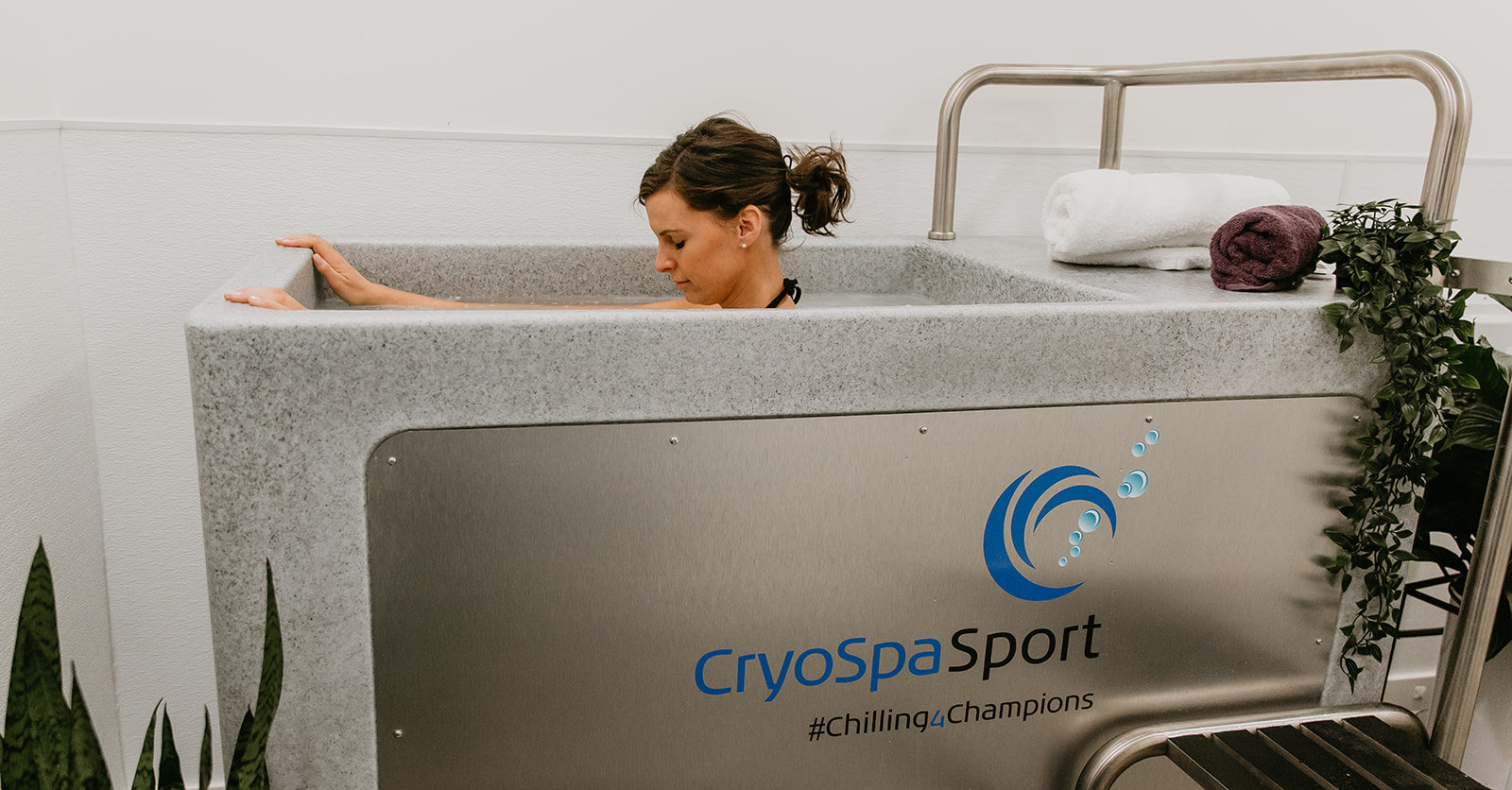
Contrast Therapy and Sauna Combinations
Alternating between extreme cold and heat amplifies recovery benefits for many athletes. CryoYEG offers structured contrast therapy sessions: three minutes in the cryo chamber, 15 minutes in their infrared sauna, repeated twice. The temperature swings trigger massive blood flow changes that may enhance recovery.
Timing matters with contrast therapy. Most practitioners recommend cold first, then heat. This sequence prevents blood pooling and maximizes the pumping effect of vessel constriction and dilation. Some prefer ending on cold for its anti-inflammatory effects, while others like finishing with heat for relaxation.
DIY contrast therapy using cryotherapy plus other heat sources works too. Several clients hit Peak Performance for morning cryo, then use their gym’s sauna later. The key is maintaining at least 20-30 minutes between temperature extremes to let your body partially normalize.
Cost for dedicated contrast therapy runs $80-100 per session at centers offering both services. Building your own protocol using different facilities costs more but offers flexibility. Winter provides natural contrast – some hardy Edmontonians do cryotherapy then hit the Nordic Spa’s outdoor hot pools.
Movement Practices and Active Recovery
Cryotherapy works best as part of complete recovery plans. Many Edmonton athletes combine it with mobility work, yoga, or light cardio. The anti-inflammatory effects potentially create windows for improved movement without pain limiting range of motion.
Several practitioners recommend specific sequencing. Integration Pilates Edmonton suggests cryotherapy before challenging sessions when dealing with chronic pain. The temporary numbing effect lets clients work through ranges of motion typically too uncomfortable.
For runners and cyclists, cryotherapy after long efforts may speed recovery. Hit the River Valley trails for your long run, then book an afternoon cryo session. Many users report less next-day soreness and faster return to quality training. Track your recovery metrics to see if it works for you.
Strength athletes often use different timing. Powerlifters and CrossFitters at Edmonton facilities frequently do cryotherapy on rest days rather than immediately post-workout. This approach targets systemic inflammation rather than acute muscle damage. Experiment to find what supports your training best.
Sleep Optimization and Cryotherapy Timing
When you schedule cryotherapy affects sleep quality. Morning sessions often boost alertness all day – great for productivity but potentially disruptive if you’re already struggling with sleep. Evening sessions require more careful timing to avoid interference with your wind-down routine.
Most sleep researchers recommend finishing cryotherapy at least three hours before bedtime. The treatment raises core body temperature temporarily as your system works to warm up. Since dropping body temperature signals sleep onset, evening cryo can delay this natural process.
However, some people sleep better after cryotherapy, especially when dealing with pain or inflammation that disrupts rest. Edmonton’s unique sleep challenges from long summer days and winter darkness mean finding your optimal timing through experimentation.
Athletes doing two-a-day training often use post-morning-workout cryotherapy. This timing supports recovery between sessions without affecting sleep. Office workers fighting afternoon energy crashes might try lunch-hour sessions for natural alertness without caffeine.
The Future of Cryotherapy in Edmonton
Emerging Technologies and Treatment Protocols
Cryotherapy technology continues evolving. Newer chambers offer precise temperature control, full-body cooling including head exposure, and real-time monitoring of skin temperature. Edmonton centers gradually upgrade equipment as prices drop and evidence for specific protocols strengthens.
Partial-body cryotherapy targeting specific regions shows promise. Units that cool just lower or upper body allow longer exposure times and potentially better results for localized issues. Athletic Therapy Associates tests equipment cooling legs only for runners with overuse injuries.
Combination devices integrating cryotherapy with compression or vibration are entering the market. These multi-modal approaches might enhance benefits beyond cold alone. No Edmonton centers currently offer these options, but expect them within 2-3 years as prices decrease.
Treatment protocols are becoming more sophisticated. Rather than generic three-minute sessions, practitioners increasingly customize based on individual response, specific conditions, and recovery goals. Wearable sensors tracking inflammation markers might eventually guide personalized cryotherapy prescriptions.
Research Developments and Medical Integration
Canadian researchers at the University of Calgary study cryotherapy for multiple sclerosis fatigue and spasticity. Early results look promising enough that some Edmonton MS patients now use cryotherapy as adjunct treatment. Larger trials are underway that might influence future medical recommendations.
Recent research into cryotherapy for mental health shows potential for anxiety and depression management. The cold exposure triggers similar neurotransmitter changes as antidepressants. While not a replacement for medical treatment, some Edmonton psychiatrists now suggest cryotherapy as complementary therapy.
Sports medicine integration continues growing. The Glen Sather Sports Medicine Clinic at the University of Alberta researches optimal cryotherapy timing for athlete recovery. Their protocols influence how local centers design packages for competitive athletes.
Insurance coverage might expand as evidence accumulates. Several extended health providers review cryotherapy annually for potential inclusion. Medical supervision and standardized protocols would likely precede any coverage changes. Watch for physician-supervised cryotherapy clinics as this evolution unfolds.
Market Growth and Accessibility
Edmonton’s cryotherapy market will likely double by 2028. Current demand supports 8-10 locations across the metro area. New centers are planned for St. Albert, Beaumont, and additional south Edmonton sites. Competition should stabilize or reduce pricing while improving service quality.
Corporate wellness adoption drives growth. Major Edmonton employers increasingly include cryotherapy in employee benefits or on-site wellness offerings. Mobile units serving multiple workplace locations make treatments more accessible for busy professionals.
Technology improvements might enable home cryotherapy units eventually. Current at-home options don’t achieve therapeutic temperatures, but this could change. Until then, professional centers remain necessary for true cryotherapy benefits.
Group buying and membership sharing models are emerging. Some fitness communities organize bulk purchasing for better rates. Spin studios and CrossFit gyms partner with cryo centers for member discounts. These partnerships make regular treatment more affordable.
Sources & References
Related Reading
Frequently Asked Questions
How often should I do cryotherapy for best results?
Most practitioners recommend starting with 2-3 sessions per week for the first month, then adjusting based on your response. Athletes in heavy training might benefit from daily sessions, while those managing chronic conditions often find 2-3 weekly sessions optimal. River Valley Wellness suggests tracking your symptoms for two weeks to identify your ideal frequency.
Can I do cryotherapy if I’m claustrophobic?
Yes, most Edmonton cryotherapy centers use chambers with your head exposed, which helps significantly with claustrophobia. CryoYEG’s walk-in chambers have windows and unlocked doors you can open anytime. If you’re severely claustrophobic, try localized cryotherapy first at Athletic Therapy Associates to get comfortable with the cold sensation.
What should I wear to a cryotherapy appointment?
Bring dry undergarments (sports bra for women, underwear or shorts for everyone). Centers provide gloves, slippers, and socks. Remove all jewelry and ensure your skin is completely dry – no lotions, sweat, or moisture. Peak Performance provides robes for walking from change rooms to chambers, making the process more comfortable.
Is cryotherapy safe during Edmonton winters?
Yes, but timing matters more in winter. Schedule sessions earlier in the day so your body has time to fully warm up before going outside. Most centers like CryoYEG recommend waiting at least 30 minutes before extended outdoor exposure. Your car should be warmed up if you’re driving immediately after treatment.
How much does a typical cryotherapy program cost monthly?
For regular users going 2-3 times weekly, budget $200-400 monthly depending on package deals or memberships. Peak Performance’s unlimited monthly membership at $450 makes sense if you go more than 9 times. Casual users doing weekly sessions spend about $150-180 monthly using 5-session packages at centers like River Valley Wellness.