You’ve finished a brutal workout at the Kinsmen Sports Centre or just survived another week of Edmonton winter stress. Your body feels tight. Maybe your lower back is acting up from shoveling snow. You know you need some recovery work, but Edmonton has dozens of options. Float tanks on 124 Street. Sports massage in Windermere. Infrared saunas in Old Strathcona. Cryotherapy downtown. How do you choose the right recovery modality for your needs without wasting time and money trying everything?
Last reviewed:
The answer depends on your specific issues, budget, and schedule. A $200 RMT session might fix chronic shoulder pain, while a $60 float session could better address overall stress. Some modalities work best for acute injuries. Others excel at general maintenance. This guide breaks down every major recovery option available in Edmonton, including what each does, realistic pricing, and which neighborhoods offer the best facilities.
Understanding Your Recovery Needs First

Identifying Your Primary Recovery Goal
Before booking anything, get clear on what you actually need. Recovery modalities fall into three main categories: pain relief, stress reduction, and performance enhancement. Sometimes these overlap. A sports massage might reduce pain while improving athletic performance. But each modality has a sweet spot.
Start by asking yourself: What’s my biggest issue right now? Is it a specific injury like plantar fasciitis? General muscle soreness from starting a new workout program? Mental fatigue from work stress? Poor sleep quality? Chronic tension headaches? Your answer determines which recovery path makes sense.
For acute injuries – think pulled hamstring or tweaked shoulder – you need targeted treatment. This usually means registered massage therapy, physiotherapy, or active release technique. For general stress and mental fatigue, float tanks, meditation classes, or infrared saunas work better. For post-workout recovery and athletic performance, consider contrast therapy, compression boots, or sports massage.
guide to services covers this in more detail.
Considering Your Budget and Time Constraints
Edmonton recovery services range from $30 community acupuncture sessions to $300 specialty treatments. Most people can’t afford weekly $150 massages, no matter how helpful. Be realistic about your budget from the start. Some modalities offer better value through membership packages. Revolution Float in Old Strathcona drops from $75 to $55 per float with a monthly membership. Kneaded Relief Athletic Therapy offers package deals that bring sports massage down to $90 per session.
Time matters too. A full Thai massage at Sabai Sabai takes 90 minutes plus travel to Whyte Ave. Can you realistically fit that into your lunch break? Probably not. But you might squeeze in a 20-minute NormaTec compression session at Recover in Windermere. Some modalities require multiple sessions before you see results. Acupuncture typically needs 6-8 treatments. Float therapy shows benefits after 3-4 sessions. Factor this commitment into your decision.
Location impacts both time and cost. Driving from Sherwood Park to a downtown cryotherapy clinic adds 40 minutes round trip. That’s doable for a weekly treatment but unsustainable for daily recovery work. Look for options near your home, work, or gym to reduce barriers.
Assessing Your Comfort Level with Different Modalities
Not everyone feels comfortable floating naked in saltwater for 90 minutes. Some people hate needles, ruling out acupuncture. Others can’t stand extreme cold, making cryotherapy a non-starter. Be honest about your preferences and anxieties.
If you’re claustrophobic, skip traditional float tanks for open-pool designs like the ones at Float Wellness Spa near West Edmonton Mall. Uncomfortable with nudity? Many Edmonton spas offer Thai massage fully clothed. Hate being touched? Try infrared sauna or compression therapy instead of massage.
Start with less intimidating options if you’re new to recovery work. A relaxation massage at Elements Physical Therapy feels less intense than deep tissue work. Infrared sauna sessions at Ritual Nordic Spa provide gentle heat therapy without the shock of cold plunges. You can always progress to more intensive modalities once you understand how your body responds.
Manual Therapy Options in Edmonton
Registered Massage Therapy for Targeted Relief
RMT remains the gold standard for treating specific injuries and chronic pain. Edmonton has over 400 registered massage therapists, with concentrations in Oliver, Downtown, and along Calgary Trail. Expect to pay $100-150 for a 60-minute session. Most insurance plans cover $500-1000 annually.
The best RMTs combine multiple techniques based on your needs. Deep tissue work breaks up scar tissue and adhesions. Trigger point therapy releases specific knots. Myofascial release addresses connective tissue restrictions. Good therapists explain what they’re doing and why. They should also provide homework – stretches or exercises to maintain progress between sessions.
For sports injuries, try Athlete’s Choice Massage in West Edmonton or Leading Edge Physiotherapy with multiple locations. Both clinics specialize in athletic populations and understand training cycles. For general pain relief, Elements Physical Therapy & Wellness offers excellent therapeutic massage with direct billing. Their Whyte Ave location has free parking behind the building.
Book your first appointment for assessment and treatment planning. A skilled RMT spends 10-15 minutes understanding your history and goals before starting hands-on work. They should re-assess throughout the session and adjust pressure based on your feedback. Bruising means too much pressure – speak up immediately.
Thai Massage and Stretching Services
Thai massage offers a different approach than traditional table massage. You wear loose clothing and lie on a floor mat while the therapist moves your body through assisted stretches. Think of it as lazy person’s yoga – you get the benefits of deep stretching without doing the work yourself.
Sabai Sabai Thai Massage on Whyte Ave brings authentic technique from trained Thai therapists. Sessions run 60-120 minutes for $80-140. The space feels calm despite the busy location. Street parking can be challenging on weekends. Their therapists use body weight and leverage to create deep stretches impossible to achieve alone.
Thai massage works especially well for flexibility issues and chronic tension from desk work. The rhythmic compressions improve circulation while stretches release tight hip flexors and shoulders. Many clients report better posture and reduced back pain after regular sessions. Unlike oil massage, you can return to work immediately without feeling greasy.
Some fitness studios now offer assisted stretching services. STRETCH’D in Windermere provides one-on-one stretching sessions for $75-95. Their certified flexologists create personalized routines based on movement assessments. Good option if you want the flexibility benefits without the full Thai massage experience.
Active Release and Sports Therapy Techniques
Active Release Technique (ART) targets scar tissue and adhesions that limit movement and cause pain. The practitioner uses specific hand positions while you move through ranges of motion. It feels intense – sometimes painful – but produces fast results for soft tissue injuries.
River Valley Health offers certified ART practitioners who work with local athletes and weekend warriors. Their downtown location near 109 Street sees many office workers with repetitive strain injuries. Sessions cost $90-120 and often combine with chiropractic adjustments. Free underground parking makes winter visits easier.
Graston Technique uses metal instruments to break up fascial restrictions. Think of it as aggressive massage with tools. Athlete’s Choice Massage and Leading Edge Physio both offer Graston work. The treatment leaves temporary marks that look concerning but fade within days. Best for chronic tendinopathies and stubborn trigger points that don’t respond to regular massage.
Cupping has gained popularity since the Olympics showcased those circular bruises on swimmers. Local clinics like Naturmend Integrative Health offer both traditional fire cupping and modern vacuum cups. The suction increases blood flow and releases fascial restrictions. Sessions run $60-80 or combine with acupuncture for $100-120. Results vary widely – some people swear by it while others see no benefit.
Heat and Cold Recovery Modalities

Infrared Saunas vs Traditional Saunas
Edmonton’s long winters make heat therapy especially appealing. But choosing between infrared and traditional saunas depends on your goals and heat tolerance. Traditional saunas at facilities like Ritual Nordic Spa heat air to 170-195°F. You sweat profusely within minutes. Sessions typically last 15-20 minutes with cooling breaks between rounds.
Infrared saunas use light waves to heat your body directly at lower air temperatures (120-140°F). You can stay in longer – usually 30-45 minutes – and still sweat heavily. The lower temperature feels more comfortable for heat-sensitive people. Glow Infrared Sauna Studio in Oliver offers private rooms for $45-60 per session. Memberships drop the price to $35.
Research from the National Institutes of Health shows regular sauna use improves cardiovascular health and reduces inflammation. Both types deliver these benefits. Infrared may penetrate deeper into tissues, potentially offering better muscle recovery. Traditional saunas provide more intense heat shock proteins that boost resilience.
For pure relaxation, traditional saunas win. The ritual of heating up, cooling down, and repeating creates deep calm. Ritual Nordic’s outdoor saunas overlooking the river valley add natural beauty to the experience. For targeted recovery and convenience, infrared works better. You can book a lunchtime session and return to work without looking like you ran a marathon.
Cryotherapy and Cold Plunge Options
Cold therapy has exploded in Edmonton despite our already-frigid winters. Cryotherapy chambers expose your body to -200°F nitrogen gas for 2-3 minutes. The extreme cold triggers anti-inflammatory responses and endorphin release. Cryotherapy Health Solutions near Southgate Mall charges $60 per session or $199 for monthly unlimited.
The experience feels intense but manageable. You wear gloves, socks, and minimal clothing while standing in the chamber. An attendant monitors you constantly and can stop the session immediately if needed. Most people handle it fine after the initial shock. Regular users report reduced joint pain, better sleep, and improved recovery between workouts.
Cold plunges offer similar benefits at lower cost. Ritual Nordic Spa includes cold pools with their $75 day pass. The water stays around 50°F – cold enough to trigger beneficial responses without the extreme shock of cryotherapy. Start with 30-second dips and work up to 2-3 minutes. The outdoor location means plunging into cold water while snow falls around you – peak Edmonton wellness.
Some CrossFit gyms and athletic facilities now offer cold plunge tubs. Evolve Strength in Windermere has contrast therapy pools for members. The setup lets you alternate between hot and cold water, amplifying circulatory benefits. This works especially well after heavy leg days or long runs in the river valley.
Contrast Therapy and Recovery Protocols
Contrast therapy alternates hot and cold exposure to pump blood through tissues and reduce inflammation. The vasodilation and vasoconstriction create a pumping effect that flushes metabolic waste. Professional athletes swear by it for faster recovery between competitions.
Kintec Footlabs and Wellness on Calgary Trail offers structured contrast therapy protocols. Their setup includes hot tubs, cold plunges, and infrared saunas in one circuit. A typical session alternates 3-4 minutes hot, 1 minute cold, repeated 3-4 times. Sessions cost $45 or $150 for a five-pack.
You can create DIY contrast therapy at home using your shower. End hot showers with 30-60 seconds of cold water. Not as effective as full immersion but still beneficial. City of Edmonton rec centers with hot tubs and regular pools work too. The Kinsmen Sports Centre has both, though the pool temperature isn’t ideal for true cold therapy.
Recovery boots use air compression to mimic contrast therapy effects. Recover and Kintec both offer NormaTec compression sessions. The boots inflate and deflate in patterns that push fluid up your legs. Great for runners dealing with shin splints or general leg fatigue. Sessions run $30-40 for 30 minutes. Some running stores like Fast Trax on Gateway Boulevard offer free demos.
Mind-Body Recovery Approaches
Float Tank Therapy and Sensory Deprivation
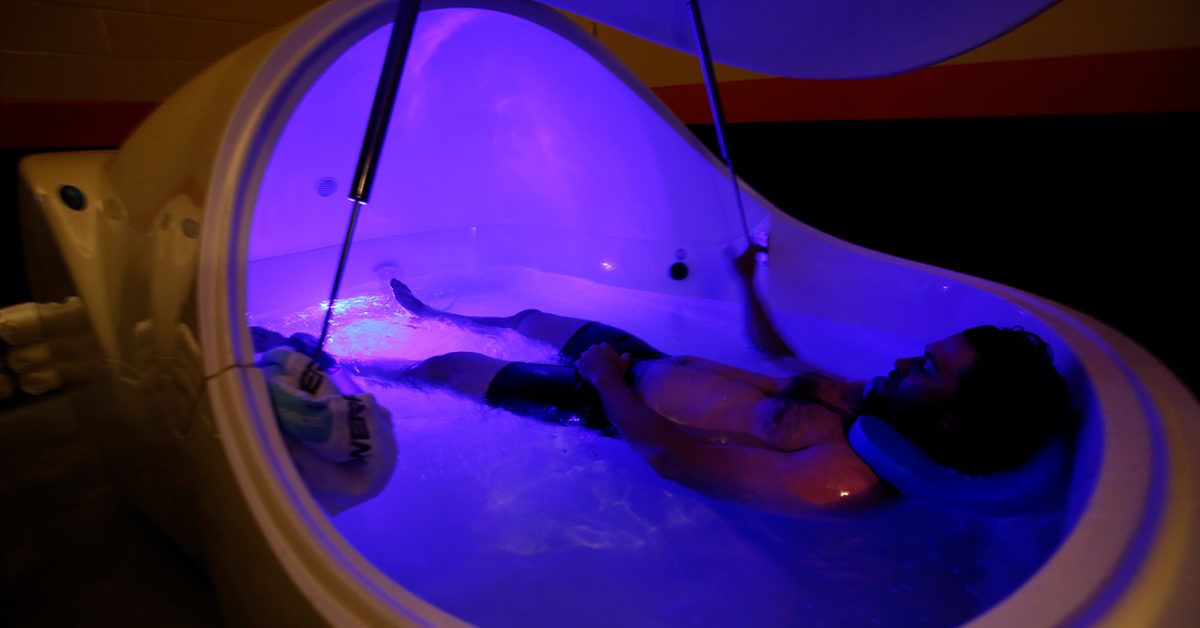
Float tanks filled with Epsom salt water create near-zero gravity environments. The water matches skin temperature, making it hard to tell where your body ends and water begins. Complete darkness and silence remove external stimulation. Your brain shifts into deeply relaxed theta states normally only reached during sleep or deep meditation.
Edmonton has three main float centers. Modern Gravity Float Studio near Bonnie Doon offers spacious tanks and a calm atmosphere. Revolution Float in Old Strathcona has both tanks and an open float pool for claustrophobic clients. Float Wellness Spa in the west end provides the most luxurious experience with premium amenities.
First-time floaters often feel anxious initially. Your mind races without external input to process. This settles after 20-30 minutes as your nervous system realizes there’s no threat. By session three or four, most people drop into relaxation within minutes. Regular floaters report reduced anxiety, better sleep, and enhanced creativity.
Pricing ranges from $60-90 per 90-minute float. All centers offer intro packages around $150 for three floats. Monthly memberships make sense if you float weekly – prices drop to $50-60 per session. Book evening appointments after work stress peaks. Morning floats work well for setting calm intentions before busy days.
Acupuncture and Traditional Chinese Medicine
Acupuncture uses thin needles to stimulate specific points along energy meridians. Western medicine explains the effects through nerve stimulation and endorphin release. Whatever the mechanism, Alberta Health Services recognizes acupuncture as effective for certain pain conditions.
Root & Branch Traditional Chinese Medicine in Oliver combines acupuncture with cupping and herbal medicine. Initial assessments run $120-150 with follow-ups at $80-100. Dr. Alda Smith has 20 years experience treating everything from sports injuries to fertility issues. The clinic direct bills many insurance plans.
Community acupuncture offers affordable treatment in group settings. Stillpoint Community Acupuncture near the University charges $30-50 on a sliding scale. You recline in comfortable chairs while the acupuncturist treats multiple patients. Less private but financially accessible for regular treatment. Great option for stress, anxiety, and chronic pain management.
Choose practitioners registered with the College of Acupuncturists of Alberta. Many massage therapists and physiotherapists offer dry needling – similar technique but different training. True acupuncture considers whole-body patterns and energy flow. Dry needling targets specific trigger points. Both help but work through different frameworks.
Meditation and Breathwork Services
Meditation might seem too simple compared to high-tech recovery gadgets. But consistent practice reduces cortisol, improves sleep quality, and enhances recovery between workouts. Edmonton offers various approaches from Buddhist centers to secular mindfulness classes.
The Breathe Institute on 124 Street specializes in breathwork techniques. Their Wim Hof Method workshops teach controlled breathing that improves cold tolerance and reduces inflammation. Classes run $40-60 with package deals available. The technique pairs perfectly with cold therapy for enhanced benefits.
Yoga studios increasingly offer meditation-specific classes. Bliss Yoga Studio in St. Albert has excellent guided meditation sessions for beginners. Moksha Yoga Edmonton includes meditation in their hot yoga teacher training. Both studios offer drop-in rates around $20 per class.
Apps provide home practice between in-person sessions. But learning proper technique from qualified instructors prevents bad habits. The Edmonton Shambhala Centre offers free introduction to meditation sessions monthly. No religious commitment required – just practical instruction in basic mindfulness techniques.
Technology-Based Recovery Tools

PEMF Therapy and Electromagnetic Treatment
Pulsed Electromagnetic Field (PEMF) therapy uses magnetic pulses to stimulate cellular repair. The technology originated from NASA research on maintaining astronaut bone density. Modern PEMF devices target specific frequencies for different tissues.
Unpain Clinic specializes in PEMF treatment for chronic pain. Their Sherwood Park location sees many clients with fibromyalgia and arthritis. Sessions run $80-120 depending on treatment area and duration. Many people feel immediate relief that builds with regular sessions. The clinic offers package pricing for committed treatment plans.
Some chiropractors and physiotherapy clinics now include PEMF as an adjunct therapy. Optimize Physiotherapy uses PEMF mats during other treatments at no extra charge. This passive addition may enhance healing without requiring separate appointments.
Home PEMF devices exist but quality varies dramatically. Professional-grade systems cost thousands while consumer models run a few hundred. Try professional treatment first to gauge effectiveness before investing in home equipment. Many people find periodic professional sessions more practical than daily home use.
Red Light and Photobiomodulation
Red light therapy uses specific wavelengths (660-850nm) to penetrate skin and stimulate mitochondrial function. The treatment reduces inflammation, speeds wound healing, and may improve muscle recovery. Unlike UV tanning, red light doesn’t damage skin or increase cancer risk.
Glow Infrared Sauna Studio added red light panels to their rooms. You get dual benefits during regular sauna sessions at no extra cost. Standalone red light sessions run $30-40 for 20 minutes. The lights feel warm but not hot – many people find sessions relaxing.
Some fitness facilities now offer red light therapy. Trevor Linden Fitness Club has panels in their recovery area. Members use them free after workouts. The placement works well – expose sore muscles immediately after training for maximum benefit.
Professional athletes increasingly use red light for injury recovery and performance enhancement. The Edmonton Oilers training facility reportedly includes multiple red light devices. While most of us aren’t professional athletes, the same biological mechanisms apply to weekend warriors and desk workers.
Compression and Pneumatic Recovery Systems
Compression boots use sequential air chambers to squeeze legs from feet to hips. The wavelike compression pushes fluid upward, reducing swelling and metabolic waste. Marathon runners and triathletes swear by them for faster recovery between hard efforts.
Recover offers NormaTec sessions in a relaxing lounge environment. Their Windermere location serves the running community south of the river. Sessions cost $40 for 30 minutes or $100 for three. Bring a book or podcast – the compression feels pleasant but isn’t particularly exciting.
Some physiotherapy clinics include compression therapy with treatment. Leading Edge Physio uses compression boots as part of return-to-sport protocols. The combination of manual therapy and compression speeds recovery from acute injuries.
Home compression systems cost $500-1500 depending on features. Serious endurance athletes might justify the investment. Casual exercisers probably benefit more from occasional professional sessions. Some running groups organize compression boot shares where members split costs and schedule time slots.
Creating Your Personal Recovery Protocol
Building a Sustainable Weekly Routine
The best recovery protocol combines multiple modalities based on your training schedule, stress levels, and budget. Start with one primary modality and one supporting practice. For example, weekly RMT sessions for injury prevention plus daily meditation for stress management.
Map recovery work to your training intensity. Heavy leg day? Book compression boots or contrast therapy within 24 hours. Stressful work presentation? Schedule a float session that evening. Chronic shoulder tension? Regular massage every two weeks prevents major flare-ups.
Here’s a sample weekly protocol for a recreational athlete with moderate budget:
- Monday: 20-minute sauna after gym workout (included in gym membership)
- Wednesday: 10-minute guided meditation using free app
- Thursday: 30-minute compression boots after tempo run ($40)
- Saturday: 60-minute massage every second week ($120)
- Sunday: Contrast showers after long run (free at home)
This combines active recovery, stress management, and targeted therapy for under $100 weekly. Adjust based on your specific needs and financial situation. The key is consistency – better to maintain simple practices than sporadically try expensive treatments.
Tracking Results and Adjusting Your Approach
Recovery work requires patience and observation. Keep notes on how different modalities affect your sleep, energy, and pain levels. Rate your overall feeling before and after each session. Look for patterns over several weeks rather than judging based on single experiences.
Use objective measures when possible. Sleep tracking apps show whether float sessions improve your deep sleep percentage. Running watches indicate if compression therapy speeds recovery between workouts. Pain scales (1-10) help quantify whether treatments reduce discomfort.
Adjust your protocol seasonally. Edmonton winters might require more heat therapy and vitamin D. Summer smoke season could shift focus to indoor air quality and respiratory recovery. Spring racing season might emphasize performance-oriented modalities. Let your protocol evolve with your needs.
Don’t hesitate to stop ineffective treatments. If six acupuncture sessions don’t improve your back pain, try something else. If float tanks consistently make you anxious rather than relaxed, skip them. Your body provides clear feedback – listen to it.
When to Seek Professional Medical Help
Recovery modalities complement but don’t replace medical treatment. Acute injuries need proper diagnosis before attempting self-treatment. That sketchy knee pain might be a minor strain or torn meniscus – only imaging can confirm. See a sports medicine doctor or physiotherapist for accurate assessment.
Red flags requiring immediate medical attention include sudden severe pain, numbness or tingling, loss of function, and pain that worsens despite rest. No amount of massage or float therapy fixes structural damage. Get professional help first, then use recovery modalities to support healing.
Many Edmonton clinics combine medical treatment with complementary therapies. Glen Sather Sports Medicine Clinic at the University of Alberta offers complete assessment with referrals to appropriate practitioners. They understand athletic mindsets and won’t automatically prescribe complete rest.
Build relationships with trusted practitioners who understand your goals. A good RMT or physiotherapist becomes part of your performance team. They should communicate with other providers and refer out when something exceeds their scope. Avoid anyone who claims their modality fixes everything.
Making Recovery Work in Edmonton’s Climate

Winter Recovery Strategies
Edmonton winters create unique recovery challenges. Cold weather tightens muscles before you even start exercising. Icy sidewalks alter running form, creating new strain patterns. Seasonal depression saps motivation for self-care. Smart recovery planning addresses these realities.
Infrared saunas become especially valuable from November through March. The gentle heat counters our constant cold exposure. Book sessions after outdoor workouts to restore core temperature gradually. Many studios offer shower facilities so you can warm up before heading back outside.
Vitamin D deficiency affects most Edmontonians by February. Low levels impair muscle recovery and immune function. Some recovery clinics like Naturmend offer vitamin D injections alongside other services. Combine with light therapy for complete winter wellness support.
Indoor alternatives matter when driving becomes hazardous. Choose recovery options near your home or work for storm days. That massage in Sherwood Park might be perfect in July but impossible during a January blizzard. Build relationships with neighborhood practitioners for reliable winter access.
Smoke Season Adaptations
Wildfire smoke increasingly disrupts Edmonton summers. Poor air quality inflames airways and impairs recovery between workouts. Outdoor recovery options like river valley trail walks become unhealthy. Plan indoor alternatives from July through September.
Float tanks offer complete protection from smoke and allergens. The filtered air in float rooms stays cleaner than most indoor spaces. Revolution Float even uses medical-grade air purification between clients. Good option when outdoor exercise feels impossible.
Respiratory-focused modalities help clear smoke irritation. The Breathe Institute offers specific techniques for improving lung capacity and clearing congestion. Some acupuncturists specialize in respiratory conditions – useful during extended smoke events.
Pool-based recovery provides exercise without smoke exposure. The Kinsmen Sports Centre keeps excellent air quality through industrial filtration. Water running, gentle swimming, or hot tub recovery let you stay active when outdoor air hurts to breathe.
Maximizing Summer Outdoor Options
Edmonton’s brief perfect summer demands we maximize outdoor recovery opportunities. River valley trails offer meditation spots and natural forest bathing. Early morning yoga in Hawrelak Park combines movement with nature connection. These free options balance expensive indoor treatments.
Outdoor pools at Queen Elizabeth and Borden Park provide cold plunge opportunities without membership fees. The water stays cool enough for contrast therapy after hot summer runs. Pack swim gear for post-workout recovery at minimal cost.
Some practitioners offer outdoor sessions in summer. Mobile massage therapists work at the Folk Music Festival and Heritage Days. Yoga studios host river valley classes. These seasonal options add variety to standard recovery routines.
Plan recovery around summer events and travel. If you’re training for Edmonton Marathon, map recovery services along your long run routes. Know which facilities offer drop-in services for post-race treatment. Summer road trips might interrupt regular appointments – research options at your destination or adjust protocols accordingly.
| Modality | Best For | Average Cost | Time Required | Top Edmonton Location |
|---|---|---|---|---|
| RMT Massage | Specific injuries, chronic pain | $100-150/hour | 60-90 minutes | Elements Physical Therapy |
| Float Therapy | Stress, anxiety, general recovery | $60-90/session | 90-120 minutes | Revolution Float |
| Infrared Sauna | Muscle recovery, relaxation | $35-60/session | 30-45 minutes | Glow Infrared Studio |
| Cryotherapy | Inflammation, athletic recovery | $60/session | 15-20 minutes | Cryotherapy Health Solutions |
| Acupuncture | Chronic conditions, pain patterns | $80-120/session | 45-60 minutes | Root & Branch TCM |
| Compression Therapy | Running recovery, swelling | $30-40/session | 30-45 minutes | Recover Windermere |
Sources & References
Related Reading
Related Reading
Frequently Asked Questions
How often should I use recovery modalities?
Frequency depends on your training intensity and the specific modality. High-level athletes might use compression boots daily and get weekly massages. Recreational exercisers typically benefit from weekly recovery sessions of any type. Start with once per week and adjust based on how your body responds. Infrared sauna and float therapy can be used 2-3 times weekly, while deep tissue massage usually needs 5-7 days between sessions for tissue recovery.
Does insurance cover any recovery services in Edmonton?
Most extended health plans cover registered massage therapy, physiotherapy, and acupuncture up to annual limits. RMT coverage typically ranges from $500-1500 per year. Some plans now include kinesiologists and athletic therapists. Infrared saunas, float tanks, and cryotherapy aren’t covered unless prescribed by a physician for specific medical conditions. Check with providers about direct billing – Elements Physical Therapy and many others bill insurance companies directly.
What’s the best recovery method for runners?
Runners benefit most from combining modalities based on training phase. During high mileage weeks, compression therapy and contrast baths speed recovery between runs. Regular sports massage every 2-3 weeks prevents overuse injuries. The Running Room on Gateway Boulevard can recommend local practitioners who understand running biomechanics. For acute injuries like IT band syndrome, see a physiotherapist at clinics like Leading Edge before it becomes chronic.
Can I use multiple recovery modalities in the same day?
Yes, but sequence matters for optimal benefits. Start with active modalities like stretching or light movement. Follow with passive treatments like massage or compression therapy. End with relaxation-focused options like float tanks or meditation. Avoid booking deep tissue massage immediately before intense exercise. Ritual Nordic Spa’s circuit naturally combines hot, cold, and relaxation elements in proper sequence. Leave at least 2-3 hours between intensive treatments.
How do I know if a recovery modality is actually working?
Track objective and subjective measures over 4-6 weeks before judging effectiveness. Note sleep quality, morning resting heart rate, and workout performance. Rate pain levels, energy, and mood on consistent scales. Some modalities like float therapy show cumulative benefits after 3-4 sessions. Others like compression boots provide immediate but temporary relief. If you see no improvement after giving something a fair trial, move on to alternatives that better suit your body.