Cupping therapy might look intense with those circular marks, but there’s a reason Edmonton athletes and desk workers alike keep booking sessions. This ancient practice has solid science behind it, and our city has some excellent practitioners who know what they’re doing. Before you book your first appointment, here’s what you need to know about why try cupping therapy benefits and what to expect at local clinics.
Last reviewed:
What Exactly Is Cupping and How Does It Work

The Basic Mechanics Behind Those Circular Marks
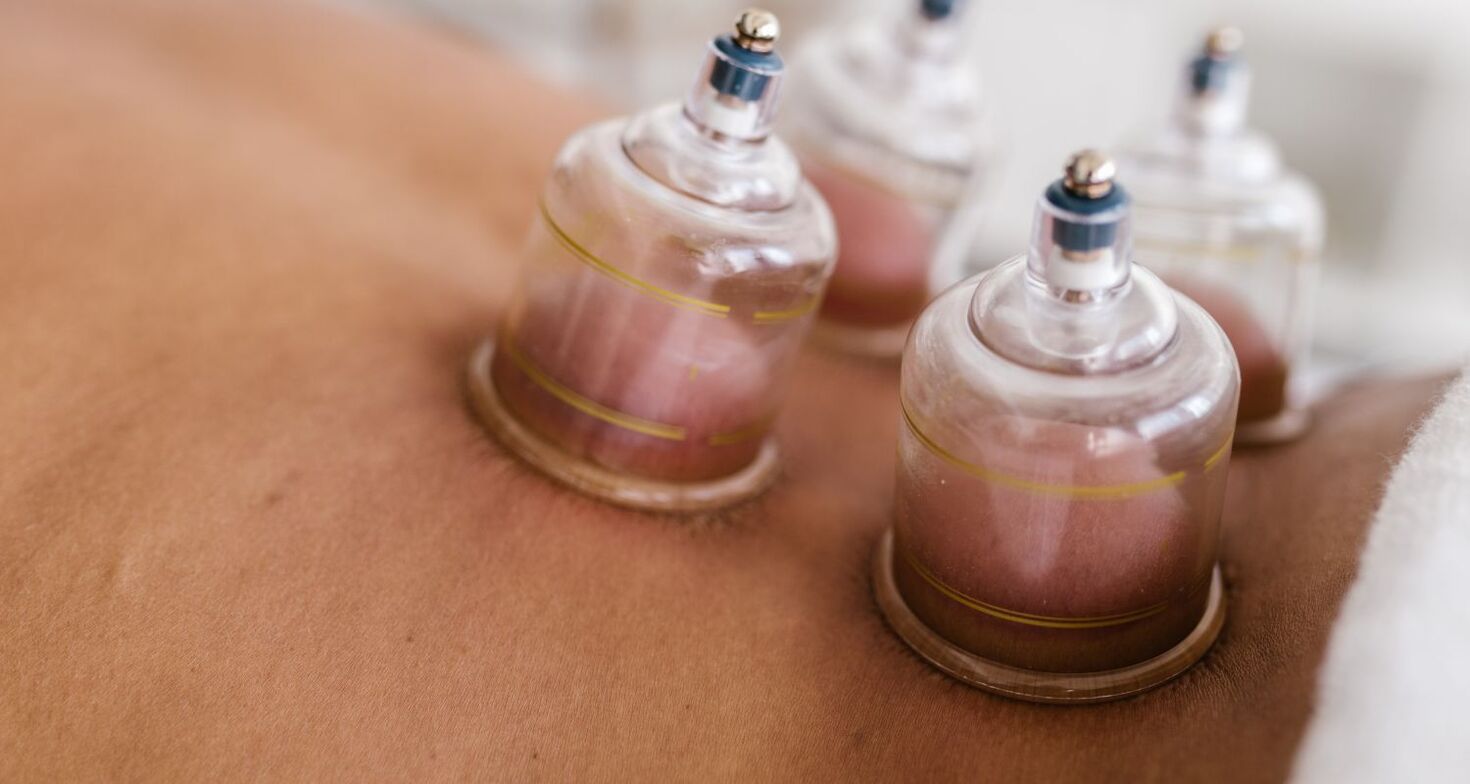
Cupping uses glass, silicone, or plastic cups to create suction on your skin. The vacuum effect pulls your skin and superficial muscle layer upward into the cup. Think of it as the opposite of massage — instead of pushing down, cupping pulls up.
There are two main types you’ll find in Edmonton clinics. Dry cupping uses suction only, while wet cupping involves tiny skin punctures before applying cups. Most local practitioners stick with dry cupping, which is what we’ll focus on here.
The suction increases blood flow to the targeted area. This brings fresh oxygen and nutrients while helping flush out metabolic waste. The pressure differential also stretches fascia and connective tissue, which explains why many people feel immediate relief from muscle tension.
Infrared Sauna Vs Traditional Sauna For Recovery covers this in more detail.
Those circular marks? They’re not bruises in the traditional sense. They’re caused by blood vessels expanding under the skin surface. The color tells practitioners about blood flow in that area — darker marks often indicate more stagnation or tension.
Traditional vs Modern Cupping Methods
Traditional fire cupping still happens at some Chinatown clinics. Practitioners quickly heat the air inside glass cups using a flame, then place them on your skin. As the air cools, it creates suction. It looks dramatic but feels similar to modern methods.
Float Tank Therapy Price Comparison Edmonton Spas covers this in more detail.
Most Edmonton clinics now use pump-based systems. These give practitioners precise control over suction strength. Silicone cups allow for moving cupping, where the practitioner glides the cup along muscle groups. This combines the benefits of cupping with a massage-like effect.
What Is Float Tank Therapy And How Does It Work covers this in more detail.
Some physiotherapy clinics on 124 Street and in Sherwood Park integrate cupping with other treatments. They might use it alongside massage therapy or stretching protocols for complete muscle recovery.
The choice between methods often comes down to practitioner training and your comfort level. Both achieve similar therapeutic effects, though some people prefer the ritualistic aspect of fire cupping.
Who Practices Cupping in Edmonton
You’ll find cupping offered by several types of practitioners across the city. Traditional Chinese Medicine (TCM) doctors and acupuncturists have the deepest training in cupping theory. They view it as part of a holistic system addressing energy flow and organ function.
Registered massage therapists increasingly add cupping to their toolbox. Look for RMTs who’ve taken specific cupping certification courses. They focus more on the mechanical benefits for muscles and fascia.
Some physiotherapists and athletic therapists offer cupping, especially those working with sports teams. The University of Alberta athletics department reportedly uses it for athlete recovery.
Prices vary by practitioner type. TCM clinics typically charge $60-80 for a 30-minute session. RMTs often include cupping within their regular massage rates ($100-150/hour). Some clinics offer cupping-only sessions for $40-60.
Science-Backed Benefits of Cupping Therapy
Pain Relief and Muscle Recovery
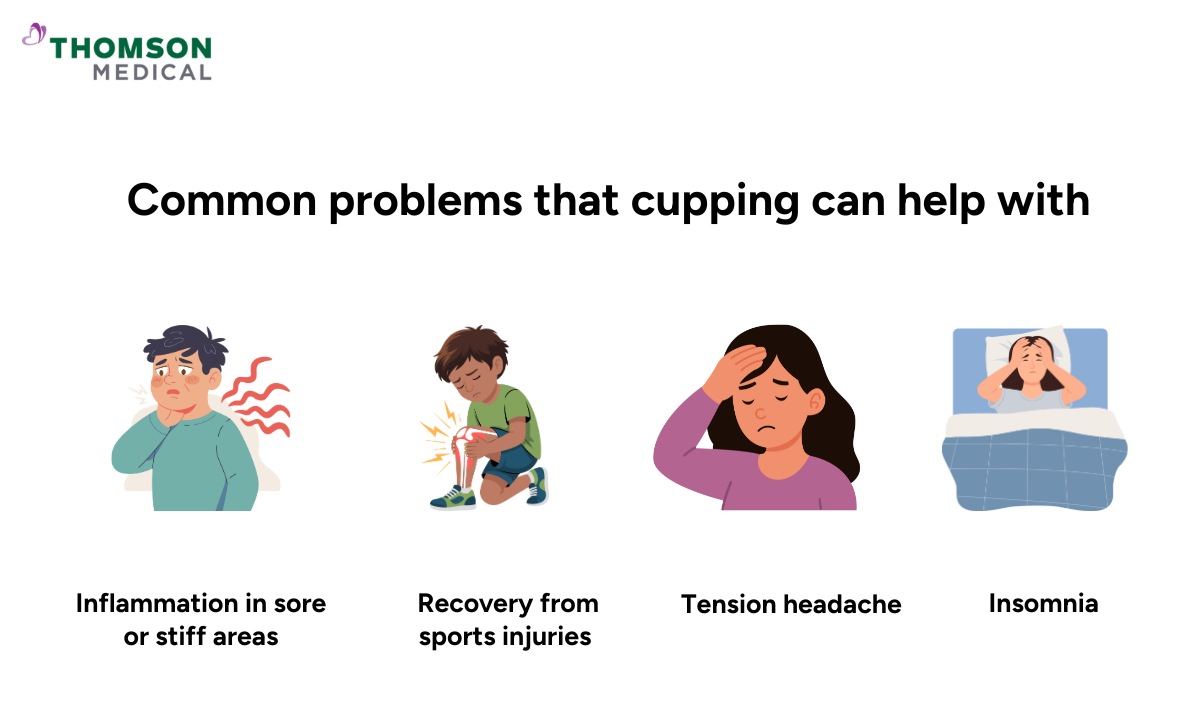
Research shows cupping can effectively reduce muscle pain and speed recovery. A systematic review published in PubMed found significant pain reduction in patients with chronic neck and back pain after cupping treatments.
The mechanism makes sense. Increased blood flow brings healing nutrients while the suction effect helps break up adhesions in connective tissue. Many Edmonton runners and CrossFit athletes use cupping after intense training sessions.
Local physiotherapist clinics report good results combining cupping with movement patterns. They’ll apply cups to tight areas, then have you perform specific stretches. This approach seems particularly effective for chronic shoulder and hip issues.
Winter makes muscle tension worse for many Edmontonians. The combination of cold weather and less movement creates perfect conditions for trigger points. Regular cupping sessions through our long winters can help maintain muscle flexibility.
Improved Circulation and Lymphatic Drainage
The suction effect stimulates both blood and lymph circulation. This matters more than you might think, especially for people with desk jobs downtown or those dealing with Edmonton’s extreme temperature swings.
Poor circulation shows up as cold hands and feet, something familiar to anyone waiting for the LRT in January. Cupping on the back and limbs can help improve overall circulation patterns. Some practitioners specifically target areas along lymphatic pathways to encourage drainage.
The marks themselves indicate improved blood flow to previously stagnant areas. As you continue treatments, many people notice the marks become lighter, suggesting better baseline circulation.
For those dealing with post-workout swelling or general fluid retention, cupping offers a non-invasive drainage option. It pairs well with other recovery methods like infrared sauna sessions available at several Edmonton wellness centers.
Stress Reduction and Nervous System Benefits
Beyond the physical effects, cupping triggers a parasympathetic nervous system response. This is your rest-and-digest mode, the opposite of fight-or-flight. Many people report deep relaxation during and after sessions.
The sensation itself requires some mental adjustment. Learning to relax into the pulling sensation becomes a mindfulness practice. Several Whyte Ave clinics specifically market cupping as stress relief therapy.
Regular sessions seem to have cumulative effects on stress levels. Patients often report better sleep quality and reduced anxiety between appointments. This makes sense given the nervous system regulation effects.
For Edmonton’s high-stress professionals, combining cupping with other relaxation practices creates a complete stress management approach. Some clinics offer packages combining cupping with acupuncture or meditation guidance.
What to Expect During Your First Cupping Session
Pre-Session Preparation
Most Edmonton clinics recommend arriving well-hydrated for your cupping session. Drink extra water the day before and morning of your appointment. This helps with blood flow and can reduce mark intensity.
Avoid alcohol for 24 hours before your session. It affects blood vessel response and can make marks darker and longer-lasting. Same goes for blood-thinning medications — tell your practitioner about any medications you take.
Eat something light 1-2 hours before. You don’t want to be hungry, but a full stomach isn’t comfortable when lying face-down. Many people schedule lunchtime appointments at downtown clinics for this reason.
Wear loose, comfortable clothing. You’ll likely need to remove your shirt for back cupping. Most clinics provide proper draping for modesty. Some allow you to keep underwear on, while others provide disposable options.
During the Treatment
Your practitioner will start with a consultation. They’ll ask about problem areas, health history, and treatment goals. Be honest about pain levels and any concerns about marking.
The actual cupping usually happens with you lying face-down on a massage table. The practitioner will apply oil to help cups seal and glide if doing moving cupping. The initial suction feels strange but shouldn’t be painful.
Static cups typically stay in place for 5-15 minutes. You might feel pulling, warmth, or tingling sensations. Some people even fall asleep once they adjust to the feeling. Tell your practitioner if anything feels too intense.
Moving cupping feels more like deep massage. The practitioner slides cups along muscle groups, which can feel intense over tight areas. This technique leaves lighter marks but covers more territory.
Immediate After-Effects
Right after cup removal, you’ll see those distinctive circular marks. They range from light pink to dark purple, depending on circulation and treatment intensity. Don’t panic — they look more dramatic than they feel.
Most people feel immediately relaxed but slightly spacey. Take a few minutes before driving. Downtown clinics near transit stations make post-treatment logistics easier. Some Oliver and Whyte Ave clinics have relaxation rooms for this transition time.
Drink plenty of water for the rest of the day. Your body continues processing the treatment effects for hours afterward. Many practitioners recommend avoiding intense exercise for 24 hours.
The marks typically last 3-10 days. They don’t hurt like bruises — most people forget they’re there until someone asks. In summer, consider treatment timing if you’re planning river valley activities or pool time.
Finding the Right Cupping Practitioner in Edmonton
Questions to Ask Before Booking
Not all cupping practitioners have equal training. Ask about their specific cupping education and how long they’ve been practicing. TCM doctors have extensive training, while some massage therapists might have taken weekend workshops.
Inquire about their treatment approach. Do they combine cupping with other modalities? How do they determine cup placement and suction strength? Good practitioners explain their reasoning clearly.
Ask about pricing structure upfront. Some charge per session, others offer packages. Check if they direct bill insurance — many RMTs can bill massage benefits even when including cupping. TCM practitioners might bill under acupuncture coverage.
Confirm their hygiene protocols. Cups should be thoroughly sanitized between clients. Single-use cups are becoming more common. Fire cupping requires proper ventilation and safety measures.
Red Flags to Avoid
Be wary of practitioners making unrealistic claims. Cupping helps with many issues but isn’t a miracle cure. Anyone promising to cure serious diseases with cupping alone should be avoided.
Excessive bruising or blistering indicates poor technique. While marks are normal, broken skin or extreme pain isn’t. Check online reviews for mentions of injuries or overly aggressive treatment.
Avoid practitioners who won’t adjust pressure to your comfort. Cupping shouldn’t be torture. Experienced practitioners read your body’s responses and modify accordingly.
Unlicensed practitioners operating from home raise safety concerns. Stick with established clinics that follow Alberta Health Services guidelines for infection control.
Top-Rated Edmonton Clinics for Cupping
Several clinics consistently receive positive reviews for cupping therapy. In Old Strathcona, you’ll find experienced TCM practitioners who learned cupping as part of complete training in China.
Downtown clinics near Jasper Avenue cater to office workers with lunch-hour appointments and evening availability. Some offer cupping-massage combinations perfect for addressing desk-job tension.
Windermere and south side clinics often feature newer equipment and modern approaches. They might combine cupping with corrective exercise or movement screening.
For athletes, check out clinics near major sports facilities. Some work directly with local sports teams and understand sport-specific applications. They often integrate cupping into complete recovery programs.
Cupping vs Other Recovery Methods Available in Edmonton

Comparing Cupping to Massage Therapy
Both cupping and massage address muscle tension, but through opposite mechanisms. Massage pushes down into tissue, while cupping pulls up. Many find cupping reaches deeper layers more effectively for certain issues.
Time efficiency favors cupping for some people. A 30-minute cupping session might address what would take 60-90 minutes of deep tissue massage. The marks mean treatment effects continue after you leave.
Cost-wise, cupping sessions typically run cheaper than equivalent massage time. However, massage offers full-body relaxation that spot-specific cupping might not match. Many Edmonton RMTs now offer both in the same session.
For acute injuries, massage might be gentler initially. Cupping works best for chronic tension patterns. Consider alternating between both methods for complete muscle care through our long winters.
Cupping vs Acupuncture
These Traditional Chinese Medicine cousins work well together. Acupuncture uses needles to influence energy channels, while cupping addresses larger tissue areas. Many TCM clinics combine them in single treatments.
Needle-phobic clients often prefer cupping. It achieves some similar effects without puncturing skin. The sensation is completely different — pulling rather than pricking.
Acupuncture tends to create subtler, system-wide effects. Cupping provides more immediate, localized relief. For stress and emotional concerns, acupuncture might edge out cupping. For muscle knots and circulation, cupping often wins.
Insurance coverage varies between the two. Check your specific benefits. Some plans cover acupuncture but not cupping, though this is changing as cupping gains mainstream acceptance.
Cupping vs Float Therapy
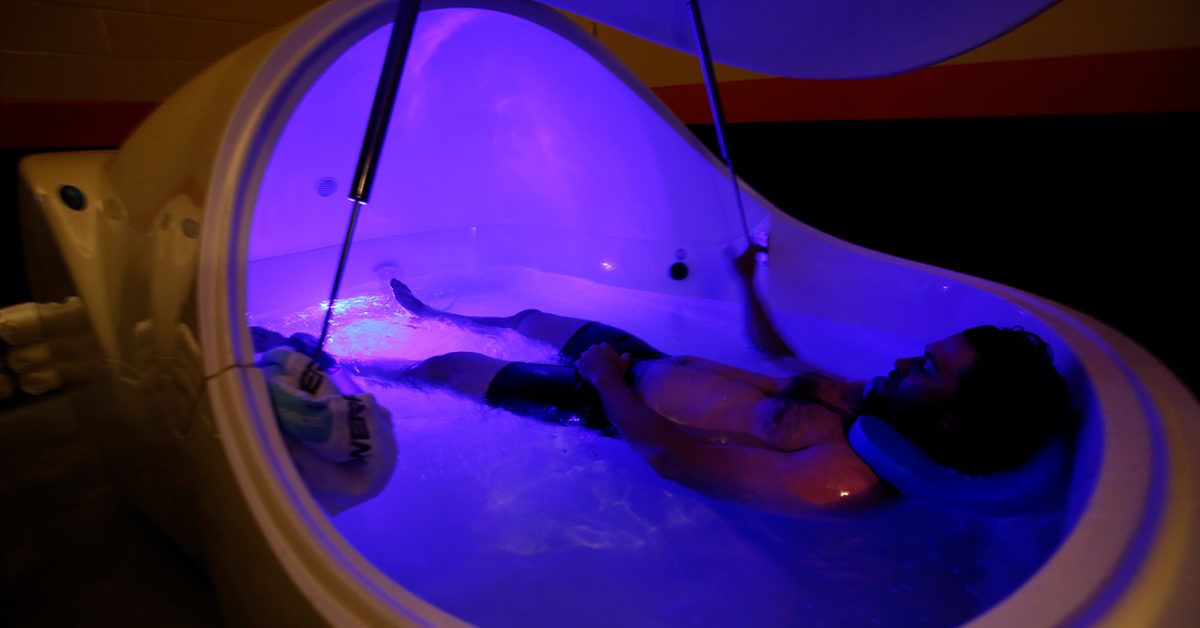
Both therapies promote deep relaxation but through vastly different methods. Float therapy removes sensory input, while cupping provides novel sensations.
Float tanks excel at mental reset and whole-body relaxation. Cupping targets specific physical issues while also calming the nervous system. Some Edmonton wellness enthusiasts alternate between both methods.
Practical considerations differ significantly. Float sessions require shower time and can leave you feeling spacey for hours. Cupping marks might affect clothing choices but don’t impact functionality.
Price points favor cupping for regular treatment. Float sessions at Edmonton float centers run $60-100 per hour. Cupping offers similar stress relief at roughly half the cost.
Common Concerns and How to Address Them
Dealing with Cupping Marks in Professional Settings
Those circular marks can spark workplace conversations you might not want. Plan treatment timing around important meetings or presentations. Marks on the upper back and shoulders hide easily under regular business attire.
If colleagues ask, a simple “trying cupping therapy for back tension” usually suffices. Most Edmontonians have seen the marks on someone. Olympic athletes made them mainstream during recent games.
For jobs requiring uniforms or exposed arms, discuss mark placement with your practitioner. They can focus on areas typically covered. Some practitioners use lighter suction for less visible marking.
Summer presents unique challenges with tank tops and river valley activities. Consider scheduling treatments for early fall through spring. Or embrace the marks — they’re conversation starters about prioritizing health.
Managing Treatment Frequency and Costs
Starting frequency depends on your issues. Acute problems might benefit from weekly sessions initially. Chronic conditions often respond to bi-weekly treatment for 4-6 sessions, then monthly maintenance.
Many clinics offer package deals reducing per-session costs. A 5-session package might save 15-20%. Some provide loyalty programs or seasonal promotions. January often brings New Year wellness deals.
Track your insurance coverage carefully. If billing under massage therapy, ensure your practitioner has proper RMT credentials. Keep receipts for health spending accounts. Some employers’ wellness programs reimburse alternative therapies.
Budget $50-80 per session for sustainable treatment. Compare this to other wellness investments. It’s less than monthly yoga studio memberships and provides targeted therapeutic benefits.Knowing When Cupping Isn’t Right for You
Certain conditions make cupping inappropriate. Blood disorders, skin conditions, or use of blood thinners require medical clearance. Pregnancy also needs special consideration — many practitioners avoid certain areas or decline treatment entirely.
Recent surgeries or open wounds obviously prevent cupping in those areas. Wait until fully healed. Same goes for sunburns — learned that the hard way after a Sylvan Lake weekend.
Some people simply don’t enjoy the sensation. That’s fine. Forcing yourself through treatments you hate defeats the stress-relief purpose. Plenty of other recovery options exist in Edmonton.
Very thin or elderly skin might mark excessively or heal slowly. Good practitioners assess skin condition and adjust accordingly. They might recommend gentler alternatives.
Maximizing Your Cupping Results

Combining Cupping with Movement and Exercise
Static cupping works best when followed by gentle movement. Many practitioners recommend specific stretches targeting treated areas. This helps integrate the tissue changes into functional patterns.
Yoga classes the day after cupping feel notable. The improved circulation and tissue mobility enhance your practice. Several Edmonton studios understand this timing and see regulars schedule accordingly.
For athletes, cupping fits well into training cycles. Use it during recovery weeks or after particularly intense sessions. Some local running groups schedule group cupping appointments after long Sunday runs.
Avoid heavy lifting immediately after treatment. Give your body 24 hours to integrate the changes. Light walking or swimming works well. The River Valley trails provide perfect gentle movement options year-round.
Nutrition and Hydration for Better Results
Proper hydration amplifies cupping benefits. Aim for 2-3 liters of water daily, more if you’re active. This helps flush metabolic waste mobilized during treatment.
Anti-inflammatory foods support the healing process. Edmonton farmers’ markets offer great local options. Load up on berries, leafy greens, and omega-3 rich foods. Reduce processed foods and excess sugar around treatment times.
Some practitioners recommend specific supplements. Vitamin C supports tissue healing. Magnesium helps with muscle relaxation. Check with your practitioner about their recommendations.
Alcohol interferes with treatment benefits. It dehydrates tissue and affects circulation. Save that craft beer from a local brewery for non-treatment days.
Creating a complete Recovery Routine
Cupping works best as part of a broader wellness strategy. Combine it with other recovery methods based on your needs. Many Edmontonians create seasonal routines adjusting for weather and activity levels.
Winter might include monthly cupping, weekly sauna sessions, and daily stretching. Summer could shift to bi-monthly cupping with more outdoor activities and river valley workouts.
Track your results to optimize frequency. Note energy levels, pain reduction, and sleep quality. Many people find their ideal rhythm within 2-3 months of regular treatment.
Budget for complete care rather than crisis management. Regular maintenance costs less than treating acute flare-ups. Plus, you’ll feel better year-round rather than cycling through pain and relief.
Related Articles
- Best Massage Therapy Clinics in Edmonton by Neighborhood: Your Local Guide to Finding the Right Therapist
- How to Prepare for Your First Acupuncture Appointment: An Edmonton Guide
Sources & References
Frequently Asked Questions
How much do cupping sessions typically cost in Edmonton?
Most Edmonton clinics charge between $50-80 for a 30-minute cupping session. RMTs often include cupping within their regular $100-150 hourly massage rate. Package deals at clinics in Oliver and Whyte Ave typically offer 10-20% discounts when you purchase 5 or more sessions upfront.
Will my insurance cover cupping therapy?
Coverage depends on your practitioner’s credentials and your specific insurance plan. If performed by a Registered Massage Therapist, it often falls under massage therapy benefits. Traditional Chinese Medicine practitioners might bill under acupuncture coverage. Always verify with your insurance provider before booking at clinics in Windermere or downtown Edmonton.
How long do the circular marks last after cupping?
Cupping marks typically fade within 3-10 days, depending on your circulation and treatment intensity. Darker marks from first sessions at Sherwood Park or south side clinics might last the full 10 days. Regular treatments usually produce lighter marks that disappear within a week.
Can I exercise after a cupping session?
Wait 24 hours before intense exercise to let your body integrate the treatment effects. Light activities like walking the River Valley trails or gentle yoga are fine immediately after. Most practitioners at 124 Street wellness centers recommend staying hydrated and avoiding heavy lifting for a day.
Is cupping safe during Edmonton’s cold winter months?
Cupping is perfectly safe in winter and can actually help with cold-weather muscle tension. Just ensure you stay warm immediately after treatment — don’t rush out into -30°C weather with exposed skin. Many Old Strathcona clinics recommend booking afternoon appointments during winter so you’re not dealing with morning cold or evening darkness.