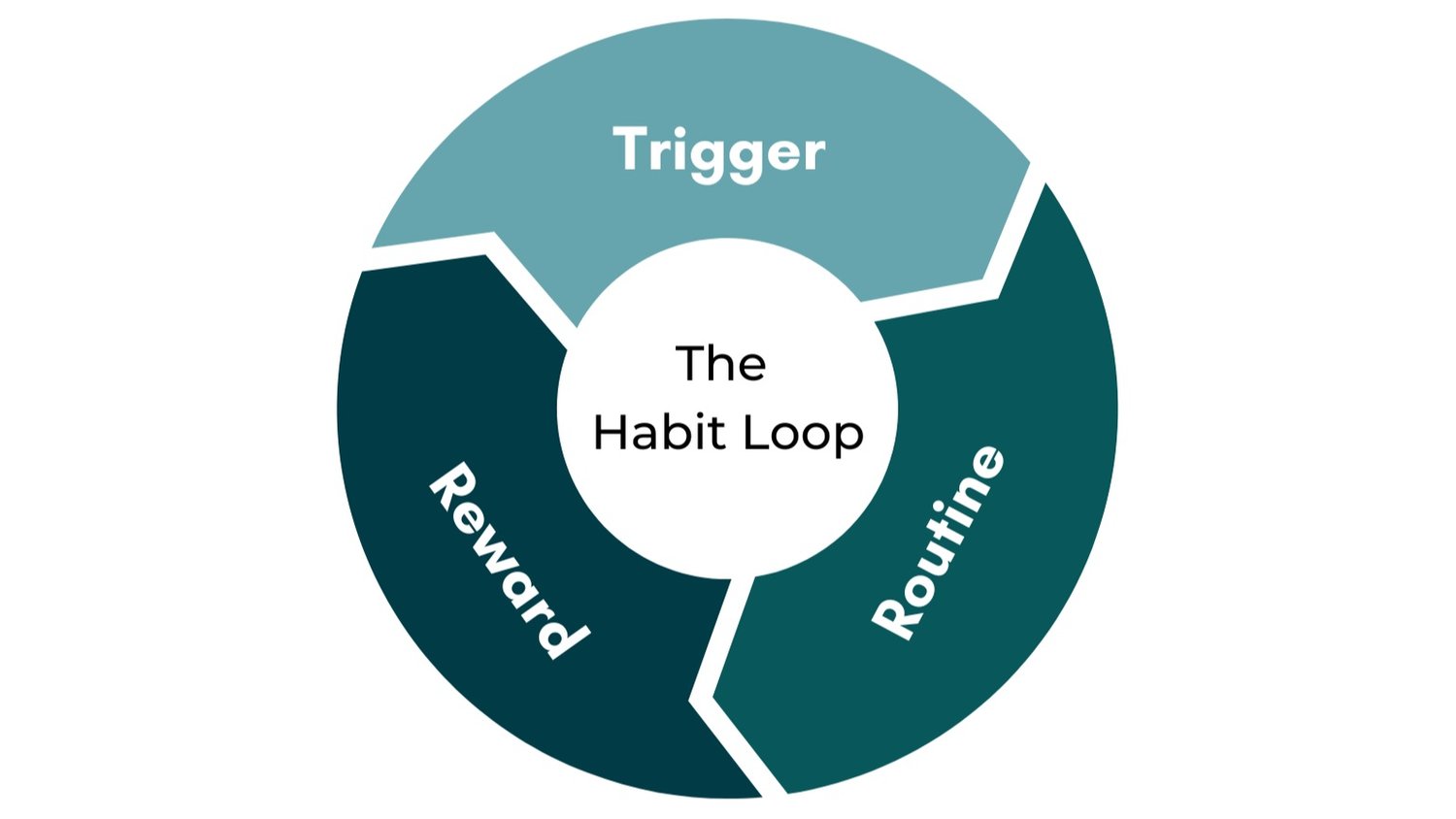
Why wellness routines fail in second month comes down to three things: the novelty wears off, the plan was too big for real life, and the environment pushes back. In Edmonton, that last one is literal. A routine started in late October hits its weak point in December, when the sun sets just after 4 p.m. and the car needs a plug-in. This guide covers the science of the second-month drop, the local factors that make it worse, the failure patterns to watch for, and a week-by-week plan to get past day 60.
Last reviewed:
What the Second-Month Drop Actually Looks Like
Most people expect failure to be dramatic. It rarely is. The routine fades. You skip one class, then another, and by week six you are telling yourself you will restart on Monday.
The Pattern in Plain Numbers
Researchers at University College London tracked people building a new daily habit. The average time to reach automatic behaviour was 66 days, with a range from 18 to 254 days. You can find the original habit formation study on PubMed. The same study found that missing a single day did not wreck the process. Missing several in a row did.
Why Do Wellness Habits Fail And How To Prevent It covers this in more detail.
Now look at the calendar. If you start on November 1, day 66 lands in early January. That means the entire stretch where the routine still takes effort runs through the darkest weeks of the year. The second month is the middle of that stretch. Motivation has dropped, automaticity has not arrived yet.
What Wellness Habits Stick And Which Ones Fail Psychology covers this in more detail.
Month One Versus Month Two
Month one runs on novelty and intention. You bought the shoes. You booked the class. Someone is watching, even if it is only you.
Why Do Wellness Habits Fail In January Edmonton covers this in more detail.
Month two runs on whatever you built into your schedule. If nothing is built in, nothing runs. That is the gap. Month one rewards enthusiasm and month two rewards structure.
Here is how the two phases usually compare:
How To Track Wellness Habits That Actually Stick covers this in more detail.
- Weeks 1 to 4: High energy, visible early gains, strong sense of identity ("I am someone who works out").
- Weeks 5 to 8: Gains slow down, the schedule gets tested by real life, and skipping feels cheap.
- Weeks 9 to 12: Either the routine is becoming automatic, or it has quietly ended.
Why Edmonton Calendars Make It Sharper
Fall restarts are common here. September brings school schedules and the pull of a fresh start. By late October and November, the first real cold arrives, daylight shrinks by several minutes a day, and the holiday calendar fills up. Anyone who has watched a January gym rush fade by February knows the pattern. Our piece on why wellness habits fail in January in Edmonton covers the winter version of the same problem. This guide goes one level deeper into the mechanics.
The Science Behind the Fade

Understanding the mechanism helps you stop blaming character. The drop is predictable, and predictable problems have fixes.
Novelty Wears Off
New activities feel rewarding partly because they are new. Your brain pays attention to unfamiliar cues. By week five, the studio is familiar, the playlist is familiar, and the sore muscles have settled. The reward signal is weaker. What felt exciting now feels like a task.
This is normal. It does not mean you picked the wrong activity. It means the routine has moved from the exciting phase to the maintenance phase, and nobody warned you about that part.
Motivation Is a Poor Fuel
Motivation swings with sleep, stress, weather, and mood. A routine that depends on feeling like it will fail on the days you most need it. Behaviour research consistently points to context cues as the stronger driver. Same time, same place, same trigger. The more your routine looks like brushing your teeth, the less it needs motivation.
Our deeper look at what wellness habits stick and which ones fail, from a psychology angle breaks down which habit types hold up and why.
Decision Load and the Friction Tax
Every extra decision is a place to quit. Should I go today? Which class? What do I wear? Where do I park? Each small question costs a little energy. Stack five of them before you leave the house in winter and you have built a reliable excuse generator.
The fix is to remove decisions. Lay out clothes the night before. Book the same class every week. Pick the facility with the plug-in parking stall. These are boring changes. They work.
The Mayo Clinic’s exercise guidance also stresses finding activities you can sustain and scheduling them, which lines up with the research on context cues.
Why Edmonton Makes Month Two Harder
A routine in Vancouver and a routine in Edmonton are not the same routine. Local conditions deserve a place in the plan.
Darkness and Mood
Around the winter solstice, Edmonton gets roughly seven hours of usable daylight. If you work downtown or on the south side and leave at 4:30 p.m., you walk out into darkness. An after-work routine that felt easy in September now requires leaving a warm office for a cold, dark car.
Seasonal mood changes are common at this latitude. The Mayo Clinic describes seasonal affective disorder symptoms, including low energy, oversleeping, and loss of interest in usual activities. These overlap with the exact feelings people read as laziness in week six. If your drop in energy is heavy or lasts for weeks, talk to a doctor or call 811 for Health Link advice. It is not a willpower problem.
Cold-Weather Logistics
At -30°C, the routine includes warming up the vehicle, scraping glass, and walking from a far parking stall. A 45-minute class becomes a 100-minute commitment. People undercount this time when they plan, then quit when reality arrives.
Some practical reductions:
- Choose a location within a 10-minute drive or a short walk from an LRT station.
- Look for facilities with underground or plug-in parking. Many downtown buildings and larger rec centres offer this.
- Keep a gym bag in the trunk with spare socks, a towel, and a hat so cold mornings do not derail you.
- Use ETS bus and LRT routes if driving is the main barrier. The City of Edmonton site lists transit and facility information.
Holidays, Smoke, and Calendar Collisions
November and December bring work parties, school concerts, and travel. Each is a legitimate reason to miss a session. None of them is a reason to drop the routine for three weeks.
Smoke season is the summer version of the same problem. Wildfire smoke can push outdoor runs inside for days. The lesson is the same in both seasons. Build an indoor backup before you need one. Know which rec centre, studio, or home workout you will use when the River Valley trails are icy or the air quality is poor.
The Most Common Failure Patterns

After the environment, the plan itself is the main culprit. These patterns show up again and again.
Starting Too Big
Someone who has not exercised in a year signs up for five classes a week, adds a new meal plan, and commits to eight hours of sleep. That plan has three simultaneous changes and no slack. By week five, one missed day makes the whole structure feel broken.
A better start is two sessions a week for the first month. Add a third in month two if it feels easy. Slow starts last longer than fast ones.
All-or-Nothing Thinking
Missing Tuesday becomes missing the week. Missing the week becomes starting over in January. This is the single most common reason a routine ends in the second month. The UCL data says one missed day barely matters. Treat it that way.
Use a simple rule: never miss twice in a row. If Tuesday slips, Thursday is non-negotiable, even if it is a 10-minute version.
Quick Reference: Failure Patterns and Fixes
| Failure pattern | What it looks like in week 5 to 8 | Fix |
|---|---|---|
| Too many changes at once | Exhaustion, skipping several things together | Keep one primary habit, pause the rest |
| All-or-nothing thinking | One missed day becomes a missed week | Never miss twice in a row |
| Motivation-based planning | Only going when you feel like it | Fixed day, time, and location |
| High friction location | Long drives, poor parking, cold walks | Pick a closer, easier venue |
| No backup plan | Storms, smoke, or illness end the routine | Prepare a 15-minute home option |
| Invisible progress | Feeling stuck after early gains | Track behaviour, not just results |
For a longer breakdown of causes and prevention steps, see why wellness habits fail and how to prevent it.
How to Build a Routine That Survives Month Two
The fixes are simple. They also require setting things up before the dip arrives, not after.
Shrink the Habit Until It Feels Almost Silly
A habit that takes five minutes is hard to skip. A habit that takes ninety is easy to skip. The goal in the first 60 days is consistency, not volume.
Examples that work in Edmonton winters:
- A 10-minute stretch routine on your living room floor right after you get home.
- A 20-minute walk at lunch along Jasper Avenue or through the Legislature grounds, since daylight is scarce after work.
- One drop-in yoga class a week near Whyte Avenue or on 124 Street. Drop-ins usually run about $18 to $25, while multi-class passes bring the per-class price down.
- A city rec centre swim or gym visit. Adult drop-in rates at City of Edmonton facilities are generally modest compared with private studios, and multi-visit passes cut the cost further.
You can expand later. Right now the goal is to still be doing it in January.
Anchor It to Something You Already Do
Habit stacking works because it borrows an existing trigger. After I pour my morning coffee, I do ten minutes of mobility. After I drop the kids at school, I walk the neighbourhood loop. After I shut my laptop, I go straight to the rec centre before going home.
That last one matters for people who commute. Going home first is where many routines die. The couch is a stronger pull than the treadmill. If you work near the University of Alberta, Kinsmen, or downtown, stop on the way home instead of after dinner.
Build a Cold-Day Version
Write down your minimum viable session. For example, 12 minutes of bodyweight squats, push-ups, and planks at home. On days with a blizzard warning, you do the minimum and call it a win. This keeps the chain intact. A done-small day beats a skipped day every time.
Families have the added challenge of schedules that shift weekly. If that is you, how to get kids excited about family wellness routines has practical ideas for making routines a shared activity instead of one more competing demand.
A Week-by-Week Plan for Days 30 to 90
Most advice stops at week four. This section picks up where the usual guides end.
Weeks 5 and 6: Expect the Dip
This is when enthusiasm drops. Tell yourself in advance that it will happen. Naming it makes it less alarming.
- Keep sessions short, even if you feel you could do more.
- Change one small element for novelty, like a new trail, a different class, or a new playlist.
- Tell one person your schedule. A friend who texts "are you going tonight" is a surprisingly effective reminder.
- Check your logistics. If you keep arriving late or stressed, change the time or location.
Weeks 7 and 8: Add One Thing, Not Three
If the routine feels stable, add a single new element. That could be a third weekly session, a longer walk, or a short post-workout stretch. Wait two weeks before changing anything else.
This is also a good time to look at your tracking. Do not obsess over scale weight or performance numbers. Track whether you showed up. Our guide to how to track wellness habits that actually stick explains simple methods that do not turn into another chore.
Weeks 9 to 12: Test the Routine Under Stress
By now you are approaching the 66-day average. Stress-test it. What happens during a holiday week, a work deadline, or a cold snap? The routine does not need to be perfect. It needs to bounce back.
A quick checklist for the end of month three:
- Did I miss two days in a row more than once? If yes, simplify the schedule.
- Can I do the minimum version without thinking? If yes, the habit is taking hold.
- Do I know my indoor backup for icy trails or smoke days? If not, find one this week.
- Is the location still convenient? If not, move it now, not in February.
Local Resources That Make the Routine Easier
Edmonton has plenty of low-friction options. The goal is picking ones that reduce your effort, not impress anyone.
City Rec Centres and Indoor Options
City of Edmonton recreation centres like Commonwealth, Clareview, Kinsmen, and Terwillegar offer pools, tracks, and gyms. Drop-in prices are typically in the range of $7 to $12 for adults, and multi-visit passes lower that. Most have large parking lots and bus connections. Check the City of Edmonton website for current rates, hours, and schedules before you go.
West Edmonton Mall is another winter option that sounds odd but works. The mall opens early enough for walkers, and the loop is flat, heated, and has free parking. For people who dread the cold start, it is a legitimate way to log steps from November through March.
Outdoor Options Worth Keeping in Winter
The River Valley does not close in winter. Trails near Hawrelak Park, Mill Creek Ravine, and Rundle Park are groomed or packed in many sections. A winter walk with proper layers and traction cleats can be easier than a gym trip. Daylight is the limit, so aim for lunch hours or weekends.
The Public Health Agency of Canada offers physical activity guidance for adults, which includes accumulating movement across the week rather than in single heroic sessions. That matches a month-two plan well.
Studios, Classes, and Group Support
Group classes add accountability. Studios in Old Strathcona, Oliver, and along 124 Street offer yoga, pilates, and strength formats. Expect drop-ins at roughly $18 to $25 and intro offers of around $30 to $60 for a first month at some studios. Street parking on Whyte Avenue is metered and busy on weekends. Weekday mornings are easier. The 99 Street and 82 Avenue area is reachable by bus, and Century Park and Health Sciences stations serve the south side by LRT.
Do not pick a studio because it looks good online. Pick one that is on your commute, has a time slot you can keep, and has a class length you can handle on a bad day. For broader public health information on mental health and wellness supports in the province, Alberta Health Services is a good starting point.
Related Articles
- How to Build a Morning Wellness Routine for Beginners: An Edmonton Guide
- What Is a Sustainable Habit Loop and How Does It Work: Building Wellness Routines That Stick in Edmonton
- How to Start Yoga at Home in Edmonton: A Winter-Friendly Guide
Find Trusted Wellness Spots in Edmonton
Browse our independent guide to Edmonton’s spas, fitness studios, and wellness services. Local. Honest. Free.
Frequently Asked Questions
Why do I lose motivation after about a month?
Novelty fades, and early gains slow down. Your routine now has to run on structure instead of excitement. Fix a day, time, and place for each session, and shorten the session if you need to.
How long does it take for a wellness routine to become automatic?
Research from University College London found an average of 66 days, with a wide range from 18 to 254 days. Plan for about three months, not three weeks. Missing a single day did not break the process in that study, so do not treat a slip as failure.
What should I do if I miss a week in the middle of winter?
Restart with the minimum version of your routine, such as 10 minutes at home or a short walk at lunch. Do not try to make up the missed sessions. Book your next class or rec centre visit before you leave the house that day.
Is winter the worst time to start a new routine in Edmonton?
It is harder, but not impossible. Darkness and cold add friction, so choose indoor options close to home or work. City rec centres and West Edmonton Mall walking loops remove most weather barriers.
When should I talk to a doctor about low energy or mood?
If low mood, heavy fatigue, or loss of interest lasts more than two weeks and affects daily life, call your family doctor or Health Link at 811. Seasonal affective disorder is common in northern climates and treatable. A stalled routine can be an early sign worth taking seriously.
Looking for more practical help getting started? Browse the rest of the Edmonton Wellness Guide for local classes, rec centres, and habit-building ideas that fit northern living.