Edmonton doesn’t have four seasons so much as four different climates wearing the same city’s address. A workout schedule that works in July will get you frostbite in January, and a running route that feels great in April turns into an allergy attack in May. Figuring out the best times to exercise during Edmonton seasonal changes isn’t about willpower. It’s about matching your schedule to daylight, temperature, and air quality that shift dramatically every few months. This guide breaks down exactly when to move your workout outdoors, when to pull it inside, and how to build a routine that survives all four seasons without falling apart every time the weather turns.
Last reviewed:
Why Edmonton’s Seasons Change How and When You Should Exercise
Edmonton sits at roughly 53.5 degrees north latitude, which is farther north than most of the exercise advice you’ll find online was ever written for. That latitude is the whole story. It’s why the daylight swings are so extreme, why the cold snaps hit so hard, and why smoke season shows up every summer now. If you’re planning workouts around what works in Calgary or Toronto, you’re planning around the wrong city.
Daylight Swings From Under 8 Hours to Nearly 17
In late December, Edmonton gets about 7 hours and 45 minutes of daylight. By late June, that stretches to almost 17 hours. That’s not a small difference. It means your “after work run” window in December starts in the dark and your “early morning workout” in July can happen at 5 a.m. with full sun already up. Your body’s circadian rhythm responds directly to light exposure, and Mayo Clinic’s overview of seasonal affective disorder notes that reduced daylight in fall and winter can disrupt serotonin and melatonin regulation, which affects both mood and sleep-wake timing. That’s a big part of why the best times to exercise during Edmonton seasonal changes aren’t the same clock time year-round. They follow the sun.
Temperature Swings That Rewire Your Workout Clock
Edmonton’s average January low sits around -14°C, but it’s not unusual to see stretches at -25°C to -30°C with wind chill. Compare that to a July average high near 23°C, sometimes pushing past 28°C. That’s a 50-plus degree swing across six months. In winter, midday is often your warmest and safest window. In summer, midday becomes the window you actively avoid. If you keep exercising at the same hour every month of the year, you’re fighting the thermometer for half of it.
Smoke Season Adds a Third Variable
On top of daylight and temperature, Edmonton now deals with wildfire smoke most summers, usually peaking in July and August. Air quality can shift from good to hazardous within a single afternoon depending on wind direction. This isn’t just a comfort issue. Poor air quality during exercise increases the amount of fine particulate matter you inhale because you’re breathing harder and deeper. Planning around smoke isn’t optional anymore for anyone training outdoors in Edmonton summers, and it means checking conditions daily rather than assuming yesterday’s air is today’s air.
Winter Exercise Timing: December Through February
Winter is where most Edmontonians quietly give up on outdoor fitness, usually around the second week of January. It doesn’t have to go that way, but the timing rules are different than any other season.
Seasonal Wellness Edmontons Climate covers this in more detail.
Best Outdoor Windows When It’s Above -15°C
When temperatures sit between -5°C and -15°C, late morning through early afternoon, roughly 11 a.m. to 2 p.m., is your best window. The sun is highest, wind tends to be calmer than early morning, and you get the mental health benefit of daylight exposure. River Valley trails like the ones near Hawrelak Park or Whitemud Park are groomed for winter walking and fat biking, but check the City of Edmonton’s river valley trail conditions page before you go, since grooming schedules change with snowfall. Parking at Hawrelak Park is free and plentiful in winter since summer festival crowds are gone.
Health And Wellness Edmonton covers this in more detail.
When to Take It Inside Entirely
Below -25°C with wind chill, or during an extreme cold warning from Environment Canada, outdoor exercise stops being a timing question and becomes a safety question. Exposed skin can develop frostbite in under 10 minutes in those conditions. This is when Edmonton’s indoor infrastructure earns its keep. Studios along Whyte Avenue and in Old Strathcona fill up fast on cold snap days, so if you’re planning a 6 p.m. class after work, book ahead. Downtown and Oliver gyms with underground or heated parkade access are worth the extra $10 to $15 a month in winter, because a warm car waiting for you after a workout matters more than it sounds like it should.
Morning Light Exposure and Seasonal Affective Disorder
If you’re prone to the winter blues, the timing question isn’t just about temperature. It’s about getting outside, even briefly, during the narrow daylight window. Edmonton’s sun rises around 8:45 a.m. and sets around 4:15 p.m. in late December. A lunchtime walk, even 20 minutes, does more for your mood than an equivalent workout done in the dark before or after work. Alberta Health Services’ guidance on seasonal affective disorder recommends daily outdoor light exposure and consistent activity timing as part of managing symptoms through the darkest months. For a deeper look at keeping habits intact when the sun barely shows up, it helps to maintain wellness habits during Edmonton’s winter darkness rather than waiting for spring to restart everything.
Spring Reset Timing: March Through May
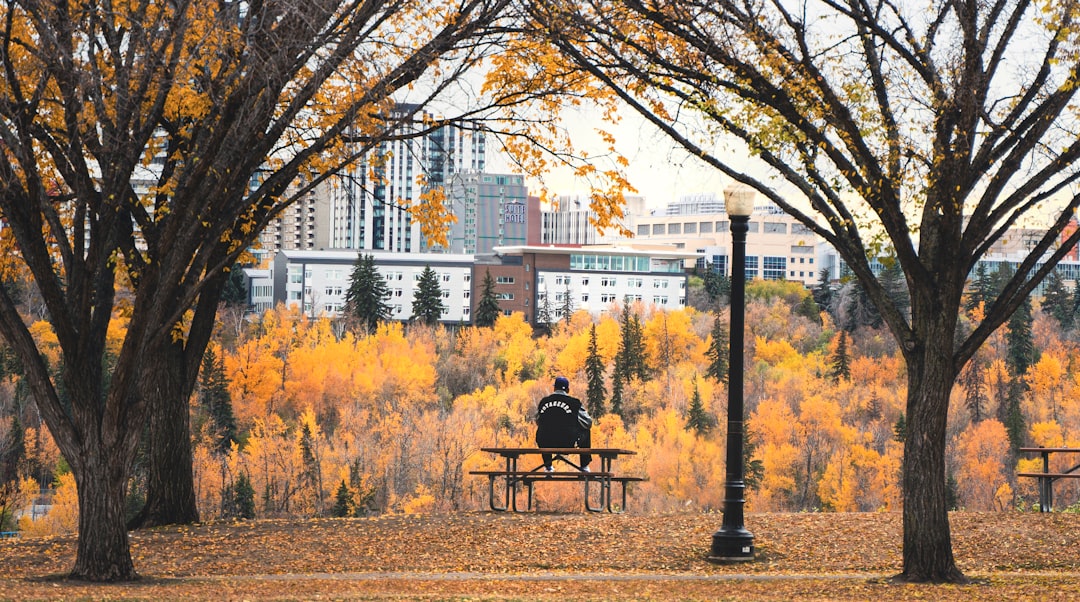
Spring in Edmonton is deceptive. The calendar says it’s here, but the river valley is still half-frozen mud through most of March, and pollen shows up faster than people expect.
Avoiding Peak Pollen Hours
Tree pollen, especially birch and poplar, typically ramps up in Edmonton starting mid-April and peaks through May. Pollen counts are usually highest in the morning between 5 a.m. and 10 a.m., which flips the winter logic on its head. If you’re sensitive, an early evening outdoor workout beats an early morning one during peak pollen weeks. For a full breakdown of what’s in the air and when, the Edmonton Spring Allergies Wellness Guide For Seasonal Relief covers timing strategies in more detail than we can fit here.
Ice, Melt, and River Valley Trail Timing
March and early April are the trickiest months to time a run. Daytime melt refreezes overnight, so trails that look clear at 2 p.m. can be sheets of ice by 7 a.m. the next day. Mid-afternoon, after a few hours of sun exposure, is genuinely the safest window for river valley trails through this transition. Stick to paved multi-use paths like the ones through Terwillegar Park or along the North Saskatchewan near the Muttart Conservatory, since they drain and dry faster than dirt singletrack.
Rebuilding Your Outdoor Base
By May, daylight stretches past 9 p.m. and temperatures regularly clear 15°C. This is the month to shift a chunk of your indoor winter training back outside. Early evening, 6 p.m. to 8 p.m., works well because it avoids morning pollen and still has plenty of light. It’s also when a lot of Edmontonians’ routines quietly fall apart, because the schedule that got them through winter doesn’t fit the new daylight. If your plan tends to collapse every time the season flips, it’s worth reading up on how to prevent seasonal wellness routine breakdowns in Edmonton before you hit that wall again.
Summer Long-Daylight Timing: June Through August
Summer solstice gives Edmonton close to 17 hours of daylight, with light lingering past 10 p.m. It’s the easiest season to find time to exercise and the hardest to time it well, because heat and smoke both peak here.
Early Morning Beats the Heat
Between late June and August, Edmonton regularly sees afternoon highs in the mid-to-high 20s, occasionally touching 30°C. The window between 6 a.m. and 9 a.m. is consistently the best times to exercise during Edmonton seasonal changes in summer, since temperatures are 8 to 10 degrees cooler than mid-afternoon and there’s already full daylight by 5:30 a.m. River valley trail runs starting from Kinsmen Park or the Victoria Park area beat the heat and the crowds. Parking at Kinsmen is metered during the day but free before 9 a.m. on most stretches, which is one more reason to get moving early.
Evening Workouts and Festival Season Scheduling
Evening remains a solid second option, roughly 7 p.m. to 9 p.m., once the sun has lost some intensity. The catch is Edmonton’s packed summer festival calendar. Folk Fest weekend at Gallagher Park and Heritage Days at Hawrelak Park both eat up river valley parking and trail access for days at a time. Check event schedules before you plan a long run through those areas in late July and early August, or you’ll be rerouting on the fly.
Smoke Season Pivots
When wildfire smoke rolls in, usually somewhere between mid-July and late August, the timing rules above stop applying and air quality becomes the only variable that matters. Check the Air Quality Health Index before any outdoor session, not just once in the morning but again before an evening workout, since smoke can shift with the wind through the day. Environment and Climate Change Canada’s Air Quality Health Index is the fastest way to check current conditions for Edmonton. On a rating of 7 or higher, move everything indoors regardless of what time it is. This is exactly the kind of disruption covered under Edmonton Wellness Guide’s ongoing look at seasonal wellness and Edmonton’s climate, since smoke season now functions almost like a fifth season on its own.
Fall Transition Timing: September Through November
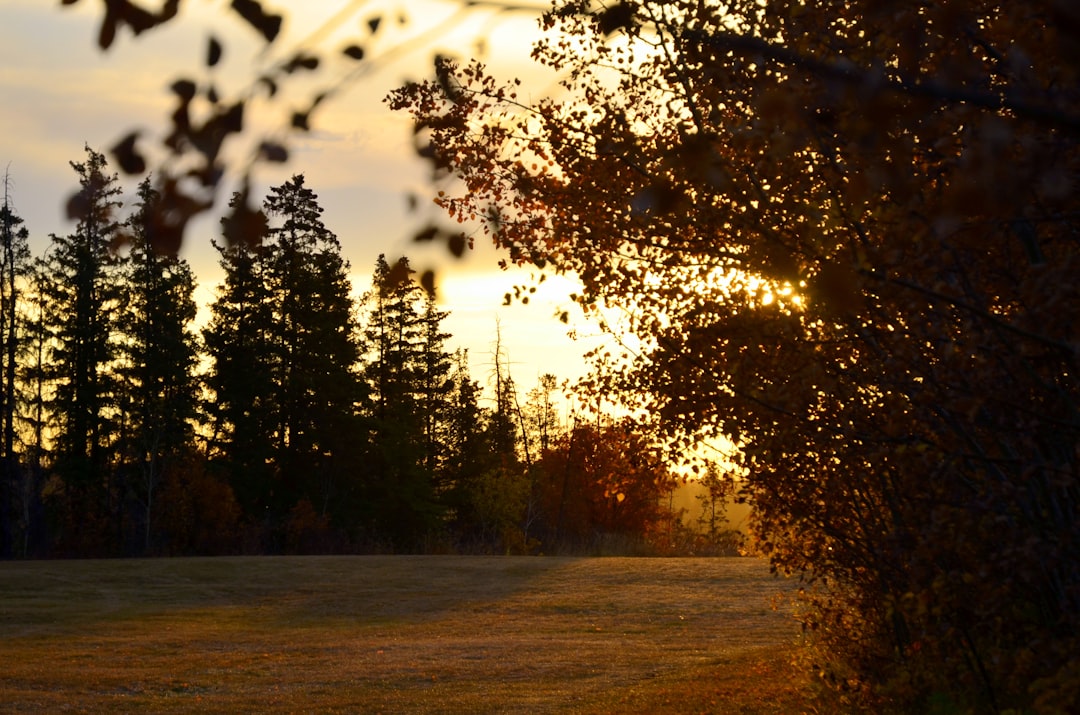
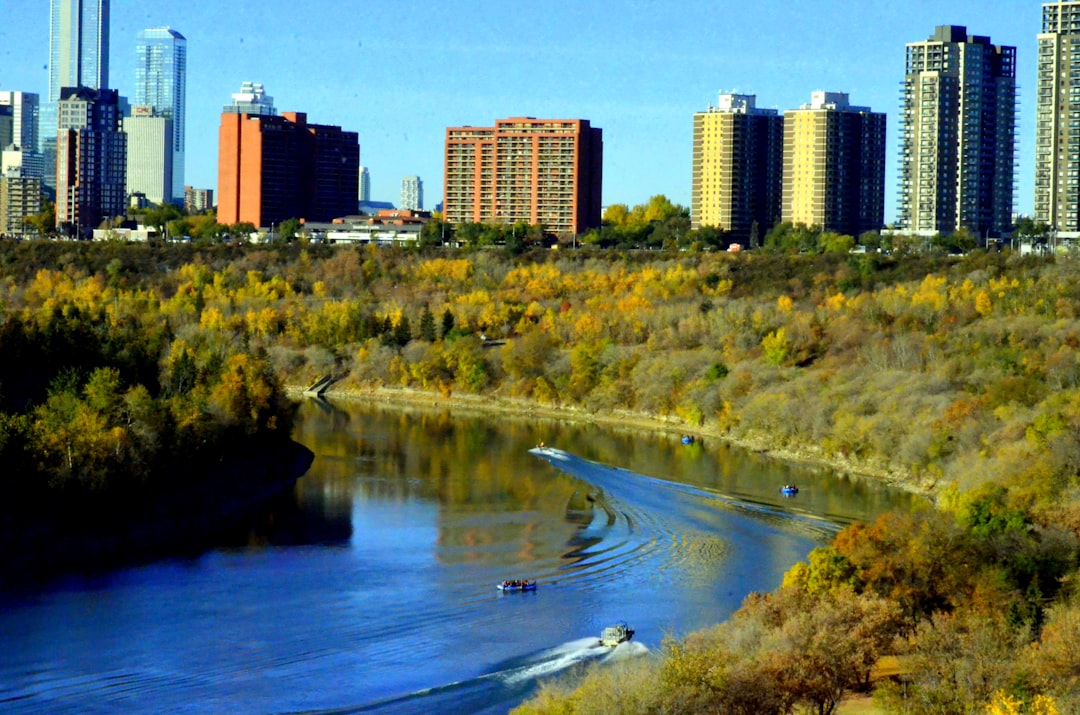
Fall is Edmonton’s most underrated exercise season. Smoke clears, temperatures moderate, and the river valley turns gold through late September. It’s also the season where daylight disappears fastest.
Shrinking Daylight Means Shifting Your Window
Edmonton loses close to 4 minutes of daylight per day through October, which adds up to nearly two hours lost over the month. A 6 p.m. run that felt like early evening on October 1 is full dark by Halloween. Shift outdoor workouts earlier as the month goes on, aiming for a start time before 5 p.m. by late October if you want usable daylight. This is also spa season in Edmonton, and a lot of people pair a shorter outdoor window with an indoor recovery session, whether that’s a sauna visit or a yoga class in Oliver or 124 Street.
First Frost and Black Ice Timing
First frost typically hits Edmonton in mid-to-late September, and by October, overnight lows regularly dip below freezing even when afternoons stay mild. That combination creates black ice on shaded trail sections and bridges well before the ground is visibly icy. Midday, once the sun has had a few hours to work, remains the safer bet on any morning where the overnight low dropped near zero.
Getting Ahead of Winter Before It Hits
The biggest mistake Edmontonians make in fall is waiting until the first real cold snap to think about indoor backup plans. By the time it’s -20°C in November, gym memberships are harder to get into and popular class times fill up fast. Lock in a winter gym or studio plan in October while you still have outdoor options, so the transition doesn’t leave you scrambling. General year-round guidance on keeping this all straight lives under Edmonton Wellness Guide’s health and wellness in Edmonton resources, which is worth bookmarking alongside this one.
Edmonton Seasonal Exercise Timing Cheat Sheet
This is the quick-reference version. Bookmark it, because the best times to exercise during Edmonton seasonal changes shift enough that most people need a reminder more than once a year.
| Season | Best Outdoor Window | Why | Watch For |
|---|---|---|---|
| Winter (Dec-Feb) | 11 a.m.-2 p.m. | Peak temperature and daylight | Wind chill below -25°C, ice fog |
| Spring (Mar-May) | 2 p.m.-5 p.m. early spring; 6-8 p.m. by May | Trails have thawed and refrozen surface is gone; evenings avoid peak pollen | Overnight refreeze on trails, birch and poplar pollen |
| Summer (Jun-Aug) | 6 a.m.-9 a.m. | Coolest temperatures with full daylight already up | Midday heat, wildfire smoke, festival trail closures |
| Fall (Sep-Nov) | Before 5 p.m., shifting earlier through the season | Daylight shrinks roughly 4 minutes per day in October | Black ice on shaded trail sections, early sunset |
Quick Reference Checklist Before Any Outdoor Session
- Check the temperature and wind chill, not just the daytime high, especially November through March
- Check the Air Quality Health Index during July and August, even if the sky looks clear
- Check river valley trail conditions through the City of Edmonton’s website after any freeze-thaw cycle
- Check festival and event schedules if you’re running through Hawrelak Park or Gallagher Park in summer
- Check sunset time weekly from September through November, since it shifts fast
How to Use Sunrise and Sunset Data to Plan Ahead
Rather than guessing, pull up sunrise and sunset times for Edmonton once a week during the shoulder seasons, spring and fall, when daylight is changing the most. A five-minute check on Sunday night lets you set your workout windows for the coming week instead of discovering at 5:45 p.m. on a Wednesday that it’s already getting dark.
Building a Year-Round Exercise Schedule That Survives Edmonton
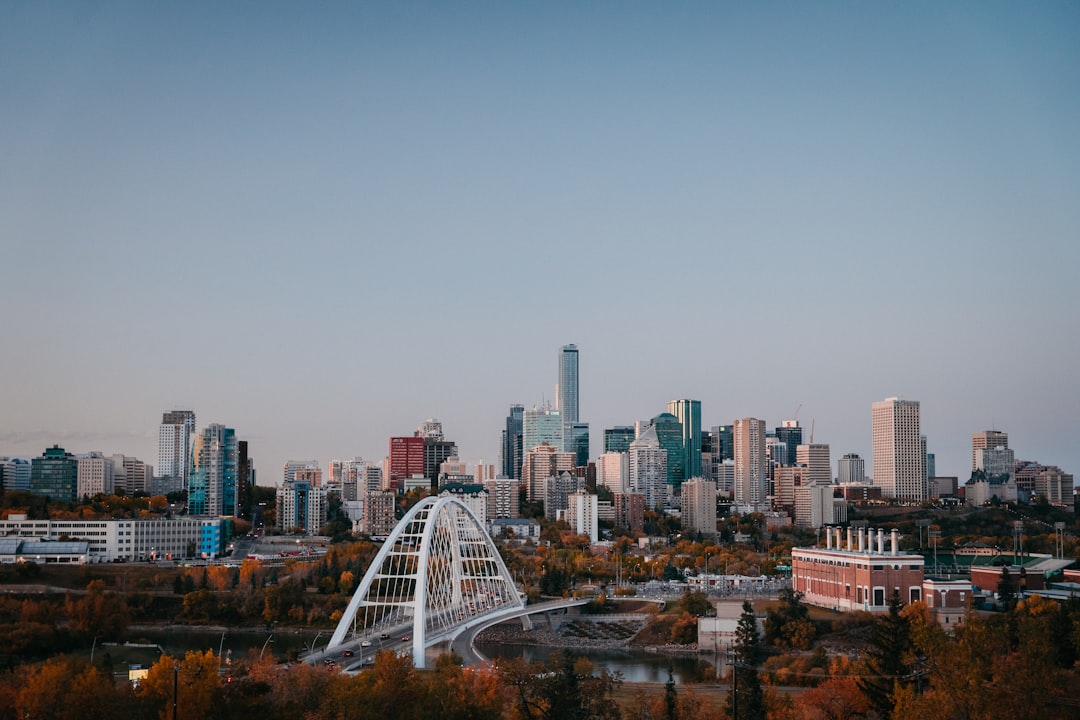
The people who actually stay consistent in this city aren’t the ones with the most willpower. They’re the ones who built a schedule that bends with the seasons instead of breaking against them.
Anchor to Daylight, Not the Clock
Instead of committing to “I run at 6 p.m.,” commit to “I run in the two hours after sunrise” or “I run in the coolest part of the day.” That single mental shift is what keeps a routine intact from June through December, because the actual clock time behind that rule changes automatically as the seasons do.
Indoor Backup Plans by Neighborhood
Every outdoor routine needs an indoor twin. If you run the river valley near Old Strathcona, know which studio on Whyte Avenue you’d swap into on a -30°C day. If you walk in Windermere, know the closest indoor track or rec centre. Downtown workers near Jasper Ave should scope out lunchtime studio options with quick access, since a 45-minute window doesn’t leave room for a long commute. Building this backup list once, before you need it, saves the two or three weeks most people lose every winter just figuring out where to go.
Tools to Track Conditions Before You Head Out
A short pre-workout check takes less time than getting dressed for it. Weather apps with hourly wind chill, the Air Quality Health Index during smoke season, and the City of Edmonton’s trail condition updates cover almost every seasonal variable that matters here. Treat that check as part of the workout, not an extra step, and the timing questions above become second nature within a season or two.
Related Articles
- How to Stay Active During Edmonton’s Winter Smoke Season: Indoor Fitness Options That Work
- Best Indoor Wellness Activities When Edmonton Air Quality Drops: Your Complete Guide
- Why Does Edmonton Summer Daylight Affect Sleep Schedules: Understanding Our 17-Hour Days
Sources & References
Find Trusted Wellness Spots in Edmonton
Browse our independent guide to Edmonton’s spas, fitness studios, and wellness services. Local. Honest. Free.
Frequently Asked Questions
What is the single best time of day to exercise outdoors in Edmonton?
There isn’t one answer year-round. In winter, aim for 11 a.m. to 2 p.m. when temperatures peak. In summer, flip that entirely and aim for 6 a.m. to 9 a.m. before the heat sets in. The best times to exercise during Edmonton seasonal changes always track daylight and temperature rather than a fixed hour.
Is it safe to run outside in Edmonton winter mornings?
It depends entirely on the wind chill, not just the air temperature. Above -15°C, a morning run is generally fine with proper layering. Below -25°C with wind chill, frostbite risk on exposed skin rises fast, and it’s safer to shift the session to midday or move indoors entirely.
When does allergy season start affecting exercise timing in Edmonton?
Tree pollen typically starts climbing in mid-April and peaks through May, with counts usually highest in early morning hours. Sensitive exercisers should shift outdoor sessions to early evening during that stretch. The Edmonton Spring Allergies Wellness Guide For Seasonal Relief has a fuller pollen calendar if you want to plan further ahead.
How do I know if wildfire smoke is bad enough to skip outdoor exercise?
Check the Air Quality Health Index before heading out, not just the visible haze. A reading of 7 or higher means it’s time to move the workout indoors, regardless of what time of day it is or how good the temperature feels.
Why does my exercise routine always fall apart when the seasons change in Edmonton?
Most routines are built around a fixed clock time that only works for one season. When daylight or temperature shifts enough, that fixed time stops being viable and the whole plan collapses. Anchoring your workout window to daylight and temperature ranges, plus keeping an indoor backup ready, is what actually prevents seasonal wellness routine breakdowns in Edmonton.
Do I need to change my exercise timing during fall, or just winter and summer?
Yes, and it’s the season most people skip planning for. Daylight drops by roughly 4 minutes a day through October, so a workout window that works on September 1 can be fully dark by October 20. Shift your start time earlier week by week rather than waiting for one big adjustment.