Edmonton sits on flat prairie, not on a fault line, so there is no natural hot spring bubbling up anywhere near the city. That fact surprises a lot of newer residents who go looking for “indoor hot springs near Edmonton” and find spa hydrotherapy circuits instead of geothermal pools. This comparison is for anyone deciding how to spend a Saturday, or a whole weekend, chasing hot water therapy: indoor hot springs near Edmonton (really, heated hydrotherapy circuits and thermal spas inside the city) versus outdoor hot springs options in the Rocky Mountains, three to five and a half hours west. The short version: indoor wins on cost, convenience, and winter reliability. Outdoor wins on the actual mineral-water experience and scenery, but only if you can afford the drive time and the season cooperates.
Last reviewed:
Indoor Hot Springs vs Outdoor Hot Springs: The Quick Verdict
Before getting into the details, here is how the two options stack up side by side. This is the table to bookmark if you are trying to decide tonight.
| Factor | Indoor Hot Springs Near Edmonton | Outdoor Hot Springs (Rockies) |
|---|---|---|
| Distance from Edmonton | 0 to 20 minutes, inside city limits | 3.75 to 5.5 hours by car |
| Typical cost | $45 to $95 for a 2 to 3 hour circuit pass | Around $9 admission, but $150 to $400 all-in with gas and lodging |
| Water source | Heated municipal water, chlorinated or salt-treated | Natural geothermal mineral water |
| Booking and wait | Same-day booking usually available | Book weeks ahead in summer, walk-in easier in winter |
| Best season | Year-round, especially strong December to February | Summer for full access, limited in winter (Miette closes seasonally) |
| Parking and transit | Free or metered lots, several stops near LRT | Free lots on site, no transit option |
| Winter driving risk | None, city streets only | Real risk on Highway 16 and the Icefields Parkway |
| Health consideration | Staff on site, controlled temperature | Cold air exit after soaking adds cardiovascular stress |
What Counts as an Indoor Hot Springs Near Edmonton
There is no natural hot spring within city limits, so when people search for indoor hot springs near Edmonton they usually mean one of two things: a spa hydrotherapy circuit built to mimic the hot-cold-relax cycle of a real mineral spring, or a heated indoor pool facility that lets you soak without driving anywhere near the mountains.
Hydrotherapy Circuits and Thermal Spas in the City
Body Restoration Spa & Wellness Centre, tucked into Old Strathcona near Whyte Avenue, runs a hydrotherapy pool circuit that cycles guests through a hot whirlpool, steam room, cold plunge, and a quiet relaxation lounge. Expect to pay somewhere in the $70 to $95 range for a few hours of access, sometimes bundled with a massage. Parking on the surrounding side streets is free after 6pm and on weekends, which matters if you are trying to keep the whole outing under $100.
Edmonton Spring Allergies Wellness Guide For Seasonal Relief covers this in more detail.
Over at West Edmonton Mall, ten Spa inside the Fantasyland Hotel leans into private whirlpool suites rather than a shared circuit. It is a couples-focused option, priced closer to $150 and up for two people, and it comes with mall parking that can eat 15 to 20 minutes on a busy weekend. Neither of these is a natural spring. Both are hot water therapy you can book on a Tuesday night after work, which is the whole point.
Indoor Cycling Vs Outdoor Biking Edmonton covers this in more detail.
Float Spas and Heated Pool Alternatives
Float tanks are worth mentioning even though the water sits closer to skin temperature than true hot springs heat. They are a legitimate indoor alternative for stress relief without the drive, and several Edmonton float studios run walk-in sessions. For a louder, more family-oriented option, World Waterpark at West Edmonton Mall has hot tubs alongside its wave pool, with day passes running $45 to $55. It is not a spa-quiet experience, but in a city where it can hit minus 30 in January, an indoor hot tub with a roof over it is still a legitimate winter wellness move. For a deeper rundown of what actually counts as a hot spring escape in this city, the guide to the best hot springs near Edmonton for winter wellness escapes breaks down more of these local options.
How To Prevent Seasonal Wellness Routine Breakdowns In Edmonton covers this in more detail.
What Counts as an Outdoor Hot Springs Option
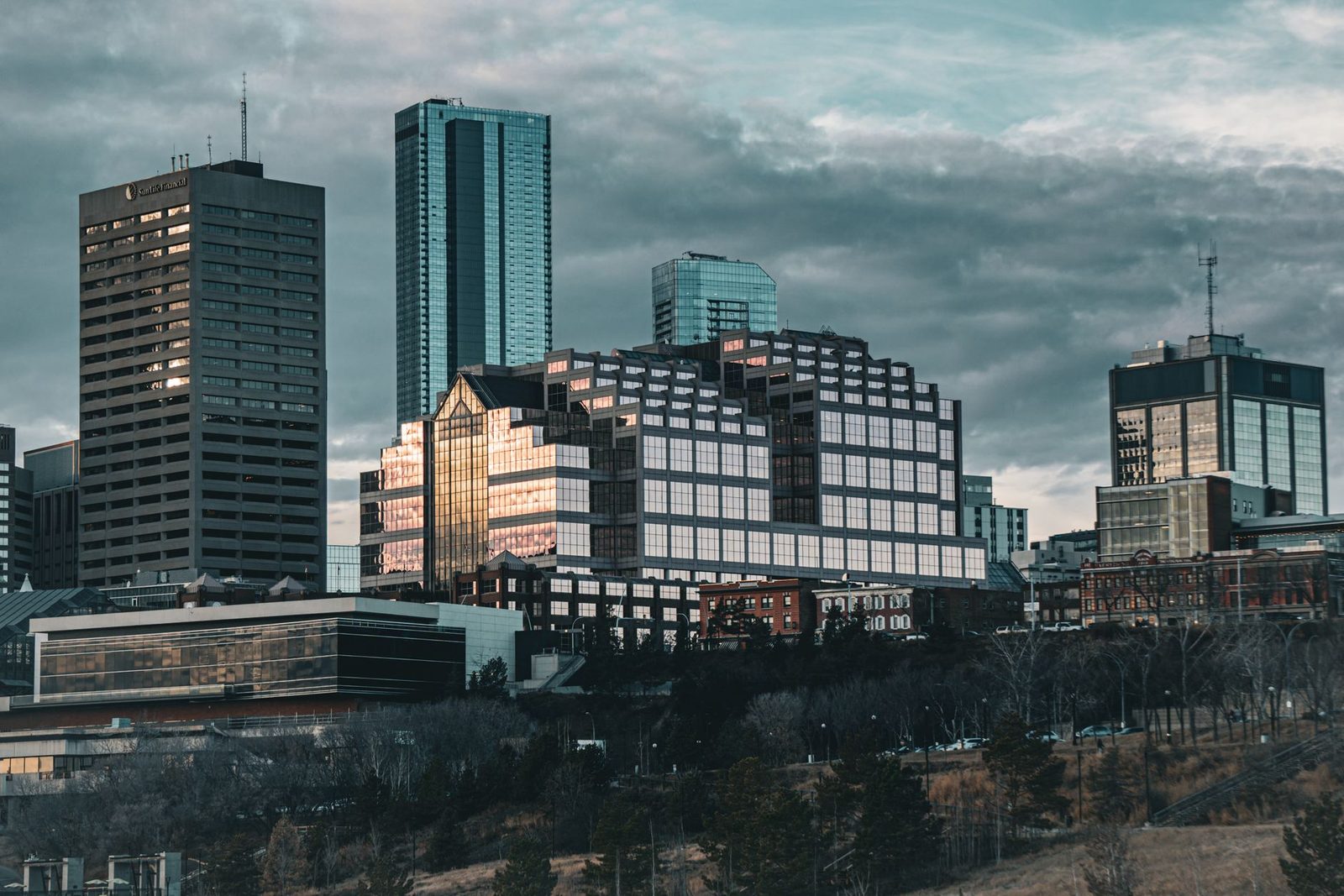
The real hot springs, the kind fed by geothermal water instead of a boiler, sit west of Edmonton in the mountains. This is the outdoor hot springs category, and it comes with a much bigger commitment than driving across town.
Best Indoor Wellness Activities When Edmonton Air Quality Drops covers this in more detail.
Miette, Banff Upper, and Radium
Miette Hot Springs, inside Jasper National Park, is the hottest mineral spring in the Canadian Rockies, with source water reaching well above soaking temperature before it is cooled into the pools. It is roughly 4.5 hours from Edmonton by car and it operates on a seasonal schedule, typically open from mid-May through early October and closed the rest of the year because the site is not winterized. Banff Upper Hot Springs sits about 4 hours southwest and stays open year-round, with pool temperatures generally sitting between 37 and 40 degrees Celsius. Radium Hot Springs, in Kootenay National Park just past the BC border, is the longest drive at around 5.5 hours, also open year-round. Admission at all three runs close to $9 for an adult day pass, a price Parks Canada has kept low for decades.
Kananaskis Nordic-Style Spas as a Hybrid Option
If you want something between a true natural spring and a city spa, Kananaskis Nordic Spa near Canmore is worth knowing about. It is not a geothermal source, it is a heated outdoor pool circuit built into the mountains, roughly 3.75 hours from Edmonton. Day passes run $100 to $140, which puts it closer to a splurge than a weekly habit. It scratches the same itch as outdoor hot springs, minerals and mountain air, without the seasonal shutdown that hits Miette.
Cost Comparison: Indoor vs Outdoor
Sticker price and real price are two different numbers here, and it is worth doing the math before you book either one.
Indoor Pricing in Edmonton
A hydrotherapy circuit pass in the city runs $45 to $95 depending on the venue and whether it includes a treatment. There is no gas cost, no overnight stay, and no need to take a full day off work. You can do it after a shift and be home by 9pm. For a city with long, dark winters, that low barrier to entry matters more than it sounds.
Outdoor Pricing Plus Travel Costs
Admission at Banff Upper, Miette, or Radium is cheap on its own, around $9 a person. The real cost shows up in the drive. A round trip to Jasper or Banff covers roughly 700 to 800 kilometres. At current fuel prices, that is somewhere around $80 to $110 in gas for an average car, according to typical Alberta pump prices tracked by Statistics Canada. Add a hotel night, which realistically runs $150 to $300 in a mountain town during peak season, and a day trip to natural hot springs becomes a $200 to $400 outing once food is factored in. That is not a knock on outdoor hot springs, it is just the honest math behind indoor hot springs near Edmonton versus outdoor options when you are budgeting for a season, not a single trip.
Winter Accessibility and Driving Conditions
the comparison gets Edmonton-specific, and where a lot of the decision actually gets made.
Driving to the Mountains in Minus 30
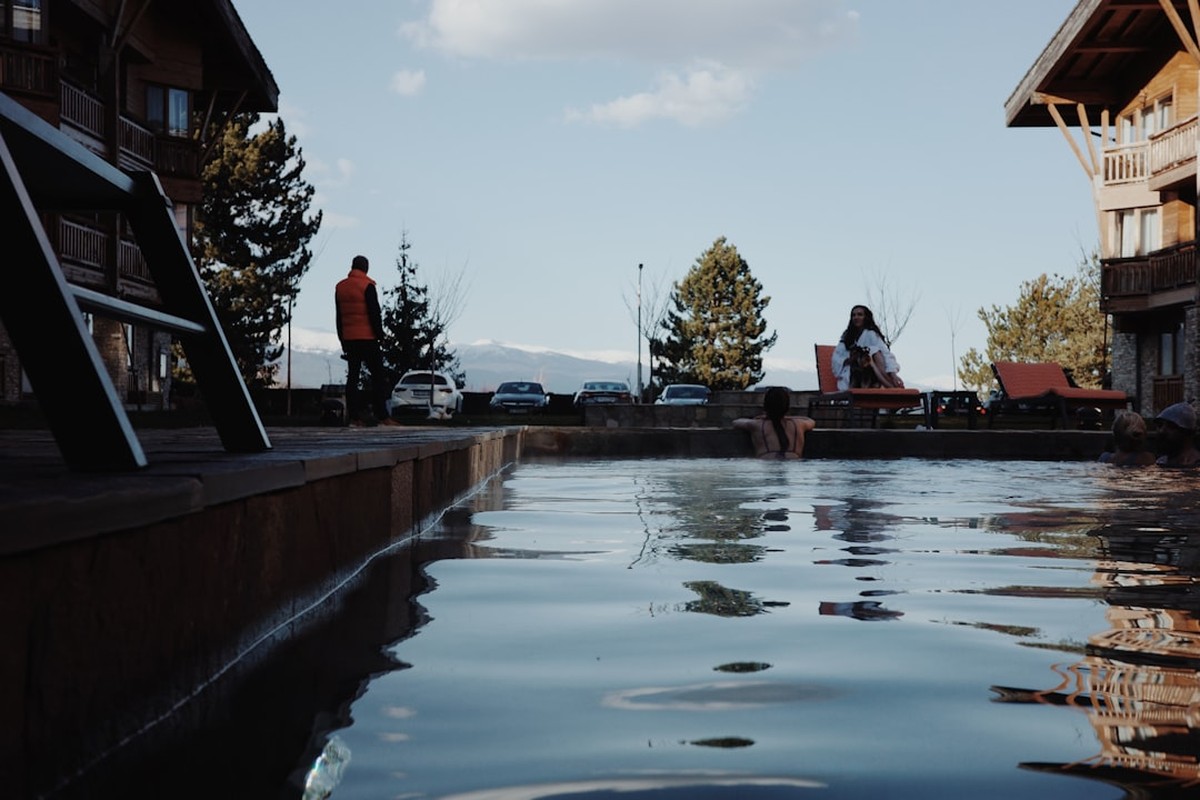
Highway 16 to Jasper and Highway 1 or 93 to Banff and Radium are not casual winter drives. Black ice, sudden whiteouts, and avalanche control closures on the Icefields Parkway are all real possibilities between November and April. Winter tires are not optional. Checking Alberta’s 511 road conditions service before leaving is not optional either. There is also a strange physical reality at Banff Upper Hot Springs in January: the pool water sits near 40 degrees Celsius while the air can be minus 20 or colder, so your hair can freeze solid within minutes of getting out. It is a fun photo, but it is also a reminder that moving between hot water and extreme cold air puts real stress on the body, something Alberta Health Services flags for anyone with heart or blood pressure concerns.
Booking Indoor in Winter, When SAD Season Hits
Edmonton gets around 8 hours of daylight in late December. That stretch from November through February is when seasonal affective disorder symptoms peak for a lot of residents, and it is exactly when a same-day indoor hydrotherapy session beats a five-hour drive through the mountains. You do not have to check road conditions to book a Tuesday night circuit pass at a Whyte Avenue spa. Keeping a wellness habit alive through the worst months is mostly about removing friction, which is the same idea behind preventing seasonal wellness routine breakdowns in Edmonton more broadly. Save the outdoor hot springs trip for a weekend when the forecast actually cooperates.
Health Benefits and Safety Considerations
Both options involve heat therapy, but the physiological experience is not identical, and neither is the risk profile.
Cold-to-Hot Contrast Therapy: What the Research Says
Alternating hot water immersion with cold exposure is associated with short-term improvements in circulation and perceived muscle recovery, though Mayo Clinic’s guidance on hot tub and hot water precautions notes the evidence for lasting benefit is limited and the bigger factor is often just subjective relaxation. That relaxation response is real and worth something, whether the water came from a mountain aquifer or a boiler on Whyte Avenue. The cold plunge or cold air exit step is what triggers most of the measurable circulation response, and it is present in both the indoor circuit and the outdoor mountain version.
Who Should Avoid Extreme Temperature Swings
People who are pregnant, have uncontrolled high blood pressure, or have a diagnosed heart condition should talk to a doctor before doing hot tub or hot spring therapy at all, and that caution applies double to the outdoor version, where you are stepping from 40 degree water into freezing air with no staff nearby. Indoor venues in Edmonton generally have staff on site and controlled water temperature, which makes them the lower-risk option for anyone managing a health condition. If wildfire smoke rolls in during July or August, which happens most summers now, the mountain highways can also carry reduced visibility and poor air quality, another reason to lean indoor during smoke season. The guide to indoor wellness activities when Edmonton air quality drops covers more of what to switch to when the smoke rolls in.
Seasonal Timing: When Each Option Actually Makes Sense
Neither indoor nor outdoor hot springs are a one-size-fits-all answer across an Edmonton year. The right choice shifts with the calendar.
Winter and Early Spring
December through April is indoor territory for most people. Miette is closed. The mountain highways are unpredictable. A city hydrotherapy circuit gets the same cold-to-hot benefit without the risk. As the snow starts melting into March and April, outdoor running routes and river valley trails open back up too, but that is also allergy season creeping in, which is worth planning around using the Edmonton spring allergies wellness guide for seasonal relief.
Summer and Smoke Season
May through early October is when the outdoor hot springs case gets strong. Miette reopens, the Icefields Parkway is clear, and Folk Fest season means a lot of Edmontonians are already thinking about weekend trips west anyway. The catch is smoke season, which typically runs July into August and can turn a scenic mountain drive into a hazy, low-visibility slog. That is the same seasonal tradeoff Edmontonians navigate with other indoor-outdoor decisions, like the choice covered in indoor cycling vs outdoor biking in Edmonton, where air quality and road conditions decide which version of a workout actually happens that week.
Verdict: Which One Should You Actually Book
Best for budget: Indoor hydrotherapy circuits in the city. A $70 to $95 session at a spa near Whyte Avenue delivers the same hot-cold contrast cycle as a mountain trip without $200 in gas and hotel costs attached.
Best for the real hot springs experience: Outdoor. Nothing indoors replicates mineral-rich geothermal water and a mountain view, and Banff Upper or Miette in summer is worth the drive at least once a season.
Best for winter and SAD season: Indoor, without much competition. Same-day booking, no highway risk, and it is available on the darkest week of the year in December when a five-hour drive west is the last thing anyone wants to plan.
Best for a weekend escape: Outdoor, ideally paired with a Banff or Radium overnight stay or a Kananaskis Nordic Spa day pass. Treat it as a seasonal splurge rather than a monthly habit, and the cost stops feeling steep.
Most Edmontonians end up doing both. Indoor for the regular, low-friction reset through the winter months, outdoor for the two or three trips a year when the mountains are actually accessible and the point is the whole day, not just the soak.
Related Articles
- How to Stay Active During Edmonton’s Winter Smoke Season: Indoor Fitness Options That Work
- Why Does Edmonton Summer Daylight Affect Sleep Schedules: Understanding Our 17-Hour Days
Sources & References
Find Trusted Wellness Spots in Edmonton
Browse our independent guide to Edmonton’s spas, fitness studios, and wellness services. Local. Honest. Free.
Frequently Asked Questions
Are there any real hot springs in Edmonton?
No. Edmonton has no natural geothermal water, so anything marketed as an indoor hot spring in the city is actually a heated hydrotherapy circuit or thermal spa, such as the setup at Body Restoration Spa on Whyte Avenue. The nearest real hot springs are in the Rocky Mountains, three to five and a half hours west.
Is Banff Upper Hot Springs open in winter?
Yes. Banff Upper Hot Springs and Radium Hot Springs both operate year-round, while Miette Hot Springs closes seasonally, typically from early October through mid-May, because the site is not equipped for winter operation. Check current hours before driving out, especially around holiday weekends.
Which is cheaper, indoor hydrotherapy circuits or a trip to Miette Hot Springs?
Indoor is cheaper almost every time. A city hydrotherapy circuit runs $45 to $95 total, while a trip to Miette, once gas and a possible overnight stay are added, typically lands between $150 and $400. Miette’s own admission is cheap at around $9, but the 4.5 hour drive is where the real cost sits.
Can you visit outdoor hot springs during Edmonton’s wildfire smoke season?
You can, but visibility and air quality on the mountain highways can be unpredictable in July and August during smoke season. Check Alberta’s air quality index before committing to the drive, and have an indoor backup plan, like a city spa circuit, in case conditions turn.
What should I bring to an outdoor hot springs in winter?
Bring a robe or thick towel for the walk from the pool to the change room, waterproof sandals, and a hat since wet hair can freeze within minutes in sub-zero air. Check road conditions before leaving Edmonton and make sure the vehicle has winter tires, since Highway 16 and the Icefields Parkway can close on short notice.