Living with chronic pain in Edmonton means dealing with more than just physical discomfort. Between our seven-month winters and the stress of daily life, many residents find themselves caught in cycles of tension and pain that seem impossible to break. The good news? Registered massage therapy (RMT) offers real, measurable relief for many chronic pain conditions. And with over 400 registered massage therapists practicing across the city, finding the right treatment is more accessible than ever.
Last reviewed:
Let’s cut through the wellness industry noise and look at what actually works. Can massage therapy help with chronic pain relief? The short answer is yes — but the type of massage, frequency of treatment, and underlying condition all matter. This guide breaks down the science, costs, and local options for using massage therapy as part of your chronic pain management strategy.
Understanding Chronic Pain and How Massage Therapy Works
What Qualifies as Chronic Pain
Chronic pain isn’t just an ache that hangs around. Medical professionals define it as pain lasting more than three months, often persisting beyond normal tissue healing time. In Edmonton, common chronic pain conditions include lower back pain (affecting nearly 30% of adults), neck pain from desk work, arthritis aggravated by our cold climate, and fibromyalgia.
The difference between acute and chronic pain matters for treatment. Acute pain signals immediate tissue damage — like when you slip on ice outside City Hall. Chronic pain involves changes to your nervous system itself. Your pain receptors become hypersensitive, firing signals even without tissue damage. This is why chronic pain often requires different treatment approaches than a simple sports injury.
Edmonton Spring Allergies Wellness Guide For Seasonal Relief covers this in more detail.
According to Alberta Health Services’ chronic pain resources, approximately one in five Albertans lives with chronic pain. That’s over 200,000 people in the Edmonton metro area dealing with persistent pain that affects work, sleep, and quality of life.
The Science Behind Massage for Pain Relief
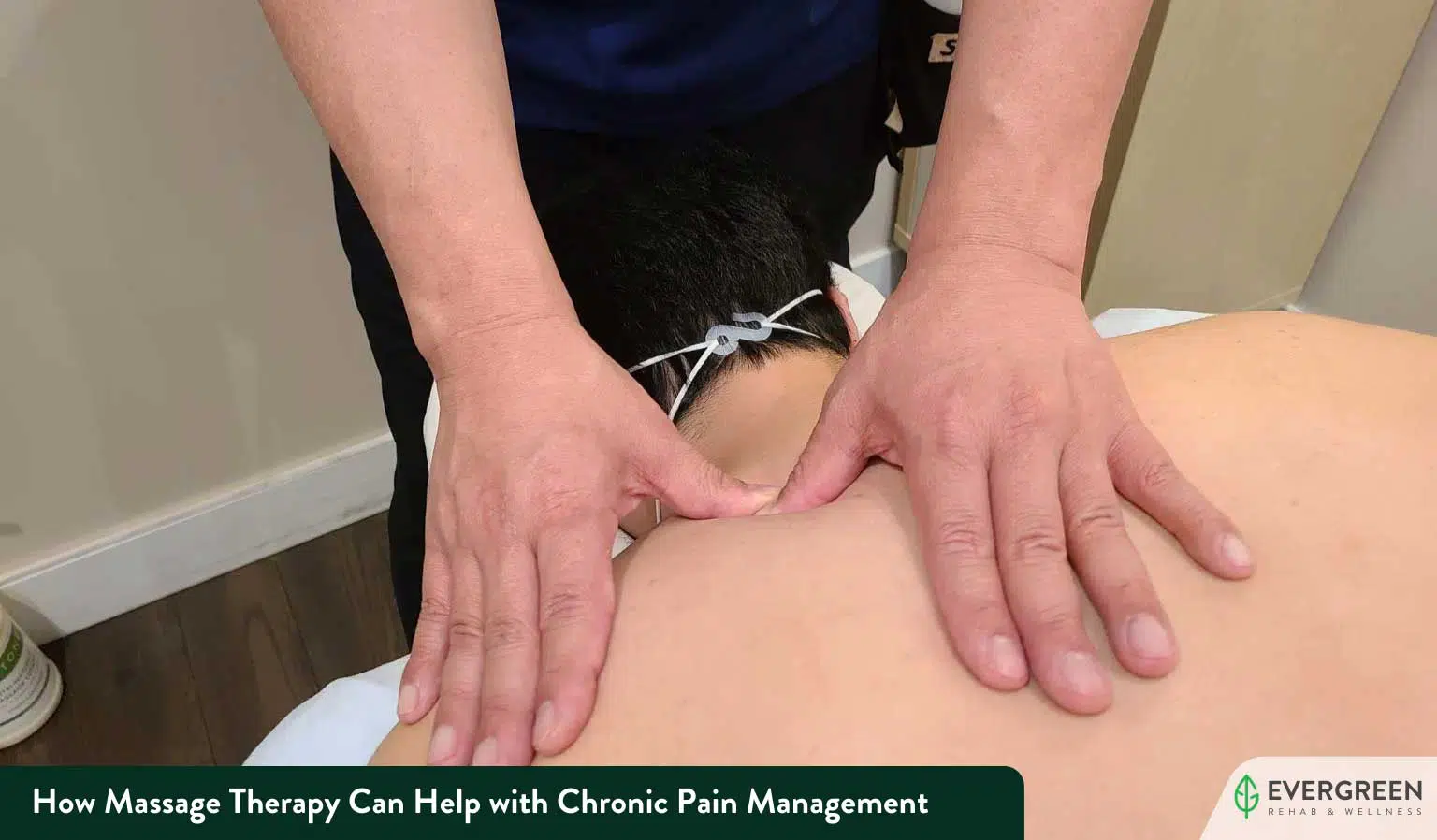
Massage therapy works through several mechanisms to reduce chronic pain. First, it improves blood flow to tight muscles and fascia, bringing oxygen and nutrients while flushing out metabolic waste. This increased circulation helps break the pain-spasm cycle common in chronic conditions.
Best Salt Caves And Float Therapy Near West Edmonton Mall 2 covers this in more detail.
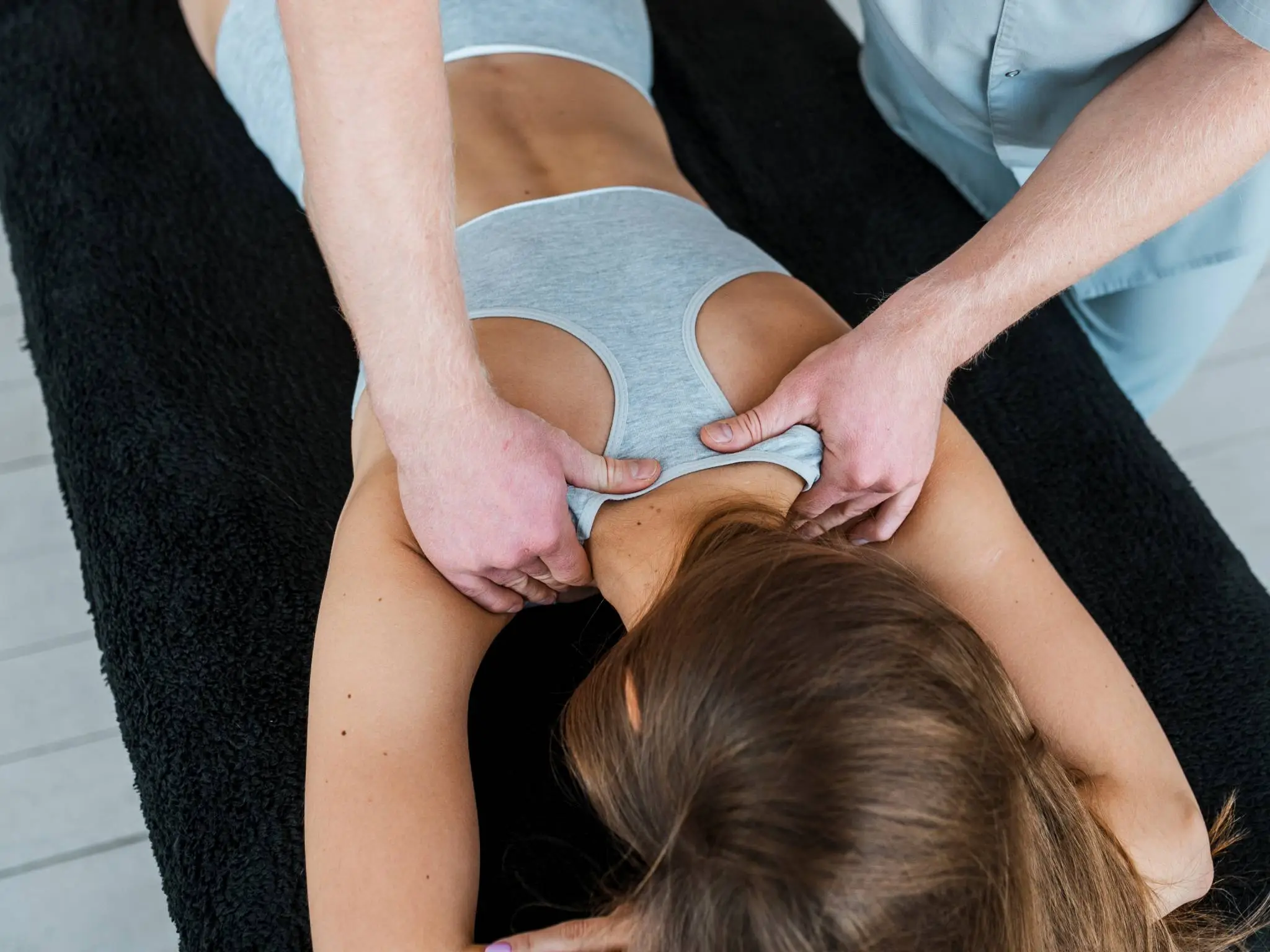
More importantly, massage affects your nervous system directly. Deep tissue work stimulates pressure receptors that send signals to your brain, essentially “closing the gate” on pain signals. This gate control theory explains why rubbing a bumped elbow makes it feel better — and why professional massage can provide lasting relief.
guide to services covers this in more detail.
Research from the Mayo Clinic’s integrative medicine department shows massage also triggers the release of endorphins and serotonin while reducing cortisol levels. These chemical changes don’t just mask pain — they help reset your body’s pain response system over time.
For Edmonton residents dealing with weather-related stiffness, massage offers particular benefits. Cold muscles contract and hold tension differently than warm ones. Regular massage helps maintain tissue flexibility even during our longest cold snaps.
Types of Massage Most Effective for Chronic Pain
Not all massage techniques work equally well for chronic pain. Here’s what local RMTs typically recommend:
- Deep Tissue Massage: Uses sustained pressure to reach deeper muscle layers. Best for chronic muscle tension, especially in backs and shoulders. Sessions run $110-$140 per hour in Edmonton.
- Trigger Point Therapy: Targets specific knots that refer pain to other areas. Effective for tension headaches and myofascial pain. Often combined with other techniques.
- Swedish Massage: Gentler approach using long strokes and kneading. Good for fibromyalgia and generalized pain. Usually $90-$110 per hour.
- Myofascial Release: Works on the connective tissue surrounding muscles. Helps with chronic neck pain and post-surgical adhesions. Expect to pay $120-$150 per session.
Many Edmonton RMTs combine techniques based on your specific pain patterns. A session might start with Swedish techniques to warm tissues, move to deep tissue work on problem areas, and finish with myofascial stretching. This integrated approach tends to provide better results than sticking to one modality.
What Research Says About Massage Therapy for Specific Conditions
Lower Back Pain and Sciatica
Lower back pain tops the list of chronic pain complaints in Edmonton, especially among office workers downtown and laborers in industrial areas. The research on massage for lower back pain is particularly strong. A systematic review published by the National Center for Biotechnology Information found that massage therapy provided clinically significant improvement in chronic lower back pain for up to 6 months after treatment.
For sciatica specifically, massage works best when combined with stretching and movement therapy. Local RMTs often focus on releasing the piriformis muscle, which can compress the sciatic nerve. Sessions typically involve deep work through the glutes and hamstrings, followed by specific stretches you can do at home.
Edmonton clinics report the best results come from weekly sessions for the first month, then tapering to biweekly or monthly maintenance. Total treatment costs average $600-$800 for initial relief, with $100-$200 monthly for maintenance.
Neck Pain and Tension Headaches
Chronic neck pain affects thousands of Edmonton professionals, especially those commuting long distances or working at computers. The connection between neck tension and headaches makes this a particularly frustrating type of chronic pain.
Massage therapy shows excellent results for cervicogenic headaches (those originating from neck problems). Treatment focuses on the suboccipital muscles at the base of your skull, the upper trapezius, and the levator scapulae. Many Whyte Avenue massage therapists specialize in this type of work, given the high concentration of university students and young professionals in the area.
Research indicates that combining massage with posture education reduces headache frequency by 40-50% in most patients. Treatment plans usually involve 6-8 sessions over two months, costing $700-$1,000 total. Insurance often covers this when prescribed for chronic headaches.
Arthritis and Joint Pain
Edmonton’s climate poses unique challenges for arthritis sufferers. Cold, damp weather increases joint stiffness and pain. While massage can’t cure arthritis, it effectively manages symptoms by improving circulation and reducing muscle guarding around affected joints.
Swedish massage with gentle joint mobilization works best for osteoarthritis. The warmth and movement help maintain range of motion without aggravating inflammation. For rheumatoid arthritis, timing matters — massage during remission periods provides relief without triggering flares.
Local therapists often incorporate hot stone techniques during winter months. The heat penetrates deeper than hands alone, providing extra relief when outdoor temperatures drop. Sessions run $120-$160 with hot stones, but many find the additional cost worthwhile during January and February.
What to Expect From Professional Massage Therapy in Edmonton

Your First Appointment
Walking into your first RMT appointment can feel intimidating, especially when dealing with chronic pain. Here’s exactly what happens at most Edmonton clinics:
First, you’ll complete a health history form covering your pain patterns, medications, and previous treatments. The therapist will discuss your goals — immediate pain relief, improved sleep, better mobility, or all three. This consultation typically takes 10-15 minutes and happens before you get on the table.
For chronic pain assessment, RMTs often perform range-of-motion tests and palpation to identify problem areas. They might ask you to move your neck, bend forward, or demonstrate movements that trigger pain. This hands-on assessment guides treatment planning.
During the massage itself, communication is important. Chronic pain patients often have hypersensitive areas that require careful pressure adjustment. Good RMTs check in frequently about pressure levels and adjust their technique based on your feedback. You’re always in control of the session.
Treatment Frequency and Duration
Unlike relaxation massage, treating chronic pain requires consistent sessions to see results. Most Edmonton RMTs recommend starting with weekly appointments for 4-6 weeks. This frequency helps break established pain patterns and retrain your nervous system.
After initial improvement, you’ll typically shift to biweekly sessions for another month or two. Many chronic pain patients then maintain results with monthly appointments. Some need more frequent treatment during winter months when cold aggravates symptoms.
Session length matters too. While 60-minute appointments are standard, chronic pain often benefits from 90-minute sessions. The extra time allows for thorough work on interconnected areas. For example, addressing lower back pain might require releasing hip flexors, glutes, and hamstrings too.
Working With Your RMT for Best Results
Successful chronic pain treatment requires active participation between sessions. Your RMT should provide specific stretches or exercises targeting your problem areas. Following through with this homework significantly improves outcomes.
Keep a pain journal noting triggers, intensity levels, and what helps. Share this information at each appointment. Patterns often emerge — maybe your back pain spikes after snow shoveling or long drives to Sherwood Park. This data helps your RMT adjust treatment strategies.
Many Edmonton clinics now offer treatment packages for chronic pain patients. Buying 5-10 sessions upfront often saves 10-15% and ensures you stick with the treatment plan. Some clinics in Oliver and Downtown even offer evening and weekend appointments for busy professionals.
Finding the Right Massage Therapist in Edmonton
Qualifications to Look For
Alberta requires 2,200 hours of training for RMT certification — one of the highest standards in Canada. But for chronic pain treatment, additional qualifications matter. Look for therapists with extra training in:
- Pain science education: Understanding central sensitization and chronic pain mechanisms
- Orthopedic massage: Specific protocols for musculoskeletal conditions
- Neuromuscular therapy: Advanced trigger point and referral pattern knowledge
- Movement assessment: Ability to identify compensation patterns causing pain
Check if they’re registered with the Natural Health Practitioners of Canada (NHPC) or College of Massage Therapists of Alberta. Registration ensures they maintain professional standards and continuing education requirements.
Experience with your specific condition also matters. A therapist who regularly treats chronic back pain will get better results than someone focused on sports massage. Don’t hesitate to ask about their experience during booking.
Best Neighborhoods for Chronic Pain Treatment
Location affects your ability to maintain regular appointments. Here’s where to find chronic pain specialists across Edmonton:
Downtown: Multiple clinics near major office towers cater to desk workers with chronic neck and back pain. Parking runs $15-$20, but LRT access is excellent. Many offer lunch-hour appointments.
Whyte Avenue/Old Strathcona: Home to several integrative clinics combining massage with acupuncture and physiotherapy. Street parking is challenging, but the neighborhood vibe attracts talented therapists. Prices tend toward the higher end.
124 Street: Growing wellness corridor with newer clinics featuring updated equipment and treatment rooms. Easier parking than Whyte Ave, with validated parking at some locations.
Sherwood Park: Suburban option with ample free parking and family-friendly scheduling. Several clinics specialize in treating chronic pain from motor vehicle accidents.
For winter reliability, choose a clinic on a major bus route or with covered parking. Nothing derails chronic pain treatment faster than missing appointments due to weather or parking hassles.
Insurance Coverage and Costs
Most extended health plans cover registered massage therapy, but coverage varies widely. Typical annual limits range from $500 to $3,000. For chronic pain treatment requiring weekly sessions, even generous coverage might only last 3-4 months.
Here’s how to maximize your benefits:
- Get a referral from your family doctor — some plans require this for chronic pain coverage
- Submit claims immediately to track remaining coverage
- Ask about direct billing to avoid upfront costs
- Combine spousal benefits if both have coverage
- Book January appointments early — coverage resets but appointments fill fast
Without insurance, expect to budget $400-$600 monthly for weekly sessions. Many clinics offer payment plans or sliding scales for chronic pain patients needing ongoing care. Some also provide package discounts bringing the per-session cost down to $90-$100.
Combining Massage With Other Treatments
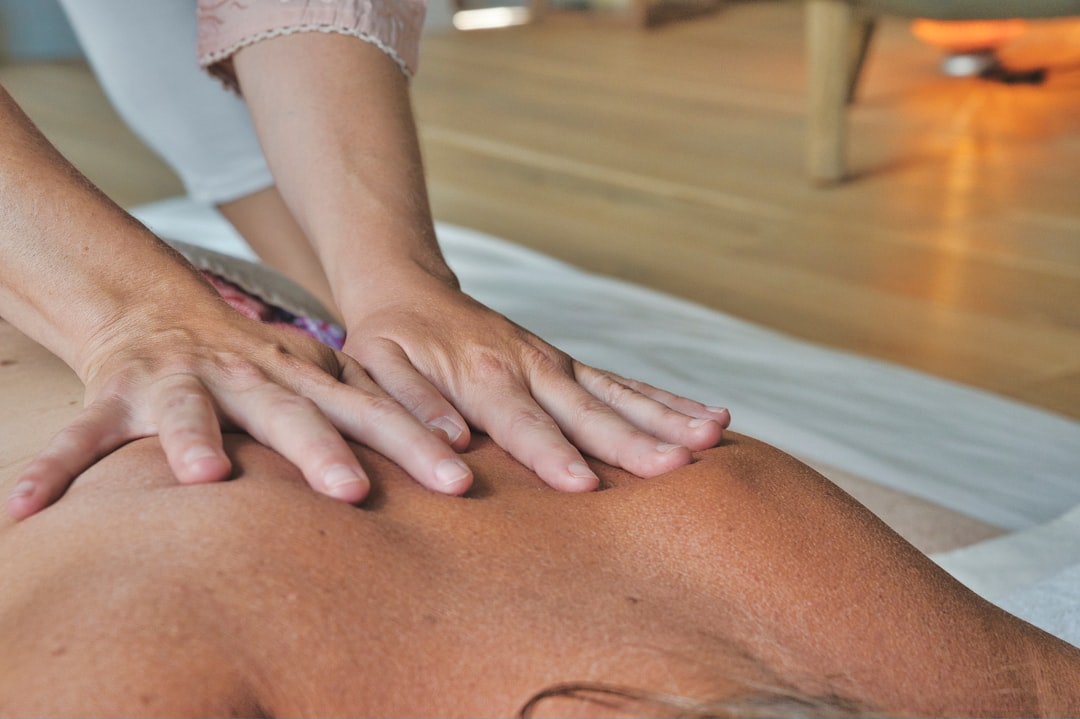
Integrative Approaches That Work
Chronic pain rarely responds to single treatments. Edmonton’s leading pain clinics increasingly recommend combining massage with complementary therapies. The most effective combinations based on local practitioner reports include:
Massage + Acupuncture: Traditional Chinese medicine views pain as blocked energy flow. Combining acupuncture with massage addresses both energetic and physical components. Many clinics along Jasper Avenue offer both services, allowing coordinated treatment plans.
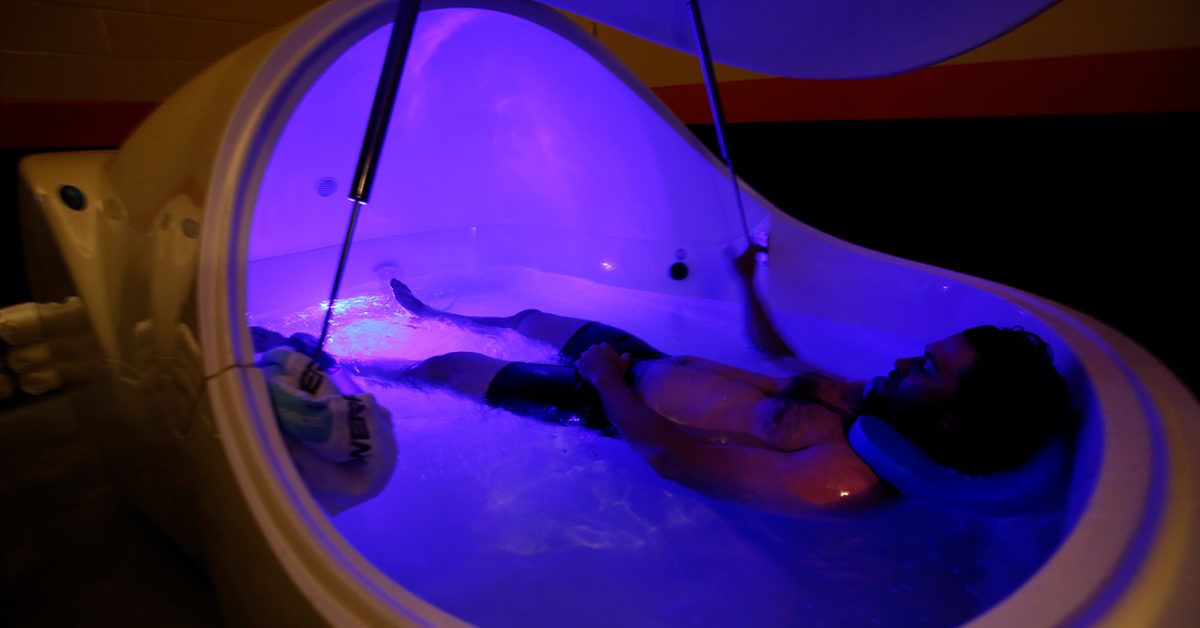
Massage + Float Therapy: Sensory deprivation tanks provide deep relaxation between massage sessions. The magnesium-rich water also reduces muscle tension. Float centers near West Edmonton Mall often partner with RMTs for package deals.
Massage + Physiotherapy: Physiotherapists identify movement dysfunctions contributing to pain, while massage addresses the resulting muscle tension. This combination works particularly well for chronic back pain and post-surgical recovery.
Timing matters when combining treatments. Most practitioners recommend scheduling massage 2-3 days after acupuncture or immediately before physiotherapy exercises. This sequencing maximizes the benefits of each modality.
Lifestyle Factors That Support Treatment
Your daily habits significantly impact massage effectiveness for chronic pain. Edmonton RMTs consistently report better outcomes for patients who:
Stay hydrated, especially during winter when indoor heating dries tissues. Dehydrated muscles don’t respond as well to manual therapy. Aim for 2-3 liters daily, more after deep tissue work.
Maintain regular sleep schedules despite pain disruption. Poor sleep increases pain sensitivity and slows tissue healing. Many chronic pain patients find evening massage appointments help establish better sleep patterns.
Keep moving between sessions. River Valley trails offer year-round walking options, while indoor malls provide climate-controlled alternatives during extreme weather. Even 20 minutes of gentle movement daily improves massage outcomes.
Manage stress through methods beyond massage. Chronic pain creates stress, which increases muscle tension, creating more pain. Local resources like meditation groups at the University of Alberta or workplace wellness programs help break this cycle.
When to Adjust Your Treatment Plan
Not every chronic pain condition responds equally to massage. Watch for these signs that your treatment plan needs adjustment:
If pain levels haven’t decreased after 6-8 sessions, the technique or frequency might need changing. Good RMTs regularly reassess and modify their approach. Don’t stick with a therapist who uses the same routine regardless of results.
Increased pain immediately after massage sometimes occurs initially but should improve within 24-48 hours. Persistent post-massage pain suggests too aggressive treatment or an underlying condition requiring medical assessment.
Plateaued progress often means adding complementary treatments or addressing lifestyle factors. Your RMT should help identify what’s limiting further improvement and suggest appropriate next steps.
Real Costs and Timelines for Chronic Pain Relief
Budget Planning for Long-Term Treatment
Let’s talk real numbers for treating chronic pain with massage therapy in Edmonton. Initial relief typically requires 8-12 sessions over 2-3 months. At $100-$120 per session, budget $800-$1,440 for the acute phase. This assumes no insurance coverage — adjust based on your benefits.
Maintenance phases vary by condition severity. Most chronic pain patients need biweekly or monthly sessions indefinitely. Annual maintenance costs range from $1,200 (monthly sessions) to $2,600 (biweekly). Some find they can reduce frequency over time, others need consistent support.
Compare this to other chronic pain treatments: Prescription medications might cost $50-$200 monthly with side effects. Surgery involves $5,000-$15,000 in uncovered expenses plus recovery time. Massage provides middle-ground option with fewer risks.
| Treatment Phase | Frequency | Duration | Total Cost (Uninsured) |
|---|---|---|---|
| Initial Relief | Weekly | 8-12 weeks | $800-$1,440 |
| Stabilization | Biweekly | 2-3 months | $400-$720 |
| Maintenance | Monthly | Ongoing | $100-$120/month |
Timeline Expectations
Chronic pain didn’t develop overnight and won’t disappear immediately. Realistic timelines help set appropriate expectations:
Weeks 1-2: Initial assessment and treatment planning. Some patients experience immediate relief, others notice increased soreness as tissues begin changing. Both responses are normal.
Weeks 3-6: Most patients report noticeable improvement. Pain intensity often decreases 20-30%, with better sleep and mobility. This is when the treatment approach proves itself — or needs adjustment.
Weeks 8-12: Significant improvement for responsive conditions. Pain levels typically drop 40-60% from baseline. Daily function improves noticeably. Some patients achieve sufficient relief to reduce session frequency.
Months 3-6: Stabilization period determining long-term needs. Some chronic pain resolves entirely, others find manageable levels with ongoing support. This phase reveals your individual maintenance requirements.
Making Treatment Affordable
Several strategies help manage massage therapy costs in Edmonton:
Community clinics like the Northern Alberta Institute of Technology (NAIT) student clinic offer reduced rates while students complete training hours. Sessions cost $40-$50 with qualified supervision. Perfect for maintenance phases when you know what works.
Many RMTs offer sliding scale fees for patients demonstrating financial need. Don’t assume you won’t qualify — chronic pain often affects work hours and income. Honest conversations about budget constraints often yield solutions.
Group insurance through professional associations sometimes provides better massage coverage than employer plans. Writers, artists, and self-employed individuals should investigate these options. The additional premium often pays for itself quickly.
Health spending accounts (HSAs) let you use pre-tax dollars for massage therapy. If your employer offers this option, maximize contributions to cover predictable treatment costs. The tax savings effectively provide 25-30% discount on services.
Success Stories and Realistic Outcomes

What Success Actually Looks Like
“Success” in chronic pain treatment rarely means complete elimination of all symptoms. Instead, meaningful improvement looks like:
Sleeping through the night without pain waking you. Many Edmonton chronic pain patients report this as their first major win, usually occurring 4-6 weeks into treatment. Better sleep accelerates other improvements.
Returning to activities you’d abandoned. Maybe that’s cross-country skiing in Hawrelak Park, playing with grandchildren, or simply grocery shopping without exhaustion. Function matters more than pain scores.
Reducing medication dependence while maintaining comfort. Many patients decrease or eliminate pain medications after establishing regular massage therapy. Always coordinate medication changes with your prescribing physician.
Weather changes no longer triggering severe flares. Edmonton’s extreme temperature swings challenge chronic pain patients. Successful treatment helps your body adapt rather than react to every chinook or cold snap.
Factors Affecting Your Results
Individual responses to massage therapy vary based on several factors:
Duration of chronic pain: Conditions lasting under two years typically respond faster than decade-old problems. Neural pathways take time to establish and time to change.
Overall health status: Patients managing single pain conditions see better results than those juggling multiple health challenges. Diabetes, autoimmune conditions, and mental health affect treatment response.
Treatment compliance: Following home care instructions doubles improvement rates. Patients who stretch, stay active, and attend scheduled appointments consistently outperform those seeking passive fixes.
Therapeutic relationship: Trusting your RMT matters. Chronic pain involves vulnerability — physical and emotional. Finding a therapist you connect with improves both treatment experience and outcomes.
Managing Expectations While Staying Hopeful
Can massage therapy help with chronic pain relief? For most people, absolutely — but “help” means different things. Some achieve 80% improvement, others find 30% reduction life-changing. Both outcomes justify treatment.
Track progress through function, not just pain levels. Can you now walk to the Oliver Farmers’ Market without resting? Work a full day without lying down? Enjoy a movie without shifting constantly? These real-world improvements matter more than numerical pain scales.
Expect ups and downs during treatment. Chronic pain rarely improves linearly. Bad days happen, especially during weather changes or stress. Good RMTs help you understand these fluctuations without losing hope.
Most importantly, view massage as part of your toolkit, not a magic cure. Combined with appropriate medical care, movement, and stress management, massage therapy provides valuable support for living better with chronic pain.
Sources & References
Related Reading
Related Reading
Frequently Asked Questions
How many massage sessions do I need before seeing improvement in chronic pain?
Most patients notice initial improvement after 3-4 weekly sessions, with significant relief typically occurring around 8-12 sessions. Chronic conditions that have persisted for years may take longer. Your RMT should provide a realistic timeline after your initial assessment based on your specific condition and response to treatment.
Does Alberta Health Care cover massage therapy for chronic pain?
Basic Alberta Health Care doesn’t cover massage therapy, but most extended health insurance plans include coverage ranging from $500-$3,000 annually. For chronic pain specifically, some plans require a doctor’s referral. Check with your insurance provider about requirements and consider clinics in Edmonton offering direct billing to avoid upfront costs.
What’s the difference between a registered massage therapist and other massage providers?
Registered Massage Therapists (RMTs) complete 2,200 hours of training including anatomy, pathology, and hands-on practice. They’re qualified to treat medical conditions and provide insurance-eligible receipts. Spa massage providers may offer relaxation but lack the training to address chronic pain conditions. For chronic pain, always choose an RMT.
Can massage therapy make chronic pain worse?
Temporary soreness lasting 24-48 hours after deep tissue work is normal, especially during initial sessions. However, proper technique shouldn’t worsen your underlying condition. If pain increases significantly or lasts longer than two days, communicate with your RMT immediately. They should adjust pressure and technique to keep you comfortable while still providing therapeutic benefit.
Should I get massage therapy if I’m already seeing a physiotherapist for chronic pain?
Combining massage therapy with physiotherapy often provides better results than either treatment alone. Many Edmonton clinics offer both services, allowing coordinated care. Schedule massage before physiotherapy exercises to improve tissue mobility, or use massage between physio sessions to maintain progress. Always inform both practitioners about your complete treatment plan.