Choosing between hot stone massage and deep tissue massage can feel like a gamble when you’re booking at an Edmonton spa. Both promise relief from muscle tension. Both cost roughly the same. But they work in completely different ways, and picking the wrong one means wasting $120-180 on a treatment that doesn’t match your needs.
Last reviewed:
After years of sampling massage therapy across Edmonton — from the upscale spas in Windermere to the clinical spaces along 124 Street — I’ve learned that the difference between these two treatments goes deeper than temperature. Your choice depends on what’s actually happening in your muscles, how your body responds to pressure, and whether you’re dealing with acute pain or chronic tension.
This guide breaks down exactly what happens during each treatment, who benefits most from each approach, and where to find skilled practitioners in Edmonton. No spa marketing fluff. Just practical information to help you book the right massage for your specific situation.
Understanding Hot Stone Massage: Heat as Medicine
How Hot Stone Massage Actually Works
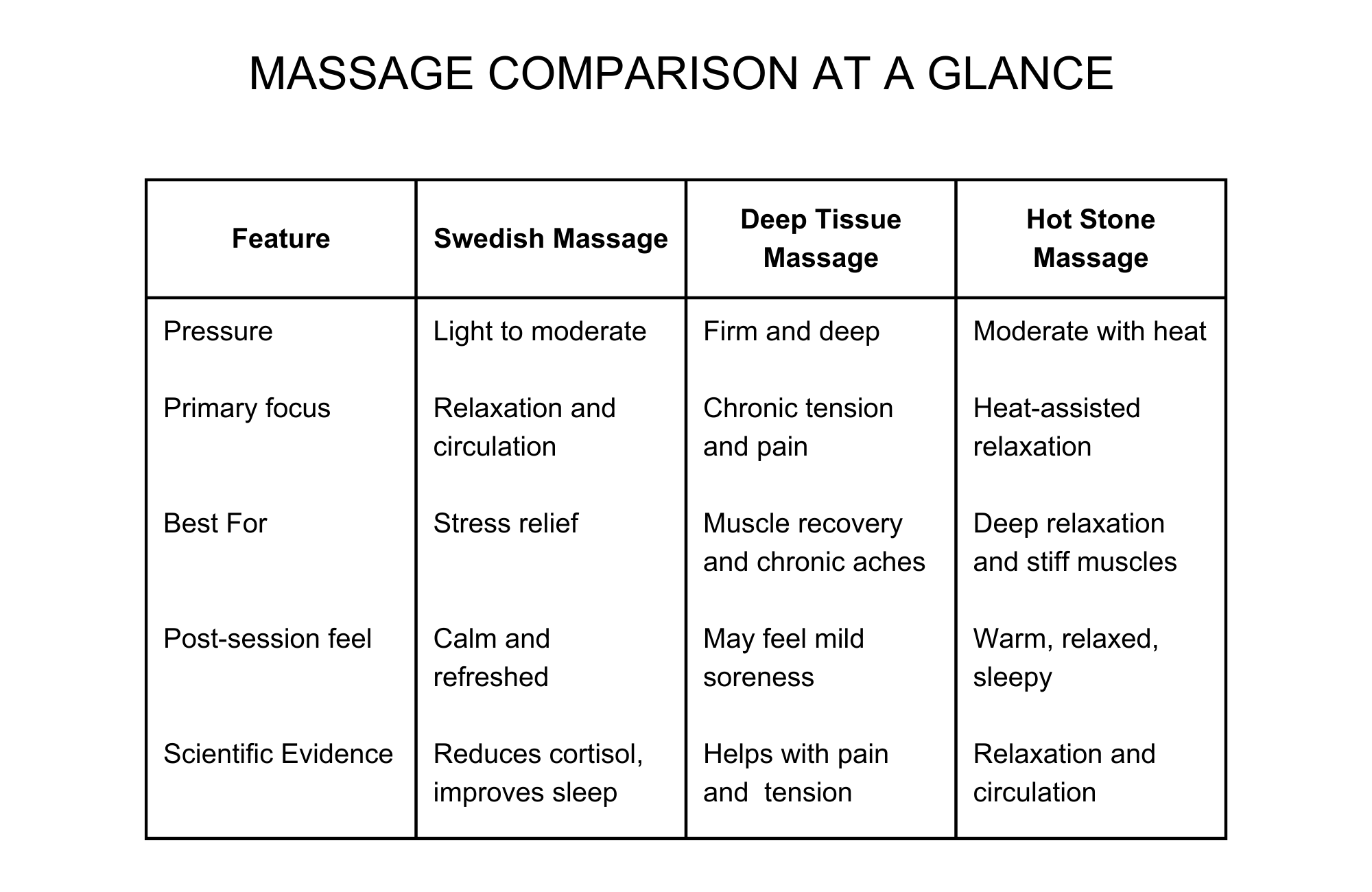
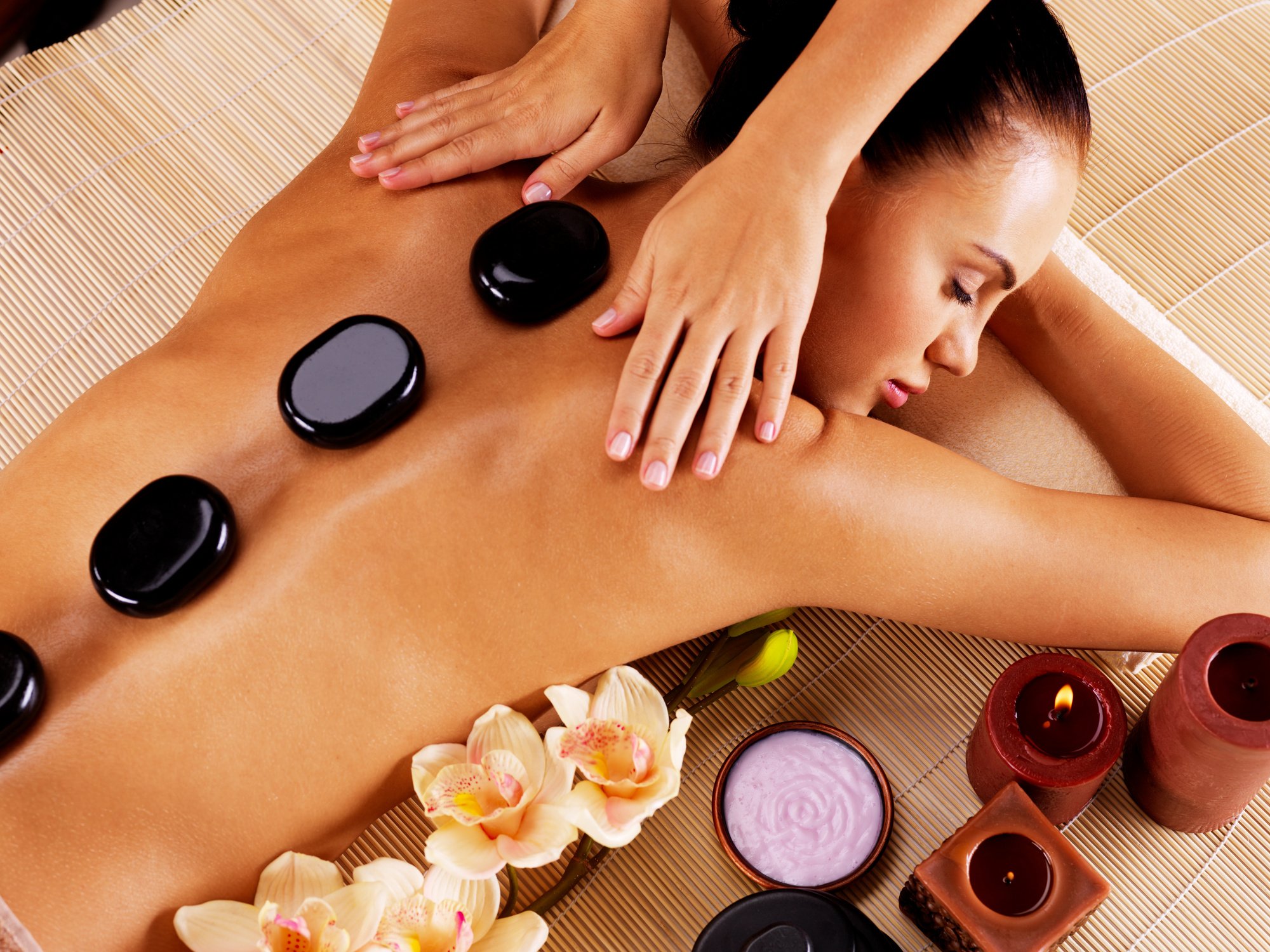
Hot stone massage uses smooth, heated basalt stones placed on specific points of your body. The stones typically reach temperatures between 130-145 degrees Fahrenheit. Your therapist alternates between placing stones on your body and using them as massage tools.
Outdoor Running Routes Edmonton Summer Vs Winter Comparison covers this in more detail.
The heat penetrates about 1.5 inches into muscle tissue, according to Mayo Clinic’s massage therapy guidelines. This depth creates several physiological changes:
Infrared Sauna Vs Traditional Sauna For Recovery covers this in more detail.
- Blood vessels dilate, increasing circulation to the area
- Muscle fibers relax without direct pressure
- Connective tissue becomes more pliable
- Your nervous system shifts toward parasympathetic dominance (rest and digest mode)
Most Edmonton spas heat their stones in professional stone warmers that maintain consistent temperature. At places like Elements Physical Therapy & Spa in Old Strathcona, therapists check stone temperature on their own skin before placing them on clients. This prevents burns while ensuring therapeutic benefit.
What to Expect During Your Session
A typical hot stone massage in Edmonton follows this pattern:
- You’ll lie face-down on a heated table (most spas keep rooms at 72-75 degrees)
- Your therapist places flat stones along your spine, in your palms, and between your toes
- They’ll use oiled stones to massage larger muscle groups
- Stones get swapped out every 5-10 minutes as they cool
- The entire session lasts 60-90 minutes
The experience feels like having a heated blanket that somehow reaches inside your muscles. Unlike deep tissue work, you rarely feel discomfort during hot stone massage. Some people fall asleep within the first 20 minutes.
Best Candidates for Hot Stone Therapy
Hot stone massage works particularly well for Edmonton residents dealing with:
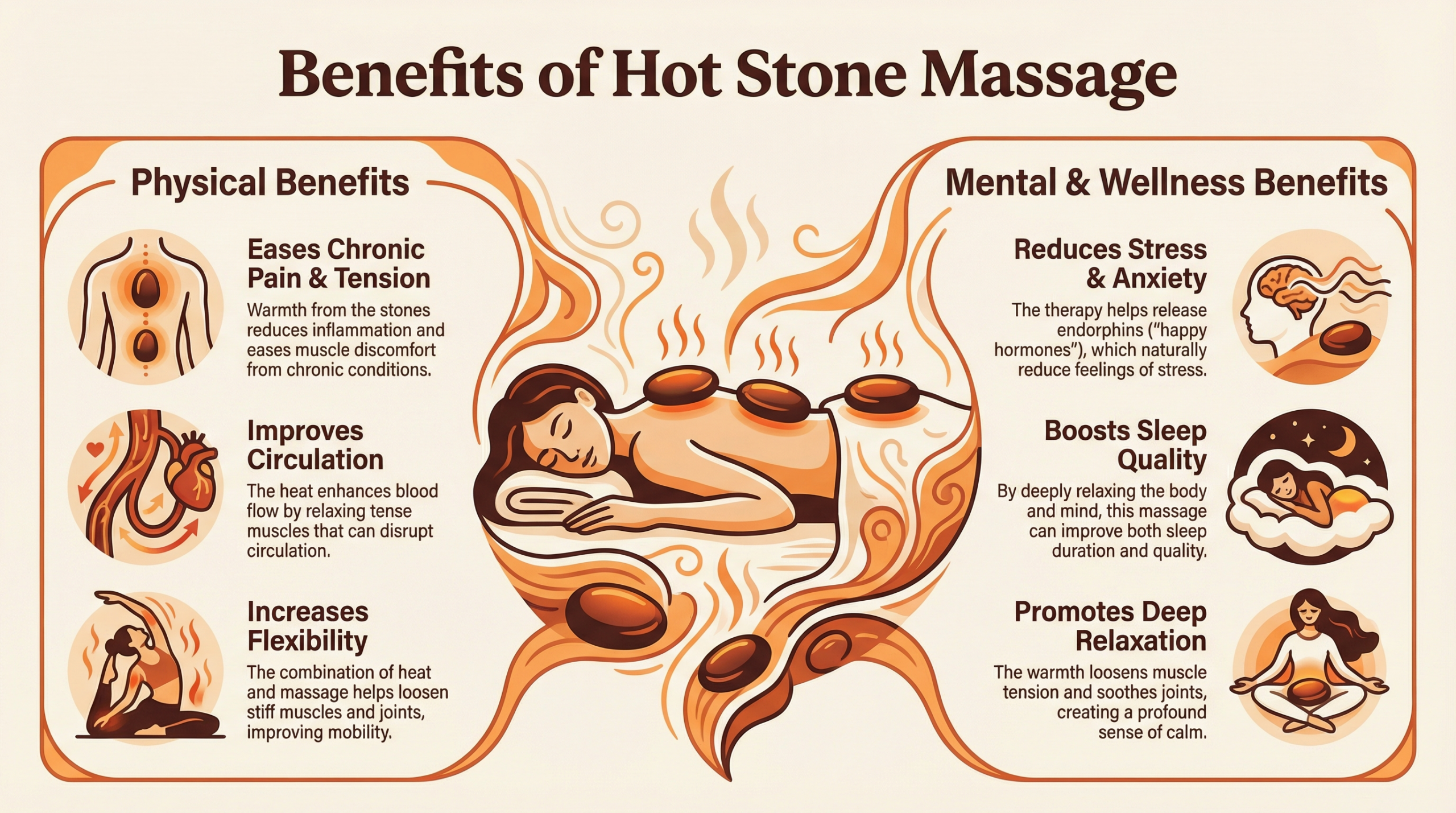
- Chronic stress and anxiety: The heat activates your parasympathetic nervous system faster than manual massage alone
- Fibromyalgia: Gentle heat reduces pain without triggering pressure-point sensitivity
- Poor circulation: Essential during our seven-month winters when extremities stay cold
- General muscle tension: From desk work or long commutes on the Henday
- Sleep issues: The temperature changes promote deeper sleep cycles
Skip hot stone massage if you have diabetes with neuropathy, are pregnant, or have inflammatory conditions like rheumatoid arthritis. The heat can worsen inflammation or create risks if you can’t accurately feel temperature.
Deep Tissue Massage Explained: Pressure with Purpose
The Mechanics of Deep Tissue Work
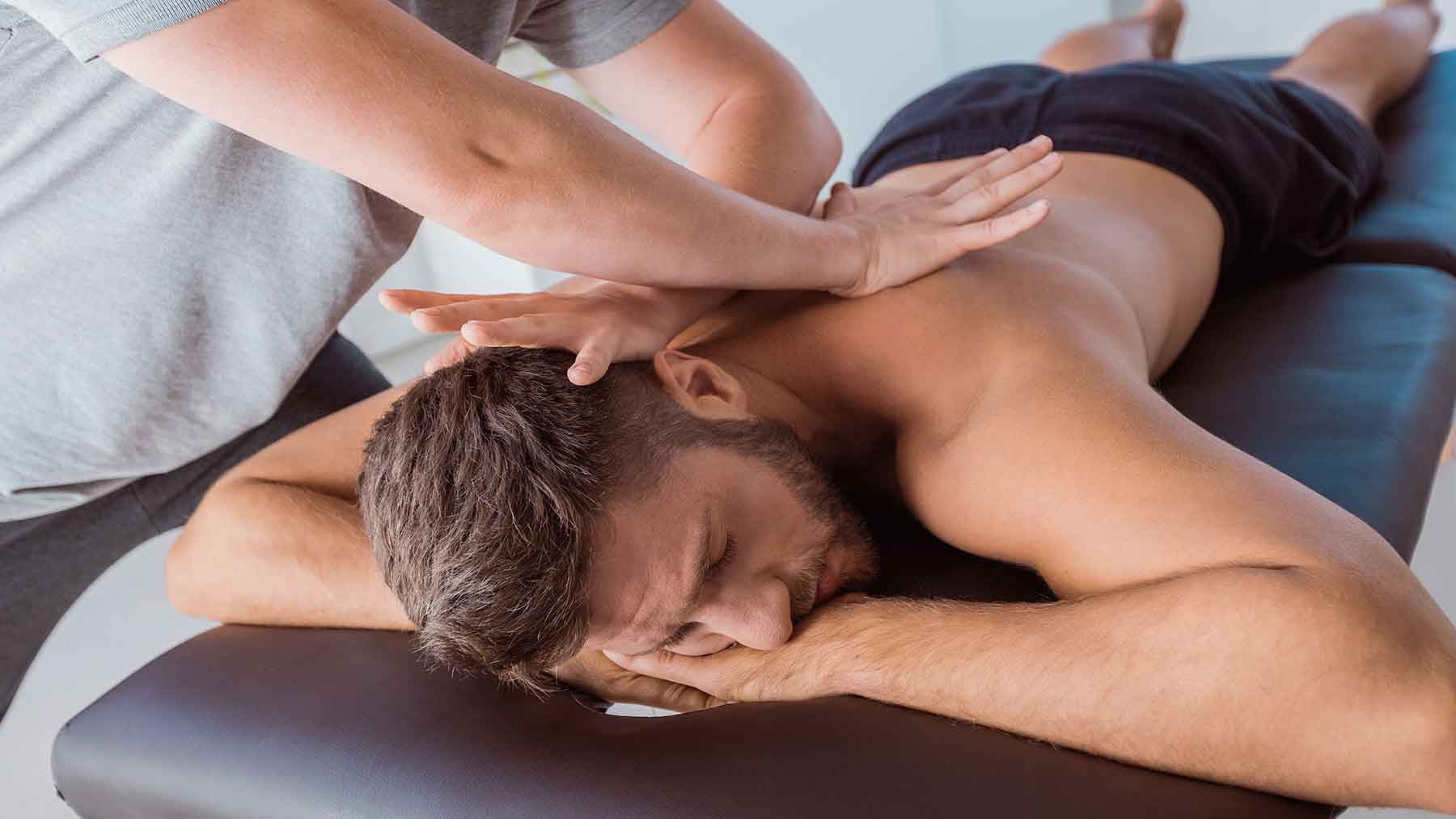
Deep tissue massage targets the deeper layers of muscle and fascia through sustained pressure and slow strokes. Your therapist uses knuckles, forearms, and elbows to reach tissues that fingers can’t effectively treat.
This isn’t just a harder version of Swedish massage. Research published in the Journal of Bodywork and Movement Therapies shows that deep tissue work creates specific changes:
- Breaks up scar tissue and muscle adhesions
- Realigns muscle fibers after injury
- Reduces inflammation markers in treated areas
- Improves range of motion in joints
The pressure used varies by practitioner and your tolerance, but typically ranges from 7-9 on a 10-point scale. You should feel “good pain” — intense but not unbearable.
The Deep Tissue Experience in Edmonton
Here’s what actually happens during a deep tissue massage session:
- Your therapist starts with lighter pressure to warm tissues
- They identify problem areas through palpation
- Focused work on trigger points lasts 30-90 seconds per spot
- You’ll be asked to breathe deeply during intense portions
- Sessions typically run 60-90 minutes
Unlike hot stone massage, you’ll actively participate. Therapists at clinics like Corona Station Physical Therapy often ask you to move limbs or resist pressure to target specific muscles. You might feel sore for 24-48 hours afterward, similar to post-workout soreness.
Who Benefits Most from Deep Tissue
Deep tissue massage serves Edmonton’s active population particularly well:
- Runners training on River Valley trails: Addresses IT band issues and plantar fasciitis
- Hockey players: Treats hip flexor tightness and shoulder impingement
- CrossFit athletes: Helps with muscle recovery and mobility
- Construction workers: Relieves chronic back and shoulder strain
- Anyone with postural issues: From desk work or long commutes
For more complete recovery options, check out Edmonton’s full range of recovery services including physio and stretching.
Direct Comparison: Key Differences That Matter
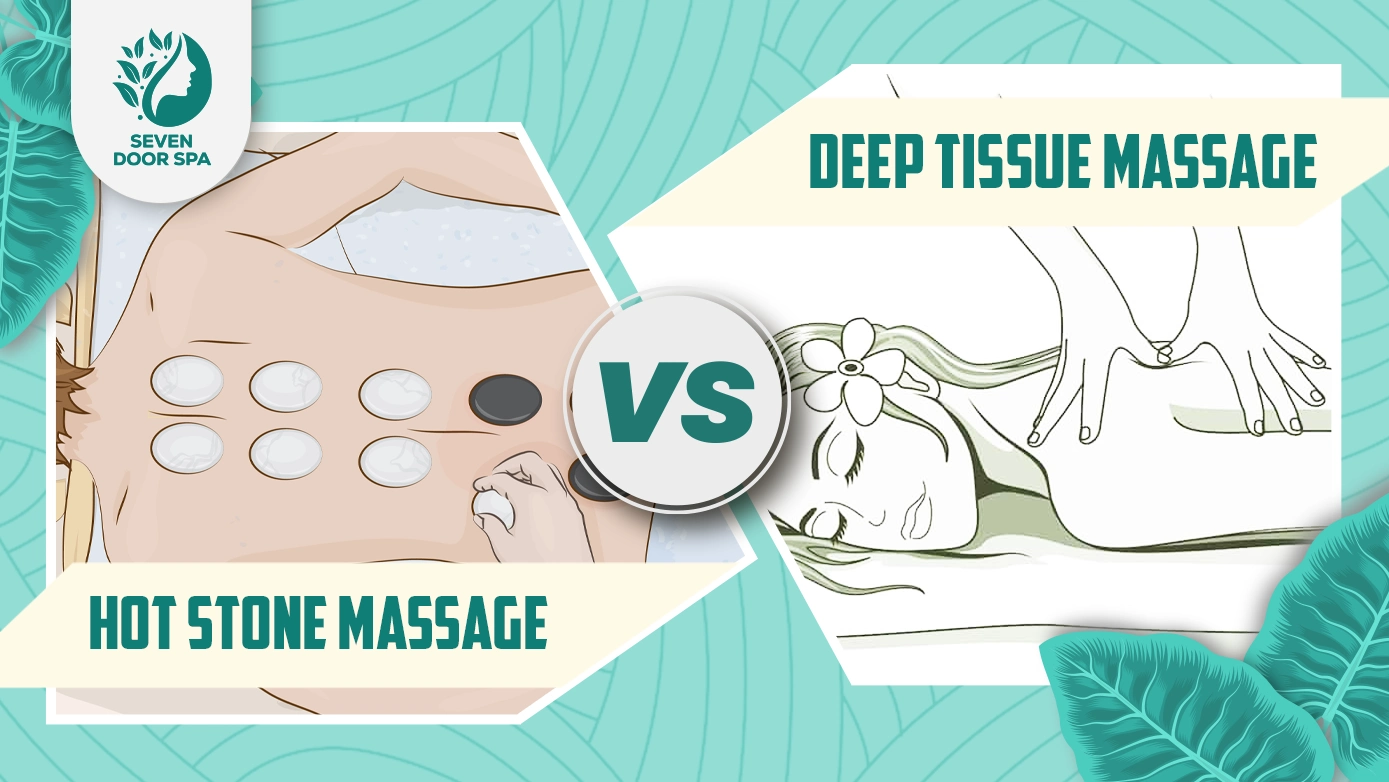
Treatment Approach and Intensity
| Factor | Hot Stone Massage | Deep Tissue Massage |
|---|---|---|
| Primary mechanism | Heat penetration | Manual pressure |
| Intensity level | 3-5 out of 10 | 7-9 out of 10 |
| Depth reached | 1.5 inches via heat | 2-3 inches via pressure |
| Session pace | Slow, rhythmic | Varies, includes static holds |
| Client participation | Passive relaxation | Active breathing, movement |
The fundamental difference comes down to this: hot stone massage works with your body’s natural relaxation response, while deep tissue massage actively restructures problem areas. One soothes. The other fixes.
Recovery Time and After-Effects
Your post-massage experience varies dramatically between these treatments:
After hot stone massage:
- Feel relaxed and slightly drowsy immediately
- No soreness the next day
- Benefits peak within 2-3 hours and last 3-5 days
- Safe to exercise immediately after
After deep tissue massage:
- May feel slightly dizzy or “massage drunk” initially
- Soreness peaks 24-36 hours later
- Benefits continue improving for 5-7 days
- Avoid intense exercise for 24 hours
Plan accordingly. Don’t book deep tissue massage the day before running the Edmonton Marathon or playing in a hockey tournament.
Cost Comparison in Edmonton
Pricing for both treatments stays remarkably consistent across Edmonton:
- 60-minute hot stone: $130-160 at spas, $110-130 at clinics
- 90-minute hot stone: $180-220 at spas, $150-180 at clinics
- 60-minute deep tissue: $120-150 at spas, $100-120 at clinics
- 90-minute deep tissue: $170-210 at spas, $140-170 at clinics
Hot stone typically costs 10-15% more due to equipment and setup time. Many insurance plans cover deep tissue when performed by a registered massage therapist but won’t cover hot stone, which insurers consider a “relaxation” treatment.
Choosing the Right Treatment for Your Situation
When Hot Stone Massage Makes More Sense
Book a hot stone massage when you’re dealing with:
- Seasonal Affective Disorder (SAD): The warmth combats our long, dark winters
- General stress without specific pain points: Perfect after tax season or holiday shopping at West Edmonton Mall
- Muscle tension from cold: When you’ve been hunched against -30 degree winds
- Insomnia or sleep disruption: The temperature changes promote better sleep patterns
- First massage in over a year: Gentler reintroduction to bodywork
Think of hot stone as maintenance care. It keeps your body functioning well but won’t fix specific problems.
When Deep Tissue is the Better Choice
Choose deep tissue massage for:
- Specific injury recovery: Pulled muscles, strains, or chronic pain
- Athletic performance issues: Limited range of motion or recurring tightness
- Postural problems: Forward head position, rounded shoulders, anterior pelvic tilt
- Scar tissue: After surgery or injury
- Chronic pain conditions: When you know exactly where it hurts
Deep tissue works like physical therapy. It addresses root causes rather than just symptoms. For chronic pain specifically, massage therapy can provide significant relief when done correctly.
Combining Both Approaches
Some Edmonton therapists combine techniques within a single session. At Kingsway Wellness Centre, you can request a “hybrid” massage that starts with hot stones to relax tissues, then transitions to deep tissue work on problem areas.
This combination works well for:
- Chronic neck and shoulder tension from desk work
- Lower back pain with overall stress
- Athletes during off-season maintenance
- Anyone nervous about deep tissue intensity
Expect to pay 10-20% more for combination treatments due to increased setup and skill requirements.
Where to Find Quality Treatments in Edmonton
Top Hot Stone Massage Providers
Elements Physical Therapy & Spa (Old Strathcona)
- Uses authentic basalt stones imported from Hawaii
- 60-minute sessions: $145
- Free parking behind building, close to Whyte Ave shops
- Books 2-3 weeks out during winter months
Spa at the Fairmont Hotel Macdonald (Downtown)
- Luxury setting overlooking the River Valley
- 90-minute sessions: $220
- Valet parking included, accessible via LRT
- Includes access to eucalyptus steam room
Bliss YogaSpa (St. Albert)
- Combines hot stone with aromatherapy
- 75-minute sessions: $155
- Worth the drive for suburban residents
- Often has last-minute availability
Best Deep Tissue Specialists
Corona Station Physical Therapy (Oliver)
- Clinical setting with registered therapists
- 60-minute sessions: $120 (direct billing available)
- Street parking or Corona LRT station
- Specializes in sports injuries
Leading Edge Physiotherapy (Multiple Locations)
- Combines deep tissue with movement assessment
- 60-minute sessions: $110-130
- Locations in St. Albert, Windermere, and Sherwood Park
- Often same-week availability
Fix Studio (124 Street)
- Focuses on athletic recovery
- 90-minute sessions: $180
- Popular with CrossFit and running communities
- Includes mobility assessment
Making Your Booking Decision
Consider these practical factors when choosing where to book:
- Insurance coverage: Clinics usually direct bill, spas rarely do
- Parking: Downtown spas charge $15-20, suburban clinics offer free lots
- Timing: Spas book further out but offer evenings and weekends
- Package deals: Buy 5-10 sessions for 15-20% savings at most locations
For regular treatment, pick somewhere convenient to your home or office. The best massage won’t help if you’re stressed from fighting Yellowhead Trail traffic to get there.
Maximizing Results from Either Treatment
Pre-Massage Preparation
Set yourself up for success before arriving:
- Hydrate properly: Drink 500ml of water 2 hours before your appointment
- Avoid heavy meals: Eat light 2-3 hours prior
- Skip the pre-workout: Don’t exercise immediately before
- Arrive early: Give yourself 10 minutes to decompress
- Communicate clearly: Tell your therapist about injuries, pressure preferences, and goals
Winter tip: Warm up your car and layer appropriately. Nothing ruins relaxation like scraping ice off your windshield in -25 weather after a massage.
Post-Treatment Care
What you do after matters as much as the massage itself:
Immediately after:
- Drink water (but don’t overdo it — 500ml is plenty)
- Move gently for 10-15 minutes before driving
- Keep muscles warm, especially in winter
- Avoid alcohol for 4-6 hours
Next 24-48 hours:
- Continue normal activities but reduce intensity
- Apply ice to any tender spots (10 minutes max)
- Stretch gently if your therapist provided specific exercises
- Note any areas of continued tension for next session
For active individuals, consider how massage timing affects your training. Runners following Edmonton’s seasonal routes should schedule deep tissue during recovery weeks, not before long runs.
Frequency Recommendations
Optimal massage frequency depends on your goals and budget:
- Acute injury recovery: Weekly deep tissue for 4-6 weeks
- Chronic pain management: Bi-weekly deep tissue or hot stone
- Athletic maintenance: Monthly deep tissue, quarterly hot stone
- Stress management: Monthly hot stone
- General wellness: Quarterly sessions of either type
Many Edmontonians follow seasonal patterns: monthly massage during winter’s harsh months (November-March), then reduce to quarterly during summer when outdoor activities provide natural movement therapy.
Common Misconceptions and Red Flags
Myths About Both Treatments
Let’s clear up some persistent misconceptions:
“No pain, no gain” thinking: Deep tissue shouldn’t leave you bruised or unable to move. Pain beyond 7/10 indicates too much pressure.
“Hot stone is just relaxation”: While gentler than deep tissue, hot stone creates measurable physiological changes including reduced cortisol and increased dopamine.
“You need to drink gallons of water to flush toxins”: Alberta Health Services confirms that normal hydration is sufficient. Massage doesn’t release “toxins” requiring special flushing.
“More expensive means better quality”: Price often reflects location and ambiance rather than therapist skill. Some of Edmonton’s best therapists work in modest clinics.
Warning Signs to Avoid
Walk away from any provider who:
- Promises to “cure” medical conditions
- Refuses to adjust pressure when asked
- Lacks proper certification (check the NHPC registry)
- Pushes expensive product sales aggressively
- Won’t provide receipts for insurance
- Uses obviously dirty stones or linens
Trust your instincts. A good therapist prioritizes your comfort and clearly explains what they’re doing and why.
Integration with Other Wellness Practices
Massage works best as part of a complete wellness routine:
- Combine with heat therapy: Infrared or traditional sauna use before massage enhances muscle relaxation
- Add stretching: Yoga or assisted stretching between massages maintains flexibility
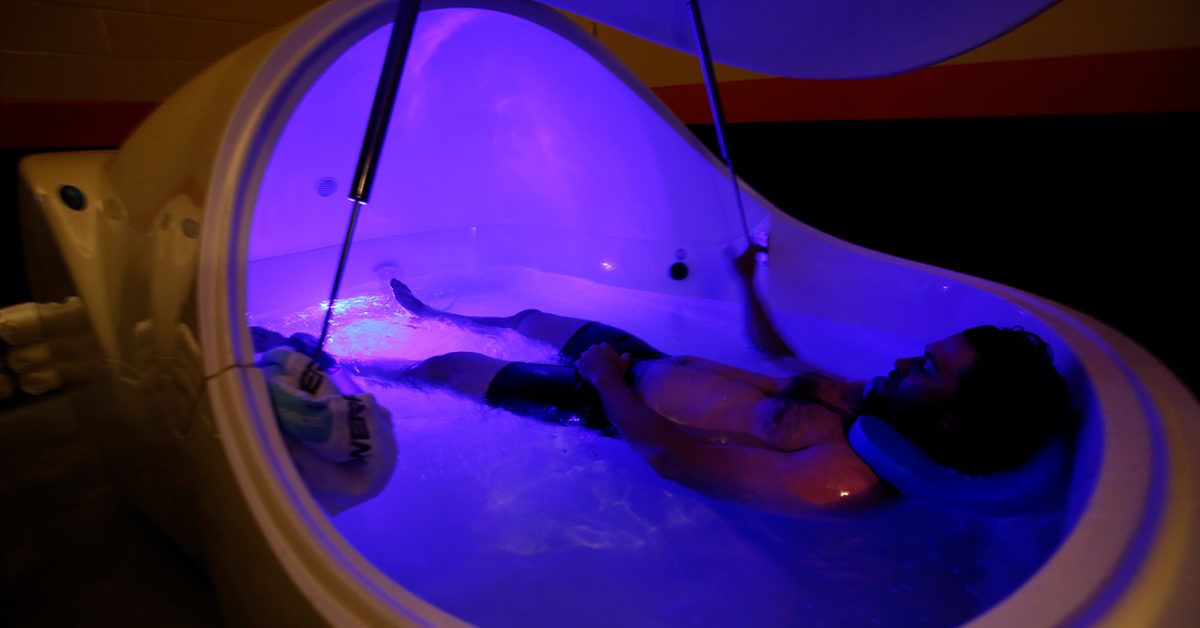
- Consider float therapy: Float tanks in Edmonton provide complementary sensory relief
- Stay active: Regular movement prevents tension from rebuilding
Think of massage as one tool in your wellness toolkit, not a magic fix for poor lifestyle habits.
Sources & References
Related Reading
Related Reading
Frequently Asked Questions
Can I get both hot stone and deep tissue in the same session?
Yes, many Edmonton therapists offer combination treatments. Elements Physical Therapy and Kingsway Wellness both provide 90-minute sessions that start with hot stones to warm tissues, then transition to targeted deep tissue work. Expect to pay $180-220 for these hybrid sessions.
Which massage type works better for lower back pain?
It depends on the cause. Deep tissue massage works better for specific muscle knots and postural issues, while hot stone helps with general tension and stress-related back pain. Corona Station Physical Therapy offers assessments to determine which approach suits your specific back pain.
How soon before a workout can I get a massage?
Hot stone massage won’t affect your workout, so you can exercise immediately after. Wait 24-48 hours after deep tissue massage before intense training, especially if you’re sore. Time your massages during recovery days if you’re training for events like the Edmonton Marathon.
Does insurance cover hot stone massage in Alberta?
Most insurance plans don’t cover hot stone massage specifically, classifying it as “relaxation therapy.” However, if a registered massage therapist performs it as part of a treatment plan, some insurers may cover partial costs. Deep tissue massage from an RMT typically receives full coverage up to your plan limits.
What should I wear during each type of massage?
For both treatments, you’ll undress to your comfort level and be properly draped throughout. Most people wear underwear or go nude under the sheets. Hot stone massage requires more skin exposure for stone placement, while deep tissue work can accommodate more clothing if needed. Edmonton spas provide disposable underwear if preferred.