Understanding Edmonton’s Spring Wellness Window
Spring in Edmonton arrives like a friend who’s always late but worth waiting for. After months of indoor treadmills and basement yoga, the city comes alive with outdoor wellness opportunities between late April and early June. This guide maps out every outdoor activity worth trying before mosquito season hits.
Last reviewed:
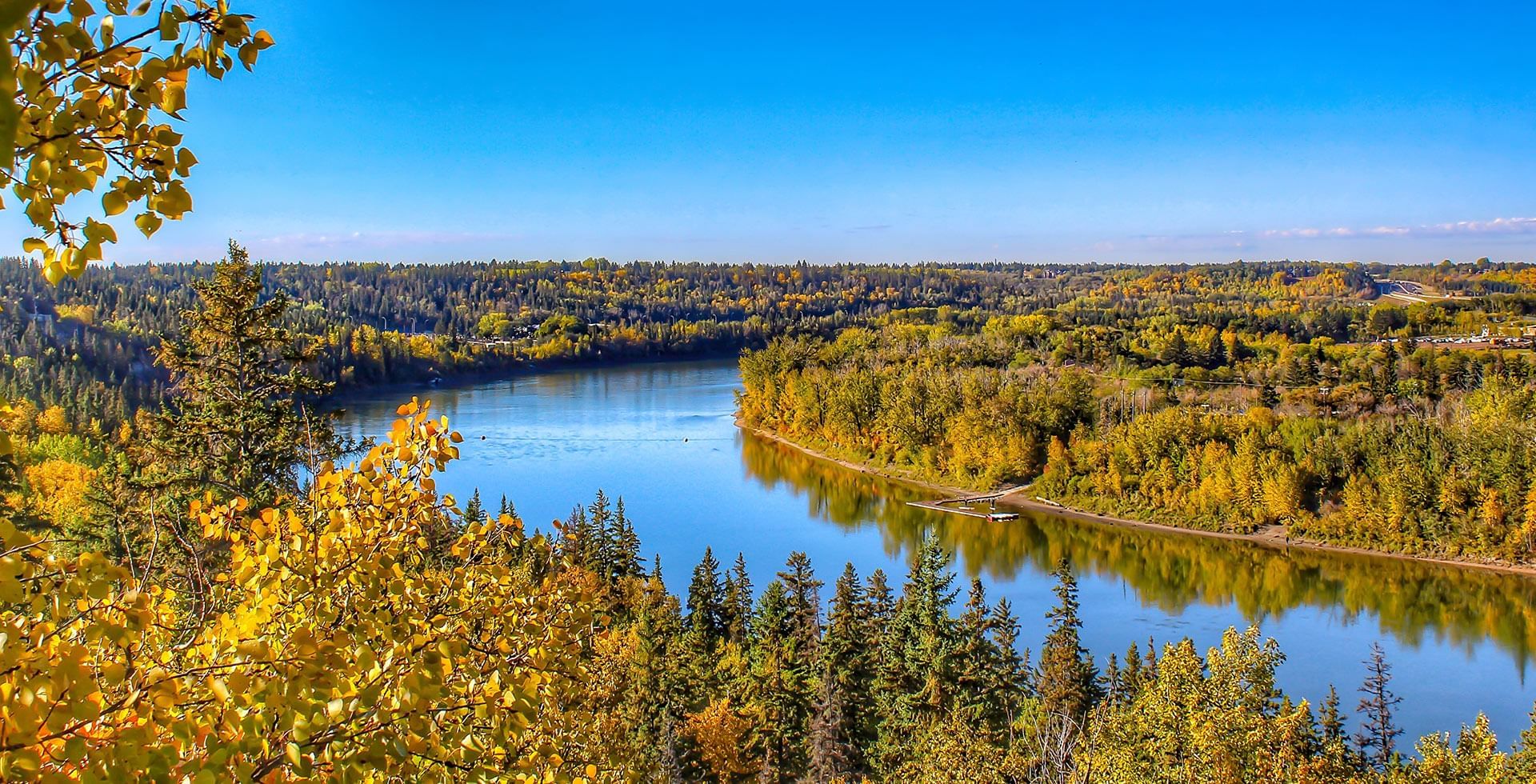
The Edmonton wellness reset guide spring outdoor activities checklist starts with understanding our unique climate window. We get about eight weeks of perfect outdoor exercise weather. Morning temperatures hover around 10-15°C. Afternoon highs reach 20-25°C. The river valley changes from brown to green almost overnight.
Most Edmontonians make the same mistake every spring. They wait too long to transition their wellness routines outdoors. By the time they’re ready, we’re dealing with cottonwood fluff, construction season, and those first 30°C days that make outdoor workouts miserable.
The Spring Reset Timeline
April marks the beginning of outdoor possibility in Edmonton. Ice melts off the trails by mid-month. City of Edmonton’s trail condition updates show most paved paths clear by April 15. Gravel trails take another two weeks to dry out completely.
Best Indoor Wellness Activities When Edmonton Air Quality Drops covers this in more detail.
May brings prime outdoor wellness conditions. Morning runners hit the trails by 6 AM without headlamps. Evening yoga classes move to outdoor spaces. The North Saskatchewan River valley offers 160 kilometers of maintained trails, all accessible and mostly mud-free by May long weekend.
How To Create A Winter Wellness Checklist For Edmonton covers this in more detail.
June starts strong but introduces challenges. Mosquitoes emerge around mid-month. Cottonwood seeds create allergy issues for many. Smart planning means front-loading your outdoor wellness goals into May and early June. Check out our spring allergies wellness guide if pollen affects your outdoor plans.
How To Prevent Seasonal Wellness Routine Breakdowns In Edmonton covers this in more detail.
Weather Patterns That Matter
Edmonton spring weather follows predictable patterns. Mornings start cool and calm. Wind picks up around 2 PM, especially in exposed areas like the Henday trail system. Rain typically arrives in late afternoon thunderstorms, not all-day drizzle.
Seasonal Wellness Edmontons Climate covers this in more detail.
Temperature swings define our spring. A 20°C afternoon can drop to 5°C by evening. Layer management becomes essential for any outdoor activity lasting more than an hour. The microclimate in the river valley runs 2-3 degrees cooler than street level, particularly noticeable during early morning workouts.
Sunset times extend rapidly. Early April gives us sunset at 8 PM. By late June, we’re looking at 10 PM sunsets. This extended daylight creates opportunities for after-work outdoor activities that simply don’t exist in other Canadian cities at our latitude.
Physical Benefits of Spring Outdoor Exercise
Moving workouts outdoors after winter confinement delivers measurable benefits. Natural light exposure helps reset circadian rhythms disrupted by months of indoor living. Research on seasonal light exposure shows that 30 minutes of morning outdoor exercise can improve sleep quality within one week.
The uneven terrain of Edmonton’s trail system engages stabilizer muscles that treadmills ignore. Running the Mill Creek Ravine trail network burns 15% more calories than flat indoor running due to elevation changes and surface variations. Your body works harder navigating roots, gravel patches, and gentle slopes.
Fresh air quality in spring Edmonton typically ranks excellent before wildfire season. The river valley acts as the city’s lungs, with mature trees filtering air naturally. Breathing rates during outdoor exercise increase oxygen uptake compared to recycled gym air. Most people report feeling more energized after outdoor workouts, even at the same intensity as indoor sessions.
Essential River Valley Trail Routes for Spring Wellness
The North Saskatchewan River Valley contains more urban parkland than any other Canadian city. Knowing which trails suit your fitness level and goals makes the difference between a refreshing workout and a muddy struggle. This Edmonton wellness reset guide spring outdoor activities checklist covers every major trail worth exploring.
Beginner-Friendly Paved Trails
The Victoria Park loop offers the gentlest introduction to river valley fitness. Starting at the Victoria Golf Course parking lot, this 5.2-kilometer paved path stays relatively flat. Parking is free before 6 PM on weekdays. The #7 bus stops at 121 Street and River Valley Road, a five-minute walk to the trailhead.
Hawrelak Park’s perimeter trail measures 4 kilometers of smooth asphalt. Wide enough for comfortable passing, it handles the spring crowds well. The park charges $7 for parking on weekends but remains free on weekdays. Portable washrooms appear by early May. The lake usually hosts migrating birds through spring, adding visual interest to workouts.
The Mechanized River Valley Trail runs from Louise McKinney Park to Henrietta Muir Edwards Park. This 7.8-kilometer stretch stays paved and relatively level. Multiple access points mean you can customize distance. The Cloverdale footbridge connects to Mill Creek Ravine trails if you want to extend your route. Street parking along 98 Avenue stays free with no time limits.
Intermediate Trail Networks
Mill Creek Ravine rewards those ready for elevation changes. The main trail from 82 Avenue to the Muttart Conservatory covers 8 kilometers with 120 meters of elevation gain. Spring runoff creates spectacular creek flow through May. Side trails branch into quieter forest sections perfect for trail running intervals.
Terwillegar Park trails mix paved and gravel surfaces across 15 kilometers of mapped routes. The off-leash areas get busy on weekends, but early morning visits find peaceful conditions. Parking fills by 10 AM on Saturdays. The Fort Edmonton footbridge connects to trails heading west toward the Anthony Henday.
MacKinnon Ravine links the river valley to West Edmonton. Starting at Government House Park, you descend 60 meters over 2 kilometers. The return climb provides natural interval training. Spring flowers bloom progressively from bottom to top through May. Free street parking exists along 142 Street north of Stony Plain Road.
Advanced Trail Challenges
Whitemud Creek Ravine tests experienced trail runners. The north trail from Rainbow Valley to Fort Edmonton Park covers 12 kilometers of technical single track. Expect mud through early May, root systems year-round, and steep climbs out of the ravine. Trail runners report this as Edmonton’s most challenging maintained trail.
The Gold Bar to Capilano loop demands 22 kilometers of mixed terrain. Starting at Gold Bar Park, cross the river via Dawson Bridge, climb through Forest Heights, descend into Capilano, and return via the footbridge. Total elevation gain approaches 200 meters. Pack water and snacks. Allow three hours for hiking, 90 minutes for running.
Patricia Ravine’s unmarked trails offer solitude for those who know them. Access from Patricia Heights or Wolf Willow rewards explorers with pristine forest paths. These trails stay muddy into June and require careful navigation. Download offline maps before venturing beyond main routes. Cell service disappears in the deeper ravine sections.
Outdoor Yoga and Meditation Spaces
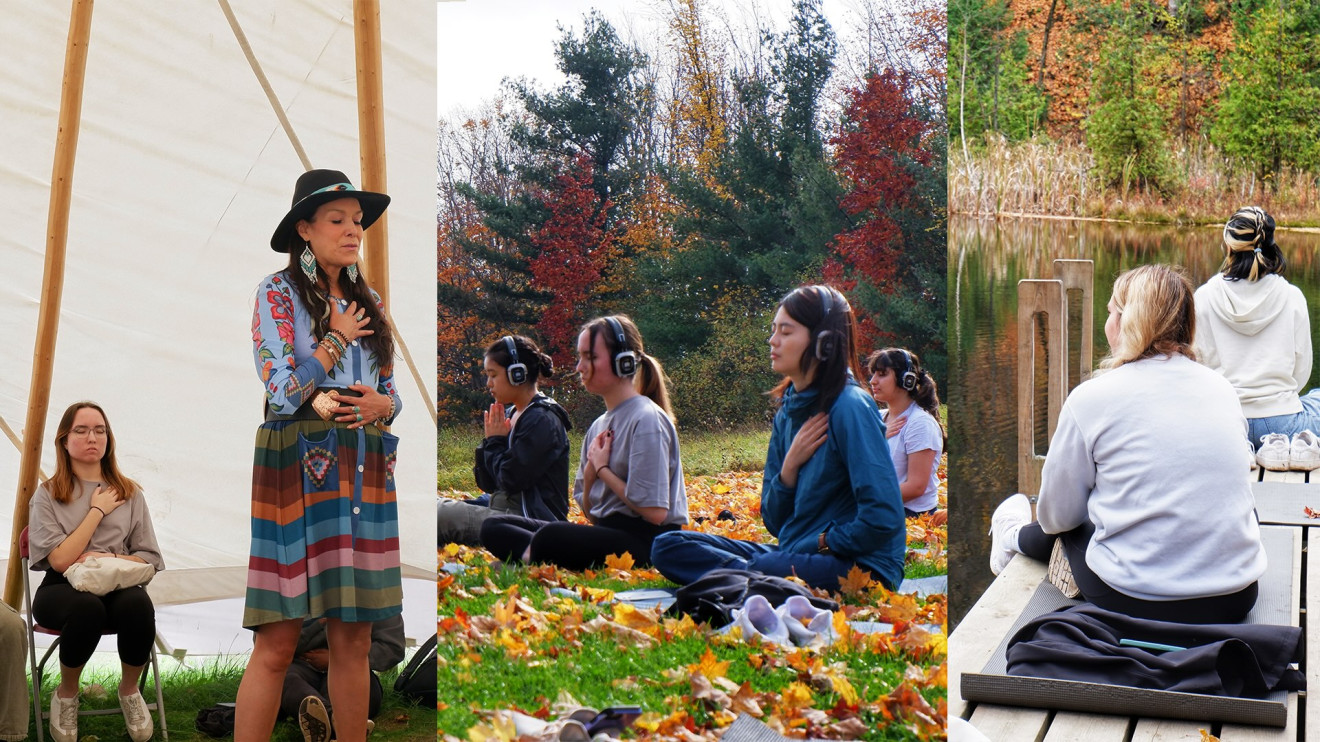
Edmonton’s outdoor yoga scene explodes each spring as instructors move classes outside. Finding the right space depends on your tolerance for wind, need for flat ground, and desired ambiance. Public spaces fill quickly on perfect weather evenings.
Popular Public Yoga Locations
The Legislature Grounds south lawn hosts multiple yoga groups from May through September. The grass stays well-maintained and level. Arrive by 5:45 PM for evening classes to secure a spot away from the walking paths. Free two-hour parking exists along 109 Street after 6 PM. The #5 bus stops at 107 Street and 99 Avenue.
Gallagher Park’s hill provides natural stadium seating for larger yoga events. The Folk Music Festival site stays quiet between events. Morning classes face east for sunrise salutations. The slope adds challenge to balance poses. Parking in the Cloverdale Community League lot costs $2 on honor system.
Louise McKinney Park’s river overlook platform accommodates 20 yoga mats comfortably. The Chinese Gardens nearby offer a meditation space alternative. Construction noise from downtown can intrude on weekday sessions. Weekend mornings stay peaceful. The Shaw Conference Centre parkade charges $3 for three hours on weekends.
Hidden Meditation Spots
The Devonian Botanic Garden opens meditation spaces in their Japanese Garden by early May. Entry costs $15 for adults but includes access to 80 acres of cultivated nature. The moss garden provides exceptional grounding energy. Drive 15 minutes west on Highway 16 to reach this oasis.
Beaumaris Lake Park in Castle Downs offers surprising serenity. The small peninsula jutting into the lake creates a natural meditation platform. Morning mist over the water peaks around 6 AM in late May. Free parking surrounds the lake. The wetland boardwalk adds a walking meditation option.
The U of A Botanic Garden’s indigenous plants section reopens in late April. This lesser-known area provides benches positioned for privacy. Student rates make it affordable at $8. The garden’s map shows quiet zones marked specifically for reflection. Check their website for spring opening dates.
Organized Outdoor Yoga Classes
Lululemon stores organize free outdoor yoga throughout spring and summer. Their Southgate location runs Saturday morning classes at Emily Murphy Park. Registration opens Monday mornings for the following weekend. Classes fill within hours. All levels welcome, but bring your own mat.
Yoga Within studio moves their Thursday evening class to Ezio Faraone Park starting in late May. Drop-in rate is $20, or use regular class passes. The instructor brings a portable speaker for music. Classes run unless actively raining. Their Instagram posts weather-related cancellations by 4 PM.
The City of Edmonton’s wellness programs include outdoor yoga at various locations. Registration through their website costs $60 for six sessions. Experienced instructors adapt poses for uneven ground. These fill quickly when registration opens in early April. Senior discounts available with proof of age.
Spring Running Routes and Trail Running Basics
Trail running in Edmonton requires different preparation than winter treadmill sessions. Spring conditions create specific challenges: mud, ice patches in shaded areas, and varying trail surfaces. Building up gradually prevents the injuries that sideline eager runners every April.
Transitioning from Indoor to Outdoor Running
Start with 50% of your indoor running distance for the first outdoor week. Trail surfaces demand more from stabilizer muscles and proprioceptors. The Mill Creek Ravine paved trail offers an ideal transition surface. Mostly flat with gentle grades, it introduces outdoor variables without overwhelming new trail runners.
Footwear matters more outdoors. Road running shoes lack the grip for Edmonton’s spring trails. Trail runners with aggressive tread patterns handle our clay-based mud better. Local Running Room stores stock models tested on river valley trails. Expect to pay $140-180 for quality trail shoes that last a full season.
Morning runs require layers through May. Start with a light long-sleeve shirt you can tie around your waist. Temperatures in the river valley can swing 10 degrees during a 45-minute run. Lightweight gloves stay useful for shaded trail sections into late May.
Best Spring Running Routes by Distance
5K routes: Kinsmen Park loop via Walterdale Bridge offers exact 5K distance with washroom access. Start at Kinsmen Sports Centre, cross the new bridge, follow south bank trail to Rossdale Road, return via Low Level Bridge. Mostly flat with one moderate climb. Water fountains operate after May long weekend.
10K routes: Hermitage Park to Capilano Bridge and back measures 10.2 kilometers. Park free at Hermitage Park’s main lot. This route showcases river views and mature forest. The trail stays wide enough for comfortable passing. Early morning offers wildlife sightings including deer and diverse bird species.
Half-marathon route: Start at Emily Murphy Park, follow river trail west to Fort Edmonton footbridge, cross and return east to Capilano Bridge, cross back and return to start. Total distance: 21.3 kilometers. Five bridge crossings add variety. Multiple bail-out points if needed. Pack water or plan fountain stops at Hawrelak and Kinsmen.
Trail Running Safety and Etiquette
Wildlife encounters increase in spring. Coyotes den in several ravines with pups appearing in May. Make noise on blind corners. If you encounter coyotes, maintain eye contact while backing away slowly. Report aggressive behavior to 311.
Trail etiquette keeps everyone safe. Yield to uphill runners. Announce “passing on your left” clearly. Single-track sections require patience during busy times. Dog walkers appreciate advance warning. Muddy conditions mean accepting dirty shoes rather than widening trails by running around puddles.
Carry minimal emergency supplies on runs over 10K. A whistle, phone, and $20 cash handle most situations. Tell someone your route and expected return time. Download offline maps for ravine trails where cell service disappears. Consider joining Edmonton Trail Runners Facebook group for safety updates and group run opportunities.
| Trail Name | Distance | Difficulty | Surface Type | Parking Options |
|---|---|---|---|---|
| Victoria Park Loop | 5.2 km | Easy | Paved | Free lot at golf course |
| Mill Creek Full Trail | 8 km | Moderate | Mixed paved/gravel | Street parking at access points |
| Terwillegar Loop | 10-15 km | Moderate | Gravel/dirt | Large free lot (busy weekends) |
| Gold Bar to Capilano | 22 km | Advanced | Mixed all types | Gold Bar Park free lot |
| MacKinnon Ravine | 4 km | Moderate | Paved/gravel | Street parking 142 St |
Outdoor Fitness Classes and Bootcamps
Group fitness moves outdoors across Edmonton as soon as snow melts. These classes combine fresh air benefits with motivation from instructors who know how to adapt exercises for outdoor spaces. Prices typically match indoor rates despite the superior setting.
Established Outdoor Bootcamp Programs
Survivor Bootcamp runs the city’s largest outdoor fitness program. Classes happen at Rundle Park, Hawrelak Park, and Laurier Park. Monthly unlimited passes cost $180. Drop-in rates at $25 per class let you test the intensity. They provide all equipment except yoga mats. Classes run rain or shine from May through September.
F45 Training’s Oliver location moves select classes to Paul Kane Park starting mid-May. Members pay no extra fee for outdoor sessions. Non-members can purchase a three-class trial for $45. High-intensity interval training translates well to park settings. Bring a water bottle and towel.
Edmonton Fit Body Bootcamp operates from Victoria Park’s lower fields. Their spring special offers four weeks for $97. Classes mix bodyweight exercises with portable equipment. The riverside location stays cooler than street-level parks. Instructors modify exercises for all fitness levels.
Specialized Outdoor Training Options
StrongFirst Edmonton teaches kettlebell techniques at Borden Park. Outdoor classes focus on fundamental movements. Single sessions cost $40. They loan kettlebells to beginners. The park’s open space allows for safe swinging movements. Technical instruction suits those wanting to learn proper form.
November Project Edmonton meets year-round for free workouts. Summer locations rotate between stairs at Glenora, hills at Gallagher Park, and trails throughout the river valley. Show up at 6 AM Wednesdays. No registration required. The volunteer-led format builds community alongside fitness.
CrossFit Pandora’s Box runs outdoor WODs (workout of the day) at Coronation Park on Saturdays. Members train free. Drop-ins pay $25. They transport equipment from their Jasper Avenue location. Workouts scale for various abilities. The competitive atmosphere pushes participants harder than solo training.
Finding the Right Outdoor Class
Class size affects experience quality outdoors. Groups over 30 people lose personal attention. Wind can make instructor voices hard to hear in large groups. Smaller bootcamps of 10-15 participants offer better form correction and modification options.
Location proximity matters for consistency. The best program across the city won’t help if you skip it due to commute time. Prioritize classes within 15 minutes of home or work. Spring road construction can double travel times unexpectedly.
Equipment requirements vary significantly. Some programs provide everything. Others expect you to bring resistance bands, mats, and weights. Clarify before your first class. Investing in a quality yoga mat designed for outdoor use costs around $80 but improves comfort on grass and gravel.
Cycling Routes and Bike Path Navigation
Edmonton’s cycling infrastructure improves annually, with spring revealing new connections and upgraded paths. The Edmonton wellness reset guide spring outdoor activities checklist must include cycling, as it offers low-impact cardio while covering more ground than running.
Multi-Use Path System Overview
The city maintains over 150 kilometers of paved multi-use trails. These accommodate cyclists, runners, and walkers with varying success. Peak times create congestion on popular routes like the river valley trail between Groat Bridge and Capilano Bridge. Early morning rides avoid crowds.
Protected bike lanes downtown expanded significantly. 102 Avenue offers separated lanes from 124 Street to 95 Street. These connect to river valley access points at multiple locations. The infrastructure makes bike commuting viable for fitness and transportation.
Gravel paths suit mountain bikes and hybrids. The trail from Fort Edmonton to Terwillegar Park stays rideable by early May. Puddles persist in low spots through spring. Fat bikes handle these conditions best but aren’t necessary for most maintained trails.
Recommended Spring Cycling Routes
Beginner route: Start at Hawrelak Park, follow paved trail east to Kinsmen, cross Walterdale Bridge, return west along south bank to Fort Edmonton footbridge, cross back and return to start. Total distance: 15 kilometers of mostly flat terrain. Washrooms available at both parks.
Intermediate route: Mill Creek Ravine to downtown loop covers 25 kilometers. Park at Argyll Velodrome, descend Mill Creek trail to river, head west to Legislature grounds, loop through downtown bike lanes, return via same route. Expect 150 meters total elevation change.
Advanced route: River valley grand tour spans 45 kilometers. Start at Terwillegar Park, ride east to Capilano Bridge, cross and continue west to Whitemud Park, use Quesnell Bridge to return east to start. Bring snacks and extra water. Allow three hours including breaks.
Bike Rental and Repair Resources
River Valley Adventure Co. rents quality bikes from their Rossdale location. Hybrid bikes cost $25/hour or $65/day. They include helmets, locks, and basic repair kits. Electric bikes available at $40/hour for those wanting assistance on hills. Book online for weekend availability.
United Cycle’s south location offers spring tune-up specials. Basic service costs $60 and includes brake adjustment, gear tuning, and tire pressure optimization. Book appointments two weeks ahead during spring rush. They loan bikes during longer repairs.
Revolution Cycle’s Whyte Avenue shop specializes in urban cycling needs. Their $15 flat-fix service gets you rolling quickly. They stock tubes for every tire size. The mechanics offer honest advice about whether old bikes merit repair investment. Community bike programs accept donations of unrepairable bikes.
Water-Based Activities and River Safety
The North Saskatchewan River defines Edmonton’s space and offers unique wellness opportunities. Spring flow rates peak with mountain snowmelt, creating exciting but potentially dangerous conditions. Understanding river dynamics keeps water activities safe and enjoyable.
Stand-Up Paddleboarding (SUP) Basics
SUP season starts when water temperatures reach 10°C, typically mid-May. The river’s current adds complexity compared to lake paddling. Beginners should start at Rundle Park’s pond before attempting river sections. The still water allows technique development without current challenges.
Haskin Canoe rents SUP boards from their Kinsmen location. Rates run $30/hour with wetsuit rental additional $15. They require completion of their safety briefing before river access. Morning rentals offer calmer conditions. Afternoon winds create challenging chop.
The Devon to Laurier float covers 12 kilometers in approximately two hours. This section offers minimal hazards for experienced paddlers. Arrange vehicle shuttles through Haskin Canoe for $25. The route passes under four bridges with spectacular city views.
Kayaking and Canoeing Options
Edmonton Canoe Club offers spring courses for beginners. Six-week programs cost $180 including equipment use. Classes meet Tuesday evenings at Rundle Park. Certified instructors teach proper paddle technique and river reading skills. Membership after the course provides storage and ongoing community.
Totem Outdoor Outfitters rents canoes and kayaks from multiple locations. Daily rates start at $65 for canoes, $45 for single kayaks. They deliver to launch points for $30. Popular routes include Devon to Edmonton and the urban paddle from Capilano to Dawson Park.
River depth varies dramatically in spring. Check Environment Canada’s water level data before planning trips. Levels above 500 cubic meters per second create hazardous conditions for recreational paddlers. Late May through June typically offers ideal flow rates.
River Valley Beach Activities
Accidental Beach appears reliably by late May. This sandy area below the Cloverdale pedestrian bridge attracts volleyball players and sunbathers. No lifeguards patrol this informal beach. Swimming remains at your own risk. Water quality varies with runoff levels.
The Terwillegar Park sandbar emerges during low water periods. Families wade in shallow areas while more adventurous swimmers cross to the sandbar. Current stays manageable in this wider river section. Pack out all garbage as no services exist at these natural beaches.
Government House Park’s river access provides the safest entry point for casual water contact. Gentle slopes and minimal current make it suitable for dogs and children. The nearby parking and washrooms add convenience. Respect private property boundaries marked along the riverbank.
Sources & References
Find Trusted Wellness Spots in Edmonton
Browse our independent guide to Edmonton’s spas, fitness studios, and wellness services. Local. Honest. Free.
Related Reading
Related Reading
Frequently Asked Questions
When do Edmonton’s outdoor fitness facilities and trails typically open for spring?
Most paved river valley trails clear of ice by mid-April, with gravel trails drying out by early May. City outdoor fitness equipment gets inspected and reopened by May long weekend. Check the City of Edmonton website for specific trail condition updates, as shaded areas can retain ice into late April.
What should I wear for outdoor workouts during Edmonton’s unpredictable spring weather?
Layer with moisture-wicking base layers, a light long-sleeve shirt, and a windproof jacket you can tie around your waist. Morning temperatures in the river valley often sit 5-10 degrees cooler than street level. Bring light gloves for early morning sessions through May, and always pack an extra layer.
Are there any free outdoor fitness programs in Edmonton during spring?
November Project Edmonton runs free workouts year-round at 6 AM on Wednesdays at rotating locations. Lululemon stores offer complimentary weekend yoga classes at various parks starting in May. The City of Edmonton also programs free fitness sessions at some community leagues – check their recreation guide.
How can I find trail conditions and closures for Edmonton’s river valley?
The City of Edmonton posts trail updates on their website and the 311 app shows real-time closures. The Edmonton Trail Runners Facebook group provides crowdsourced conditions reports. For immediate updates, Twitter hashtag #yegtrails often has current photos and warnings from local runners.
What are the best spots for outdoor yoga if I want to avoid crowds?
Try Beaumaris Lake Park in Castle Downs for morning sessions, or the U of A Botanic Garden’s indigenous plants section for guaranteed quiet. Borden Park’s east side stays empty most mornings. For river valley options, the grassy area at Yorath House (near Fort Edmonton) rarely sees crowds before 10 AM on weekdays.