Edmonton’s river valley is the best free gym in the city, but figuring out how to start outdoor running in Edmonton as a beginner takes more planning than it does in Vancouver or Toronto. You’re dealing with river valley elevation changes, ice on the trails for close to five months a year, and a smoke season that can turn a good lung day into a bad one overnight. This guide walks through the exact steps: gear, routes, a beginner run-walk schedule, and the seasonal adjustments that keep you running instead of nursing an injury or coughing through August. Budget two to three weeks to get fully set up. After that, you’re just running.
Last reviewed:
- Tools needed: properly fitted running shoes, moisture-wicking base layers, a reflective vest or clip-on light, a phone with a free run-tracking app, and (October through April) ice grips for your shoes.
- Time: 2-3 weeks to build the habit, plus 8-9 weeks if your goal is a first 5K. Each session runs 20-35 minutes, three days a week.
- Difficulty: Beginner.
Step 1: Get a Baseline Check Before You Lace Up
Don’t skip this step because it feels like a formality. Edmonton’s climate puts extra strain on your cardiovascular system in both directions, cold air constricts blood vessels and smoke season reduces oxygen efficiency, so knowing your starting point actually matters here more than in milder cities.
Talk to your doctor if you have risk factors
If you’re over 45, have a history of heart or lung issues, are a smoker, or haven’t done regular exercise in over a year, book a quick appointment before you start. Mayo Clinic’s guidance on starting a running program recommends this exact screening step for anyone with underlying conditions, and it takes one appointment to rule out anything serious.
Fitness Outdoor Movement In Edmonton covers this in more detail.
Test your current fitness with a walk
Before your first run, walk briskly for 20 minutes on flat ground, ideally somewhere like the paths around Hawrelak Park or the sidewalks along Jasper Ave. Can you hold a conversation the whole time without gasping. If yes, you’re ready for run-walk intervals. If you’re winded by minute ten, spend a week just walking daily before adding any running. Health Canada’s movement guidelines suggest at least 150 minutes of moderate activity per week as a baseline target, which a 20-minute daily walk gets you most of the way toward.
Set a realistic first goal
Most beginners do best aiming at a first 5K, not a return to some fitness level from a decade ago. Write down one concrete goal, a specific race, a specific distance, or just “run 20 minutes without stopping.” Vague goals like “get in shape” don’t survive the first -20°C morning.
Step 2: Gear Up for Edmonton’s Climate
You can run outdoors here year-round, but only if your gear matches the season. This is the step people skip and then quit six weeks later, blaming themselves instead of their cotton hoodie.
Outdoor Fitness Classes Edmonton Summer covers this in more detail.
Get shoes fitted, don’t guess
Skip the shoe wall at a big box store for your first pair. Go to a specialty running store, the Running Room locations on Whyte Avenue and in Sherwood Park both do free gait analysis, and get fitted properly. Expect to pay $130 to $180 for a beginner-appropriate shoe. Replace them every 500 to 800 kilometres, which for a new runner is roughly every six to nine months.
How To Build An Outdoor Fitness Routine Edmonton covers this in more detail.
Layer for temperature swings
Edmonton mornings can shift 10 degrees between when you leave the house and when you finish your run. Use these layering basics:
- A moisture-wicking base layer, never cotton, it holds sweat and gets cold fast.
- A wind-resistant shell for anything below 5°C, especially near the open river valley where wind picks up.
- A toque and gloves once you’re under 0°C, and a face buff once you’re below -15°C.
- Sunglasses and sunscreen for long summer daylight hours, since Edmonton gets close to 17 hours of daylight in June.
Watch out: overdressing is as common a mistake as underdressing. You should feel slightly cool for the first five minutes. If you’re warm standing still in the driveway, you’re wearing too much.
Add visibility and traction gear
Between November and March, Edmonton mornings and evenings are dark. Add a reflective vest ($20-40) and a clip-on light if you run before 8 a.m. or after 5 p.m. For ice, pick up traction devices like YakTrax or similar ($25-45) that slip over your shoes. Skip these two purchases and you’re either invisible to drivers or on your back on a patch of ice near Mill Creek Ravine.
Step 3: Pick Your First Routes
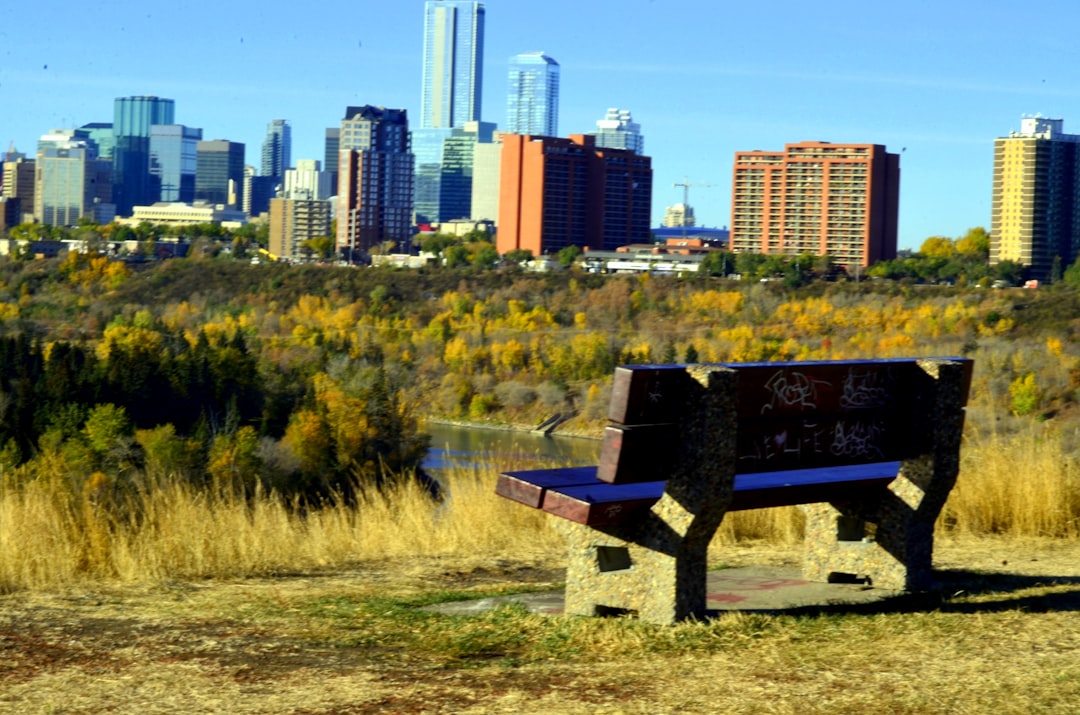
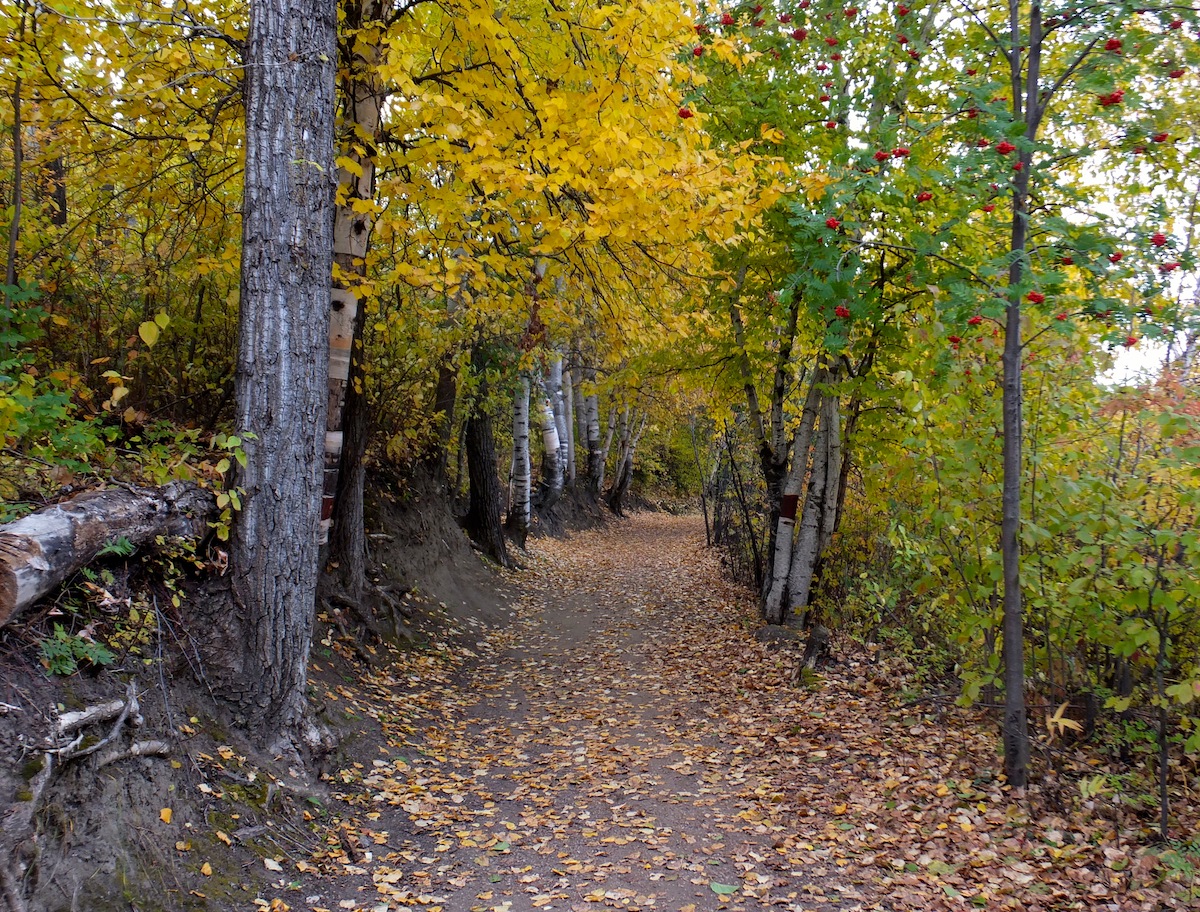
Edmonton’s river valley trail network covers more than 160 kilometres, making it one of the largest stretches of urban parkland in North America. That’s a lot of options, and also a lot of ways to pick a route that’s too hard for week one.
River valley trails built for beginners
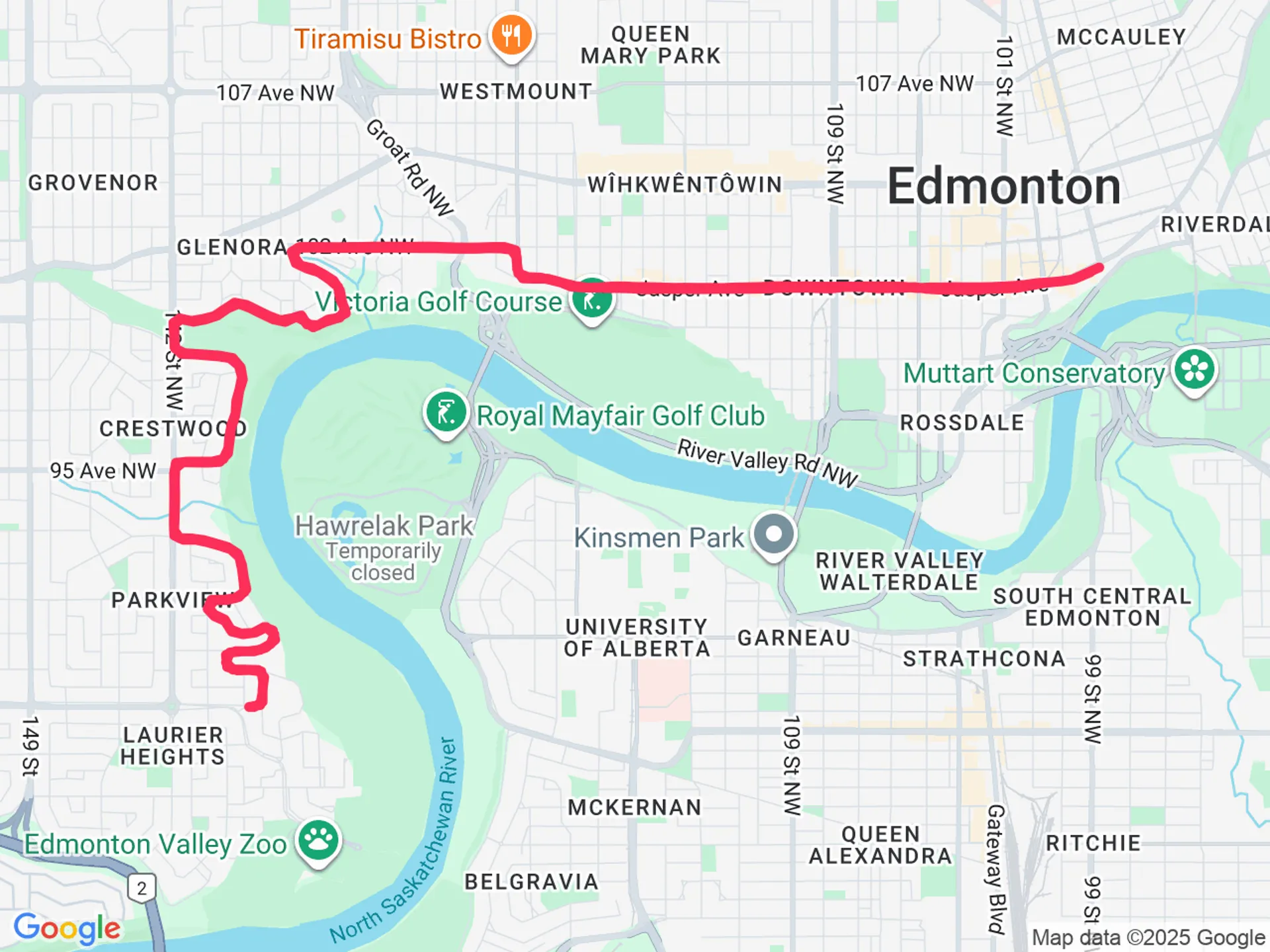
Start somewhere flat and well-maintained. Hawrelak Park has a paved 2.8 km loop with free parking and washroom access. Terwillegar Park, on the southwest side near Windermere, has wide flat gravel and paved paths and a large free lot. Gold Bar Park on the east side is quieter and less crowded than Hawrelak on weekends. All three connect to the wider trail system once you’re ready to go further, which is covered in more depth in our guide to Edmonton running routes for summer versus winter.
Neighborhood loops if the valley feels like too much
If steep river valley stairs sound intimidating for week one, that’s fair, some of those hills gain 60 metres of elevation fast. Run neighborhood loops instead. Old Strathcona and the blocks around Whyte Avenue have flat grid streets and sidewalks. Oliver, just west of downtown, has quiet residential streets and is walkable to the river valley once you’re ready to add hills. 124 Street is another solid flat option, with cafes nearby for a post-run coffee.
Check parking and transit before you go
Hawrelak Park and Terwillegar Park both have free lots. Downtown and Oliver street parking often requires a paid permit or meter during weekdays, so time weekday runs around that or park on residential side streets. The Stadium and University LRT stations both put you within a five-minute walk of river valley trail access, useful if you don’t want to deal with parking at all.
Step 4: Build a Beginner Run-Walk Schedule
Nobody should run continuously in week one. Run-walk intervals build the habit without wrecking your knees or your motivation.
Weeks 1-2: interval basics
Run three days a week, non-consecutive, so your body has a rest day between each session. A solid starting interval is 1 minute running, 2 minutes walking, repeated 8 times, for about 24 minutes total. This is the same structure used in most beginner run-walk programs, and it works because it keeps your heart rate in a manageable zone while your joints adapt.
Weeks 3-4: progression
Once week 1-2 feels easy, not just doable but genuinely easy, shift the ratio. Try 3 minutes running, 1 minute walking, for 6 to 7 rounds. Increase your running block by roughly 30 seconds every few sessions rather than jumping straight to continuous running. This is also a good point to add a fourth day if your schedule allows, following the structure in our guide on building an outdoor fitness routine in Edmonton.
Rest days and cross-training
Use your off days for walking, stretching, or light strength work, not the couch. Two full rest days a week is standard for beginners. If you want structured cross-training without another solo run, check listings for outdoor fitness classes in Edmonton over the summer, many run in Hawrelak Park and other river valley locations and pair well with a beginner running schedule.
Step 5: Nail Your Warm-up, Form, and Cool-down
Bad form and skipped warm-ups are the biggest reason beginners get shin splints or knee pain in their first month. This step takes five extra minutes and prevents most of that.
Dynamic warm-up, not static stretching
Skip toe touches before you run. Instead spend 5 minutes on leg swings, walking lunges, and high knees to get blood into the muscles you’re about to use. Static stretching before a run has been shown to temporarily reduce muscle power output, so save the deep stretches for after.
Form cues that actually help
- Keep your posture tall, eyes forward, not staring at your feet.
- Land with your foot roughly under your hip, not way out in front of your body.
- Relax your shoulders and let your arms swing naturally at your sides.
- Breathe through both your nose and mouth, whatever feels natural at your pace.
Cool-down and stretching
Walk for 3 to 5 minutes after your last running interval to bring your heart rate down gradually. Then stretch your calves, quads, hamstrings, and hip flexors for about 30 seconds each. This matters more in cold weather, since tight, cold muscles are more prone to strain than warm ones.
Step 6: Adjust for Edmonton’s Seasons
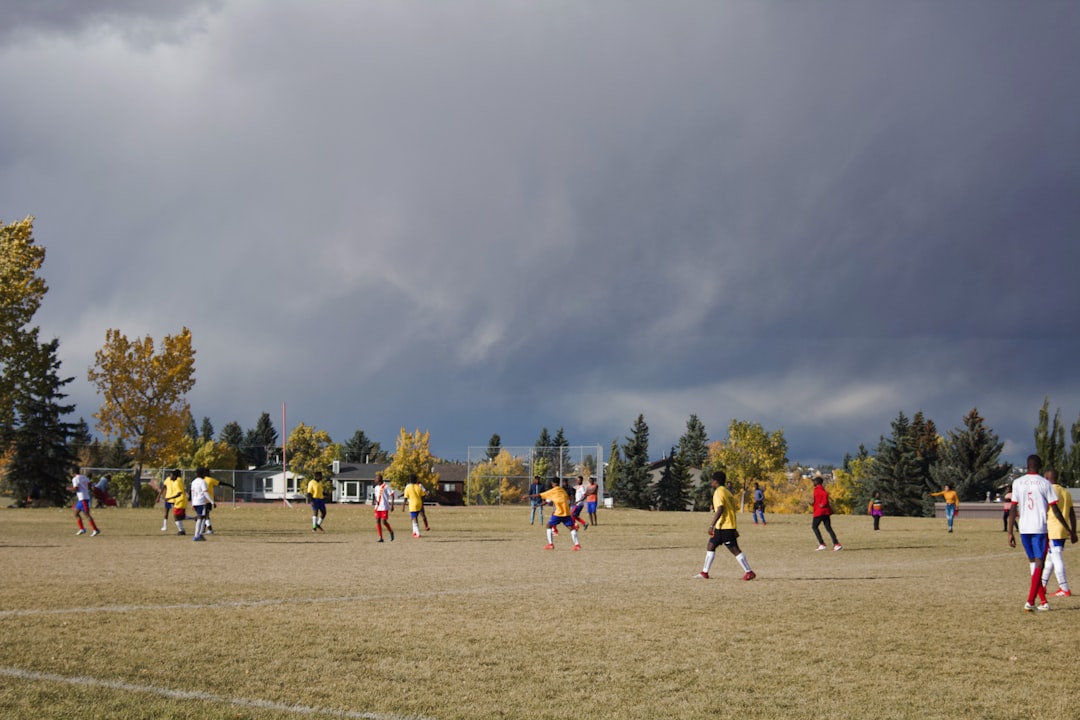
This is the step that actually determines whether you’re still running in month six. Edmonton’s climate doesn’t ease you in gradually the way milder cities do, it swings hard, and your plan needs to swing with it.
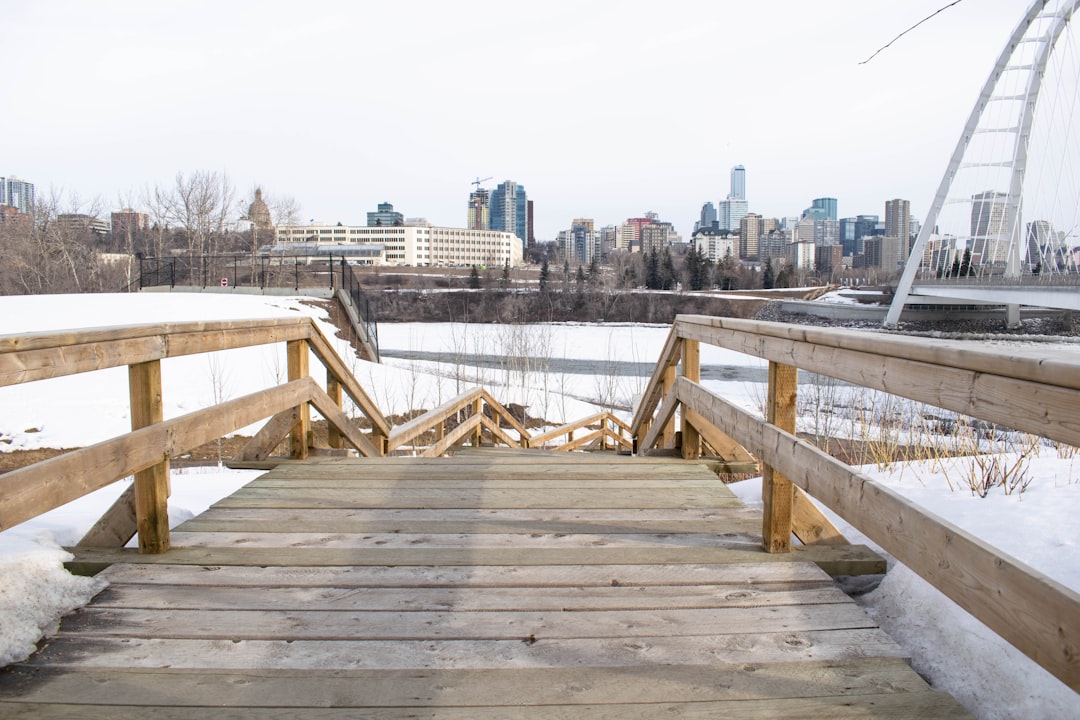
Winter running below -15°C
Below -15°C, cover all exposed skin and limit runs to 30-40 minutes to reduce frostbite risk on your face and hands. Alberta Health Services’ cold weather safety guidance recommends checking the wind chill, not just the air temperature, before heading out, since wind chill is what actually causes frostbite risk to spike. Below -25°C with wind chill, most experienced Edmonton runners move indoors for the day.
Smoke season indoor backup plan
July and August bring wildfire smoke that can push Edmonton’s air quality into unhealthy territory with little warning. Check the Air Quality Health Index before you head out, and have a backup plan ready, a treadmill session, a mall walk at West Edmonton Mall, or an indoor class. Our detailed breakdown of why smoke season affects outdoor fitness in Edmonton covers exactly which AQHI numbers should send you inside.
Spring, summer, and long daylight hours
March and April bring melting ice and mud on unpaved trail sections, so stick to paved paths like the one at Hawrelak Park until things dry out. Once summer hits, Edmonton’s long daylight hours mean you can run at 6 a.m. or 9 p.m. and still have full sun, which is worth using to avoid midday heat. This seasonal shift is covered in more depth across our broader guide to fitness and outdoor movement in Edmonton.
Step 7: Track Progress and Set Your First Goal
Beginners who track their runs stick with the habit longer than those who don’t, mostly because seeing week-over-week progress is motivating in a way that just showing up isn’t.
Simple tracking methods
You don’t need a $400 running watch. A free app on your phone tracks distance, pace, and time, and that’s enough for the first few months. Log how you felt too, not just the numbers, since energy and mood patterns often show up before injuries do.
Choosing a first goal or local race
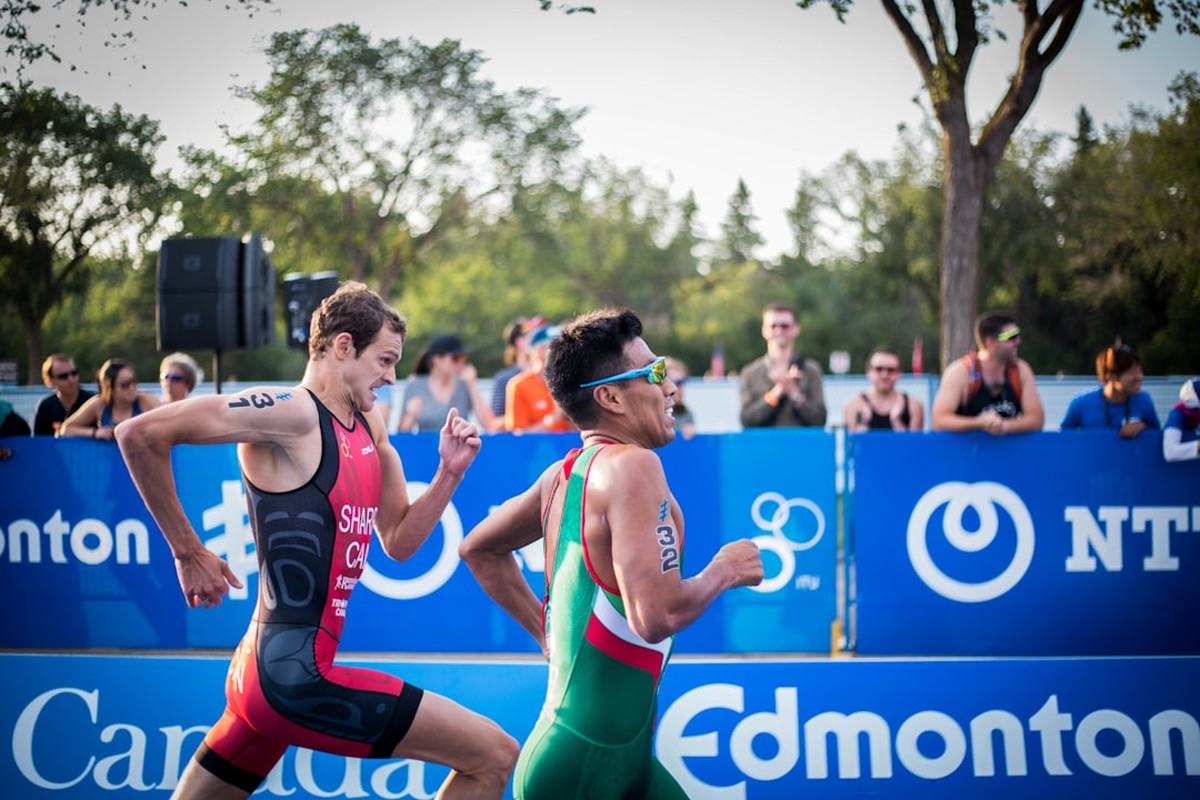
Once you can run 20-25 minutes continuously, usually around week 6 to 8, pick a local 5K to work toward. Edmonton has race options through spring and summer tied to events like Folk Fest season, and plenty of low-key community 5Ks that are far less intimidating than a big city race.
When to increase distance
Follow the general rule of increasing weekly distance by no more than 10 percent at a time. If you ran 8 km total last week, aim for about 8.8 km this week, not 12. This is the single most effective way to avoid overuse injuries as a new runner.
Common Mistakes to Avoid
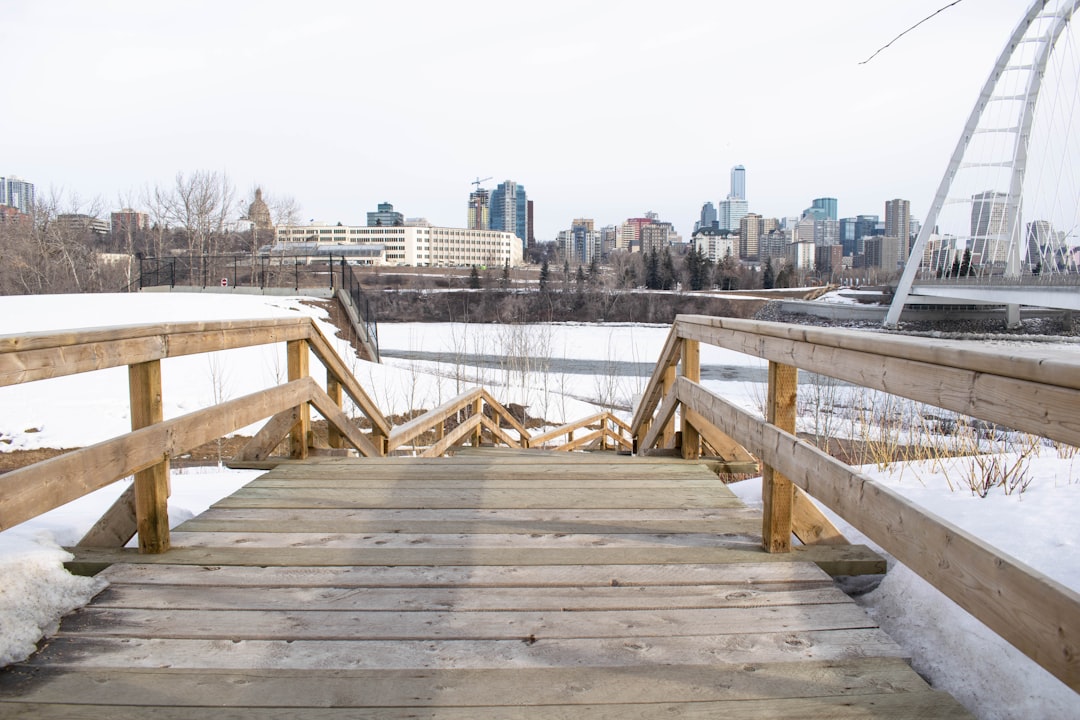
- Starting with continuous running instead of run-walk intervals, which leads to burnout or injury in the first two weeks.
- Wearing cotton instead of moisture-wicking layers, which gets cold and heavy the moment you start sweating.
- Ignoring the Air Quality Health Index during smoke season and running through visibly hazy air.
- Skipping traction devices on icy trails between November and March.
- Increasing weekly distance too fast instead of following the 10 percent rule.
- Choosing an intimidating river valley hill route in week one instead of a flat neighborhood loop or paved park path.
What’s Next
Once you’ve got three weeks of consistent run-walk sessions behind you, shift focus to building a full weekly routine that includes strength work and recovery, not just running days. For a broader look at pacing that across Edmonton’s seasons, see our guide on the Edmonton Wellness Guide homepage for the latest local classes, trail conditions, and seasonal fitness options.
Related Articles
- Best Running Trails Edmonton River Valley: Where Locals Actually Run
- How to Train for a Half Marathon in Edmonton: A 16-Week Local Runner’s Guide
Sources & References
Find Trusted Wellness Spots in Edmonton
Browse our independent guide to Edmonton’s spas, fitness studios, and wellness services. Local. Honest. Free.
Frequently Asked Questions
What’s the coldest temperature I should run outside in Edmonton?
Most runners set a personal cutoff around -25°C with wind chill, below that frostbite risk on exposed skin rises quickly. Check the wind chill, not just the air temperature, before deciding, and keep runs shorter, under 30 minutes, on the coldest days.
Do I need trail shoes for river valley running?
Not for paved paths like the Hawrelak Park loop or Terwillegar Park trails, a standard road running shoe works fine. If you move onto unpaved single-track sections of the river valley trail system, a trail shoe with more grip is worth the $140-160 investment.
How do I know if wildfire smoke is too bad to run outside?
Check Alberta’s Air Quality Health Index before heading out, if it’s reading 7 or higher, move your run indoors. Symptoms like a scratchy throat or tight chest mid-run are also a sign to cut the session short regardless of what the number says.
How long does it take a beginner to run a full 5K without stopping?
Most beginners following a structured run-walk progression reach a continuous 5K in 8 to 9 weeks, running three days a week. Progress isn’t linear, some weeks feel harder due to weather or sleep, so judge progress over a month, not week to week.
Is it safe to run alone in the river valley early in the morning or after dark?
Stick to well-lit, well-used sections like the Hawrelak Park loop or paths near the University LRT station rather than isolated trail segments. Wear a reflective vest, carry your phone, and tell someone your route and expected return time, especially between November and March when darkness falls before 5 p.m.