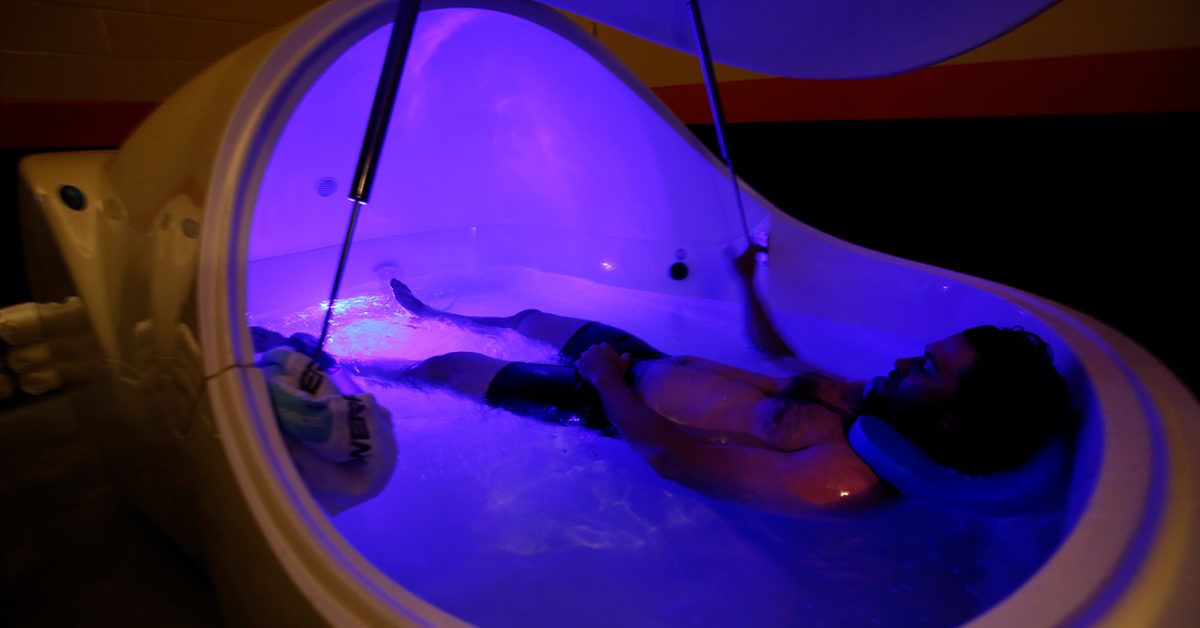
First-timers usually show up to a float centre with the wrong idea. They think floating is like a hot tub with the lights off. It is not. A float tank holds roughly 1,000 pounds of dissolved Epsom salt in about 25 centimetres of water, heated to skin temperature, in a pod sealed off from light and sound. Knowing how to prepare for your first float tank session matters more than most people expect, because the prep is what determines whether you spend 60 minutes relaxed or 60 minutes distracted by an itchy scalp, a growling stomach, or a stinging paper cut. This guide walks through the whole process in order, from booking to the shower afterward, built specifically around Edmonton studios, Edmonton winters, and Edmonton parking realities.
Last reviewed:
- Tools needed: A confirmed float booking, a razor-free 24 hours, earplugs (most Edmonton studios supply silicone ones), flip-flops for the changeroom, and loose clothing for after.
- Time: About 90 minutes total door to door for a 60-minute float, including a pre-float shower, the float itself, and a post-float shower.
- Difficulty: Beginner
Step 1: Book the Right Float Studio and Time Slot

The prep starts before you even leave the house, with the booking itself. Edmonton has float studios spread across the city, from Old Strathcona down to Windermere and a few tucked into the strip malls near West Edmonton Mall. Where you book affects parking, price, and how rushed you feel walking in the door.
Comparing Edmonton float studios
Prices across the city typically run $60 to $90 for a single 60-minute float, with better per-session rates on 3-packs or memberships. Before you book, it is worth checking a float tank therapy price comparison for Edmonton spas so you are not paying downtown premiums for the same tank you could get in Windermere for less. If you already spend time near West Edmonton Mall, it is also worth reading up on the best salt caves and float therapy near West Edmonton Mall before committing to a spot on the other side of the city.
Picking a time that actually works
Book your first float for a day with nothing scheduled right after. Rushing out of a float to make a 4 pm meeting undoes most of the benefit. If you are not sure what floating even does physiologically, the basics are covered in what float tank therapy is and how it works, which is worth a read before your first appointment so you know what your body and brain are actually doing in there.
What Is Float Tank Therapy And How Does It Work covers this in more detail.
- Morning slots work well for people who get anxious anticipating things all day.
- Evening slots work well if you want the float to help you sleep, since floating lowers heart rate and can leave people drowsy for hours afterward.
- Avoid booking directly after a workout or a big meal. Give yourself at least 2 hours of buffer either way.
Watch out: Many studios have a strict cancellation window, often 24 hours. Book a date you are actually confident you will keep, especially in winter when a surprise cold snap or icy commute can wreck your plans.
Step 2: Handle the 24 Hours Before Your Float
What you eat and drink the day before a float changes how comfortable you are once you are floating. This is the step people skip most often, and it is the one that causes the most complaints afterward.
Diet and caffeine timing
Eat a light meal about 90 minutes to 2 hours before your session. A full stomach floating on its back tends to gurgle, and an empty stomach makes it hard to relax. Skip alcohol the night before if you can, since it dehydrates you and can make the salt water sting more if you have any skin irritation. Cut caffeine at least 4 to 6 hours before your float. Health Canada’s guidance on caffeine notes that its effects can linger for several hours in the body, which works against the entire point of floating, which is to slow your nervous system down, not keep it running.
Skip the shave and skip the intense workout
Do not shave or wax the morning of your float. Fresh razor nicks sting badly in high-concentration Epsom salt water, and this catches almost every first-timer off guard. Also skip an intense workout within a few hours of your session. Sweat and salt water in a small cut is a bad combination, and sore muscles from a hard gym session can actually make lying still for 60 minutes uncomfortable rather than relaxing.
- Eat a light snack or small meal 90 minutes to 2 hours before.
- Stop caffeine 4 to 6 hours before your appointment.
- Do not shave, wax, or exfoliate the day of your float.
- Hydrate normally the day before. Do not overhydrate right before, since you will need a bathroom break mid-float otherwise.
Watch out: If you have a fresh tattoo, a sunburn, or an open cut anywhere on your body, call the studio before you book. Most Edmonton float centres will ask you to reschedule rather than risk contaminating the tank or irritating the wound.
Step 3: Pack What You Actually Need and Leave the Rest

Float centres are minimalist by design. You will not need a gym bag full of gear, but a few small items make the whole appointment smoother.
What to bring
Bring a hair tie if you have long hair, since it needs to be up and out of your face during the float. Bring flip-flops or slides for walking between the shower and the pod, since most studio floors are wet. Bring a change of soft, comfortable clothing for after, because your skin will feel different (in a good way) post-float and tight jeans right after are nobody’s favorite. If you wear contact lenses, bring a case, since some people prefer to remove them before floating.
What to leave at home
Leave your phone in the locker or your bag. Most studios do not allow phones in the float room at all, and part of how to prepare for your first float tank session properly is accepting that you will be unreachable for an hour. Skip makeup and heavy lotion that day, since both can cloud the water and clog the tank’s filtration system, and some studios will charge a cleaning fee if this happens repeatedly.
- Hair tie or clip
- Flip-flops or slides
- A change of loose, comfortable clothes
- Contact lens case, if needed
- Leave at home: makeup, heavy perfume or cologne, jewelry
Watch out: Do not wear a swimsuit unless the studio specifically asks for one. Most Edmonton float rooms are private, single-occupancy pods, and floating nude is standard practice because fabric can trap salt water and feel uncomfortable against the skin for an hour.
Step 4: Arrive Early and Get Through Intake
Arriving late to a float appointment is one of the fastest ways to ruin the experience, since you walk in stressed and rushed instead of calm.
Parking and getting there
Plan to arrive 15 to 20 minutes before your scheduled float time. Studios in Old Strathcona and along Whyte Avenue often mean metered street parking or a nearby lot, so budget a few extra minutes to find a spot, especially on a Farmers’ Market Saturday. Studios in Windermere or near West Edmonton Mall usually have free surface lot parking, which is easier if this is your first visit and you would rather not stress about a meter running out mid-float. If you are taking transit, check the route ahead of time. Edmonton Transit routes near Whyte Avenue and 124 Street run frequently on weekdays but thin out on evenings and weekends.
Waiver, health questions, and orientation
Every reputable Edmonton float studio will have you fill out a health intake form covering things like epilepsy, ear infections, high or low blood pressure, and pregnancy. Answer honestly. Staff use this to flag anything that needs a modified session, like keeping the pod lid open or shortening the float time. Most studios also walk first-timers through a 5-minute orientation covering the tank’s lid, interior light switch, and intercom button before they leave you alone with the door closed.
- Arrive 15 to 20 minutes early for paperwork and orientation.
- Bring a face mask if you have a cold, since congestion makes floating on your back harder.
- Ask staff to show you the interior light and intercom controls before they leave the room.
Watch out: If you are claustrophobic, say so at intake. Nearly every studio in Edmonton can leave the tank lid propped open or dim the lights instead of full blackout, and staff would rather adjust your first float than have you cut it short.
Step 5: Shower and Prep Immediately Before You Float
The pre-float shower is not optional, and it is not just a courtesy rinse. It directly affects tank cleanliness and how your skin reacts to the salt water.
The pre-float shower routine
Use the provided soap, which is unscented and formulated not to interfere with the water’s filtration system. Wash your hair as well as your body, since oils and product residue are the main reason tanks need extra filtration cycles between guests. Do not apply any lotion, oil, or deodorant after this shower. Anything left on your skin ends up in the water, and heavily scented products can bother the next guest if the filtration cannot fully clear it.
Dealing with cuts, scrapes, and sensitive skin
Cover any small cuts or scrapes with the petroleum jelly or wax provided at most studios before you get in. This creates a barrier so the salt does not sting. If you shaved recently despite the advice in Step 2, expect some stinging on razor-burned areas for the first minute or two. It fades as your skin adjusts, and Edmonton’s dry climate already means many people manage some degree of chapped or sensitive skin much of the year, so studios are used to guests asking for the barrier balm.
- Shower fully, including hair, using the unscented soap provided.
- Skip lotion, oil, and deodorant after this shower.
- Cover small nicks or cuts with barrier balm before entering the tank.
- Insert earplugs now if you are using them, since wet ears make this harder later.
Watch out: Do not put your head fully under water in the tank itself if you can avoid it. The salt concentration stings eyes badly, and getting even a small amount in your mouth tastes unpleasant for the rest of the session.
Step 6: Enter the Tank and Settle Into the Float

This is the part everyone books the appointment for, and it is also where most first-timers overthink things. The float itself is simple. Getting comfortable with it takes a few minutes.
The first 10 minutes
Step in carefully, since the floor of the tank can be slippery with dissolved salt. Lie back and let the water do the work. You will float automatically because of the salt density, no swimming or treading required. Most people spend the first several minutes making small adjustments: arms out to the side, hands resting on the stomach, or arms overhead. There is no single correct position. Try a few until your neck and shoulders feel supported without strain. Research on floatation-REST, or restricted environmental stimulation therapy, has shown measurable reductions in anxiety and muscle tension during sessions, according to studies indexed on PubMed, though individual response varies.
Managing your mind during the float
Expect your brain to be busy for the first 15 to 20 minutes. Grocery lists, work emails, and random memories tend to surface once the usual sensory noise disappears. This is normal and it passes. Mayo Clinic’s overview of relaxation techniques notes that it commonly takes the body a stretch of sustained stillness before heart rate and breathing actually slow down, which lines up with what most float veterans describe as the tank feeling different in the second half of a session than the first.
- Try a slow breathing count, in for 4 seconds, out for 6, for the first few minutes.
- If your mind wanders to a to-do list, let it. Do not fight it. It usually settles on its own by minute 20.
- If you feel too warm or too cold, use the intercom. Staff can adjust water temperature slightly for your next visit.
Watch out: Do not panic if you lose track of time or briefly doze off. Both are common in a sealed, dark, silent pod, and most tanks play a soft chime or gradually brighten the interior light to signal the session is ending.
Step 7: Exit, Rehydrate, and Ease Back Into the Day
How you handle the 30 minutes after a float matters almost as much as the float itself. Rushing this step is where people undo the calm they just built.
Post-float shower and grounding
Shower again immediately to rinse off residual salt, which can leave skin feeling tight and slightly dry if left on too long. Move slowly getting up. Standing too fast after an hour of horizontal stillness can cause light-headedness. Give yourself a few extra minutes sitting in the changeroom before heading out, especially if you are driving.
What to do for the rest of the day
Drink water. You will not have sweated during the float, but the process is still mildly dehydrating for some people, and Alberta’s climate does not help. If your float lands during a smoke-heavy stretch of summer, treat the studio as one of your smoke season indoor alternatives for the day rather than heading straight back outside for a run. In winter, the shift from a warm, humid float room to a dry, -25°C Edmonton afternoon is its own kind of shock to the system, and it is worth reading how to prepare your body for Edmonton’s extreme temperature changes if you are booking a float between November and March. Keep the rest of your day light if you can. Save intense workouts, big decisions, or high-stress meetings for another time slot.
- Drink a full glass of water within the first 30 minutes after your float.
- Avoid caffeine again for a few hours if you want the calm to carry through the afternoon.
- Dress warmly if floating in winter. Wet hair and a warm body meeting -20°C air is uncomfortable fast.
Watch out: Some people feel unusually tired or even mildly emotional in the hours after a first float. This is a known response to a big drop in cortisol and is not a sign anything went wrong. Plan a quiet evening rather than a busy one after your first session.
Float Prep Timeline at a Glance
Here is the full sequence condensed into one reference table, useful to screenshot before your appointment.
| Timeframe | What to Do |
|---|---|
| 24 hours before | Skip shaving, waxing, and heavy alcohol. Confirm your booking and check the cancellation window. |
| 4 to 6 hours before | Stop caffeine intake. |
| 90 minutes to 2 hours before | Eat a light meal, not a heavy one. |
| 20 minutes before | Leave for the studio, accounting for parking near Whyte Avenue or Windermere. |
| 15 minutes before | Complete intake paperwork and orientation. |
| Immediately before | Shower fully, skip lotion, cover any cuts with barrier balm. |
| During the float | Adjust body position, breathe slowly, let your mind wander without fighting it. |
| Immediately after | Shower again, move slowly standing up. |
| Rest of the day | Hydrate, dress for the weather outside, keep the schedule light. |
Common Mistakes to Avoid

- Booking a float right before a meeting or a workout, which cancels out most of the relaxation benefit.
- Shaving or waxing the morning of the appointment and then being surprised by the sting.
- Overhydrating right before the session, leading to an uncomfortable mid-float bathroom need.
- Wearing a swimsuit when the studio expects guests to float without one, leading to a soggy, uncomfortable fabric issue for an hour.
- Skipping the intake conversation about claustrophobia or health conditions instead of asking staff to adjust the setup.
- Rushing out the door right after without rehydrating or dressing for Edmonton’s actual weather that day.
What’s Next
Once you have your first float booked and prepped for, it is worth thinking about how floating fits into a broader recovery routine rather than a one-off experiment. Plenty of Edmonton locals pair float sessions with other recovery practices, and if needles are not your thing but you are curious about complementary options, how to prepare for your first acupuncture appointment covers a similar first-timer walkthrough for another common Edmonton recovery service. For general independent info on studios, pricing, and what else is out there across the city, Edmonton Wellness Guide keeps an updated local directory worth bookmarking before your next appointment.
Related Articles
- Best Massage Therapy Clinics in Edmonton by Neighborhood: Your Local Guide to Finding the Right Therapist
Sources & References
Find Trusted Wellness Spots in Edmonton
Browse our independent guide to Edmonton’s spas, fitness studios, and wellness services. Local. Honest. Free.
Frequently Asked Questions
How long does a first float tank session last?
Most Edmonton studios default first-timers to a 60-minute float, though some offer a shorter 45-minute introductory session. Budget about 90 minutes total once you account for the pre-float shower, intake paperwork, and post-float shower. If 60 minutes feels long for your first time, ask the studio if a shorter intro rate is available.
What should I eat before a float tank session?
Eat a light meal 90 minutes to 2 hours before your appointment. Avoid a heavy meal right before, since lying flat on a full stomach in water is uncomfortable, and avoid going in completely empty, since hunger is distracting during a quiet 60 minutes. Cut caffeine at least 4 to 6 hours ahead, since Health Canada notes its effects on alertness can last for hours.
Will the salt water sting if I have a cut or shaved recently?
Yes, it likely will sting, which is exactly why studios recommend skipping shaving or waxing the day of your float. If you do have a small cut or razor burn, ask staff for the barrier balm or petroleum jelly provided at most Edmonton studios before you get in the water.
Is it normal to feel strange emotions or fatigue after floating?
Yes. A sharp drop in cortisol and a long stretch of sensory quiet can leave first-timers feeling unusually calm, tired, or even briefly emotional after getting out. Plan a lighter afternoon or evening after your first float rather than heading straight into a demanding meeting or a hard workout.
Do I need to bring my own swimsuit or towel?
No. Most float studios in Edmonton expect guests to float without a swimsuit and provide towels as part of the session price. Bring a hair tie, flip-flops for the wet changeroom floor, and a change of comfortable clothes for after, and check with the specific studio when booking if you have questions about their exact policy.