What Acupuncture Actually Is and How It Targets Stress
If you have never had a needle put in your ear before a work deadline, the idea of acupuncture for stress relief can sound a little out there. But walk into any of the dozen-plus clinics between Whyte Avenue and 124 Street on a Tuesday afternoon and you will find a waiting room full of accountants, nurses, and University of Alberta grad students there for the same reason: their nervous system is stuck in overdrive and they want it to stop. This guide covers what to expect from acupuncture for stress relief in Edmonton, from your first fifteen minutes on the table to what it actually costs, how many sessions you need, and which clinics locals actually return to.
Last reviewed:
The Science Behind Needles and the Nervous System
Acupuncture involves inserting very thin, sterile, single-use needles into specific points on the body. For stress and anxiety, practitioners usually target points on the ear, scalp, wrists, and lower legs. The working theory in modern medical acupuncture is that needle stimulation activates sensory nerves that signal the brain to dial down sympathetic nervous system activity, the fight-or-flight response that keeps your shoulders around your ears during a Wednesday budget meeting. Mayo Clinic’s overview of acupuncture notes that it may work by stimulating nerves, muscles, and connective tissue in ways that boost the body’s natural painkillers and calming chemicals. It is not magic. It is a mechanical and neurological input that most people experience as deeply relaxing.
Traditional Chinese Medicine Versus Medical Acupuncture
You will see two flavors of acupuncture practiced around the city. Traditional Chinese Medicine (TCM) acupuncturists diagnose using concepts like qi, meridians, and organ systems, and treatment plans tend to be broader, sometimes paired with cupping or herbal recommendations. Medical acupuncture, often practiced by physiotherapists or physicians who have taken additional certification, applies the same needling techniques but frames treatment around nerve pathways and trigger points, with less emphasis on traditional theory. Neither is more legitimate than the other for stress relief. The difference matters mostly for what your intake appointment feels like and, in some cases, for insurance billing codes.
Edmonton Spring Allergies Wellness Guide For Seasonal Relief covers this in more detail.
What Chronic Stress Does to Your Body in a Northern City
Edmonton stress has a shape most cities do not deal with. Short daylight hours from November through February, temperatures that regularly sit below -20°C, and a summer wildfire smoke season that keeps people indoors even when the days are long. Statistics Canada’s data on stress and mental health shows a meaningful share of working-age Canadians report most days as quite a bit or extremely stressful, and that number climbs during winter months in northern provinces. Chronic stress keeps cortisol improved, which disrupts sleep, digestion, and immune function over time. Acupuncture will not fix a toxic workplace, but it gives your body a scheduled, physical off-switch that a lot of Edmontonians are not otherwise building into their week.
Recovery Options Edmonton Massage Physio Stretching covers this in more detail.
What to Expect at Your First Acupuncture Appointment in Edmonton
The single most common reason people never try acupuncture is not knowing what actually happens once you are on the table. Here is the honest rundown of what to expect at your first acupuncture appointment in Edmonton, start to finish.
How To Build A Weekly Recovery Routine With Edmonton Spas covers this in more detail.
Before You Book: What to Ask the Clinic
- Is the practitioner a registered acupuncturist or a physiotherapist/physician with acupuncture certification. Both are legitimate, but the treatment style differs.
- How long is the first visit. Most Edmonton clinics book 60 to 75 minutes for an initial intake, versus 30 to 45 minutes for follow-ups.
- Do they direct bill to your extended health plan, or do you pay and submit the claim yourself.
- Where is parking. Downtown and Oliver clinics often mean metered street parking or a nearby lot, while clinics in Windermere or Sherwood Park usually have free surface lots.
- Is there a quiet recovery room or do you rest in the same treatment space as other clients.
The Intake and Treatment Process, Step by Step
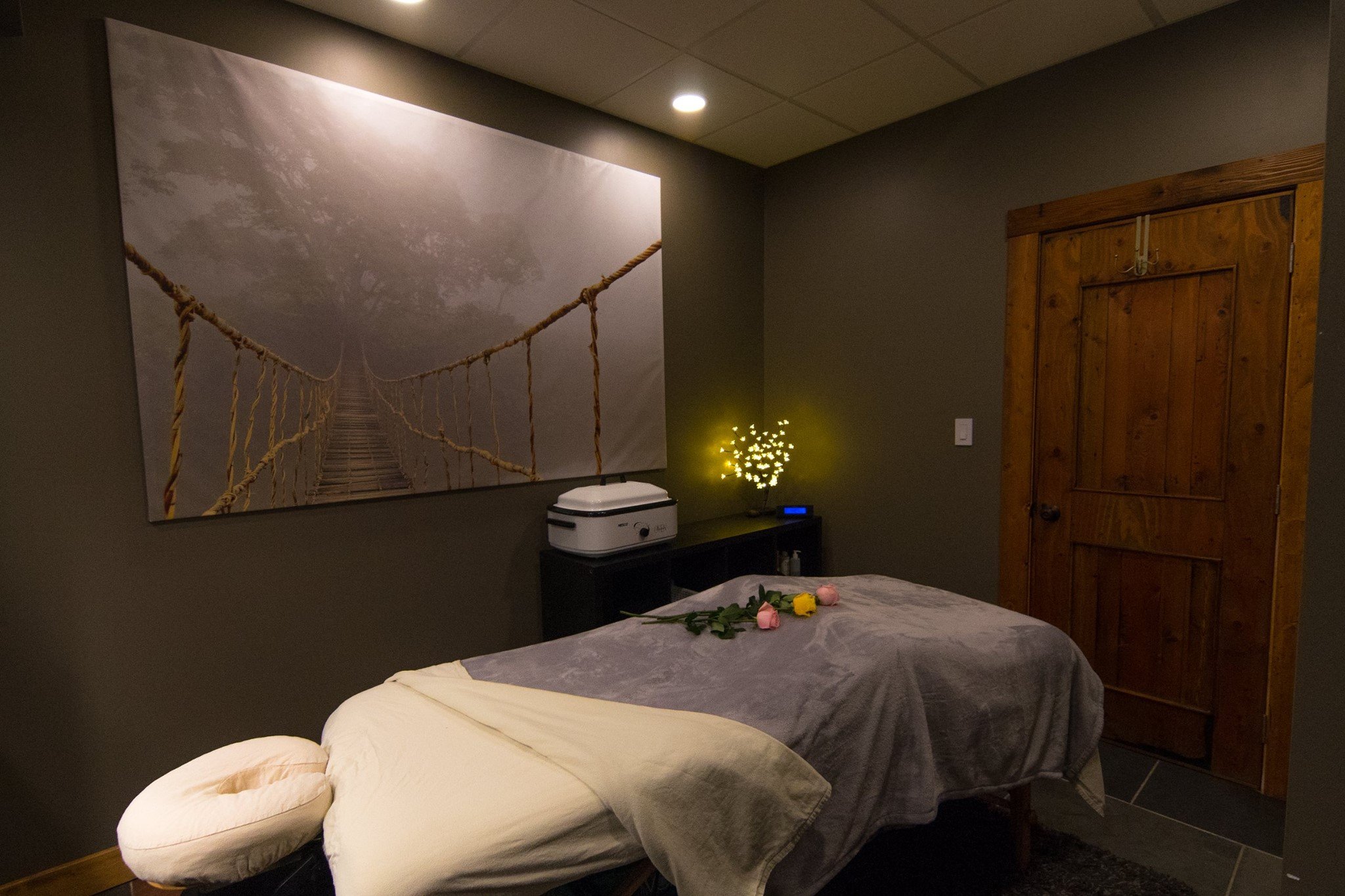
Your first visit starts with an intake conversation, usually 15 to 20 minutes, covering your stress triggers, sleep patterns, digestion, and any medications. A TCM-trained practitioner may also check your pulse and look at your tongue, which sounds strange the first time but is a standard diagnostic tool in that tradition. After the intake, you lie down, fully clothed except for the treatment area, usually forearms, lower legs, and sometimes your abdomen or scalp exposed. The practitioner inserts anywhere from 6 to 20 needles, then leaves you to rest for 20 to 30 minutes, often with the lights dimmed and quiet music playing. Needle removal takes under five minutes. Most people leave feeling groggy in a good way, similar to how you feel after a nap.
How It Actually Feels: Needles, Sensations, and Aftereffects
The needles used are roughly the width of a human hair, nothing like the needle at a blood draw. Most people feel a brief pinch on insertion, then a dull ache, tingling, or heaviness around the point, which practitioners call de qi and consider a sign the treatment is working. It is not typically painful. Some people fall asleep during the resting period. Afterward, expect mild fatigue or lightheadedness for an hour or two, occasional small bruising at needle sites, and for many people, a noticeably calmer state through the rest of the day. Book your first session somewhere you do not need to rush back into a stressful meeting immediately after.
How To Manage Work Stress covers this in more detail.
How Much Acupuncture Costs in Edmonton

Pricing varies more than people expect, largely based on clinic type and location. Here is a realistic breakdown.
| Clinic Type | Initial Visit | Follow-Up Session | Typical Session Length |
|---|---|---|---|
| TCM clinic (Chinatown, 97 Street, Mill Woods) | $70-$100 | $55-$75 | 45-60 min |
| Wellness spa or multidisciplinary clinic (Oliver, Windermere, 124 Street) | $110-$150 | $85-$120 | 60-75 min |
| Physiotherapy clinic offering medical acupuncture (Downtown, Whyte Ave) | Often bundled into a $90-$130 physio visit | $60-$95 add-on | 15-30 min add-on |
| Community acupuncture (shared treatment room, lower overhead) | $40-$60 | $35-$55 | 45-60 min |
Average Session Pricing by Clinic Type
Community acupuncture clinics, where several clients are treated in the same room in recliner chairs, are the budget option and still deliver solid results for stress. Standalone TCM clinics sit in the middle. Spa-style wellness clinics in Oliver and Windermere charge the most, but the visit usually includes a longer consultation and a quieter, more private room.
Insurance Coverage and Direct Billing
Most Alberta extended health plans cover acupuncture when performed by a registered acupuncturist, typically $500 to $1,000 per year depending on your employer’s plan. Physiotherapy-delivered acupuncture usually falls under your physiotherapy benefit instead. Many Edmonton clinics now direct bill major insurers like Alberta Blue Cross, Canada Life, and Sun Life, so you only pay the difference at the counter. Alberta’s public health system does not cover acupuncture outside of a few hospital-based pain programs, so check with Alberta Health Services if you are trying to access acupuncture through a chronic pain referral rather than paying privately.
Package Deals and Membership Options
Because stress relief usually requires multiple sessions, most clinics offer package pricing. A common structure is buy five sessions, get one free, or a flat 10 percent discount on a block of six. A few Edmonton wellness spas also bundle acupuncture into monthly membership packages alongside massage and infrared sauna, which can work out cheaper if you are already building a weekly recovery routine with Edmonton spas.
Finding the Right Acupuncturist for Stress Relief
Not every acupuncturist treats stress the same way. Someone who specializes in sports injuries may be excellent for a sore hamstring but less experienced with anxiety and insomnia protocols.
Credentials to Look For
In Alberta, registered acupuncturists are regulated and must complete an accredited training program, usually 2,000 to 3,000 hours of coursework and clinical practice. Look for the designation R.Ac after a practitioner’s name. Physicians and physiotherapists offering medical acupuncture typically hold a shorter certification, often 100 to 200 hours, layered on top of their primary license. Both can be effective for stress. If you have a specific condition like fibromyalgia or a diagnosed anxiety disorder, ask directly how many stress-related cases the practitioner treats in a typical month.
Edmonton Neighborhoods With Strong Acupuncture Options
Old Strathcona and Whyte Avenue have the highest concentration of TCM clinics in the city, many within walking distance of the Strathcona Farmers’ Market, so you can treat a Saturday morning like a full reset. Oliver and Jasper Avenue clinics skew toward the spa-style experience with more private rooms. 124 Street has a handful of boutique wellness studios that pair acupuncture with facial or cupping add-ons. Windermere and Sherwood Park serve the west and east suburbs well if you are avoiding downtown traffic and parking meters. For a full breakdown by area, see our guide to the best acupuncture clinics in Edmonton by neighborhood.
Questions for Your First Call
- How many stress or anxiety-focused clients do you see monthly.
- What does a typical treatment plan length look like for stress relief.
- Do you use ear points, scalp points, or a full-body approach.
- What is your cancellation policy in winter, given how often Edmonton sees storm closures.
- Is transit access nearby, if you are not driving.
How Many Sessions You Need and What Results to Expect

This is the question almost everyone asks before booking, and the honest answer is it depends on how chronic your stress has become.
The Typical Treatment Timeline for Stress
Most Edmonton practitioners recommend a starting block of six to eight weekly sessions, then reassessing. Some people notice calmer sleep and less muscle tension after two or three visits. Others need the full block before they notice a consistent shift. After the initial series, many clients move to biweekly or monthly maintenance sessions, especially through the darker winter months when stress and seasonal low mood tend to compound.
What the Research Says About Acupuncture and Cortisol
A body of peer-reviewed research has looked at acupuncture’s effect on the hypothalamic-pituitary-adrenal axis, the system that regulates cortisol. A review indexed on PubMed found that acupuncture treatment was associated with measurable reductions in cortisol and improvements in heart rate variability across several controlled trials, both markers linked to lower physiological stress. The effect sizes are moderate, not dramatic, and results vary by study design. That lines up with what most acupuncturists tell clients directly: this works best as one part of a stress management plan, not a standalone fix.
Combining Acupuncture With Other Recovery Practices
Clients who get the most out of acupuncture usually are not relying on it alone. Pairing a biweekly acupuncture session with massage, stretching, or physiotherapy tends to compound the effect, especially if your stress shows up as physical tension in the neck and shoulders. Our guide to recovery options in Edmonton covering massage, physio, and stretching is a good next stop if acupuncture alone is not fully addressing tight muscles. Sleep habits, exercise, and how you handle workplace pressure matter just as much. If work is the main driver of your stress, our piece on how to manage work stress covers practical changes that pair well with a treatment plan like this.
Acupuncture Through Edmonton’s Seasons
Stress in this city is not constant. It has a calendar, and a smart acupuncture routine adjusts to it.
Winter Stress and Short Daylight Hours
By late December, Edmonton gets under eight hours of daylight, and the cold keeps a lot of people indoors and sedentary. Many clinics report their busiest acupuncture bookings run January through March, when clients are managing seasonal low mood on top of regular work stress. If you already deal with seasonal affective symptoms, ask your practitioner about scalp and ear points specifically studied for mood regulation, and consider stacking sessions with light therapy or an indoor fitness routine rather than treating acupuncture as the only intervention.
Smoke Season and Summer Stress Patterns
Wildfire smoke has become a predictable part of Edmonton summers, some years pushing air quality warnings through July and August. Smoke season adds a strange kind of stress, cancelled patio plans, headaches, and a general sense of being cooped up during what should be the best weeks of the year. Indoor acupuncture sessions are one of the few wellness activities entirely unaffected by outdoor air quality, which makes them a solid fallback when smoke closes off River Valley trails and Folk Fest-adjacent outdoor plans.
Spring and Fall Transitions
Spring in Edmonton brings its own stress trigger: allergy season layering on top of the general anxiety of daylight saving and re-adjusting to more activity outdoors. If pollen and congestion are adding to your stress load, our spring allergies wellness guide for seasonal relief covers how to manage that overlap. Fall is when a lot of clinics see a fresh wave of new clients starting acupuncture as part of a broader reset, alongside massage and sauna bookings, as the city settles back into routine after summer.
Is Acupuncture Right for You

Acupuncture for stress relief works well for a specific kind of person, and it is worth being honest about who benefits most before you spend the money.
Who Benefits Most From Acupuncture for Stress
People with tension headaches, jaw clenching, insomnia tied to racing thoughts, or general muscle tightness from chronic stress tend to respond well. It also suits people who want a screen-free, phone-free 45 minutes built into their week, since most clinics require you to put your phone away during treatment. If you are someone who finds meditation hard to sit still for, the physical sensation of acupuncture can be an easier entry point into the same nervous-system-calming outcome.
When to See a Doctor Instead, or First
Acupuncture is not a substitute for treating a diagnosed anxiety disorder, depression, or a medical condition causing stress-like symptoms, such as thyroid dysfunction. If your stress comes with chest pain, panic attacks, or symptoms that interfere with daily functioning, talk to a physician first. Acupuncturists in Edmonton generally will ask about this during intake and refer out when something falls outside their scope, which is a good sign you are working with a practitioner who takes safety seriously. For general guidance on when stress symptoms warrant medical attention, Health Canada’s resource on stress and health is a solid starting point.
Sources & References
Find Trusted Wellness Spots in Edmonton
Browse our independent guide to Edmonton’s spas, fitness studios, and wellness services. Local. Honest. Free.
Related Reading
Related Reading
Related Reading
Related Reading
Related Reading
Frequently Asked Questions
Does acupuncture for stress relief actually hurt?
Most people feel a brief pinch on insertion and then a dull, heavy, or tingling sensation, not sharp pain. The needles are hair-thin, far smaller than a needle used for blood draws, and most clients find the 20 to 30 minute resting period genuinely relaxing rather than uncomfortable.
How many sessions of acupuncture do I need to notice a difference in stress levels?
Most Edmonton practitioners recommend starting with six to eight weekly sessions before reassessing. Some people notice calmer sleep after two or three visits, but a full initial block gives the clearest sense of whether it is working for you.
Is acupuncture for stress relief covered by insurance in Edmonton?
Most extended health plans in Alberta cover acupuncture performed by a registered acupuncturist, often up to $500 to $1,000 a year. Many clinics along Whyte Avenue, Oliver, and 124 Street direct bill insurers like Alberta Blue Cross and Canada Life, so check with your clinic before your first visit.
What should I wear to an acupuncture appointment?
Wear loose, comfortable clothing that allows easy access to your forearms and lower legs, since those are common treatment areas. Leggings or shorts under looser pants work well if the clinic uses points on your calves or knees.
Can acupuncture help with winter-related stress and low mood in Edmonton?
Many Edmonton clinics see their busiest bookings from January through March, when short daylight hours and cold weather compound regular stress. Acupuncture can help, especially paired with light therapy or regular movement, but it works best as one part of a broader winter wellness routine rather than a standalone fix.
How is acupuncture for stress relief different from acupuncture for pain?
The needling technique is similar, but point selection differs. Stress-focused treatment often emphasizes ear, scalp, and wrist points linked to nervous system regulation, while pain treatment targets the specific injured or tense muscle group. Tell your practitioner up front that stress is your main goal so they can adjust the point map accordingly.