Nobody expects to get dehydrated at -25°C. But learning how to prevent dehydration while exercising in Edmonton winter is one of the most overlooked skills for anyone who runs the river valley, skis Gold Bar, or lifts at a rec centre. Cold air is bone dry, heated buildings are drier, and thick layers hide how much you sweat. This guide is for Edmontonians who train three or more times a week from November to March. Build the full system in about 30 minutes of setup, then tweak it over two weeks of normal workouts.
Last reviewed:
- Tools needed: a bathroom scale, an insulated bottle (or a bottle you can keep inside your jacket), electrolyte tablets or powder, a small notebook or phone notes app, a thermos for warm drinks
- Time: 30 minutes setup, plus two weeks of tracking
- Difficulty: Beginner
Step 1: Understand Why Winter Dries You Out
Start with the why, because it changes how you behave. Most people drink less in winter because they do not feel hot, and they do not see sweat. Both habits quietly set up a fluid deficit.
Dry Air Pulls Water From Your Lungs
You warm and humidify every breath you take. In Edmonton’s January air, that air holds almost no moisture, so your body adds the water itself. Breathe hard during a run and you lose a surprising amount through exhaled vapour. That white cloud in front of your face is your hydration leaving.
How To Prevent Seasonal Wellness Routine Breakdowns In Edmonton covers this in more detail.
Indoor air does the same thing. Furnace-heated homes and gym buildings often sit at low humidity through the heating season. You arrive at the workout already a little behind.
Layers Hide Sweat and Blunt Thirst
Base layer, mid layer, shell. Your sweat wicks and evaporates before you ever notice it. You finish a 60-minute run feeling dry, but you may have lost a litre or more. Thirst also drops in the cold. The body tends to prompt you less to drink when it is cold, even when you need fluid. Studies on this are widely summarized by clinical sources, and Mayo Clinic’s dehydration overview lists cold weather and high altitude as conditions that raise the risk.
Edmonton Spring Allergies Wellness Guide For Seasonal Relief covers this in more detail.
Watch out: Do not use thirst as your only signal. By the time your mouth feels dry, you are already behind. In winter, plan your drinking instead of waiting for a cue.
How To Prevent Running Injuries Edmonton Climate covers this in more detail.
Step 2: Measure Your Personal Sweat Rate
Generic advice like “drink eight cups” does not help a 90 kg hockey player and a 55 kg yoga teacher the same way. A sweat test gives you your own number. It takes two workouts to do properly.
Best Sauna Practices For Winter Wellness Edmonton covers this in more detail.
Run the Weigh-In Test
Pick a normal workout. Use the same intensity you train at most weeks.
- Pee first. Then weigh yourself in minimal clothing, as close to the start as possible.
- Note exactly how much you drink during the session, in millilitres.
- Train for 45 to 60 minutes at your usual pace.
- Towel off. Strip the wet layers. Weigh yourself again.
- Subtract the end weight from the start weight. Add the fluid you drank.
The rule of thumb is that 1 kg of weight lost equals roughly 1 litre of fluid lost. If you dropped 0.6 kg and drank 250 mL, your sweat loss was about 850 mL for that hour.
Test Indoors and Outdoors
Do the test twice. Once on a mild day around -5°C and once on a hard cold day. Many people find the outdoor result surprising. Heavy layering raises sweat output even when the air feels brutal. Test a treadmill session at a rec centre too. Facilities like Kinsmen Sports Centre (about $7 to $9 for a drop-in swim or skate, roughly $10 to $14 for a fitness drop-in at many City of Edmonton centres, check current rates at edmonton.ca) run warm, and your indoor sweat rate can be double your outdoor rate.
Write down all three numbers. These become your fluid targets in Step 4.
Watch out: If you lose more than about 2 percent of your body weight in a session, you are cutting performance. Mayo Clinic’s guidance on daily water intake also notes that exercise and hot or humid conditions increase the amount you need, so treat your test results as a floor, not a ceiling.
Step 3: Build a Cold-Proof Hydration Kit
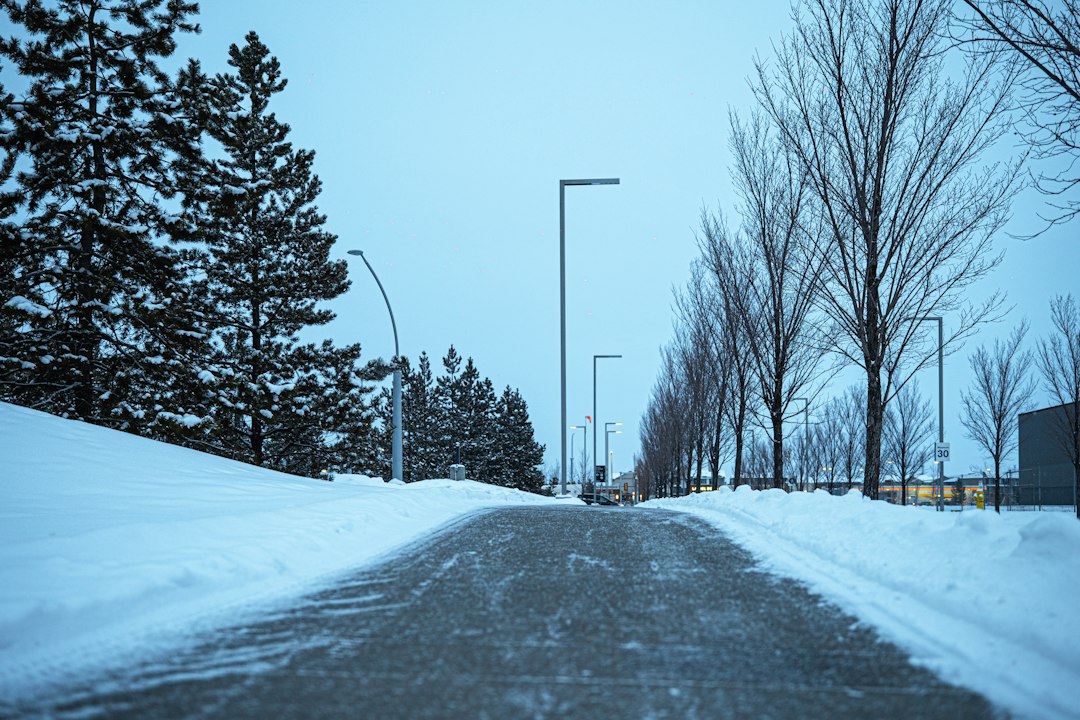
The most common failure in Edmonton is mechanical. The bottle freezes. The tube freezes. You stop drinking because drinking is annoying. Fix the gear and the habit follows.
Keep Water Liquid at -20°C
A standard plastic bottle in a hand or on a belt will start forming ice in 20 to 30 minutes when it is -20°C. Try these fixes:
- Fill with warm water. Start at about 40°C, not boiling. It buys you an extra 30 to 60 minutes.
- Use an insulated bottle. A double-wall steel bottle outperforms plastic by a wide margin.
- Carry it inside your jacket. Your core heat keeps it from freezing. A bottle sling under the outer layer works well.
- Flip it upside down. Water freezes from the top. An inverted bottle keeps the drinking spout clear.
- Skip hydration bladder tubes unless you blow the line clear after each sip and run the tube under your jacket.
Local outfitters in Old Strathcona and along 104 Street carry insulated bottles and bottle sleeves. Expect about $25 to $50 for a good insulated bottle. A neoprene sleeve runs about $15 to $25.
Use Warm Drinks in a Thermos
Warm fluid is easier to drink in the cold, and it counts. Pack a small thermos with diluted herbal tea, warm water with lemon, or a mild electrolyte mix. Leave it in the car, the rec centre locker, or the trailhead bag. Take sips at the start and after your workout. For a long outing at Hawrelak Park or the Kinnaird Ravine trails, a warm thermos at the parking lot is the best reward for finishing.
Watch out: Do not dump boiling water into a plastic bottle. Some plastics warp. Some leach. Use a bottle rated for hot liquids.
Step 4: Set Your Fluid Targets Before, During, and After
Now use your sweat-rate numbers. Break fluid into three phases. This is easier than a single daily goal.
Before: Start Hydrated
Begin hydrating well before you lace up. A common sports-nutrition approach is to drink roughly 5 to 7 mL per kg of body weight in the four hours before exercise. For a 70 kg person, that is about 350 to 490 mL, or one large glass about two hours before and another small glass 20 minutes before.
- Check urine colour. Pale straw means you are in range. Dark yellow means drink more.
- Skip a second coffee right before a hard session if you notice you run to the bathroom mid-workout.
- Take a few sips in the car or on the LRT ride over instead of one large gulp at the door.
During: Match the Loss
Aim to replace roughly 50 to 80 percent of what you sweat, not 100 percent. Over-drinking has risks of its own. If your sweat test showed 850 mL per hour, target about 450 to 650 mL per hour. That works out to a few sips every 10 to 15 minutes.
- Under 45 minutes at easy pace: water is enough.
- Over 60 minutes or very sweaty: add sodium through an electrolyte tablet or drink mix.
- Set a watch timer every 15 minutes if you tend to forget.
After: Finish the Job
Weigh yourself post-workout and drink about 1.25 to 1.5 times the weight you lost over the next few hours. Lost 0.8 kg? Drink about 1 to 1.2 litres, spread out, with a salty snack. Soup works well in an Edmonton winter. A bowl of miso or chicken noodle after a Saturday skate on the Victoria Park oval does two jobs at once.
Here is a quick reference table you can screenshot and keep on your phone.
| Situation | Before | During (per hour) | After |
|---|---|---|---|
| Easy walk or skate, 30 to 45 min | 250 to 350 mL | Sips as needed, 200 to 300 mL | Normal meal and glass of water |
| Run or ski, 60 min, outdoors | 350 to 500 mL | 400 to 600 mL, add electrolytes | 1 to 1.5 L over 3 hours |
| Hot yoga or indoor cycling | 400 to 500 mL | 500 to 800 mL with sodium | 1 to 1.5 L plus salty snack |
| Long ski or snowshoe, 2+ hours | 500 mL | 500 to 700 mL warm, plus food | 1.5 L plus a full meal |
Step 5: Add Electrolytes and Food That Hold Water
Plain water works for short, easy sessions. For anything longer or sweatier, water alone can leave you flat. Sodium is the main electrolyte you lose in sweat, and it helps your body hold onto the fluid you drink.
Choose the Right Electrolyte Format
Winter makes powders and tablets more practical than ready-made sports drinks, which can freeze or turn slushy.
- Effervescent tablets: easy to carry, about $8 to $15 for a tube of 10 to 20.
- Powder sticks: pour into a warm bottle and mix. About $1.50 to $3 each.
- Homemade: a pinch of salt, a squeeze of orange, and a teaspoon of honey in 500 mL of warm water.
Avoid piling on sugar. Look for about 300 to 600 mg of sodium per litre for a typical session and adjust to your taste. Salty sweaters, the ones who see white crust on dark clothes, may need more. If you have high blood pressure or a kidney condition, ask your doctor before adding sodium. Health information from Alberta Health Services is a good place to start when you want local guidance.
Eat Your Water
About a fifth of daily fluid typically comes from food. Winter produce still counts. Oranges, clementines, cucumbers, soups, stews, and yogurt all help. Farmers’ markets like the Old Strathcona Farmers’ Market on Saturday mornings (usually open through winter, check hours before heading out) are an easy way to stock up. Pair your post-workout meal with a salty, fluid-rich food such as a bowl of lentil soup.
Skip alcohol the night before a hard morning session. It increases fluid loss, and a holiday party or Oilers game with a few beers can leave you short before you start.
Step 6: Watch for Warning Signs and Adjust Your Routine
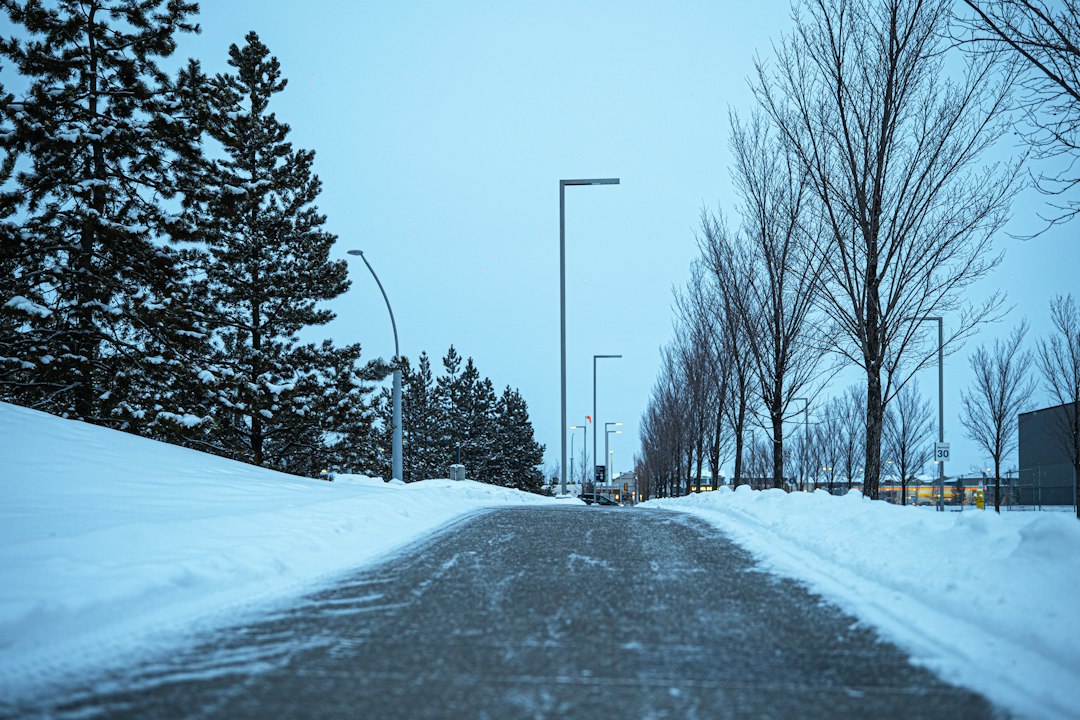
Even with a plan, check in with your body. The goal is to catch problems early, long before they turn into headaches or cramps.
Know the Early Signals
Dehydration shows up in plain ways:
- Dark yellow urine or very little of it
- Dry mouth, chapped lips, or cracked skin on the hands
- Headache that arrives mid-run or a few hours later
- Heart rate that runs 5 to 10 beats higher than normal at the same pace
- Muscle cramps, fatigue, or dizziness
Mayo Clinic lists these symptoms and when to see a doctor on its dehydration symptoms page. If you feel confused, faint, or stop sweating altogether, stop and get help. Do not try to tough it out.
Cold also masks other risks. Hypothermia and frostbite can sit right next to dehydration, so check your fingers, toes, and cheeks as well.
Adjust for Your Routine
Your hydration plan changes with the season and the workout. A few examples:
- Heated indoor classes: Hot yoga studios on Whyte Avenue and 124 Street run at 35°C or higher. Bring at least a litre and add electrolytes for 75-minute classes. Drop-in classes typically run $20 to $30.
- After a sauna: Saunas add fluid loss on top of your workout. Drink 500 mL before you go in and rehydrate after. Our guide to best sauna practices for winter wellness in Edmonton covers time limits and cooldowns.
- Running: If you log winter miles, pair this plan with the advice in how to prevent running injuries in the Edmonton climate. Fatigue from low fluid raises your injury risk.
- Low mood season: Dehydration can worsen fatigue and brain fog. If winter lows already weigh on you, read how to prevent seasonal affective disorder in an Edmonton winter and keep hydration on the daily checklist.
Step 7: Lock In the Habit for the Whole Season
A good plan fails when winter gets in the way. The final step is making hydration automatic when it is dark by 4:30 pm and the car takes ten minutes to warm up.
Anchor Hydration to Existing Habits
Pair drinking with things you already do. Fill your bottle the same moment you pack your gym bag. Drink a glass of water while the car warms up. Finish a mug of warm water with lemon after you take off your boots. Link one sip to every stoplight on the way home. Small anchors beat big goals.
- Leave a labelled bottle by the front door so it is the first thing you grab.
- Keep a spare electrolyte tablet in your coat pocket and the glove box.
- Use a recurring phone reminder at 2 pm and 6 pm.
Plan for Bad-Weather and Smoke-Free Days Alike
Some days the cold is just too much. Use the same hydration plan indoors at West Edmonton Mall’s walking loop, the University of Alberta’s Saville Community Sports Centre, or a local gym. Pre-load your bag the night before so a -32°C morning does not derail your routine. If your whole seasonal approach keeps falling apart in January, how to prevent seasonal wellness routine breakdowns in Edmonton shows how to keep it together.
Parking is easy at most suburban rec centres, and many offer free or low-cost lots. Downtown and Whyte Avenue meters add up, so take the LRT or a bus where you can and carry your bottle in your bag. Check City of Edmonton pages for facility hours and fees, since holiday hours change in December.
Revisit your sweat test in January and again in March. As spring arrives and the thaw brings pollen, your needs shift again. Plan ahead using the Edmonton spring allergies wellness guide for seasonal relief, since allergy medications can also dry you out.
Common Mistakes to Avoid
- Waiting for thirst. Cold dulls the signal. Drink on a schedule.
- Letting the bottle freeze. Use warm water, insulation, and an inside-the-jacket pocket.
- Drinking only water on long sessions. Add sodium once you pass 60 minutes or sweat heavily.
- Overdrinking. Chugging litres at once can dilute sodium. Replace 50 to 80 percent of your loss, not more.
- Skipping the pre-workout drink. Starting dry makes everything harder.
- Forgetting heat sources. Saunas, hot yoga, and overheated gyms all add fluid loss on top of the workout.
What’s Next
This week, run the sweat test once outdoors and once indoors. Buy an insulated bottle if you do not have one. Then pick one anchor habit and stick with it for 14 days. For more local guides on staying active all year, browse the Edmonton Wellness Guide home page, and check back as the first real cold snap arrives.
Related Articles
- How to Stay Active During Edmonton’s Winter Smoke Season: Indoor Fitness Options That Work
- Best Indoor Wellness Activities When Edmonton Air Quality Drops: Your Complete Guide
- Why Does Edmonton Summer Daylight Affect Sleep Schedules: Understanding Our 17-Hour Days
Sources & References
Find Trusted Wellness Spots in Edmonton
Browse our independent guide to Edmonton’s spas, fitness studios, and wellness services. Local. Honest. Free.
Frequently Asked Questions
Do I really need to drink more in winter than in summer?
You may need about the same amount, but you will drink less on instinct. Cold suppresses thirst, and layers hide sweat. Use a schedule, such as a few sips every 10 to 15 minutes, and carry an insulated bottle so the water stays drinkable.
How do I keep my water from freezing on a river valley run?
Start with warm water around 40°C, use a double-wall insulated bottle, and carry it inside your jacket against your core. Store it upside down so ice forms away from the spout. Skip long bladder tubes unless you blow the line clear after each sip.
Are electrolyte drinks necessary for winter workouts?
Not for short, easy sessions under 45 minutes. For runs, skis, or classes over an hour, or when you notice salt crust on your clothes, add 300 to 600 mg of sodium per litre. Tablets and powders travel better than ready-made drinks in cold temperatures.
Is it safe to drink warm tea or coffee for hydration?
Yes, in moderate amounts. Warm herbal tea is a good option before and after a cold workout, and moderate coffee still counts toward fluid intake for most people. Limit caffeine if it makes you jittery or sends you to the bathroom mid-session.
When should I see a doctor about dehydration?
See a doctor if you feel confused, faint, or very dizzy, stop sweating, or cannot keep fluids down. In Edmonton, call 811 for Health Link advice or 911 in an emergency. Persistent dark urine, headaches, or cramps that do not improve with rest and fluids are also worth a check-in.