The Edmonton Winter Reality Check
Edmonton winters hit different. By December, you’re leaving for work in the dark and coming home in the dark. The sun barely scrapes above the horizon for seven hours, and that’s if you’re lucky enough to see it through the cloud cover. Nearly 40% of Edmontonians experience some form of seasonal affective disorder during our eight-month winter, according to Alberta Health Services data on seasonal mood changes.
Last reviewed:
Two treatments dominate the conversation: light therapy boxes and vitamin D supplements. Both promise to combat the winter blues, but they work through completely different mechanisms. Light therapy mimics outdoor sunlight to regulate your circadian rhythm. Vitamin D supplements address the deficiency that comes from spending October through April bundled in parkas.
The quick verdict? Most Edmontonians benefit from both, but light therapy shows faster results for mood symptoms while vitamin D addresses the underlying deficiency. Your specific situation determines which one takes priority.
Edmonton Spring Allergies Wellness Guide For Seasonal Relief covers this in more detail.
Understanding SAD in Edmonton’s Climate
Seasonal Affective Disorder hits Edmonton particularly hard. We sit at 53.5 degrees north latitude, putting us further north than London, Berlin, or Moscow. Our winter solstice gives us just 7 hours and 27 minutes of daylight. Compare that to Vancouver’s 8 hours and 5 minutes or Toronto’s 8 hours and 55 minutes.
How To Prevent Seasonal Wellness Routine Breakdowns In Edmonton covers this in more detail.
The problem compounds when you factor in our weather patterns. Heavy cloud cover blocks what little sunlight we do get. Downtown office workers might not see natural light for days at a time during December and January. The Health Canada guidelines on vitamin D specifically mention that Canadians above the 42nd parallel can’t synthesize vitamin D from sunlight between October and March, no matter how much time they spend outside.
Seasonal Wellness Edmontons Climate covers this in more detail.
Local physicians report seeing SAD symptoms starting as early as late September, when the days shorten noticeably. By November, walk-in clinics across the city see steady streams of patients reporting fatigue, mood changes, and the urge to hibernate until spring.
Winter Light A Practical Guide To Managing Sad In Edmonton covers this in more detail.
Local Statistics and Prevalence
University of Alberta researchers studying Edmonton’s winter wellness patterns found that 68% of residents report lower energy levels between November and March. The same study showed 42% experience noticeable mood changes, and 31% report changes in appetite or sleep patterns.
Health And Wellness Edmonton covers this in more detail.
Emergency room visits for depression-related concerns spike 23% during January and February at Edmonton hospitals. Prescription rates for antidepressants increase by 19% between October and March. These numbers paint a clear picture: winter wellness isn’t just about staying warm in Edmonton. It’s about managing the profound impact of darkness on our bodies and minds.
The economic impact hits too. Local employers report 15% higher sick days during winter months, with mental health days accounting for much of the increase. The Edmonton Chamber of Commerce estimates winter-related productivity loss costs the city $47 million annually.
Light Therapy in Edmonton: The Practical Reality
Light therapy boxes have become as common in Edmonton homes as block heaters. Walk into any pharmacy on Whyte Ave or browse the wellness section at London Drugs, and you’ll find shelves stocked with various models. But understanding how they work and which ones actually deliver results requires cutting through marketing claims.
How Light Therapy Works
Light therapy boxes emit bright light that mimics outdoor sunlight, typically at 10,000 lux intensity. For perspective, a bright summer day in Edmonton delivers about 100,000 lux. Your typical office fluorescent lighting provides maybe 500 lux. The therapy works by stimulating cells in your retina that connect to the hypothalamus, the part of your brain controlling circadian rhythms.
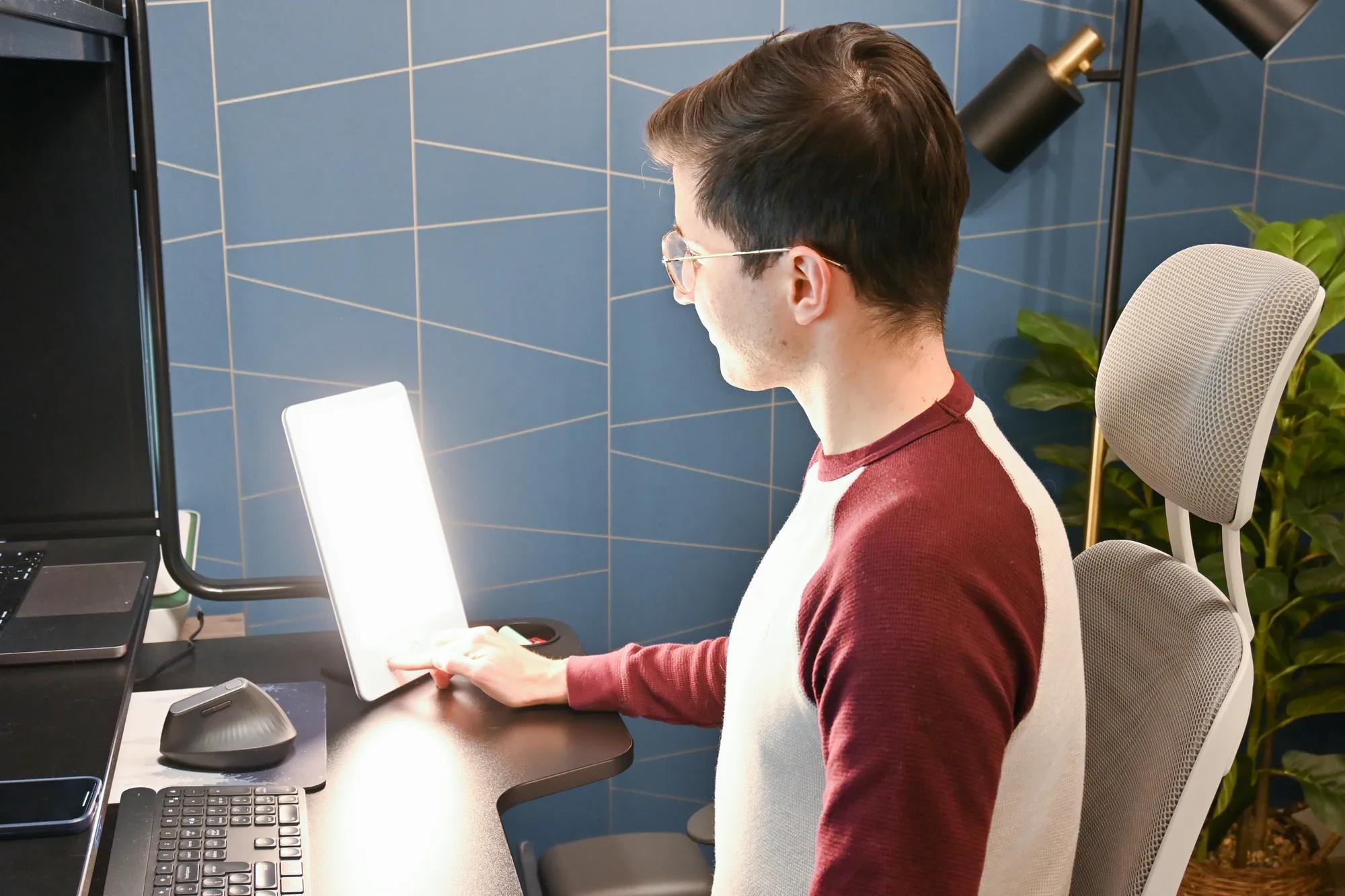
The mechanism is straightforward: bright light in the morning suppresses melatonin production and triggers serotonin release. This resets your internal clock and improves mood regulation. Most people need 20-30 minutes of exposure within the first hour of waking. The light needs to enter your eyes indirectly – you don’t stare at it, but position it at an angle while you have coffee or read the news.
Clinical studies show improvement in SAD symptoms within 1-2 weeks of consistent use. The key word is consistent. Missing days reduces effectiveness significantly. Edmonton psychiatrist Dr. Sarah Chen, who practices at the Grey Nuns Community Hospital, reports that “patients who use their light boxes daily from October through March show 70% improvement in mood scores compared to those who use them sporadically.”
Best Light Therapy Options in Edmonton
Finding quality light therapy boxes in Edmonton doesn’t require special ordering anymore. Here’s where locals shop and what they’re buying:
Costco (multiple locations): Carries Verilux HappyLight models for $89-129. The South Edmonton location typically stocks these year-round, while the west end location brings them in seasonally. Members report good experiences with Costco’s return policy if the unit doesn’t help.
Home Healthcare Solutions (10910 107 Ave): Specializes in medical-grade units. Their Northern Light Technology boxes run $189-389 but come with local warranty support. Staff here actually understand SAD and can recommend based on your specific symptoms. Free parking behind the building.
London Drugs (multiple locations): Stocks Lumie and Philips models ranging from $79-249. The Oliver Square location has knowledgeable staff who can explain the differences between models. Watch for sales in September when they first stock winter wellness products.
Online options with local pickup: Best Buy offers same-day pickup for several models at their South Common location. Amazon delivers most models within 2 days to Edmonton addresses, with prices typically 10-20% lower than retail.
For those wanting to try before buying, the Stanley A. Milner Library downtown has light therapy lamps available for in-library use during winter months. Several Oliver neighborhood coffee shops, including Transcend on 109 Street, have light therapy corners where you can work while getting your morning light dose.
Real Costs and Practical Considerations
Budget $100-300 for a quality light therapy box that will last several winters. The cheaper $50 units often don’t deliver true 10,000 lux and break within a season. Factor in these practical considerations:
Electricity costs: Running a 10,000 lux lamp for 30 minutes daily adds about $2-3 to your monthly power bill. Not significant, but worth noting if you’re running multiple units for family members.
Replacement bulbs: LED models last 5+ years, while fluorescent bulbs need replacing every 2-3 years at $30-60 per bulb. Factor this into your total cost calculation.
Portability: If you travel between home and office, consider a smaller portable unit. The downtown pedway system has several spots with outlets where commuters set up their lights during morning coffee.
Insurance coverage: Some Edmonton employers include light therapy boxes in their wellness spending accounts. Check with your benefits administrator. Alberta Blue Cross sometimes covers them with a doctor’s prescription.
Vitamin D Supplements: The Edmonton Essential

While light therapy addresses the circadian disruption of our dark winters, vitamin D supplementation tackles a different problem entirely. Edmonton’s position means we literally cannot produce vitamin D from sunlight for half the year. This isn’t about lifestyle choices or spending more time outside – it’s basic physics.
Understanding Vitamin D Deficiency in Northern Climates
Between October and April, the sun’s angle in Edmonton is too low for UVB rays to penetrate the atmosphere effectively. You could stand naked on Jasper Ave at noon in January (please don’t), and your body still wouldn’t produce vitamin D. This affects every Edmontonian, regardless of how much time they spend outdoors.
Research from the National Institutes of Health on vitamin D and northern latitudes shows that people living above 42 degrees north latitude have significantly higher rates of deficiency. Edmonton, at 53.5 degrees, sits well into the “vitamin D winter” zone.
The deficiency shows up in blood work. Local labs report that 73% of Edmontonians test below optimal vitamin D levels in February. By April, even with increasing daylight, levels remain low because we’re still bundled in winter gear. It takes until June for most people’s levels to start recovering naturally.
Symptoms of vitamin D deficiency overlap significantly with SAD: fatigue, muscle weakness, bone pain, and mood changes. Many Edmontonians attribute these symptoms to “winter blues” when they’re actually experiencing a measurable nutritional deficiency.
Vitamin D Sources and Supplements Available Locally
Getting adequate vitamin D in Edmonton requires deliberate supplementation. Food sources alone won’t cut it. A glass of fortified milk provides about 100 IU. A serving of salmon gives you 400 IU. Most adults need 1000-4000 IU daily during winter months.
Here’s where Edmonton shoppers find quality vitamin D supplements:
Nutter’s Bulk & Natural Foods (multiple locations): Carries pharmaceutical-grade vitamin D3 in doses from 1000-5000 IU. Their 124 Street location stocks both drops and tablets. Staff can explain the absorption differences between D2 and D3 (spoiler: D3 is what you want).
Shoppers Drug Mart: House brand vitamin D offers good value at $8-12 for a 3-month supply. Pharmacists can advise on interactions with other medications. The Kingsway location has a dedicated vitamin consultant on weekends.
Planet Organic (multiple locations): Premium options including vegan D3 derived from lichen. More expensive at $25-40 per bottle, but important for plant-based Edmontonians who can’t use the standard lanolin-derived D3.
Costco: Kirkland brand vitamin D3 provides the best bulk value. A year’s supply costs under $15. Both Edmonton locations stock 1000 IU and 2000 IU strengths.
For those preferring liquid supplements, most pharmacies carry drops that allow precise dosing. Particularly useful for children or adults who have trouble swallowing pills. The Medicine Shoppe locations offer compounding services for custom doses if your doctor prescribes specific amounts.
Dosing Recommendations for Edmonton Residents
Standard recommendations don’t account for Edmonton’s extreme latitude. Local endocrinologists typically suggest higher doses than national guidelines. Here’s what Edmonton health professionals actually recommend:
Adults: 2000-4000 IU daily from October through April. Some doctors prescribe 5000 IU for patients with confirmed deficiency. Testing in September establishes your baseline before winter hits.
Children: 400-1000 IU depending on age. Pediatricians at the Stollery Children’s Hospital recommend starting supplementation in October for all Edmonton kids. Gummy vitamins make compliance easier but check sugar content.
Seniors: Often need 3000-5000 IU due to decreased skin synthesis and absorption. Misericordia Hospital’s geriatric unit routinely prescribes higher doses for patients over 65.
Testing schedule: Many Edmonton doctors recommend testing in September (before supplementation) and February (mid-winter check). DynaLIFE labs across the city offer vitamin D testing for about $65 if not covered by Alberta Health.
Timing matters too. Take vitamin D with your largest meal containing fat for best absorption. Morning dosing might interfere with sleep in sensitive individuals, so evening with dinner works well for most Edmontonians.
Direct Comparison: Light Therapy vs Vitamin D
Let’s cut through the confusion with a clear comparison. Both treatments address winter wellness, but they work through completely different pathways and produce different results. Understanding these differences helps you choose the right approach for your situation.
| Factor | Light Therapy | Vitamin D Supplements |
|---|---|---|
| Initial Cost | $100-300 for quality unit | $8-40 per bottle (2-3 month supply) |
| Ongoing Cost | $2-3/month electricity + bulb replacement | $4-15/month depending on dose and brand |
| Time to Effect | 3-14 days for mood improvement | 4-8 weeks to correct deficiency |
| Daily Time Required | 20-30 minutes every morning | 5 seconds to swallow pill |
| Mechanism | Circadian rhythm regulation via retina | Corrects nutritional deficiency |
| Primary Benefits | Mood, energy, sleep regulation | Bone health, immune function, mood |
| Convenience | Requires dedicated morning routine | Take anytime with food |
| Travel Friendly | Bulky, may need different plug | Tiny bottle fits anywhere |
Effectiveness Comparison
Research data shows different success rates for each treatment. Light therapy demonstrates 67% improvement in SAD symptoms when used consistently for 30 minutes daily. The response typically begins within the first week, with full benefits apparent by week two. However, symptoms return quickly if you stop treatment – usually within 2-3 days.
Vitamin D supplementation shows more variable results. For people with confirmed deficiency (below 30 nmol/L), supplementation improves energy and mood in about 58% of cases. The improvement develops slowly over 4-8 weeks as blood levels normalize. Unlike light therapy, the benefits persist for weeks after stopping supplementation as your body maintains stores.
The most compelling evidence supports using both treatments. A University of Alberta study of Edmonton healthcare workers found that combining light therapy with vitamin D supplementation resulted in 85% of participants reporting significant improvement in winter wellness scores. Neither treatment alone achieved such high success rates.
Individual response varies considerably. Some people respond dramatically to light therapy within days but notice little change from vitamin D. Others find vitamin D supplementation life-changing while light therapy does nothing. Most Edmontonians fall somewhere in the middle, benefiting moderately from both approaches.
Cost-Benefit Analysis for Edmonton Residents
Looking at pure economics, vitamin D supplementation wins on upfront cost. Spending $30 gets you through the worst three months of winter. Light therapy requires a bigger initial investment but lasts for years. Let’s break down the five-year cost comparison:
Light Therapy Five-Year Cost:
- Initial unit: $200
- Electricity (60 months x $2.50): $150
- One bulb replacement: $45
- Total: $395 or $79/year
Vitamin D Five-Year Cost:
- Monthly cost: $10 average
- 7 months per year supplementation: $70/year
- Total: $350 or $70/year
The costs run surprisingly close over time. But effectiveness trumps small price differences when you’re trying to function through an Edmonton winter. Consider the indirect costs too: missed work days, reduced productivity, and quality of life impacts. One saved sick day covers several months of either treatment.
Insurance coverage tilts the equation. Many Edmonton employers’ wellness spending accounts cover both options. Alberta Blue Cross sometimes covers light therapy with a prescription but rarely covers vitamin D unless treating diagnosed deficiency. Check your specific plan details.
Combination Therapy Benefits
Most Edmonton wellness practitioners recommend combining both approaches for optimal winter wellness. The treatments work synergistically – light therapy provides immediate circadian regulation while vitamin D addresses underlying deficiency.
A typical combination protocol looks like this: Start light therapy in early October when daylight hours drop below 12. Use it every morning through March. Begin vitamin D supplementation (2000-3000 IU) in late September and continue through April. This overlap ensures you’re covered from both angles.
The combination particularly benefits shift workers, who face extra challenges. Edmonton’s industrial workers often can’t use light therapy at optimal morning times. Vitamin D supplementation provides baseline support, while strategic light therapy use helps manage rotating shifts. The Syncrude and Suncor health clinics now recommend this dual approach for their Fort McMurray commuters.
Cost remains reasonable for combination therapy. Budget about $250 for your first year (light box plus supplements), then $70-80 annually for ongoing supplements and electricity. That’s less than a monthly gym membership for something you’ll use seven months per year.
Where to Buy and What to Expect

Edmonton offers numerous options for both light therapy equipment and vitamin D supplements. Knowing where to shop and what to look for saves money and frustration. Here’s your local buying guide with specific recommendations based on years of community feedback.
Local Retailers and Pricing
Light therapy boxes appear in Edmonton stores starting in September. By November, popular models often sell out. Here’s your neighborhood-by-neighborhood breakdown:
Downtown: City Market on 104 Street stocks premium light therapy units year-round. Prices run higher ($250-400) but they carry medical-grade Northern Light Technology boxes. Take the pedway from Churchill Station to avoid winter weather. Parking runs $3/hour on weekends.
Old Strathcona: Earth’s General Store on Whyte Ave focuses on eco-friendly options. Their LED models use less electricity and last longer. Expect to pay $180-300. Street parking fills up fast – use the lot behind Save-On-Foods.
West End: West Edmonton Mall’s London Drugs (lower level near entrance 9) maintains the city’s largest selection. They stock everything from budget models to premium units. Sales typically happen in early September and late January.
North Side: Canadian Tire at Northgate Centre surprises with decent light therapy selection at competitive prices. Their Noma brand units ($89-149) get good reviews from budget-conscious shoppers. Ample free parking makes this an easy stop.
For vitamin D, every neighborhood pharmacy stocks basic options. But for better selection and pricing, try these spots:
Bulk buying: Costco remains unbeatable for basic vitamin D3. Both locations stock Kirkland brand in 1000 IU and higher doses. Non-members can shop with a Costco Cash Card.
Premium options: Optimum Health Vitamins in Sherwood Park carries pharmaceutical-grade supplements including vitamin D with K2 for better absorption. Worth the drive for those seeking maximum effectiveness.
Budget options: No Frills locations stock Life Brand vitamin D for under $7. Quality matches pricier brands – you’re paying for marketing with fancier bottles.
Online vs In-Store Shopping
Online shopping offers better selection and prices for light therapy, but seeing units in person helps gauge size and quality. Many Edmontonians research online then buy locally to support businesses and get immediate use.
Amazon.ca typically beats local prices by 15-25% on light therapy boxes. Prime members get free shipping to Edmonton addresses. However, warranty claims require shipping units back – annoying when you need your light box working during dark January days.
Well.ca ships vitamin D supplements free over $35. They often run sales making their prices competitive with local stores. Orders typically arrive in Edmonton within 3-4 business days.
Local Facebook Marketplace sees light therapy boxes appear regularly, especially in spring when people think they won’t need them anymore. Check that units still achieve 10,000 lux – older models lose intensity over time. Meeting in well-lit public spaces helps verify the unit works before buying.
Kijiji Edmonton shows 50-75 light therapy listings during winter months. Prices run 40-60% of retail for used units. Verilux and Northern Light Technology models hold value best. Avoid units over 5 years old as bulbs dim with age.
What Results to Expect
Managing expectations prevents disappointment. Neither light therapy nor vitamin D supplements work like flipping a switch. Here’s a realistic timeline based on Edmonton users’ experiences:
Light Therapy Timeline:
- Days 1-3: No noticeable change, possible mild headache as eyes adjust
- Days 4-7: Slightly easier morning wake-ups, less grogginess
- Week 2: Energy levels improve, afternoon slumps decrease
- Week 3-4: Mood stabilizes, winter feels more manageable
- Ongoing: Benefits plateau but remain steady with continued use
Vitamin D Supplementation Timeline:
- Weeks 1-2: No noticeable changes
- Weeks 3-4: Subtle energy improvement, fewer aches
- Weeks 5-8: Mood improvements become apparent
- Month 3+: Full benefits realized, blood levels normalized
About 20% of people experience no noticeable benefit from light therapy despite proper use. Similarly, 30% report no mood improvement from vitamin D even when correcting deficiency. This doesn’t mean the treatments aren’t working biochemically – some people simply don’t perceive the changes subjectively.
Side effects remain minimal for both treatments when used properly. Light therapy can cause headaches, eye strain, or hypomania in sensitive individuals. Start with 15 minutes and increase gradually. Vitamin D rarely causes problems at recommended doses, though taking extremely high amounts (over 10,000 IU daily) can lead to toxicity.
Making Your Decision: Practical Edmonton Guidelines
After weighing costs, effectiveness, and practical considerations, most Edmontonians benefit from a strategic approach to winter wellness. Your specific circumstances – work schedule, budget, and symptom severity – determine the best path forward.
Who Should Prioritize Light Therapy
Light therapy makes sense as your primary intervention if you fit these profiles:
Early risers with consistent schedules: If you wake up at the same time daily and can dedicate 30 morning minutes to sitting near your light box, you’ll see maximum benefit. Teachers, office workers with standard hours, and retirees often find light therapy fits naturally into their routines.
People with severe SAD symptoms: When winter depression significantly impacts your function – missing work, avoiding social activities, experiencing suicidal thoughts – light therapy’s rapid response (1-2 weeks) provides faster relief than waiting 6-8 weeks for vitamin D to build up.
Night shift workers transitioning to days: Edmonton’s industrial workers switching from night shifts benefit from light therapy to reset circadian rhythms. Use the light box when you need to be awake, regardless of outdoor darkness.
Students during exam season: University of Alberta and MacEwan students report light therapy helps maintain focus during December finals when library study sessions stretch through dark days. Several campus libraries now provide light therapy stations.
Skip light therapy if you have bipolar disorder (without doctor supervision), eye conditions like retinal damage, or take photosensitizing medications. The $200+ investment also doesn’t make sense if you spend winters away from Edmonton or can’t commit to daily use.
Who Should Prioritize Vitamin D
Vitamin D supplementation should be your first priority if you’re in these groups:
Anyone with tested deficiency: If blood work shows levels below 50 nmol/L, correcting the deficiency takes precedence. Many Edmontonians discover severe deficiency (below 25 nmol/L) requiring higher therapeutic doses initially.
People with inconsistent schedules: Shift workers, new parents, and those with unpredictable routines struggle with light therapy’s timing requirements. Vitamin D supplements work regardless of when you take them.
Budget-conscious households: At $10-15 monthly, vitamin D supplementation fits tight budgets better than light therapy’s upfront cost. Families can supplement everyone affordably.
Travelers and snowbirds: If you escape Edmonton for parts of winter, vitamin D supplements travel easily. Maintain supplementation even in sunny destinations – sunscreen blocks vitamin D synthesis.
Those with additional risk factors: Darker skin, obesity, digestive disorders, and certain medications increase deficiency risk. These individuals often need year-round supplementation, not just winter months.
Creating Your Winter Wellness Plan
Most Edmontonians benefit from a combined approach tailored to our extreme winters. Here’s a month-by-month protocol that helps prevent seasonal wellness routine breakdowns:
September: Get vitamin D levels tested at any DynaLIFE location. Start researching light therapy boxes as stores stock new inventory. Begin vitamin D supplementation at 2000 IU if you haven’t maintained summer levels.
October: Start morning light therapy as daylight drops below 11 hours. Even 15 minutes helps ease the transition. Increase vitamin D to winter dose (3000-4000 IU for most adults) based on test results.
November-February: Peak SAD season requires full commitment. Light therapy for 30 minutes each morning, vitamin D daily with breakfast. Monitor mood and energy levels. Adjust timing or dosage if needed.
March-April: Continue both treatments as Edmonton false spring teases with longer days but persistent cold. Many people stop too early when we get those deceptive sunny days in March, only to crash when April brings more snow.
May: Gradually reduce light therapy use as natural dawn comes earlier. Continue vitamin D through May since we’re still bundled in jackets. Our spring allergy season can mask improving SAD symptoms.
June-August: Enjoy Edmonton’s glorious summer daylight. Most people can stop supplementation if spending time outdoors. Get tested in August to see if summer activities maintained good levels.
Track what works using a simple phone app or journal. Note energy levels, mood, and sleep quality. After one full winter, you’ll understand your personal pattern and can adjust the protocol accordingly.
Local Success Stories and Expert Opinions

Edmonton’s medical community has embraced both light therapy and vitamin D supplementation as first-line treatments for winter wellness. Local practitioners share insights from treating thousands of patients through decades of dark winters.
What Edmonton Doctors Recommend
Dr. Patricia Wong at the Meadowlark Health Centre sees patterns after 20 years of practicing family medicine in Edmonton. “I write more prescriptions for light therapy boxes than antidepressants between October and March. About 70% of my patients improve significantly with light therapy alone or combined with vitamin D.”
She starts with conservative approaches: 2000 IU vitamin D daily and 20 minutes of morning light therapy. “Patients often want to start with just one intervention, usually vitamin D because it’s easier. But the combination works faster and more reliably.”
At the Primary Care Network clinics across Edmonton, nurse practitioners report similar approaches. They’ve developed a winter wellness protocol that includes baseline vitamin D testing in September, supplementation through winter, and light therapy education for anyone reporting mood changes.
Dr. Michael Chen, psychiatrist at the Royal Alexandra Hospital, distinguishes between mild winter blues and clinical SAD. “Severe SAD sometimes requires antidepressants alongside light therapy and vitamin D. But for most Edmontonians experiencing winter sluggishness, these non-pharmaceutical approaches work remarkably well.”
The Grey Nuns Community Hospital’s mental health unit now includes light therapy rooms where patients can receive treatment during appointments. Staff psychiatrists report that starting light therapy during hospitalization improves outcomes and encourages continued use at home.
Community Experiences
Edmonton’s online community shares abundant experiences with both treatments. The Edmonton Reddit community regularly discusses winter wellness strategies, with light therapy and vitamin D dominating recommendations.
Sarah Martinez, an ICU nurse at the University of Alberta Hospital, describes her routine: “Working 12-hour shifts through winter nearly broke me my first year here from Vancouver. Now I use my light box while charting in the morning and take 4000 IU vitamin D daily. The difference is dramatic – I actually enjoy winter now instead of counting days until spring.”
The Edmonton Shift Workers Facebook group (3,400 members) compiled data showing 78% of members use vitamin D supplementation and 45% own light therapy boxes. Members frequently sell units to each other when changing schedules make morning light therapy impractical.
Local fitness instructors report seasonal patterns in class attendance that improved after educating members about winter wellness. Yoga studios in Oliver and Old Strathcona now recommend light therapy to students who disappear every November. Some studios installed full-spectrum lighting to provide passive light exposure during morning classes.
Parents in Edmonton share strategies for managing family winter wellness. The Millwoods Moms Facebook group discusses vitamin D gummies for kids and portable light therapy units for breakfast tables. Several families report fewer sick days and better morning routines after implementing both treatments.
Workplace Wellness Programs
Edmonton employers increasingly recognize winter wellness impacts on productivity. Several major employers now subsidize light therapy and vitamin D as part of complete health and wellness programs.
The City of Edmonton provides light therapy lamps in break rooms at various facilities. City workers report improved morale and reduced sick days since the program started. The initial investment of $15,000 for 100 units paid for itself through reduced absenteeism within one winter.
ATCO’s downtown offices feature a winter wellness room with multiple light therapy stations. Employees book 30-minute sessions through the company calendar. Usage peaks in January and February, with some time slots booking weeks in advance.
Smaller Edmonton businesses get creative with limited budgets. Several Old Strathcona cafes installed full-spectrum LED lighting to benefit both staff and customers. The owner of Block 1912 reports staff turnover dropped 40% after improving winter lighting conditions.
The Edmonton Chamber of Commerce now includes winter wellness strategies in their new employee orientation recommendations. They estimate proper SAD management could save Edmonton businesses millions in lost productivity and healthcare costs.
Sources & References
Find Trusted Wellness Spots in Edmonton
Browse our independent guide to Edmonton’s spas, fitness studios, and wellness services. Local. Honest. Free.
Related Reading
Related Reading
Related Reading
Related Reading
Related Reading
Related Reading
Frequently Asked Questions
Can I use light therapy and vitamin D supplements together?
Yes, combining light therapy and vitamin D supplementation is safe and often more effective than either treatment alone. Most Edmonton healthcare providers recommend both approaches since they work through different mechanisms – light therapy regulates circadian rhythms while vitamin D corrects nutritional deficiency. The University of Alberta Hospital’s mood disorder clinic routinely prescribes this combination with excellent results.
How long does it take to see results from each treatment?
Light therapy typically shows results within 3-14 days of consistent daily use, with many Edmontonians reporting improved morning energy by the end of week one. Vitamin D supplementation takes longer – expect 4-8 weeks to correct deficiency and notice mood improvements. The Misericordia Family Medicine Clinic recommends patience with vitamin D while using light therapy for faster symptom relief.
What’s the minimum effective dose for vitamin D in Edmonton winters?
Most Edmonton adults need 2000-4000 IU daily from October through April, significantly higher than the standard Canadian recommendation of 600-800 IU. The Grey Nuns Community Hospital typically starts patients at 2000 IU and adjusts based on blood tests. Some individuals with severe deficiency require 5000 IU or more initially under medical supervision.
Are there any places in Edmonton where I can try light therapy before buying?
Several locations offer light therapy trials: the Stanley A. Milner Library downtown has lamps available for public use, Transcend Coffee on 109 Street features a light therapy corner, and some Goodlife Fitness locations have light therapy areas in their stretching zones. Home Healthcare Solutions on 107 Ave sometimes allows brief in-store demonstrations of their medical-grade units.
Does insurance cover light therapy boxes or vitamin D supplements in Alberta?
Coverage varies significantly – many employer wellness spending accounts cover both treatments, while Alberta Blue Cross may cover light therapy boxes with a doctor’s prescription for diagnosed SAD. Basic vitamin D supplements rarely qualify for coverage unless treating severe deficiency with prescription-strength doses. Check with your benefits provider and consider getting a formal SAD diagnosis from your doctor to improve coverage chances.