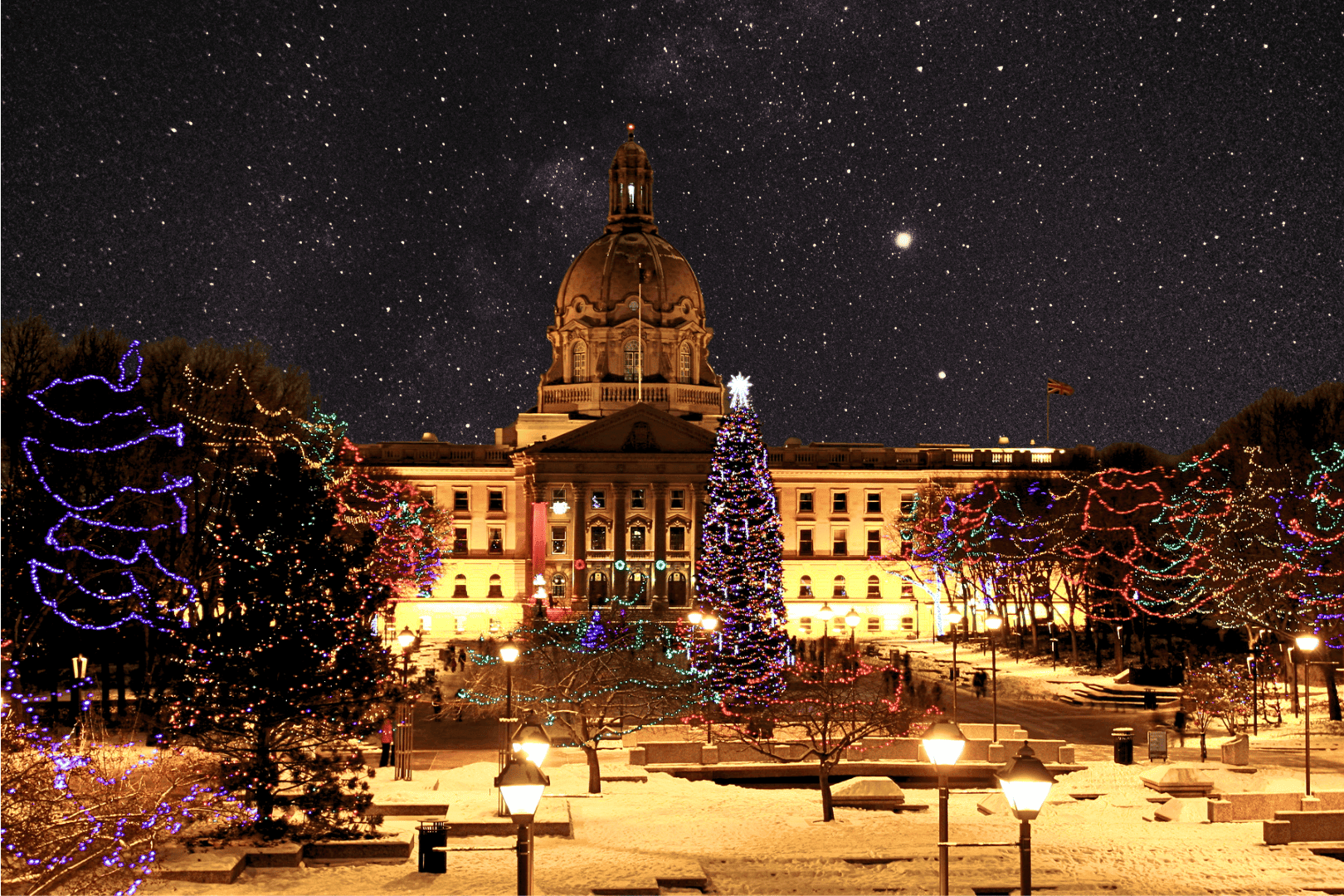
Edmonton might be one of the most challenging cities in North America for maintaining consistent sleep. This isn’t a complaint—it’s a geographic and astronomical reality that we rarely talk about directly. Understanding why sleep gets complicated here is the first step toward actually getting better rest.
The core issue is light. In June, the sun rises before 5 am and doesn’t fully set until after 10 pm. True darkness—the kind your body interprets as “definitely nighttime”—barely exists. In December, we flip to the opposite extreme: darkness arrives by 4:30 pm and lingers until past 8 am. Your circadian rhythm, which evolved assuming a relatively consistent day/night cycle, has no idea what to do with this.
The Summer Sleep Problem
Every Edmontonian knows the feeling: it’s 10:30 pm on a June evening, the sun is just finally going down, and your body is convinced it’s maybe 7 pm. You’re not tired. How could you be tired? It’s still light out.

This isn’t weakness or poor sleep hygiene—it’s biology. Light exposure suppresses melatonin production, and melatonin is the hormone that signals your body it’s time to sleep. When light is streaming through your windows at 9:30 pm, your brain is receiving a very clear message: stay awake.
The practical solution is aggressive light management in the evening hours. Blackout curtains aren’t a luxury in Edmonton—they’re essential infrastructure for summer sleep. We’re talking about curtains that actually block light, not the decorative kind that let the glow through around the edges. Bonus points for blackout curtains in a bedroom that faces northwest, where the longest evening light exposure occurs.
For more on this, see our edmonton summer daylight guide. For more on this, see our edmonton summer daylight guide.The other summer challenge is heat. Edmonton houses often lack air conditioning because we “only need it for a few weeks.” Those few weeks of warm nights can wreck your sleep more than you might realize. Research suggests the optimal sleeping temperature is around 18°C (65°F)—considerably cooler than many bedrooms get during July heat waves. A fan, strategic window opening at night, or yes, a portable AC unit might be worth the investment if you’re consistently sleeping poorly during hot stretches.
The Winter Sleep Problem
You might assume winter would be easier—more darkness means more sleep, right? Not quite. The problem reverses: too much darkness, especially in the morning, makes it hard to wake up feeling alert.

Morning light exposure is crucial for setting your circadian rhythm. It tells your body “the day has started, stop making melatonin, start being awake.” When you’re waking up at 7 am in December and the sun won’t rise until after 8:30, you’re starting your day in biological confusion. Your body thinks it should still be sleeping.
This is where light therapy boxes earn their keep. The same 10,000 lux lamp that helps with SAD also helps with winter sleep regulation. Using it for 20-30 minutes first thing in the morning—while you’re having breakfast, checking email, whatever—helps establish a clear “wake” signal that the winter darkness doesn’t provide naturally.
Sunrise alarm clocks are another option, especially if you find sudden alarms jarring. These gradually increase light intensity over 30-60 minutes before your wake time, simulating a sunrise that Edmonton’s December doesn’t offer. They’re not as powerful as a full light therapy box, but many people find them helpful for easing the transition to wakefulness.
The Year-Round Fundamentals
Regardless of season, some sleep principles hold constant:
Consistency matters more than duration. Waking up at the same time every day—yes, including weekends—does more for sleep quality than trying to “catch up” with long weekend sleep-ins. Your circadian rhythm doesn’t understand the concept of Saturday.
Temperature regulation is easier to control than you think. Beyond room temperature, consider your bedding. Edmonton’s dry winter air often leads people to pile on heavy blankets, but overheating during sleep disrupts sleep architecture. A cooler room with appropriate layers (that you can kick off) tends to work better than a warm room with minimal covers.
For more on this, see our stay active during guide. For more on this, see our stay active during guide.Screen light matters, but not equally. The blue light warnings are somewhat overstated—the amount of blue light from phones is small compared to actual sunlight. That said, stimulating content (news, social media arguments, work email) close to bedtime is genuinely disruptive. It’s less about the light and more about what the content does to your mental state.
Caffeine has a longer half-life than most people assume. That afternoon coffee might still be affecting you at bedtime. Individual sensitivity varies, but if you’re struggling with sleep and consuming caffeine after noon, that’s an obvious variable to test.
When to Take Sleep Problems Seriously
Occasional poor sleep is normal, especially with Edmonton’s light extremes. Chronic sleep problems—difficulty falling asleep, staying asleep, or waking unrefreshed most nights for months—warrant medical attention.

Sleep apnea is underdiagnosed and more common than people realize, particularly among those who snore or wake up with headaches. It’s worth mentioning to your doctor if you’re doing everything “right” for sleep hygiene and still feeling exhausted.
Cognitive Behavioral Therapy for Insomnia (CBT-I) is the gold-standard treatment for chronic insomnia—more effective than sleeping pills in the long run and without the side effects. It’s offered by some psychologists and sleep clinics in Edmonton, though access can be limited. Online programs (like those offered through some Alberta Health Services resources) provide an alternative if in-person isn’t available.
For more on this, see our health wellness edmonton guide. For more on this, see our health wellness edmonton guide.Living With Our Latitude
Edmonton’s light extremes aren’t going anywhere. The city will continue to have complicated summers and dark winters for as long as it exists at 53.5°N. The question isn’t how to make our latitude less challenging—it’s how to adapt our routines and environments to work with these realities rather than against them.
For more on this, see our summer winter running guide. For more on this, see our summer winter running guide.Blackout curtains in summer. Light therapy in winter. Consistent wake times year-round. Temperature management always. These aren’t complicated interventions, but they are Edmonton-specific in their importance. The generic sleep advice that works in more temperate latitudes needs adjustment for what we’re dealing with here.
For more on this, see our boost immunity naturally guide. For more on this, see our boost immunity naturally guide.Good sleep is possible in Edmonton. It just requires acknowledging that our city makes it harder—and planning accordingly.
Related Reading
- Does Edmonton’s Long Summer Daylight Improve Mental Wellness? The…
- How to Prevent Running Injuries in Edmonton’s Climate: A…
- How to Reduce Inflammation Naturally: An Edmonton Guide