The Science Behind Winter’s Mental Health Impact
Edmonton winters hit different. When the thermometer drops to -30°C and daylight shrinks to under eight hours, your brain chemistry actually changes. This isn’t about feeling a bit down because it’s cold. We’re talking about measurable biological shifts that affect nearly half of Edmonton’s population between November and March.
Last reviewed:
The numbers tell a stark story. Alberta Health Services reports that one in five Albertans experiences seasonal depression symptoms during winter months. In Edmonton specifically, where we endure some of Canada’s coldest urban temperatures and shortest daylight hours, those numbers climb even higher.
How Light Deprivation Changes Your Brain
Your brain runs on light. More specifically, it needs bright morning light to regulate circadian rhythms and produce proper amounts of serotonin and melatonin. During Edmonton’s December days, when sunrise happens after 8:30 AM and sunset hits before 4:30 PM, most of us miss that critical morning light exposure entirely.
Health And Wellness Edmonton covers this in more detail.
Here’s what happens in your brain during those dark months:
Edmonton Spring Allergies Wellness Guide For Seasonal Relief covers this in more detail.
- Serotonin production drops by up to 30% without adequate sunlight
- Melatonin (sleep hormone) stays improved during daytime hours
- Dopamine receptors become less sensitive, making it harder to feel pleasure
- Cortisol patterns shift, disrupting stress response
The University of Alberta’s neuroscience department has studied this extensively in northern populations. Their research shows that Edmontonians experience more severe circadian disruption than residents of Vancouver or Toronto, despite being at similar latitudes. The difference? Our extreme cold keeps people indoors more, reducing even incidental light exposure.
The Vitamin D Crisis Nobody Talks About
Between October and April, the sun in Edmonton sits too low in the sky for your skin to produce vitamin D. Even if you bundled up and stood outside at noon in January, you’d make zero vitamin D. That’s six months of deficiency unless you supplement.
Health Canada’s guidelines recommend 1000-2000 IU daily for adults in northern climates, but many Edmontonians need more. Local endocrinologists at the Royal Alexandra Hospital regularly see patients with levels below 30 nmol/L in winter – that’s clinically deficient territory.
Low vitamin D doesn’t just weaken bones. It directly impacts mood regulation, immune function, and energy levels. Studies show that correcting vitamin D deficiency can reduce depression symptoms by 20-30% in northern populations.
Cold-Induced Isolation and Its Compound Effects
When it’s -35°C with windchill, your car won’t start, and the sidewalks are skating rinks, staying home becomes survival strategy. But isolation compounds every other winter mental health challenge. Social connection drops, physical activity plummets, and the walls start closing in.
Edmonton’s unique urban sprawl makes this worse. Unlike walkable winter cities like Montreal or Copenhagen, our car-dependent layout means that when driving becomes dangerous or vehicles won’t start, many residents become truly trapped. The isolation isn’t just psychological – it’s logistical.
| Winter Isolation Factor | Impact on Mental Health | Edmonton-Specific Challenge |
|---|---|---|
| Reduced social contact | 30% increase in depression risk | Sprawling neighborhoods, car-dependent |
| Limited outdoor time | Vitamin D deficiency, no light exposure | Extreme cold makes outdoor time painful |
| Decreased physical activity | Lower endorphins, worse sleep | Icy sidewalks, limited indoor options |
| Disrupted routines | Anxiety, loss of structure | Weather-dependent commutes and plans |
Recognizing Winter Depression vs. Regular Winter Blues
Not everyone who feels sluggish in January has clinical Seasonal Affective Disorder (SAD). Understanding the difference helps you choose the right response. Think of it as a spectrum – from normal winter slowdown to medical-grade depression that needs professional treatment.
The Winter Blues Spectrum
Normal Winter Response: You might feel less energetic, crave heartier foods, and want to sleep an extra hour. You still enjoy activities once you start them. Work performance stays steady. Relationships remain stable. This affects about 75% of Edmontonians to some degree.
Subclinical SAD: Energy drops significantly. You struggle to maintain exercise routines. Social plans feel like obligations. Productivity dips but you push through. Carb cravings intensify. About 25-30% of locals experience this level.
Clinical SAD: Daily functioning becomes difficult. Work performance suffers noticeably. You withdraw from friends and family. Sleep extends to 10+ hours but you never feel rested. Concentration problems affect decision-making. This impacts 10-15% of Edmonton residents.
Red Flags That Signal Professional Help
Some symptoms mean it’s time to see someone at one of Edmonton’s mental health clinics. Watch for these warning signs:
- Sleeping 12+ hours and still feeling exhausted
- Missing work regularly due to inability to get up
- Complete loss of interest in previously enjoyed activities
- Significant weight gain (15+ pounds) between October and March
- Thoughts of self-harm or feeling life isn’t worth living
- Inability to concentrate affecting job performance or relationships
The Southgate Centre Medical Clinic sees a 40% spike in depression diagnoses between December and February. They’ve added extra counseling slots specifically for seasonal mood disorders. Don’t wait until March hoping it’ll resolve itself.
Tracking Your Symptoms Effectively
Edmonton psychologists recommend tracking mood patterns starting in September. Use a simple 1-10 scale daily for energy, mood, and social interest. Most people notice the decline starting after the October time change, with the worst period hitting mid-January through early February.
The Grey Nuns Community Hospital’s mental health unit provides free mood tracking apps specifically calibrated for seasonal patterns. Recording symptoms helps distinguish between a rough week and a genuine seasonal pattern that needs intervention.
Light Therapy: Your First Line of Defense

Light therapy isn’t some new-age wellness trend. It’s evidence-based treatment that works for 70% of people with seasonal depression. The key is doing it right – and in Edmonton, that means understanding our specific light deficit.
Choosing the Right Light Therapy Device
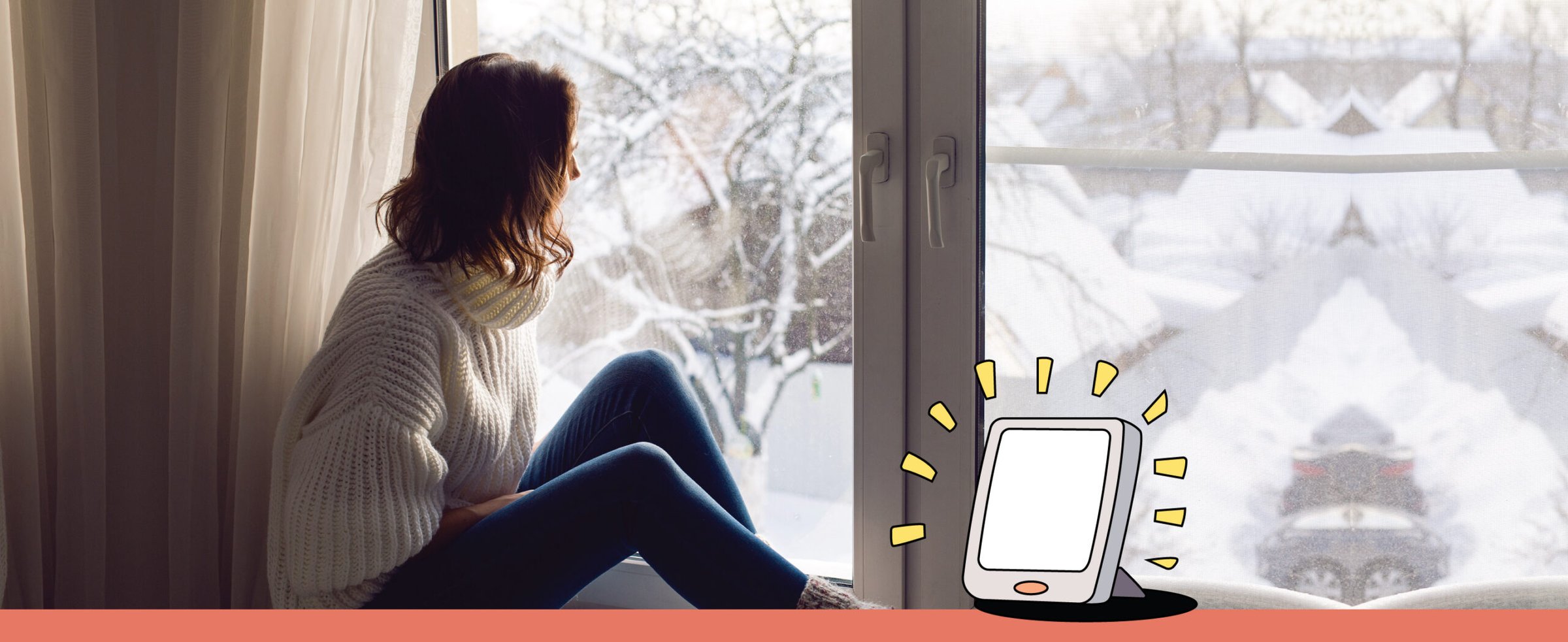
Not all SAD lamps work equally well. You need 10,000 lux brightness minimum, full-spectrum white light (not blue), and a large enough surface area to bathe your face in light. Those tiny desk lamps won’t cut it.
London Drugs on Whyte Ave stocks medical-grade options ranging from $150-400. The pharmacists there actually know the difference between decorative “happy lights” and therapeutic devices. Best sellers include:
- Verilux HappyLight Luxe ($180) – good entry-level option
- Northern Light Technology Boxelite ($250) – Canadian-made, very bright
- Carex Day-Light Classic Plus ($170) – large surface area, adjustable angle
Save Therapeutics on 124 Street specializes in medical devices and offers rental programs. Try before you buy – some people respond better to certain light wavelengths than others.
Proper Light Therapy Timing and Technique
Morning exposure works best. Set up your light box 16-24 inches from your face while you eat breakfast or check emails. Start with 20 minutes and work up to 30-45 minutes. The light should enter your eyes at an angle – don’t stare directly at it.
Timing matters more than duration. Using your light at 7 AM provides twice the benefit of 10 AM exposure. For shift workers or night owls, the Misericordia Hospital’s sleep clinic can help determine optimal timing based on your schedule.
Common mistakes Edmontonians make:
- Starting too late in the season (begin in early October)
- Inconsistent use (daily exposure required)
- Wrong time of day (evening use disrupts sleep)
- Sitting too far away (light intensity drops with distance)
- Giving up too soon (benefits appear after 1-2 weeks)
Supplementing Natural Light Exposure
Even with light therapy, maximize real daylight when possible. The Oliver neighborhood has south-facing coffee shops perfect for morning light exposure – Credo on 104 Street gets brilliant morning sun through floor-to-ceiling windows. Sit there with your laptop from 9-11 AM on sunny days.
Downtown workers can access the pedway system’s few naturally lit sections. The bridge between City Centre Mall and the Library has surprising light exposure. Take calls while walking there instead of sitting in a windowless office.
Weekend strategies for light exposure despite the cold:
- River Valley walks between 11 AM-1 PM (warmest, brightest time)
- Skating at Hawrelak Park (outdoor light plus exercise)
- Greenhouse visits at the Muttart Conservatory
- Window shopping at Southgate (skylights throughout)
Movement Strategies That Actually Work in Winter
Telling someone to “just exercise” when it’s -30°C outside shows a fundamental misunderstanding of Edmonton winter. The real challenge isn’t motivation – it’s logistics. Your body needs movement to produce mood-boosting endorphins, but how do you maintain that when outdoor running means frostbite risk?
Indoor Fitness Options Worth the Membership
Forget January gym crowds – in Edmonton, smart fitness planning starts in October. The key is finding a facility close enough that weather won’t become your excuse. If you live in Mill Woods, that gorgeous downtown gym won’t help when your car won’t start.
City Recreation Centers: Often overlooked but brilliant for winter. Commonwealth Fitness Centre offers a full track, pool, and weight room for $55/month. Free parking. The Kinsmen Sports Centre downtown has similar amenities plus easy LRT access. Both stay busy but never packed.
Neighborhood Gyms: GoodLife Fitness has 12 Edmonton locations. Their Oliver Square spot attracts healthcare workers who understand seasonal mood management – you’ll find good energy there at 6 AM. Membership runs $60-70/month depending on location.
Specialized Studios: Sometimes you need more than equipment. YEG Cycle in Old Strathcona creates community through spin classes in a dark room with loud music – perfect for winter energy boosts. F45 Windermere runs high-intensity group training that makes 45 minutes feel like enough. Both run $150-200/month but include accountability.
Free Movement Options During Deep Winter
Not everyone has $200/month for boutique fitness. Edmonton offers surprising free options for staying active in winter:
- Mall Walking: West Edmonton Mall opens at 7 AM for walkers. Three laps equals 5 km. Heated, safe, free parking before 9 AM.
- Stair Climbing: The U of A Hospital parkade stays warm enough for stair workouts. Ten flights up and down equals serious cardio.
- Library Fitness Videos: Edmonton Public Library streams thousands of workout videos free with your card. Set up in your living room.
- Pedway System: Downtown’s underground network connects 40 buildings. Map a route, add stairs, get 45 minutes of movement without seeing daylight.
Winter-Specific Exercise Timing
Your body responds differently to exercise in winter darkness. Morning movement helps more than evening workouts for mood regulation – it kickstarts cortisol rhythms thrown off by lack of light. But morning in Edmonton winter means pitch black until 8:30 AM.
The sweet spot: 11 AM-1 PM workouts when possible. You get some natural light exposure traveling to/from the gym, plus your body temperature peaks midday making exercise feel easier. Shift workers and parents might not have this luxury, but weekend workouts in this window provide extra benefit.
Evening exercise requires careful timing. Finish high-intensity workouts by 7 PM or risk disrupting already-fragile winter sleep patterns. Gentle yoga or walking until 9 PM usually works fine.
Nutrition and Supplements for Winter Mental Health

Your body craves different nutrients when it’s fighting -40°C temperatures and zero sun exposure. Understanding these needs – and meeting them strategically – makes a measurable difference in mood and energy through winter months.
The Core Winter Supplement Stack
Vitamin D3: Non-negotiable for Edmontonians. Most need 2000-4000 IU daily October through April. Drops absorb better than tablets. The Medicine Shoppe pharmacies test vitamin D levels for about $40 – worth checking in November and February.
Omega-3s: Fish oil fights inflammation and supports serotonin production. Nordic populations swear by it for good reason. Look for 1000mg EPA specifically – the mood-supporting component. Costco’s Kirkland brand tests well and costs half what specialty stores charge.
Magnesium: Winter stress depletes magnesium, which you need for sleep and mood regulation. Glycinate form absorbs best and doesn’t cause digestive issues. 200-400mg before bed helps many people.
B-Complex: Energy production and neurotransmitter synthesis need B vitamins. Winter diets often lack fresh produce providing these naturally. A quality B-complex in the morning supports all-day energy.
Planet Organic on Jasper Ave has knowledgeable staff who understand seasonal supplementation. They’ll help you avoid expensive unnecessary additions to this basic stack.
Eating Patterns That Support Winter Mood
That carb craving isn’t weakness – it’s biology. Carbohydrates boost serotonin temporarily, which your light-deprived brain desperately wants. The trick is choosing carbs that provide steady energy rather than crashes.
Morning Strategy: Protein-anchored breakfast with complex carbs. Think eggs with oatmeal, not just toast. The Italian Centre Shop’s breakfast sandwiches nail this balance if cooking feels impossible on dark mornings.
Afternoon Stability: Your 2 PM energy crash hits harder in winter. Pre-empt with lunch containing healthy fats. The downtown JOEY restaurant might seem indulgent, but their salmon power bowl provides exactly what your brain needs midday.
Evening Serotonin: Strategic carbs at dinner actually help. Sweet potatoes, quinoa, or whole grain pasta paired with protein support better sleep. Save On Foods’ prepared meal section has several options fitting this profile when cooking feels overwhelming.
What to minimize:
- Alcohol (disrupts already fragile sleep)
- Excessive caffeine after 2 PM
- Sugar-only snacks causing energy crashes
- Skipping meals due to low appetite
Meal Prep for Low-Energy Days
When seasonal depression hits, cooking becomes monumental. Batch cooking on higher-energy days saves you from living on delivery pizza. Focus on freezer-friendly options requiring minimal reheating effort.
The Old Strathcona Farmers’ Market runs all winter with root vegetables perfect for batch soups and stews. Buy ingredients Saturday, cook Sunday, eat well all week. Local meal prep services like YEG Meal Prep understand this struggle – they offer winter-specific menus higher in mood-supporting nutrients.
Building Your Personal Winter Wellness Routine
Generic wellness advice fails in Edmonton winter. You need a routine that acknowledges the reality of ice-covered sidewalks, dead car batteries, and vitamin D depletion. Here’s how locals who thrive despite winter structure their days.
Morning Routines That Combat Darkness
Your morning sets the tone when sunrise happens after you’ve already left for work. Build a routine that doesn’t depend on natural light or outdoor conditions.
6:30 AM: Light therapy lamp on while still in bed. Even 5 minutes helps signal wake time to your brain.
6:45 AM: Movement before your brain fully wakes up to protest. Could be 10 minutes of YouTube yoga, stairs in your apartment building, or dancing to one playlist.
7:00 AM: Breakfast with protein. Make it easy – Greek yogurt with granola, scrambled eggs in the microwave, or protein smoothie.
7:20 AM: Supplements with breakfast. Keep them visible or you’ll forget.
7:30 AM: Full light therapy session while getting ready or reading news.
This routine works whether it’s -40°C or -10°C outside. No weather dependencies means consistency, and consistency beats perfection for managing seasonal mood.
Midday Adjustments for Energy Maintenance
The 2 PM darkness preview kills afternoon productivity. Edmonton offices with smart workers keep full-spectrum bulbs at desks and take actual lunch breaks.
Options for midday light exposure:
- Walk to lunch even if it’s cold – 10 minutes outside beats no light
- Eat near windows at restaurants
- Book walking meetings in buildings with good natural light
- Use your car’s heated seats for a brief outdoor light break
If you work from home, this flexibility becomes your superpower. Take calls while walking your neighborhood during peak light hours. Work from cafes with good window exposure. The Block 1912 on Whyte Ave gets afternoon sun and has reliable WiFi.
Evening Wind-Down Without Blue Light
When darkness hits at 4:30 PM, your brain thinks it’s bedtime. But you still have evening obligations. The key is working with, not against, this biological signal.
After 7 PM, shift to low-light activities. The Strathcona County Library hosts evening programs perfect for winter – book clubs, craft nights, gentle yoga. Social connection without bright screens or high stimulation.
Home evening routine:
- Dim lights gradually starting at 8 PM
- Hot bath with epsom salts (magnesium absorption)
- Reading with amber book light instead of screens
- Herbal tea ritual – David’s Tea has great evening blends
- Consistent sleep time even on weekends
Local Resources and Professional Support

Sometimes self-help isn’t enough. Edmonton has specific resources for seasonal mental health challenges – you just need to know where to look and what to ask for.
Specialized SAD Treatment Programs
The Grey Nuns Community Hospital runs a complete SAD program from October through March. It combines light therapy, group counseling, and medication management if needed. Referral from your family doctor gets you in, but call early – they fill up by November.
Private options exist too. The Cummings Centre on Calgary Trail specializes in mood disorders with several therapists trained specifically in seasonal patterns. They offer both individual and group programs. Expect $180-220 per individual session, with some insurance coverage possible.
Walk-in mental health support when you can’t wait for appointments:
- Access 24/7 at Royal Alexandra Hospital emergency
- The George Spady Centre downtown for immediate counseling
- 211 phone service connects you to appropriate resources
- Hope Mission’s Tegler Youth Centre offers free counseling (not just for youth)
Alternative and Complementary Therapies
Traditional therapy works, but some people need additional support. Edmonton’s health and wellness community offers evidence-based alternatives worth considering.
Acupuncture: Several practitioners specialize in seasonal mood support. Kingsway Wellness Centre has two acupuncturists who understand SAD specifically. Sessions run $90-120, with some insurance coverage.
Float Therapy: Sensory deprivation tanks provide deep relaxation and reset circadian rhythms. H2O Float Spa in Oliver offers packages making regular floats affordable through winter months.
Infrared Saunas: The heat and light combination helps some people enormously. Kore Wellness on Whyte Ave has medical-grade infrared saunas with membership options for regular use.
Creating Your Support Network
Isolation amplifies winter depression. Building connections before you need them makes all the difference. Edmonton offers surprising community for those struggling with seasonal mood.
The Mood Disorders Association runs peer support groups specifically for seasonal depression. Meeting others who understand why January feels impossible helps normalize the experience. Groups meet at various community centers with online options too.
Creating a winter wellness checklist with accountability partners improves follow-through. Partner with friends for morning gym sessions, weekly coffee dates, or simple daily check-ins.
Some Edmonton communities create informal support:
- Running Room stores host free winter running groups
- Apartment buildings organizing coffee mornings in common rooms
- Workplace wellness committees planning midday walk groups
- Neighborhood Facebook groups coordinating grocery runs and social visits
Professional support combined with community connection provides the strongest defense against Edmonton winter’s mental health challenges. Neither alone suffices for most people.
Sources & References
Find Trusted Wellness Spots in Edmonton
Browse our independent guide to Edmonton’s spas, fitness studios, and wellness services. Local. Honest. Free.
Related Reading
Related Reading
Frequently Asked Questions
How long do I need to use a SAD lamp before seeing results?
Most people notice improved energy within 4-7 days of consistent morning use, with full benefits appearing after 2-3 weeks. Start with 20-30 minutes at 10,000 lux intensity. The Medicine Shoppe on 109 Street can recommend specific models that work well for Edmonton’s extreme light deficit.
Can you develop Seasonal Affective Disorder after living in Edmonton for years?
Yes, SAD can develop at any age or after any length of residency. Major life changes, aging, or cumulative winters can trigger first-time seasonal depression. The Mood Disorders Association at the Grey Nuns Hospital sees many long-time residents developing symptoms in their 40s and 50s.
Does insurance cover light therapy devices in Alberta?
Some insurance plans cover SAD lamps with a doctor’s prescription. Alberta Blue Cross typically provides $300-500 annually for medical devices including light therapy. Save Therapeutics on 124 Street helps with insurance paperwork and offers payment plans for devices not fully covered.
What’s the difference between winter tiredness and clinical SAD?
Normal winter tiredness means wanting extra sleep and feeling less energetic but still functioning well. Clinical SAD involves sleeping 10+ hours yet feeling exhausted, significant weight gain, inability to concentrate, and withdrawal from activities you normally enjoy. If symptoms interfere with work or relationships, see your doctor.
Are there any outdoor winter activities that actually help with seasonal depression?
Yes, midday outdoor exposure helps even in extreme cold. Cross-country skiing in Hawrelak Park, ice skating at outdoor rinks, and walking the cleared River Valley trails between 11 AM-1 PM provide light exposure plus exercise. Hot springs near Edmonton offer outdoor soaking with mineral benefits – Miette Hot Springs stays open winter weekends.