What the Research Actually Shows About Acupuncture
Acupuncture research is messy. Some studies show strong results. Others find no effect beyond placebo. The truth sits somewhere in the middle, and where you fall depends partly on which conditions you’re trying to treat.
Last reviewed:
The largest meta-analysis to date, published in Archives of Internal Medicine, analyzed data from nearly 18,000 patients. The conclusion? Acupuncture performs better than sham acupuncture and no treatment for chronic pain conditions. The effect size is modest but consistent.
Here in Edmonton, where winter aggravates joint pain and seasonal depression hits hard by February, understanding what acupuncture can and can’t do matters. You’re looking at $80-120 per session in most neighborhoods. That’s real money when you’re budgeting for multiple treatments.
How To Manage Work Stress covers this in more detail.
The Placebo Problem in Acupuncture Studies
The biggest challenge in acupuncture research? Creating a proper control group. Unlike drug trials where you can give sugar pills, it’s hard to fake needle insertion convincingly. Researchers have tried retractable needles, needling non-acupuncture points, and superficial needling. Each method has flaws.
How To Manage Stress At Work covers this in more detail.
Sham acupuncture often produces results too. This doesn’t necessarily mean acupuncture is “just placebo.” Some researchers argue that any needle stimulation triggers physiological responses. Others point out that acupuncture involves ritual, touch, and focused attention – all factors that influence healing.
Dr. Ted Kaptchuk at Harvard has spent decades studying placebo effects. His research shows that the therapeutic relationship, treatment setting, and patient expectations all influence outcomes. In Edmonton’s integrative clinics like those along 124 Street, practitioners often spend 60-90 minutes with patients. Compare that to a typical 7-minute family doctor visit.
Conditions With the Strongest Scientific Support
Not all acupuncture claims hold up equally. The evidence varies dramatically by condition. Based on systematic reviews and clinical guidelines, here’s where the science is strongest:
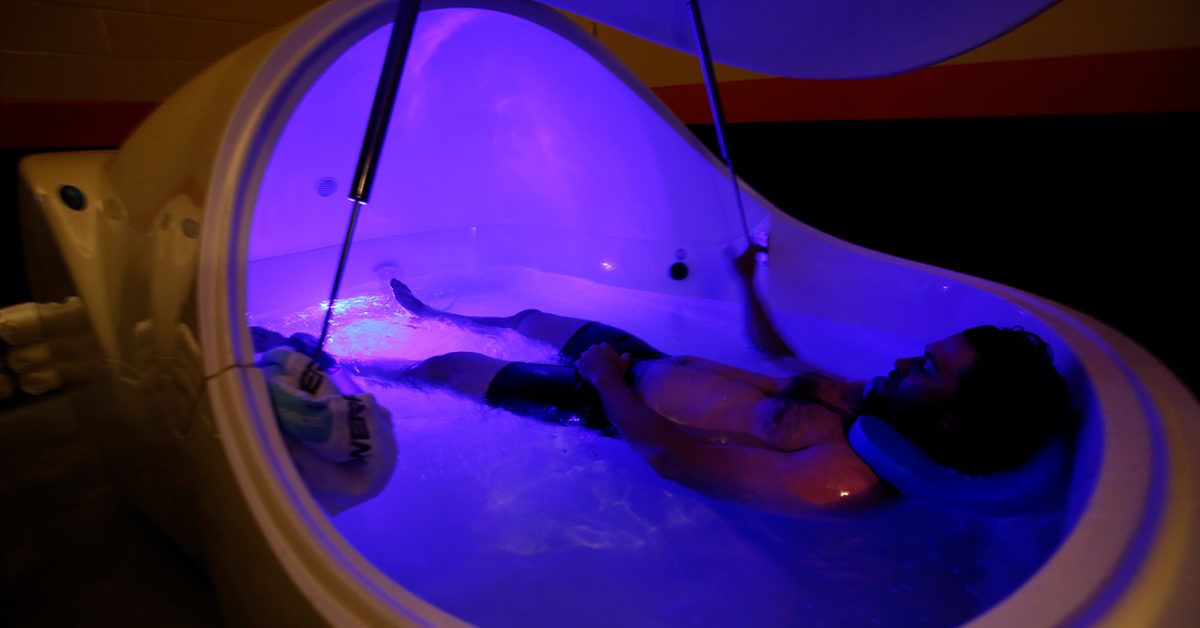
What Is Float Tank Therapy And How Does It Work covers this in more detail.
Chronic pain conditions show the most consistent results. Lower back pain, neck pain, and osteoarthritis of the knee have substantial research support. The Mayo Clinic recognizes acupuncture as a legitimate option for these conditions.
Tension headaches and migraines respond well in multiple studies. German insurance companies now cover acupuncture for migraine prevention based on their own cost-effectiveness analyses. Several Edmonton clinics specialize in headache treatment, particularly useful during chinook season when pressure changes trigger migraines.
Nausea and vomiting, especially from chemotherapy or post-surgery, shows strong evidence. The P6 acupressure point on the inner wrist has been validated in numerous trials. Cross Cancer Institute patients often get referrals to acupuncturists for this reason.
Conditions with mixed or weak evidence include depression, anxiety, insomnia, and fertility issues. Some patients report dramatic improvements. Clinical trials show modest effects at best. The individual variation is huge.
Understanding Effect Sizes and Clinical Significance
Medical research uses “effect size” to measure how much difference a treatment makes. Acupuncture typically shows small to moderate effect sizes for pain conditions. What does this mean practically?
For chronic lower back pain, acupuncture patients report about 30% improvement on average, compared to 20% for usual care alone. That extra 10% might sound small. But for someone dealing with daily pain, it can mean the difference between missing work and functioning normally.
The “number needed to treat” (NNT) for acupuncture varies by condition. For chronic pain, the NNT is typically 5-8. This means for every 5-8 people treated, one person experiences meaningful improvement beyond what they’d get from conventional care. Compare this to common pain medications where NNT ranges from 3-10 with additional side effect risks.
Edmonton practitioners often combine acupuncture with other modalities. Stress management techniques enhance treatment outcomes. This integrative approach makes it harder to isolate acupuncture’s specific contribution but may improve real-world results.
How Acupuncture Works According to Current Science
Traditional Chinese Medicine explains acupuncture through qi (energy) flowing through meridians. Western science tells a different story. Modern research points to several biological mechanisms that explain acupuncture’s effects without invoking energy channels.
Neurological Mechanisms
Needle insertion triggers nerve fibers that send signals to the spinal cord and brain. This activates multiple systems:
Gate control theory: Acupuncture stimulates A-delta nerve fibers, which can block pain signals from reaching the brain. It’s similar to why rubbing a bumped elbow reduces pain. The stimulation essentially “closes the gate” on pain transmission.
Endorphin release: Multiple studies show acupuncture increases endorphin levels. These natural opioids bind to the same receptors as morphine. Brain imaging studies at the University of Alberta have contributed to this research, showing increased activity in pain-modulation regions during acupuncture.
Autonomic nervous system regulation: Acupuncture influences the balance between sympathetic (fight-or-flight) and parasympathetic (rest-and-digest) nervous systems. This explains why many patients report deep relaxation during treatment, even falling asleep on the table.
Brain connectivity changes: fMRI studies show acupuncture alters connectivity between brain regions involved in pain processing, emotional regulation, and sensory integration. These changes persist beyond the treatment session.
Local Tissue Effects
At the needle site, several things happen:
Microtrauma and healing response: The needle creates tiny injuries that trigger local inflammatory responses. This increases blood flow, releases growth factors, and activates tissue repair mechanisms. Some Edmonton sports medicine clinics use this principle in dry needling for muscle injuries.
Fascia stimulation: Needles often target areas where connective tissue (fascia) wraps around muscles. Needle rotation can grab and stretch this tissue, potentially releasing adhesions and improving mobility. This mechanical effect doesn’t require belief in meridians.
Trigger point deactivation: Many acupuncture points correspond to common trigger points – tight muscle knots that refer pain elsewhere. Needling these spots can release muscle tension through local twitch responses.
Systemic Responses
Beyond local effects, acupuncture influences whole-body systems:
Immune modulation: Research shows acupuncture affects white blood cell counts, cytokine levels, and inflammatory markers. This might explain reported benefits for allergies and autoimmune conditions, though evidence remains preliminary.
Hormonal changes: Studies document changes in cortisol, serotonin, and dopamine following acupuncture. These neurotransmitter shifts could account for mood and sleep improvements some patients experience.
Circulation enhancement: Thermal imaging shows increased blood flow to treated areas. This improved circulation brings oxygen and nutrients while removing metabolic waste products.
Common Conditions Edmontonians Seek Acupuncture For

Edmonton’s climate and lifestyle create specific health challenges. Local acupuncturists see patterns based on our northern prairie environment and urban stresses. Here’s what fills appointment books across the city.
Winter-Related Complaints
Seasonal Affective Disorder (SAD) drives many Edmontonians to acupuncture between November and March. While evidence for acupuncture treating depression remains mixed, many patients report mood improvements. Clinics in Oliver and Old Strathcona often combine acupuncture with light therapy during dark months.
Joint pain worsens in cold weather. The temperature swings during chinooks particularly aggravate arthritis and old injuries. Acupuncturists along Jasper Avenue report increased bookings when temperatures plummet. Treatment focuses on improving circulation to affected joints and managing inflammation.
Immune support becomes important during cold and flu season. Some Edmontonians use preventive acupuncture treatments, though scientific support for immune-boosting claims is limited. What’s documented: reduced stress through acupuncture may indirectly support immune function.
Winter dry skin and sinus issues plague many residents. While not acupuncture’s primary strength, some practitioners incorporate facial acupuncture or sinus-specific points. Results vary widely. Humidifiers and nasal rinses often work better.
Stress and Work-Related Issues
Edmonton’s boom-bust economy creates unique stressors. Oil price swings mean job uncertainty. Long commutes from bedroom communities add daily strain. Workplace stress management becomes essential for many professionals.
Tension headaches from computer work affect downtown office workers particularly. Acupuncturists near Churchill Square and City Centre see steady streams of government and corporate employees seeking relief. Treatment often includes neck and shoulder points plus stress-reduction techniques.
Insomnia complaints spike during economic downturns. While acupuncture for sleep shows mixed research results, many patients find the relaxation response helpful. Clinics in Windermere and Sherwood Park often treat shift workers from industrial sites struggling with sleep schedules.
Digestive issues linked to stress respond variably to acupuncture. IBS symptoms sometimes improve, particularly when combined with dietary changes. Several practitioners work alongside nutritionists for complete treatment approaches.
Sports and Activity Injuries
River Valley runners and cyclists create steady demand for sports acupuncture. Common issues include IT band syndrome, plantar fasciitis, and knee pain. Many practitioners train specifically in sports medicine applications.
Hockey injuries fill clinics from September through March. Acupuncture for acute injuries remains controversial, but many players use it for chronic pain management. Some WHL players receive regular treatments during the season.
CrossFit and gym injuries increased as fitness culture grew along 99 Street and Gateway Boulevard. Shoulder impingement, lower back strain, and wrist issues top the list. Dry needling techniques often work better than traditional acupuncture for these problems.
Weekend warriors hurt themselves during summer festival season. Folk Fest setup, Fringe volunteering, and K-Days activities create specific injury patterns. Mobile practitioners sometimes offer on-site treatments at major events.
What to Expect at Edmonton Acupuncture Clinics
Your first acupuncture experience in Edmonton will vary depending on the practitioner’s training and clinic style. Understanding the process helps set realistic expectations and choose the right provider for your needs.
Initial Assessment Process
Traditional Chinese Medicine (TCM) practitioners spend 60-90 minutes on initial consultations. They’ll ask about symptoms, medical history, lifestyle, diet, sleep, and stress. Preparing for your first appointment means thinking through your health history completely.
TCM assessments include tongue and pulse diagnosis. Practitioners examine your tongue’s color, coating, and texture. They feel your pulse at multiple positions, noting qualities beyond just rate. Western-trained medical acupuncturists often skip these traditional diagnostics.
Physical examination varies by complaint. For musculoskeletal issues, expect range-of-motion testing and palpation. Some practitioners use orthopedic tests similar to physiotherapists. Others rely more on meridian theory and point tenderness.
Treatment planning discussions should cover frequency, expected timeline, and costs. Honest practitioners acknowledge when acupuncture might not be your best option. Red flag: anyone promising miraculous cures or demanding large upfront payments.
During Treatment Sessions
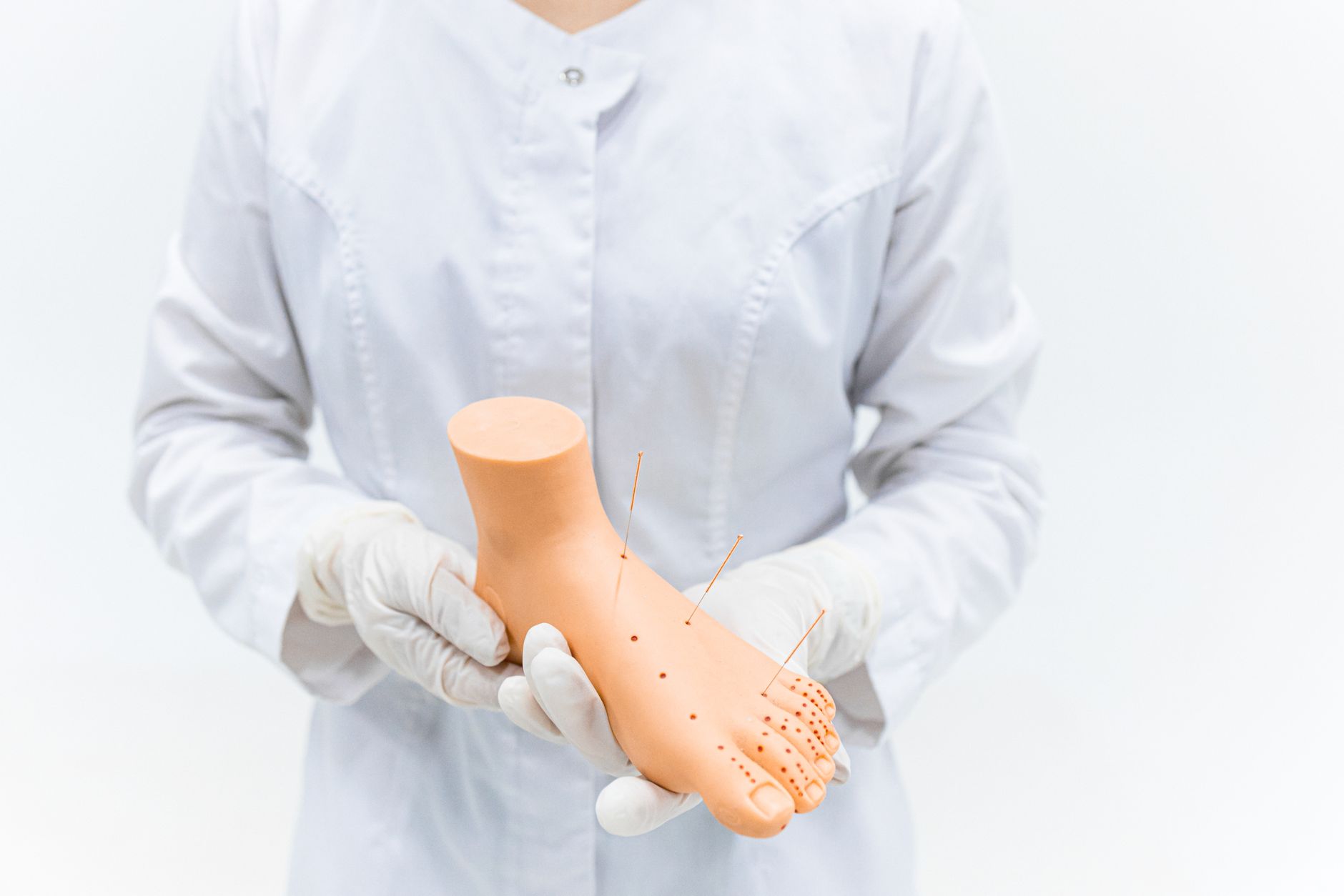
Modern acupuncture needles are hair-thin, sterile, and single-use. They’re nothing like injection needles. Most people feel a small prick during insertion, followed by sensations described as heaviness, tingling, or mild aching. Sharp pain isn’t normal – speak up if it occurs.
Needle retention typically lasts 20-30 minutes. Many clinics dim lights and play soft music. Some add heat lamps, especially during Edmonton winters. It’s normal to feel deeply relaxed or even fall asleep. Others feel energized or emotional.
Needle number varies widely. Some practitioners use minimal needling – maybe 6-10 needles total. Others insert 20-30 or more. More isn’t necessarily better. Technique and point selection matter more than quantity.
Additional techniques might include:
- Electroacupuncture: Mild electrical current through needles. Common for stubborn pain conditions. Feels like gentle pulsing.
- Cupping: Suction cups create local blood flow. Leaves circular bruises. Popular among athletes but not everyone’s cup of tea.
- Moxibustion: Burning dried mugwort near skin. Smells like marijuana. Some clinics avoid it due to smoke sensitivity.
- Gua sha: Scraping technique that creates therapeutic bruising. Looks alarming but many swear by it.
Post-Treatment Considerations
Immediate effects vary. Some feel instant relief. Others notice changes over 24-48 hours. Temporary soreness at needle sites is normal. Bruising occasionally occurs, especially with deeper needling or cupping.
The “acu-high” phenomenon is real for some people. You might feel spacey or deeply relaxed after treatment. Don’t schedule important meetings immediately after. Some clinics have rest areas for post-treatment recovery.
Treatment frequency starts higher then tapers. Acute conditions might need 2-3 sessions weekly initially. Chronic issues often begin with weekly visits, moving to biweekly or monthly maintenance. Your response guides the schedule.
Insurance coverage varies widely in Edmonton. Some extended health plans cover registered acupuncturists fully. Others have annual limits or require physician referrals. Check your specific policy. Direct billing isn’t universal – many clinics require upfront payment.
How to Choose a Qualified Practitioner in Edmonton
Edmonton has over 200 acupuncturists with varying training and approaches. Choosing the right one means understanding credentials, asking smart questions, and matching practitioner style to your needs.
Understanding Credentials and Training
Alberta doesn’t regulate acupuncturists like other provinces do. Anyone can legally call themselves an acupuncturist here. This makes verifying credentials important. Look for these qualifications:
Registered Acupuncturists (R.Ac.): Completed 3-4 year diploma programs (2,000+ hours) from recognized schools. Passed national board exams. Maintain continuing education. Most insurance plans only cover R.Ac. practitioners.
Traditional Chinese Medicine Practitioners (TCMP): Similar training to R.Ac. but may include additional herbal medicine education. Some completed training in China. Language barriers sometimes exist with foreign-trained practitioners.
Medical doctors with acupuncture training: Physicians who added acupuncture through shorter courses (300-500 hours typically). Often focus on pain management. May integrate with conventional treatments better.
Physiotherapists/chiropractors using needling: Completed additional training in “dry needling” or “intramuscular stimulation.” Not traditional acupuncture but can be effective for musculoskeletal issues. Usually covered under physiotherapy benefits.
Verify credentials through the Alberta Association of Acupuncturists. Their website lists registered members. Also check for malpractice insurance and clinic licenses.
Questions to Ask Before Booking
Phone or email these questions before committing:
Experience with your condition: “How often do you treat [your specific issue]?” Generic answers suggest limited experience. Specific case examples and realistic timelines indicate expertise.
Treatment approach: “Do you use TCM diagnosis or more medical acupuncture?” Neither is inherently better, but knowing helps set expectations. Some patients prefer traditional approaches; others want Western medical integration.
Session structure: “What does a typical treatment include?” Understand whether they offer just needling or include other modalities. Some add massage, nutritional counseling, or exercise prescription.
Costs and billing: “What do you charge? Do you direct bill insurance?” Edmonton prices range from $75-150 per session. Some offer package discounts. Others charge extra for initial assessments or additional techniques.
Outcome tracking: “How do you measure progress?” Good practitioners use standardized pain scales or functional assessments. They should discuss realistic timelines and when to try different approaches.
Red Flags to Avoid
Certain warning signs suggest finding another practitioner:
Unrealistic promises: Claims to cure cancer, reverse aging, or guarantee results indicate either ignorance or dishonesty. Ethical practitioners acknowledge limitations.
Pressure tactics: Demanding large prepayments or long treatment commitments upfront. Legitimate clinics let treatment results guide frequency.
Scope of practice violations: Acupuncturists who diagnose medical conditions, tell you to stop medications, or delay referrals for serious symptoms. They should work within their training limits.
Hygiene concerns: Reusing needles, poor hand washing, or unclean treatment spaces. Modern acupuncture uses sterile, disposable needles exclusively. Trust your instincts about cleanliness.
Inflexibility: Practitioners who insist their way is the only way. Good clinicians adapt treatments based on your response and comfort level.
Check online reviews but read critically. Look for patterns rather than isolated complaints. Neighborhood-specific recommendations can help narrow choices based on location and specialty.
Cost-Benefit Analysis for Edmontonians
Acupuncture represents a significant financial commitment. Understanding the real costs and comparing them to alternatives helps make informed decisions about whether it fits your healthcare budget.
Typical Pricing Structures
Edmonton acupuncture prices vary by practitioner experience, clinic location, and treatment complexity:
| Service Type | Downtown/Oliver | Suburban Clinics | Home Visits |
|---|---|---|---|
| Initial Assessment | $120-180 | $100-150 | $150-250 |
| Follow-up Sessions | $85-120 | $75-100 | $100-150 |
| Package Deals (10 sessions) | $800-1000 | $650-850 | Not typical |
| Community Acupuncture | $30-50 | $25-40 | N/A |
Additional costs might include herbs ($20-60/week), supplements, or specialized techniques. Parking downtown adds $10-20 per visit. Transit-accessible clinics along LRT lines save these costs.
Insurance coverage typically ranges from $300-1000 annually. Most plans cover $30-80 per visit with yearly maximums. Some require physician referrals. Others limit the number of visits rather than dollar amounts.
Comparing to Conventional Treatment Options
Weighing acupuncture against other treatments requires considering both direct costs and outcomes:
Chronic pain management: Prescription painkillers cost $30-200 monthly but carry addiction risks. Physiotherapy runs similar to acupuncture prices but may show faster results for acute injuries. Pain clinics combine approaches but involve long wait times through Alberta Health Services.
Mental health support: Psychologists charge $180-220 per session in Edmonton with limited insurance coverage. Psychiatrists covered by AHS have 6-12 month wait lists. Acupuncture might supplement but shouldn’t replace mental health treatment for serious conditions.
Massage therapy: Registered massage therapists charge $100-150 per hour. Insurance coverage often better than acupuncture. Some find massage more immediately relaxing but effects shorter-lasting.
Medication alternatives: Monthly medication costs vary wildly. Generic drugs might be $20-50. Newer prescriptions can hit $500+. Acupuncture’s drug-free approach appeals to those seeking fewer side effects.
Making the Financial Decision
Consider these factors when budgeting for acupuncture:
Treatment duration: Acute conditions might resolve in 4-6 sessions ($300-600 total). Chronic issues often need 10-20 sessions initially ($750-2000) plus maintenance. Budget for realistic timelines.
Opportunity costs: Missing work for appointments costs more than session fees for many people. Evening and weekend availability varies. Some clinics offer lunch-hour express treatments.
Package deals vs. pay-per-session: Buying packages saves money but commits you to one practitioner. Starting pay-per-session lets you evaluate effectiveness before larger investments.
Community acupuncture options: Several Edmonton clinics offer group treatments in shared spaces. You’ll trade privacy for affordability. Good option for trying acupuncture without major financial commitment.
Preventive vs. reactive care: Some Edmontonians use monthly maintenance treatments to prevent flare-ups. This ongoing cost might exceed treating acute episodes but could reduce overall healthcare spending.
Track results carefully. Keep pain diaries or functional assessments. If you’re not seeing improvement after 6-8 sessions, reassess rather than continuing indefinitely. Ethical practitioners will suggest alternatives when acupuncture isn’t working.
Integrating Acupuncture with Conventional Healthcare
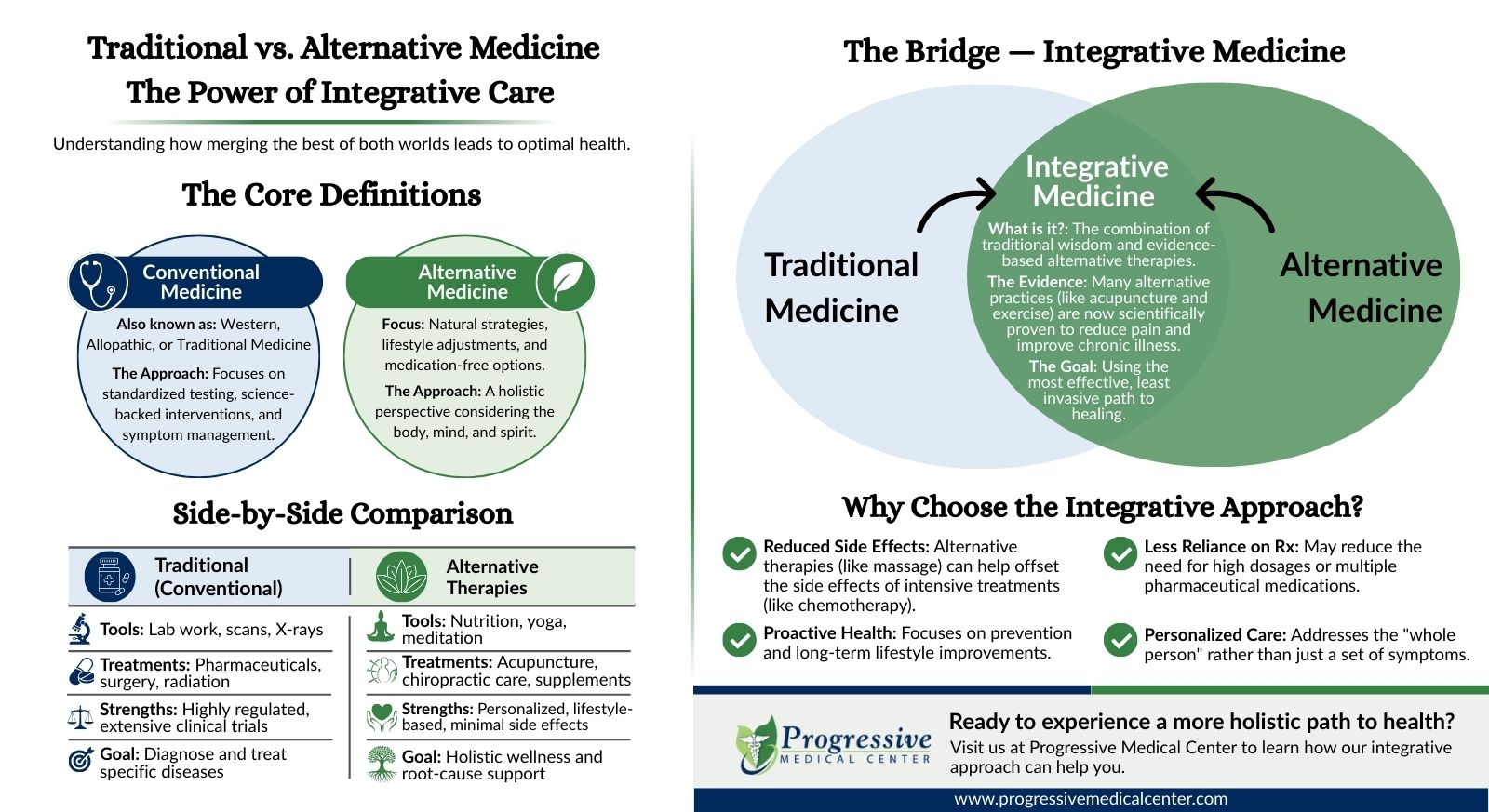
Smart healthcare means using all available tools appropriately. Acupuncture works best as part of complete treatment rather than a standalone solution. Here’s how Edmontonians can integrate it effectively.
Communicating with Your Family Doctor
Many Edmonton family physicians remain skeptical about acupuncture. Some embrace integrative approaches. Either way, keeping your doctor informed prevents treatment conflicts and ensures coordinated care.
Mention acupuncture during regular checkups. Frame it as complementary, not alternative. “I’m trying acupuncture for my back pain along with the exercises you recommended” goes over better than “I’m seeing an acupuncturist instead of taking those pills.”
Provide specific information: practitioner credentials, treatment frequency, and any herbs or supplements suggested. Some herbs interact with medications. Your doctor needs the complete picture to ensure safety.
Document your results. Bring pain scales, functionality improvements, or medication reduction data. Concrete evidence helps skeptical doctors understand acupuncture’s role in your care. Some might even start referring other patients.
Request referrals when needed. Some insurance plans require physician referrals for acupuncture coverage. Many doctors will write them even if personally skeptical, respecting patient autonomy.
When to Choose Acupuncture vs. Conventional Care
Certain situations clearly call for conventional medicine first:
Medical emergencies: Chest pain, stroke symptoms, severe injuries, or acute infections need immediate medical attention. Acupuncture can support recovery later but never replaces emergency care.
Undiagnosed symptoms: Persistent unexplained symptoms require medical investigation. Don’t let acupuncture treatments delay proper diagnosis. Some practitioners unfortunately miss serious conditions by treating symptoms alone.
Surgical conditions: Hernias, torn ligaments, or structural problems need surgical evaluation. Acupuncture might help with pain management but can’t fix mechanical issues.
Acupuncture shines for:
Chronic conditions with limited conventional options: When you’ve tried standard treatments without success, acupuncture offers another approach. Many Edmonton pain clinics now include acupuncturists for this reason.
Side effect management: Chemotherapy nausea, medication-induced headaches, or surgery recovery often improve with acupuncture. Cross Cancer Institute and major hospitals increasingly recognize this role.
Preventive care and wellness optimization: Regular acupuncture might reduce stress, improve sleep, and boost overall functioning. Think of it like massage or float therapy – wellness tools rather than medical treatments.
Building Your Healthcare Team
Effective integrative care requires communication between providers. Some Edmonton clinics excel at this collaborative approach:
Multidisciplinary clinics housing various practitioners under one roof facilitate communication. Your acupuncturist, massage therapist, and physiotherapist can coordinate treatments. Several clinics along 124 Street and Whyte Avenue operate this way.
Request treatment notes for your family doctor. Professional acupuncturists document sessions thoroughly. Sharing these notes helps your doctor understand treatment progression and outcomes.
Consider practitioners who speak your doctor’s language. Medical acupuncturists or those working in hospital settings often communicate more effectively with conventional providers. They translate between paradigms.
Be your own advocate. You’re the common thread between all providers. Keep lists of all treatments, medications, and supplements. Note what helps and what doesn’t. This coordination responsibility falls on you in our fragmented healthcare system.
Know when to pause or stop. If different providers give conflicting advice, take time to research and consider options. Don’t let treatment momentum override good judgment. Sometimes the best choice is stepping back to reassess.
Sources & References
Find Trusted Wellness Spots in Edmonton
Browse our independent guide to Edmonton’s spas, fitness studios, and wellness services. Local. Honest. Free.
Related Reading
Frequently Asked Questions
How many acupuncture sessions will I need for chronic pain?
Most chronic pain conditions require 8-12 initial sessions to see significant improvement, typically scheduled weekly. After that, monthly maintenance sessions help prevent flare-ups. Some Edmonton clinics offer package deals around $800-1000 for 10 sessions, which makes financial planning easier.
Is acupuncture covered by Alberta Health Care?
No, Alberta Health Care doesn’t cover acupuncture. However, most extended health insurance plans include coverage ranging from $300-1000 annually. Check if your plan requires referrals or limits practitioners to registered acupuncturists (R.Ac.) only.
Does acupuncture hurt more in winter when I’m already stiff?
Cold muscles can feel more sensitive to needling, but experienced practitioners adjust their technique. Many Edmonton clinics pre-warm treatment rooms and use heating lamps during winter sessions. Arriving 10 minutes early to warm up helps reduce any discomfort.
Can acupuncture replace my anxiety medication?
Never stop psychiatric medications without medical supervision. While some patients report reduced anxiety with acupuncture, research shows mixed results. Work with both your psychiatrist and acupuncturist to explore complementary approaches rather than replacement strategies.
What’s the difference between dry needling and acupuncture?
Dry needling uses similar needles but focuses solely on trigger points in muscles, while acupuncture follows meridian theory and treats systemic conditions. Many Edmonton physiotherapists offer dry needling for sports injuries. Traditional acupuncturists provide broader treatment options. Insurance often covers them under different categories.