Getting Started: What You’ll Need to Beat the Dark Months
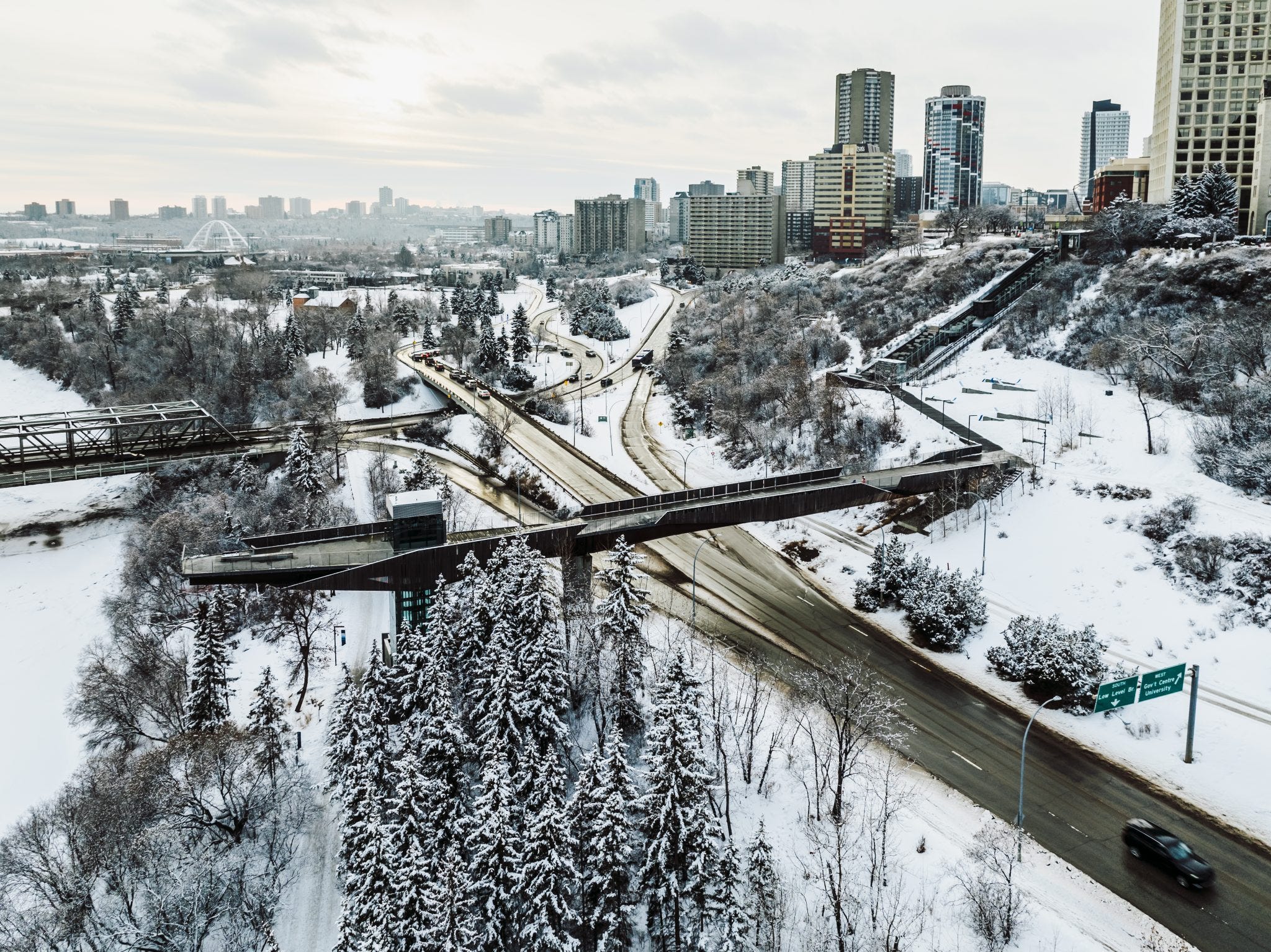
Edmonton winters test even the most dedicated wellness routines. Between November and February, we get less than 8 hours of daylight. By December 21st, the sun doesn’t rise until 8:48 AM and sets by 4:15 PM. That’s barely 7.5 hours of weak northern light.
Last reviewed:
This guide shows you exactly how to maintain wellness habits during Edmonton winter darkness using proven strategies and local resources. You’ll learn specific techniques that work in our climate, not generic advice written for people who think -10°C is cold.
- Tools needed: Wake-up light alarm, vitamin D supplements, thermal workout gear, SAD lamp (10,000 lux), fitness tracker, blackout curtains
- Time: 30-45 minutes daily for core routine, 2 hours initial setup
- Difficulty: Beginner to Intermediate
Understanding Edmonton’s Unique Light Challenge
Our latitude (53.5° North) puts us further north than London, Berlin, or Moscow. This creates specific challenges that southern wellness advice doesn’t address. The sun barely clears 13 degrees above the horizon at winter solstice, meaning even midday light is weak and angled.
According to Alberta Health Services data on seasonal mood changes, roughly 15% of Albertans experience significant winter wellness challenges. Another 25% report mild symptoms including disrupted sleep, lower energy, and abandoned fitness routines.
The problem compounds when you factor in our work schedules. Most Edmontonians commute to work in darkness and return home in darkness from November through February. Without deliberate intervention, you might not see natural light for days at a time.
How To Create A Winter Wellness Checklist For Edmonton covers this in more detail.
Why Standard Wellness Advice Falls Short Here
Generic wellness content tells you to “get morning sunlight” or “take a walk at lunch.” These writers have never scraped ice off their windshield at 7 AM in pitch darkness. They don’t understand that a “lunchtime walk” in December means bundling up in -25°C weather for 15 minutes of twilight.
Can You Get Vitamin D In Edmonton During Winter Months covers this in more detail.
Edmonton requires a different approach. We need strategies that work when River Valley trails are icy death traps and when “morning light exposure” would mean standing outside at 9 AM in the dark. This guide provides those strategies.
How To Stay Active During Edmonton Winter Months covers this in more detail.
Watch out: Don’t assume summer wellness routines will translate to winter. The friend who runs Mill Creek Ravine every morning in July probably isn’t doing it in January darkness.
Step 1: Reset Your Light Environment at Home
Your home lighting setup determines whether you’ll maintain wellness habits during Edmonton winter darkness or slide into hibernation mode. Most Edmonton homes rely on overhead fixtures that cast harsh shadows and provide inadequate morning light.
Start by auditing your current lighting. Count how many light sources you have in rooms where you spend morning time. If it’s less than three per room, you’re under-lit for winter wellness. Edmonton homes built before 2000 typically have poor natural light penetration, especially bungalows with small north-facing windows.
- Install 5000K daylight bulbs in kitchen and bathroom fixtures
- Position a 10,000 lux SAD lamp where you eat breakfast
- Add under-cabinet LED strips in kitchen (minimum 4000K color temperature)
- Place uplighting behind TV and computer monitors to reduce eye strain
- Install dimmer switches for evening wind-down (after 7 PM)
Morning Light Protocol Setup
The most critical lighting intervention happens in your bedroom. Standard alarm clocks shock you awake in darkness, triggering stress hormones instead of natural wake cycles. A wake-up light alarm simulates sunrise starting 30 minutes before your alarm time.
Quality wake-up lights cost $100-200 at London Drugs or Best Buy West Edmonton Mall. The Philips SmartSleep series works well in Edmonton bedrooms. Set it to reach full brightness by your wake time. During December and January, this might be the only “sunrise” you experience.
Position the wake-up light 2-3 feet from your head on a nightstand. The light should hit your closed eyelids directly. Pair this with blackout curtains to control your light environment completely. Home Depot on Calgary Trail stocks room-darkening cellular shades that block streetlight glare.
Creating Light Zones for Different Times
Your home needs distinct lighting zones for morning activation, daytime focus, and evening relaxation. This isn’t about interior design. It’s about biological timing in a city where natural light cues disappear for months.
Morning zones (kitchen, bathroom, home gym) need bright, blue-enriched light. Aim for 500-1000 lux at eye level. Evening zones (bedroom, living room) need warm, dim light after 8 PM. Smart bulbs from Canadian Tire let you program these transitions automatically.
Watch out: Don’t blast yourself with bright light after 9 PM. This disrupts melatonin production worse than winter darkness. Use f.lux or Night Shift on screens after sunset.
Step 2: Build Your Winter Movement Foundation
Movement is non-negotiable for winter wellness, but Edmonton winters eliminate most outdoor options. You need a movement practice that works when sidewalks are skating rinks and when staying active during Edmonton winter months means getting creative indoors.
Start with a home base routine you can do in pajamas. No equipment, no excuses, no driving to a gym in darkness. This isn’t your main workout. It’s your movement minimum for days when leaving the house feels impossible.
- 5 minutes dynamic stretching (arm circles, leg swings, torso twists)
- 10 bodyweight squats
- 10 push-ups (modify on knees if needed)
- 20 jumping jacks or step-touches
- 1-minute plank hold
- 5 minutes yoga flow (sun salutations work ironically well)
Choosing Your Primary Winter Fitness Venue
Your main fitness routine needs an indoor home from November through March. How to maintain wellness habits during Edmonton winter darkness depends largely on removing barriers to movement. Pick a venue based on proximity, not perfection.
City of Edmonton recreation centers offer the best value. Kinsmen Sports Centre downtown has a track, pool, and fitness classes for $65/month. Commonwealth Recreation Centre up north includes field house access. Both have ample free parking and bright lighting that helps combat seasonal energy dips.
For yoga, studios across Edmonton neighborhoods offer different vibes. Moksha Yoga on 124 Street runs hot classes that feel therapeutic when it’s -30°C outside. Yogalife Studios in Windermere and St. Albert have morning classes with full-spectrum lighting. Most studios offer intro month passes for $40-60.
Private gyms work if you need 24-hour access. GoodLife Fitness locations stay open until 11 PM weekdays. Anytime Fitness lives up to its name with keycard access. During peak winter darkness, having 5 AM or 10 PM options matters.
Winter Gear That Actually Works
The right gear eliminates “too cold” or “too dark” excuses. This isn’t about fashion. It’s about functional pieces that make winter movement possible, even pleasant.
For outdoor movement, invest in YakTrax or Kahtoola microspikes ($30-60 at Mountain Equipment Co-op South Edmonton). These slip over regular shoes and grip ice like crampons. Suddenly, walking River Valley trails in January becomes possible.
Thermal base layers from SportChek or Atmosphere remove the chill factor from morning workouts. Merino wool works better than synthetic for temperature regulation. Layer properly and you can run outside down to -20°C comfortably.
For evening visibility, LED armbands and headlamps from Running Room stores keep you safe. The Whyte Avenue location stocks winter-specific reflective gear. A 200-lumen headlamp costs under $40 and makes evening neighborhood walks feasible.
Watch out: Don’t cheap out on winter workout footwear. Proper insulation and grip prevent injuries that derail wellness habits for weeks.
Step 3: Master Your Sleep Schedule Despite Darkness
Edmonton winter darkness wreaks havoc on sleep cycles. Your body can’t tell if it’s 6 PM or midnight when it’s been dark since 4:15 PM. This confusion leads to 3 PM energy crashes and 11 PM second winds that destroy consistent wellness routines.
The solution requires strict sleep hygiene that compensates for missing light cues. Set a fixed bedtime and wake time, weekends included. Your circadian rhythm needs consistency more than extra weekend sleep when external cues vanish.
Pick a wake time that gives you 30 minutes of morning routine before work obligations. For most Edmontonians with 8 AM starts, this means 6:00-6:30 AM alarms. Yes, it’s dark. That’s why you installed that wake-up light.
- Set phone to “do not disturb” mode 1 hour before bed
- Drop bedroom temperature to 18-20°C
- Use white noise machine to mask winter wind/snow sounds
- Take 400mg magnesium glycinate 30 minutes before bed
- Write tomorrow’s schedule to clear mental loops
Evening Wind-Down Protocol
Creating an artificial sunset helps your body recognize bedtime despite outdoor darkness. Start dimming lights at 8 PM, regardless of activities. Use lamp lighting instead of overhead fixtures. Install Philips Hue or IKEA smart bulbs to automate this transition.
Replace screen time with analog activities after 9 PM. The Edmonton Public Library stocks thousands of audiobooks you can stream free with your card. Listen while doing gentle stretches or foam rolling. This combination relaxes muscles and minds without blue light exposure.
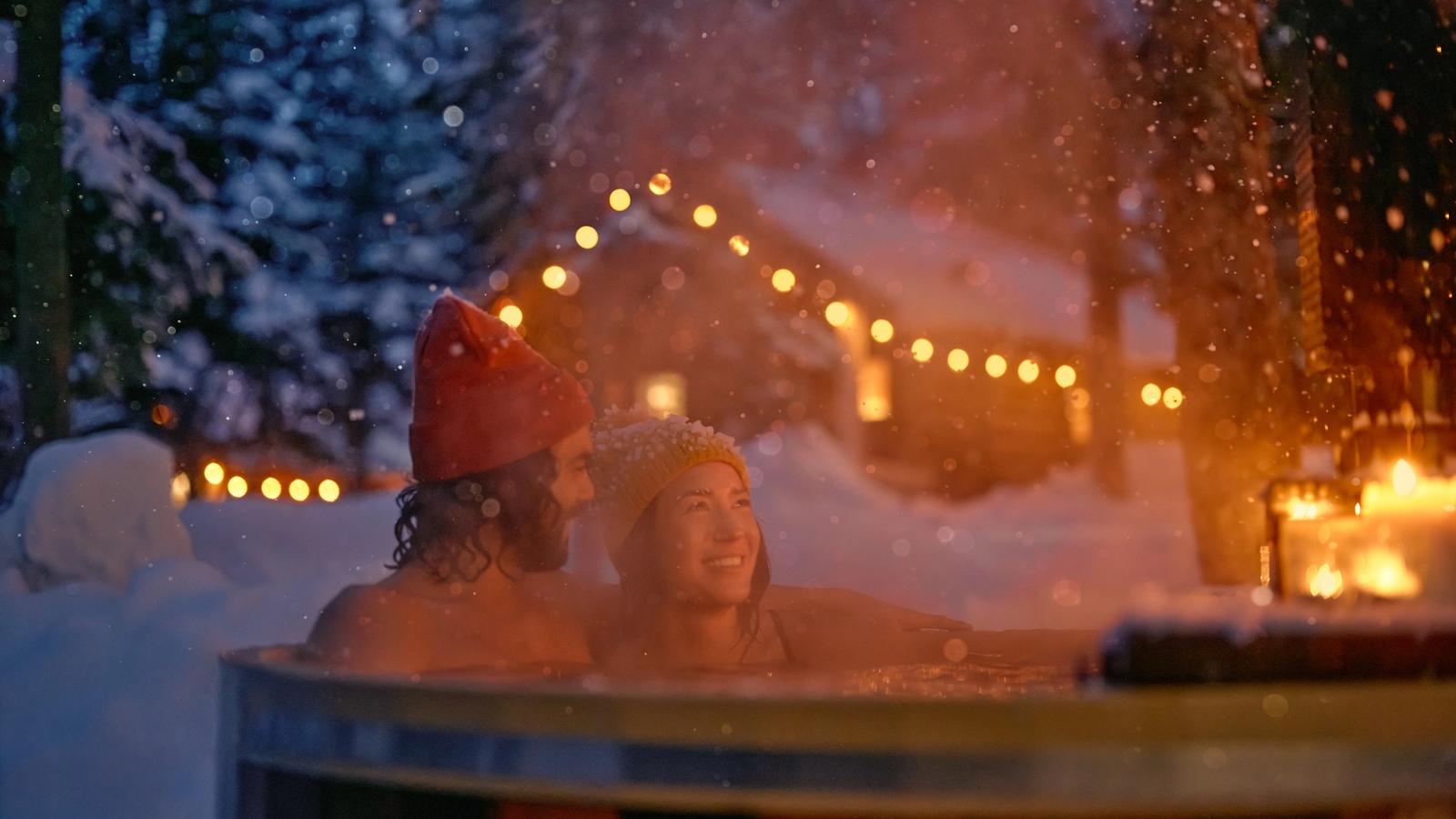
Hot baths work particularly well in winter. Add Epsom salts from Save-On-Foods and soak for 20 minutes. The temperature drop afterward triggers sleep hormones. Apartment dwellers without tubs can achieve similar effects with hot showers followed by cool rinses.
Managing Weekend Schedule Drift
Weekends tempt you to “catch up” on sleep, but varying your schedule by more than an hour disrupts the rhythm you’ve built. Instead of sleeping until noon on Saturdays, maintain your wake time and add a 20-minute afternoon nap if needed.
Use weekend mornings for longer wellness routines. Hit the winter wellness checklist items you skip on workdays. Visit the St. Albert Farmers’ Market Saturday mornings for light exposure and fresh produce. The Enjoy Centre location stays bright year-round.
Watch out: Don’t use alcohol as a sleep aid. Winter darkness already disrupts sleep quality. Alcohol makes it worse, despite initial drowsiness.
Step 4: Optimize Nutrition for Energy and Mood
Winter darkness changes your nutritional needs. Your body craves carbs and comfort foods when maintaining wellness habits during Edmonton winter darkness. This biological drive helped ancestors survive, but it doesn’t serve modern Edmontonians with heated homes and grocery stores.
Start with vitamin D supplementation. Getting adequate vitamin D in Edmonton winter from sun exposure is impossible. Health Canada recommends 1000-2000 IU daily for adults. Some Edmontonians need 4000 IU to maintain healthy levels. Get tested at any Dynalife location to know your baseline.
Increase protein intake to stabilize energy. Aim for 25-30 grams at breakfast. This prevents the 10 AM crash that darkness compounds. Greek yogurt, eggs, or protein powder smoothies work. Blush Lane Organic stores stock grass-fed options if quality matters to you.
- Prep Sunday meal containers with roasted vegetables and proteins
- Stock freezer with Basha Foods curry sauces for quick dinners
- Keep mixed nuts in car/office for emergency snacks
- Batch cook soups and stews on storm days
- Subscribe to meal kits if darkness kills cooking motivation
Fighting Comfort Food Cravings
The urge for heavy, sweet foods intensifies with darkness. Your brain seeks quick serotonin hits from simple carbs. Instead of fighting this biology, work with it strategically.
Schedule one comfort meal weekly. Make it good quality and intentional, not guilty stress-eating. Hit Duchess Bake Shop on 124 Street for a proper pastry Saturday mornings. Or enjoy pasta at Corso 32 on Jasper Ave with friends. Planned indulgence prevents desperate Tim Hortons runs.
Stock warming foods that nourish without weighing you down. The Italian Centre Shop sells quality minestrone and ribollita soups. Planet Organic’s hot bar offers curry and stew options. These satisfy comfort cravings while providing vegetables and nutrients.
Hydration in Dry Winter Air
Edmonton’s winter air holds minimal moisture. Indoor heating makes it worse. Dehydration mimics depression symptoms: fatigue, poor focus, irritability. Most people drink less water in winter because they don’t feel thirsty.
Keep a 1-liter water bottle at your workspace. Finish it twice daily minimum. Add herbal teas for variety and warmth. David’s Tea on Whyte Avenue stocks caffeine-free blends that count toward hydration. Their maple apple cider mix tastes like liquid comfort.
Eat water-rich foods to supplement drinking. Oranges, grapefruit, and pomegranates peak in winter. H&W Produce on Calgary Trail stocks quality citrus year-round. These fruits provide hydration plus vitamin C for immune support.
Watch out: Coffee doesn’t count toward hydration goals. The diuretic effect negates water content, especially in dry winter air.
Step 5: Create Social Connections Despite Isolation
Winter darkness breeds isolation. It’s easy to go straight home after work when it’s dark, cold, and the parking lot is icy. This isolation sabotages wellness faster than any missed workout.
Schedule non-negotiable social activities that pull you out regardless of weather. Join a weekly league or class that meets through winter. The Edmonton Sport and Social Club runs indoor volleyball, dodgeball, and floor hockey leagues. Missing games lets down teammates, creating accountability.
Book regular wellness appointments that combine self-care with human interaction. Massage, acupuncture, or chiropractic visits provide touch and conversation. Float at Modern Wellness (formerly Float Wellness) in South Edmonton Common includes tea and conversation areas. These aren’t luxuries in winter darkness. They’re maintenance.
- Join weeknight fitness classes for built-in social time
- Book monthly float or massage sessions in advance
- Start or join a book club that meets in person
- Volunteer for indoor positions at Food Bank or library
- Schedule weekly coffee dates with rotating friends
Finding Your Winter Wellness Tribe
Generic advice says “join a gym.” But showing up solo to lift weights doesn’t create connection. You need activities with built-in interaction. Group fitness classes work better than solo training for winter social needs.
F45 Training locations in Oliver and Windermere run team-based workouts. Orange Theory in various neighborhoods tracks group performance. These aren’t just workouts. They’re 45-minute communities where people know your name and notice when you’re absent.
For gentler options, yoga studios throughout Edmonton offer beginner-friendly classes. Bikram Yoga Downtown builds particular camaraderie through shared suffering in 40°C heat. Nothing bonds people like sweating through standing bow pose together.
Virtual Connections That Actually Help
Video calls beat text for maintaining real connections. Schedule weekly FaceTime check-ins with family or friends who moved somewhere warmer. Seeing faces and hearing voices provides more mood benefit than Instagram scrolling.
Join online communities with local chapters. The Edmonton chapter of Run Wild meets for indoor track sessions at Kinsmen. Park Run Edmonton continues through winter at Emily Murphy Park, 9 AM Saturdays. These groups maintain online discussion between meetings.
Watch out: Social media doesn’t count as connection. Scrolling feeds in darkness increases depression. Use technology for real conversations, not passive consumption.
Step 6: Track Progress and Adjust Strategies
You can’t improve what you don’t measure. Maintaining wellness habits during Edmonton winter darkness requires tracking systems that show what’s working. Paper tracking beats apps when morning darkness makes phone screens painful.
Buy a simple daily planner from Chapters on Whyte Avenue. Each evening, rate your energy, mood, and movement on a 1-10 scale. Note bedtime, wake time, and any supplements taken. Patterns emerge within two weeks.
Track light exposure specifically. Note time spent under SAD lamp, walks during daylight hours (even if cloudy), and evening light dimming. You’ll quickly see correlations between light exposure and next-day energy.
- Use phone timer for SAD lamp sessions (start with 20 minutes)
- Log vitamin D doses and timing
- Record weekly weight to catch winter gain early
- Note social activities and correlation with mood
- Track menstrual cycles as darkness affects hormones
Recognizing When to Get Help
Sometimes darkness wins despite your best efforts. Alberta Health Services provides mental health support specifically for seasonal challenges. Don’t wait until February to seek help if strategies aren’t working by December.
Warning signs include sleeping 10+ hours but feeling exhausted, canceling plans consistently, or significant weight changes. The Primary Care Network offers counseling referrals. Many Edmonton psychologists specialize in seasonal mood disorders.
Walk-in counseling at Catholic Social Services or Momentum requires no referral. These services understand Edmonton winter challenges. They provide practical strategies beyond “just think positive” platitudes.
Adjusting for Your Reality
Not every strategy works for every person. Single parents can’t always hit 6 AM fitness classes. Shift workers face extra darkness challenges. Students juggle academic stress with seasonal mood dips.
Modify recommendations to fit your life. Can’t afford a gym? Use City of Edmonton Leisure Access Program for reduced rates. No time for morning workouts? Park further from work entrances for built-in movement. Living in a basement suite? Spend lunch hours at bright public spaces like Stanley Milner Library.
The goal is progress, not perfection. Maintaining 60% of wellness habits through winter beats abandoning everything until spring. Track what you manage, not what you miss.
Watch out: Don’t compare your winter wellness to summer performance. Different seasons require different standards.
Common Mistakes to Avoid
- Waiting for motivation: In darkness, routine beats motivation. Do wellness activities because it’s Tuesday, not because you feel like it.
- Hibernating completely: One cozy weekend becomes a month of isolation. Force yourself out at least twice weekly.
- Ignoring vitamin D: “Eating healthy” doesn’t provide adequate D in winter. Supplement or suffer consequences.
- Fighting your chronotype: Night owls struggle more with winter darkness. Accept this and adjust expectations rather than forcing morning person habits.
- Relying on willpower alone: Environmental changes (lights, schedules, gear) matter more than mental toughness in darkness.
- Abandoning routines during holidays: December’s disruptions compound darkness effects. Maintain core habits through festivities.
What’s Next
You’ve built a foundation for thriving through Edmonton winters. The next step is planning for seasonal transitions. As days lengthen in March, gradually reduce SAD lamp use and increase outdoor time. Your body needs adjustment periods both entering and exiting winter darkness patterns.
Consider booking a hot springs winter escape for February. Miette or Radium provide mineral soaking and mountain light exposure when you need it most. Even a weekend break helps maintain momentum through the darkest stretch.
Mark your calendar for spring wellness adjustments. The same tracking system that got you through winter will show when to shift strategies. Edmonton’s April light returns quickly. Be ready to embrace it while maintaining the good habits darkness forced you to build.
Sources & References
Find Trusted Wellness Spots in Edmonton
Browse our independent guide to Edmonton’s spas, fitness studios, and wellness services. Local. Honest. Free.
Related Reading
Related Reading
Frequently Asked Questions
When should I start using a SAD lamp in Edmonton?
Begin SAD lamp therapy by mid-October when daylight drops below 11 hours. Use it for 20-30 minutes each morning while eating breakfast or checking emails. Many Edmontonians find the Costco Verilux model sufficient for home use, though Canadian Tire also stocks good options starting around $80.
Which Edmonton fitness facilities have the best lighting for winter workouts?
The Saville Community Sports Centre on campus features floor-to-ceiling windows and excellent natural light even in winter. Terwillegar Recreation Centre’s pool area stays bright with skylights. For private gyms, the new GoodLife at Manning Town Centre invested in full-spectrum lighting specifically for seasonal wellness.
How much vitamin D should Edmontonians take in winter?
Most Edmonton adults need 2000-4000 IU daily from October through March, though requirements vary by body weight and baseline levels. Get tested at Dynalife first, as some people need up to 5000 IU to maintain optimal levels. Supplement Works on Gateway Boulevard carries high-quality D3 drops that absorb better than tablets.
What time should I dim lights in winter for better sleep?
Start dimming lights by 8 PM in deep winter (December-January) and 9 PM in shoulder months. This gives your body 2-3 hours to produce melatonin before sleep. Install dimmer switches from Home Depot or use smart bulbs that automatically warm and dim on schedule.
Are there free resources for winter wellness support in Edmonton?
The Leisure Access Program provides free or subsidized access to City rec centres based on income. Edmonton Public Library offers free SAD lamps for in-library use at several branches. Primary Care Network runs free group programs for mood and anxiety that specifically address seasonal challenges – ask your family doctor for referrals.