How to Prepare a Wellness Routine for Edmonton Smoke Season: A Step-by-Step Guide
Smoke season sneaks up on Edmonton every summer, usually sometime between late July and mid-September, and it wrecks whatever fitness or wellness routine you built over the spring. One day you are running the river valley trails in clear air. The next, the sky over Downtown turns a dull orange and Environment Canada issues an air quality statement. Learning how to prepare a wellness routine for Edmonton smoke season before the haze rolls in is the difference between losing two months of momentum and barely noticing the disruption. This guide walks through the exact steps, in order, so you can build a routine that holds up whether the Air Quality Health Index reads 2 or 9. Expect to spend about two to three hours getting everything set up, then five minutes a day maintaining it once smoke season starts.
Last reviewed:
- Tools needed: A smartphone with the WeatherCAN or AQHI app, a HEPA air purifier (or box-fan-and-filter setup), a gym or studio day-pass budget of roughly $15 to $25, and a notebook or notes app for tracking symptoms and air quality trends.
- Time: 2 to 3 hours for initial setup, then 5 to 10 minutes daily during active smoke events.
- Difficulty: Beginner. No fitness or medical background required, just some planning before the smoke arrives.
Step 1: Check Edmonton’s Air Quality Health Index Every Morning
Before you plan a single workout or outdoor errand during smoke season, build the habit of checking the Air Quality Health Index, or AQHI, first thing in the morning. Environment and Climate Change Canada updates the index hourly for Edmonton, and it runs on a scale from 1 (low risk) to 10-plus (very high risk). This single number should drive every other decision in your routine that day, from whether you run the Mill Creek Ravine or head to a gym in Oliver instead.
Set Up the Right Apps
Download WeatherCAN or bookmark the Government of Canada’s Air Quality Health Index tool and check it before your morning coffee. Turn on push notifications for air quality alerts if the app supports them. Alberta Health Services also posts advisories that layer on top of the federal index, so it is worth a quick scan of Alberta Health Services’ current health advisories during active wildfire periods.
Know What Each Number Means for You
An AQHI of 1 to 3 is low risk, meaning your normal outdoor routine is fine. A reading of 4 to 6 is moderate, and that is when people with asthma, older adults, kids, and pregnant Edmontonians should start scaling back outdoor exertion. Anything 7 or higher means everyone, healthy or not, should be moving workouts indoors. Write your personal threshold down. If you have asthma or a heart condition, treat 4 as your cutoff, not 7.
Edmonton Spring Allergies Wellness Guide For Seasonal Relief covers this in more detail.
Watch out: Edmonton’s smoke can shift within hours. A clear 8 a.m. sky over Whyte Avenue does not guarantee a clear 5 p.m., especially when wildfire smoke drifts in from northern Alberta or British Columbia. Check the index again before any outdoor evening plans.
Step 2: Build Your Indoor Backup Plan Before the Smoke Arrives
Do not wait for an orange sky to figure out where you will work out indoors. Build the backup plan in June or early July, while the air is still clear, so you are not scrambling for a gym day-pass during an actual smoke event.
List Three Indoor Options Within 15 Minutes of Home
Map out at least three indoor fitness or movement options close to where you live and work. If you are Downtown or in Oliver, that might mean the Kinsmen Sports Centre by the river valley, a YMCA location, or a nearby yoga studio. If you are in the south side near Old Strathcona, look at recreation centres and studios along Whyte Avenue and 104 Street. West end folks near Windermere have more drive time but usually more parking. Our guide on the best indoor workout alternatives during Edmonton smoke season breaks down specific facilities by neighborhood if you want a head start.
Best Indoor Workout Alternatives During Edmonton Smoke Season covers this in more detail.
Budget for Drop-In Passes
Most Edmonton recreation centres run drop-in fees between $10 and $18 for adults, and studio classes typically land between $18 and $30 per session. If smoke season historically hits your area for two to four weeks a summer, budget $80 to $150 for backup indoor sessions so cost never becomes the reason you skip movement entirely.
Watch out: Popular indoor spots fill up fast once a smoke advisory hits, because everyone has the same idea at once. Book class spots or reserve gym time a day ahead when you can, especially at smaller studios with limited capacity.
Step 3: Smoke-Proof Your Home for Recovery and Rest Days
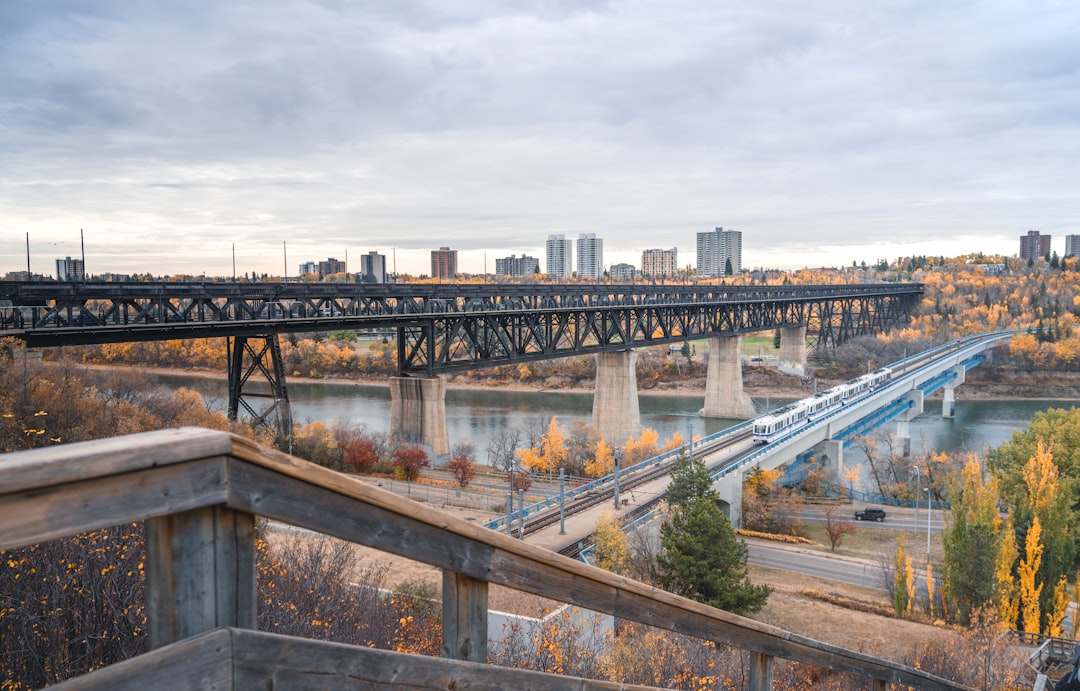
Your home needs to function as a clean-air refuge during smoke season, not just your gym bag. Wildfire smoke contains fine particulate matter, known as PM2.5, small enough to penetrate deep into the lungs. According to the CDC’s guidance on wildfire smoke and air quality, these particles are linked to worsened respiratory and cardiovascular symptoms, which makes indoor air quality a real wellness variable, not an afterthought.
Set Up a HEPA Filter in Your Main Living Space
A true HEPA air purifier rated for your room size is the single best investment for smoke season. Look for a Clean Air Delivery Rate, or CADR, that matches your square footage. Run it in whichever room you sleep or work in most, since that is where you are logging the most exposure hours. Budget $150 to $400 for a mid-range unit, or build a DIY box-fan-and-filter setup for under $50 if the budget is tight.
Seal Gaps and Manage Ventilation
Close windows during active smoke events, even on hot days, and switch your HVAC system to recirculate mode if it has one. Skip the box fan pulling air in from outside until the AQHI drops back under 4. This runs counter to typical Edmonton summer habits, where cross-breezes through open windows are the go-to cooling method, so it takes a mental adjustment.
Watch out: Older homes in neighborhoods like Garneau or Highlands often have leakier windows and doors. If you notice a smoky smell indoors even with windows shut, that is a sign you need weatherstripping, not just a purifier.
Step 4: Adjust Your Outdoor Fitness Schedule Around Smoke Windows
Smoke levels are not constant throughout a bad-air day. Understanding the daily pattern lets you salvage some outdoor time instead of writing off the whole day.
Shift Workouts to Early Morning When Possible
Smoke concentration often eases overnight and builds through the afternoon as temperatures rise and inversions trap particulate near ground level. Checking the AQHI at 6 a.m. before a river valley run can sometimes catch a window that closes by noon. This is not guaranteed every day, so always verify the current reading rather than assuming yesterday’s pattern repeats.
Downgrade Intensity Instead of Skipping Entirely
On moderate-risk days (AQHI 4 to 6), swap a hard interval run through Mill Creek Ravine for an easy walk instead. Lower breathing rate means less particulate matter pulled deep into the lungs. Our piece on why smoke season affects outdoor fitness in Edmonton goes deeper into the physiology if you want to understand exactly why intensity matters as much as duration.
Watch out: Do not use a mask as a workaround for exercising in poor air quality. Standard cloth or surgical masks do not filter PM2.5 effectively, and N95 respirators make hard exercise physically difficult by restricting airflow. The better move is intensity reduction or an indoor swap, not masking through it.
Step 5: Line Up Indoor Studio and Spa Options Across the City
Smoke season is actually a decent excuse to explore indoor wellness spots you have been meaning to try. Spread your options across a few neighborhoods so you always have a plan close to wherever your day takes you.
Yoga and Movement Studios With Real Indoor Space
Old Strathcona, 124 Street, and Oliver all have yoga studios within walking distance of parking or major bus routes. Prices typically run $20 to $28 for a drop-in class, or $130 to $180 for a monthly unlimited pass. If patio yoga has been your summer staple, check our roundup of indoor and patio yoga studios that work as Edmonton smoke season alternatives before the haze forces the decision for you.
Float Spas and Recovery Options for High-AQHI Days
On the worst air days, when even a walk to the car feels like a bad idea, float spas, infrared sauna studios, and massage clinics give you a wellness win without any respiratory load. These businesses cluster around Whyte Avenue, Downtown, and the 124 Street district. Expect $60 to $90 for a 60-minute float session and $80 to $140 for a massage, plus taxi or transit fare if you are avoiding downtown parking meters.
Watch out: Confirm whether a studio runs central air with filtration or just opens windows for ventilation. A few smaller storefront studios in older strip malls do not have strong HVAC systems, which defeats the purpose on a heavy smoke day. Call ahead and ask.
Step 6: Manage the Mental Health Side of Smoke Season
Weeks of hazy skies, cancelled outdoor plans, and a general sense of being cooped up take a real toll, especially for anyone already prone to seasonal mood dips. Smoke season often overlaps with the tail end of Edmonton’s brightest, longest days, and losing that outdoor time stings more than it would in, say, November.
Track Your Mood Alongside the AQHI
Keep a simple daily log, even just a one-to-five rating in your notes app, next to the day’s air quality reading. Patterns show up fast. If your mood consistently drops on AQHI 6-plus days, that is useful information for planning indoor mental health supports, like a therapy appointment or a scheduled call with a friend, on those specific days rather than leaving it to chance.
Replace Outdoor Social Rituals With Indoor Ones
If your summer routine usually includes an evening walk with a friend or a Folk Fest-adjacent hangout at Gallagher Park, smoke season takes that away. Swap it for an indoor equivalent on bad-air days: a coffee catch-up in Oliver, a gym class together, or a board game night instead of a patio. The Mayo Clinic’s guidance on stress management notes that maintaining social connection, even in a different format, is one of the more reliable buffers against the mood dip that comes with disrupted routines.
Watch out: Do not isolate completely on bad-air days. It is tempting to cancel everything and stay home alone when the sky looks apocalyptic, but that combination of poor air and social withdrawal compounds the mental health hit. Move the plan indoors instead of cancelling it.
Step 7: Stock a Smoke Season Wellness Kit
Put together a small kit now so you are not making decisions on the fly once smoke actually settles over the city.
What Goes in the Kit
- Spare HEPA filter for your purifier, since replacement stock sometimes runs low at Edmonton hardware stores during active wildfire weeks
- Saline nasal spray to manage dry, irritated sinuses from smoke exposure
- A list of three indoor gyms or studios with phone numbers and parking notes already saved
- Electrolyte packets since staying indoors more can mean drinking less water than usual
- A rescue inhaler refill if you have asthma, checked and current before smoke season starts
Where to Restock Locally
Pharmacies along Whyte Avenue, in Oliver Square, and throughout Sherwood Park carry most of this list. Buy the purifier filter and inhaler refill in June or early July, ahead of peak demand, rather than waiting until an air quality warning is already active and shelves are picked over.
Watch out: Do not assume your workplace or gym has backup filters or masks on hand. Bring your own if you are sensitive to smoke, particularly if you work in an older building without central air filtration.
Step 8: Reassess Your Routine Weekly and Adjust
Smoke season is not one long continuous event. It comes in waves, sometimes a bad week followed by ten clear days, sometimes the reverse. Build a weekly check-in instead of a one-time setup and forget approach.
Review What Worked and What Did Not
Every Sunday during smoke season, glance back at your AQHI log and mood log from Step 6. Did the indoor gym plan actually get used, or did you skip workouts entirely on bad-air days? Adjust the following week’s plan based on real behavior, not what you intended to do.
Reset Fully Once Air Clears
When the AQHI drops back to 1 to 3 for several consecutive days, that is your signal to shift back outdoors and rebuild any lost momentum gradually rather than jumping straight back into peak intensity. This kind of seasonal reset comes up again and again in Edmonton, and our guide on how to prevent seasonal wellness routine breakdowns in Edmonton covers the broader pattern across winter, spring allergy season, and smoke season alike.
Watch out: Do not treat one clear day as the all-clear to abandon your indoor backups entirely. Smoke can return within 24 to 48 hours depending on wind direction and fire activity in northern Alberta or B.C., so keep the plan intact through the full season rather than dismantling it after the first good sky.
| AQHI Reading | Risk Level | Recommended Action |
|---|---|---|
| 1 to 3 | Low | Normal outdoor routine, river valley trails, patio yoga |
| 4 to 6 | Moderate | Reduce intensity outdoors, sensitive groups move indoors |
| 7 to 10 | High | Everyone moves indoors, avoid strenuous outdoor activity |
| 10-plus | Very High | Stay indoors with HEPA filtration running, avoid all outdoor exertion |
Common Mistakes to Avoid
- Waiting until smoke arrives to find an indoor gym. By the time the sky turns orange, drop-in classes and day-pass slots fill up fast, and you are stuck without a plan.
- Relying on a cloth or surgical mask during outdoor exercise. These do not filter PM2.5 particles, and they give a false sense of protection.
- Checking the AQHI once in the morning and assuming it holds all day. Edmonton’s air quality can shift within hours as wind direction changes.
- Skipping movement entirely on moderate-risk days. A lower-intensity option, like an indoor walk or gentle yoga, is almost always better than nothing.
- Ignoring the mental health side of a smoky, cooped-up summer. Isolating on top of poor air quality compounds the mood impact.
- Assuming one clear day means smoke season is over. Keep your indoor backups ready through the full season, typically late July through mid-September.
What’s Next
Once your smoke season setup is running, the next seasonal shift to plan for is spring, when allergy season replaces smoke as the main outdoor obstacle. Our Edmonton spring allergies wellness guide for seasonal relief covers that transition in detail, and it is worth bookmarking now so you are ready well before next spring rolls around.
Related Articles
- How to Stay Active During Edmonton’s Winter Smoke Season: Indoor Fitness Options That Work
- Best Indoor Wellness Activities When Edmonton Air Quality Drops: Your Complete Guide
- Why Does Edmonton Summer Daylight Affect Sleep Schedules: Understanding Our 17-Hour Days
Sources & References
Find Trusted Wellness Spots in Edmonton
Browse our independent guide to Edmonton’s spas, fitness studios, and wellness services. Local. Honest. Free.
Frequently Asked Questions
How do I know when Edmonton’s air quality is bad enough to move my workout indoors?
Check the Air Quality Health Index each morning through the Government of Canada’s AQHI tool or the WeatherCAN app. An AQHI of 4 to 6 means sensitive groups should scale back outdoor exertion, and 7 or higher means everyone should move indoors, so use those thresholds to decide before you head out.
What is the fastest way to set up an indoor wellness routine during smoke season?
Start by mapping three indoor fitness options within 15 minutes of home, whether that is a recreation centre, a yoga studio, or a gym with day passes. Our guide to the best indoor workout alternatives during Edmonton smoke season lists specific facilities by neighborhood so you are not searching from scratch once a smoke advisory hits.
Do I need an air purifier if I am only home a few hours a day during smoke season?
Yes, particularly for the room where you sleep, since overnight is often your longest single stretch of indoor exposure. A mid-range HEPA purifier rated for your room size, or a DIY box-fan-and-filter setup, both cut indoor particulate matter significantly during active smoke events.
Can I still exercise outdoors on moderate smoke days?
Yes, but lower the intensity rather than skipping it entirely. An easy walk through the river valley pulls in less particulate matter than a hard interval run, since breathing rate directly affects how much smoke reaches your lungs.
How long does smoke season usually last in Edmonton?
It varies year to year depending on wildfire activity across Alberta and British Columbia, but it typically runs somewhere between late July and mid-September, often in waves of a few smoky days followed by clearer stretches. Building a routine that flexes week to week, rather than assuming one continuous bad stretch, works better than a rigid plan.