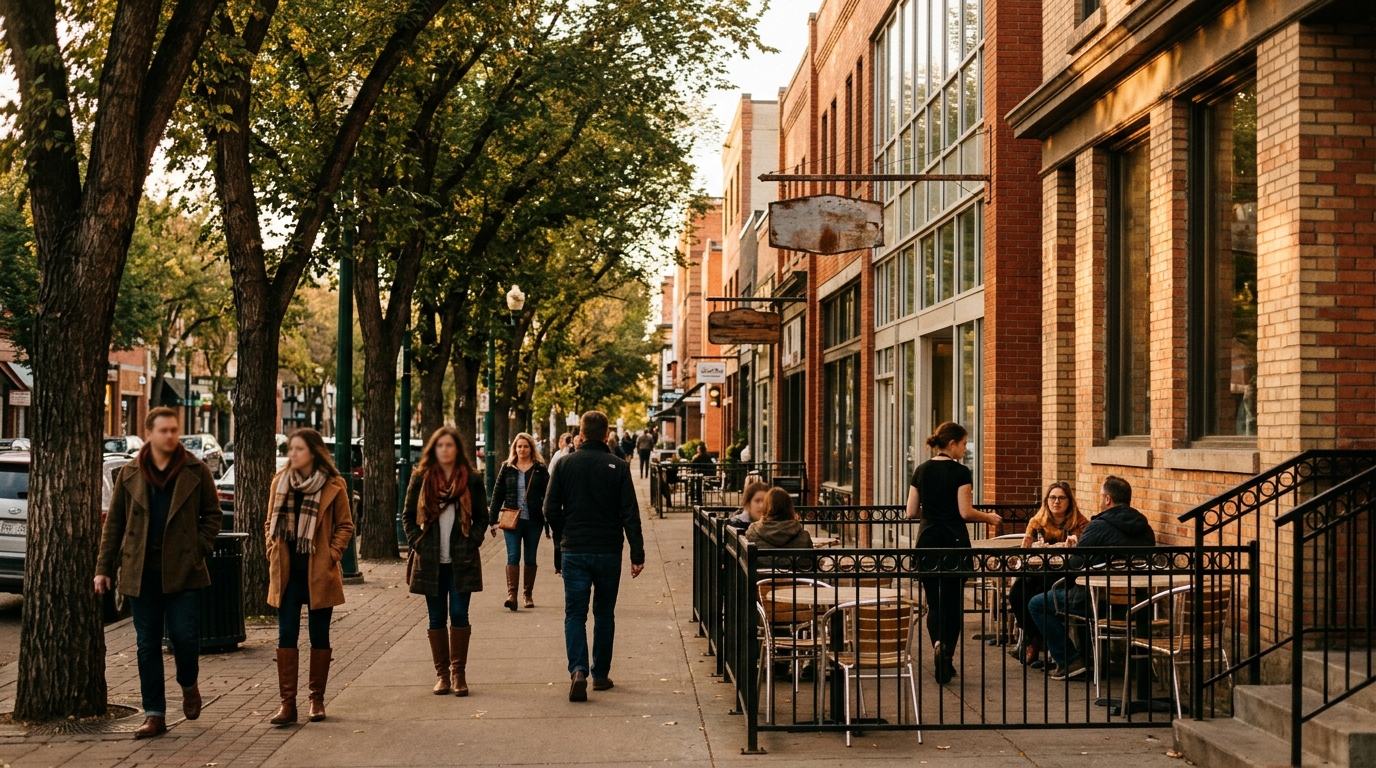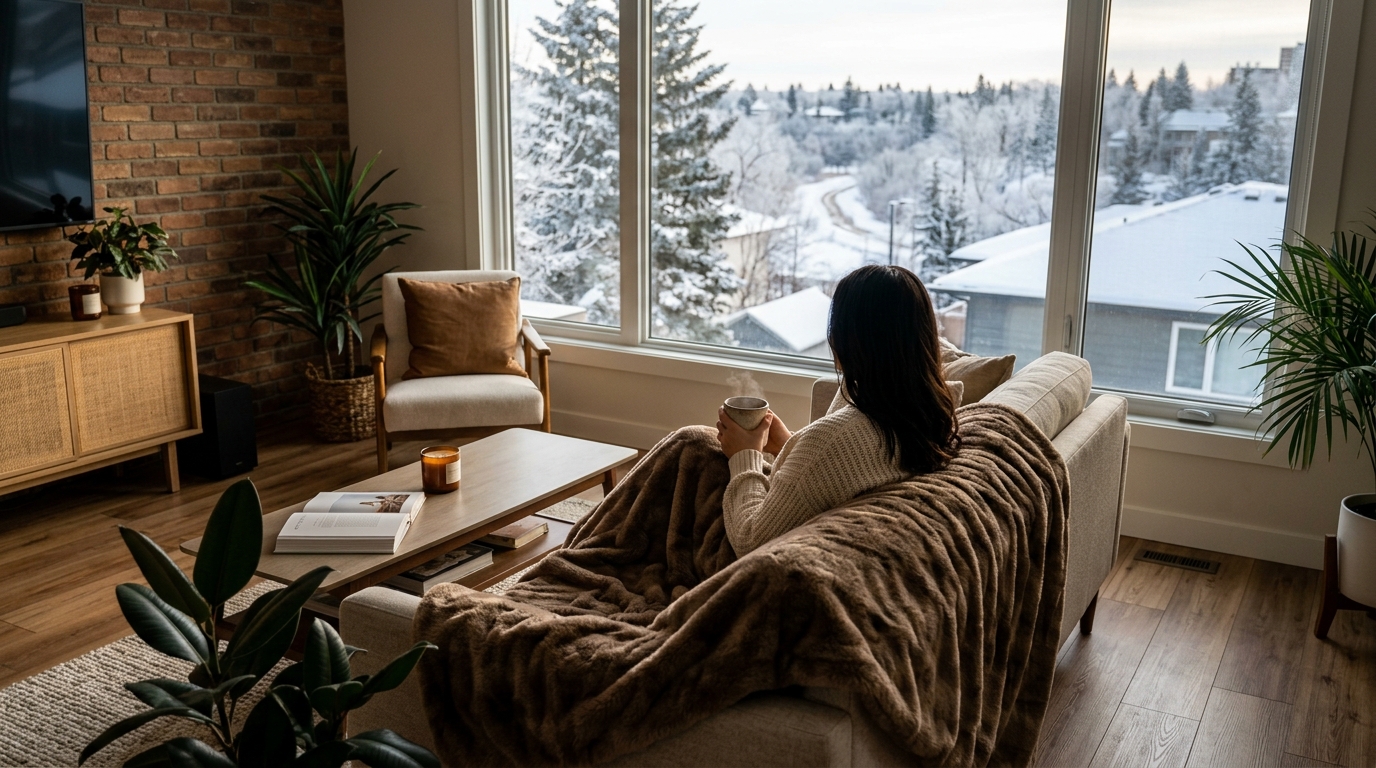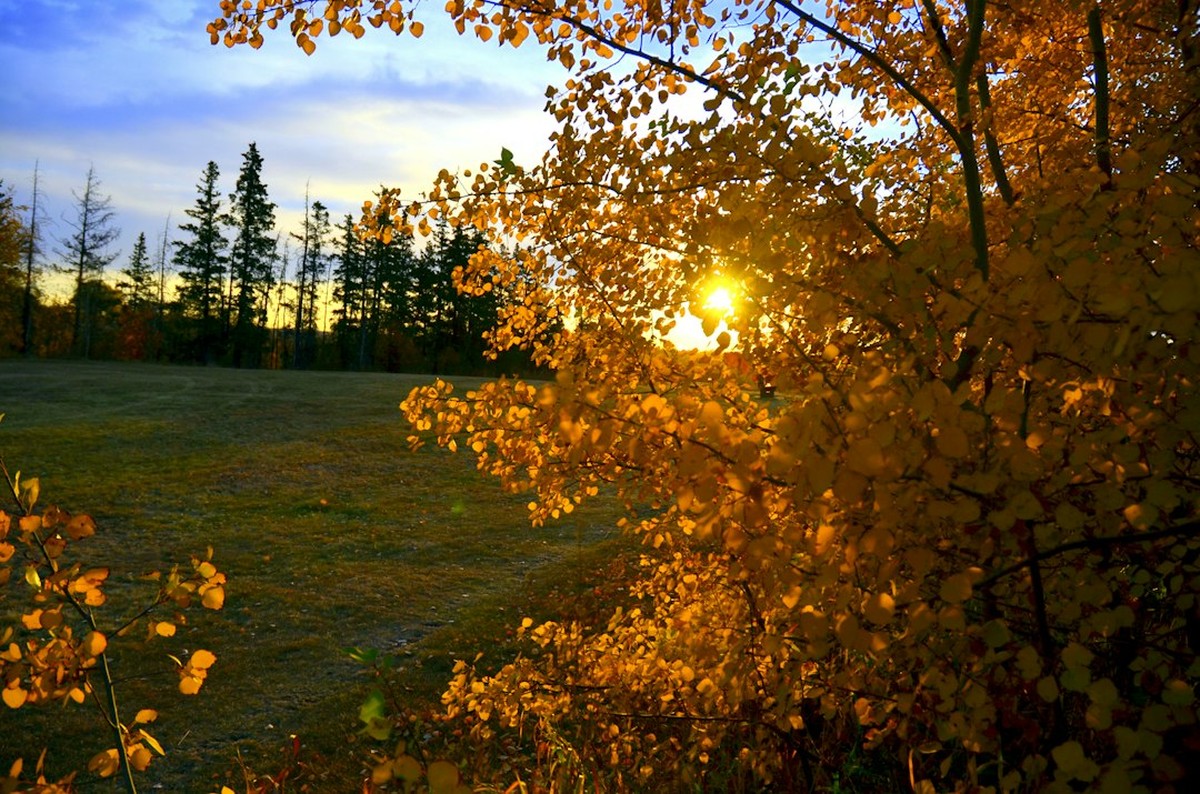
Edmonton daylight hours by season swing from about 7 hours 35 minutes on the December solstice to about 17 hours 20 minutes in late June. That is a gap of nearly ten hours, and your body feels every one of them. This guide gives you the numbers, a month-by-month reference table, and a plain explanation of how light affects sleep and fitness at 53.5 degrees north. You will also get a training schedule for each season, local places to work out when the sun is gone by 4:30 p.m., and a few cheap fixes for the worst stretches. The clocks went back yesterday, so the timing is good.
Last reviewed:
Edmonton Daylight Hours by Season: The Numbers
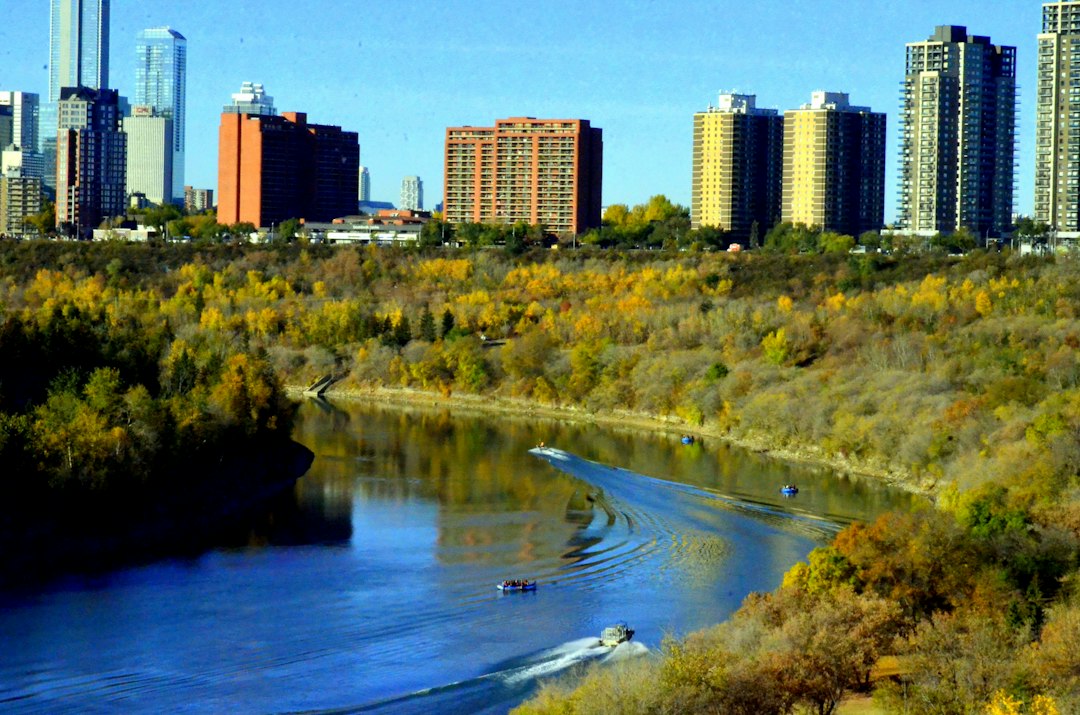
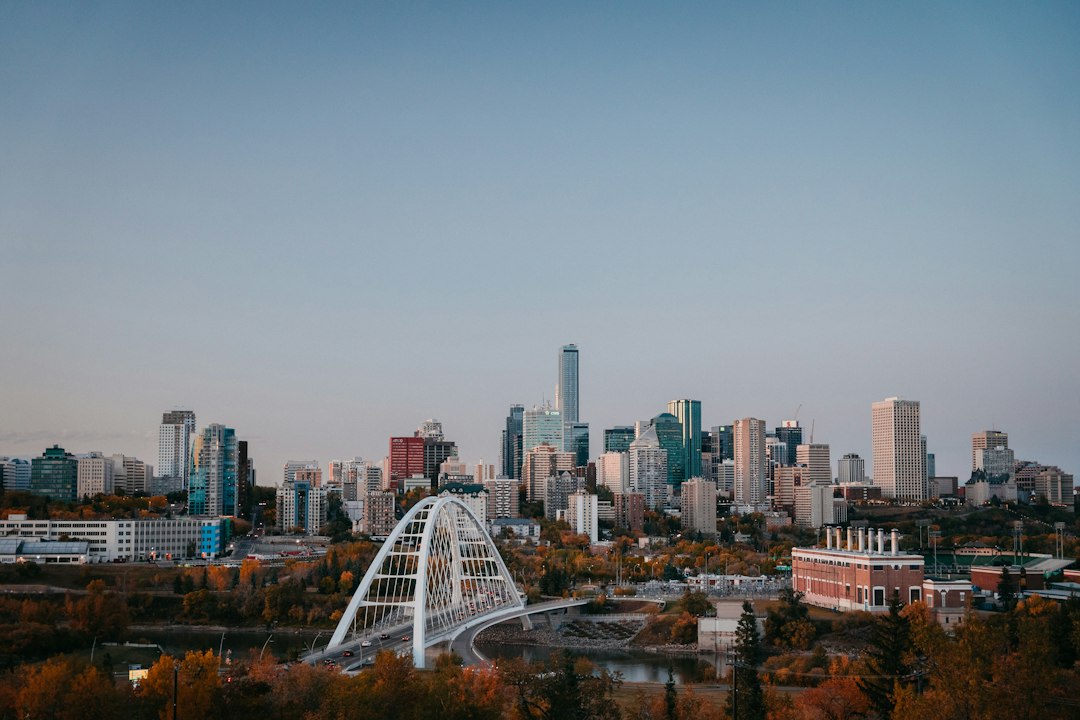
Edmonton sits further north than any other major Canadian city outside the Prairies and the North. That latitude drives everything. The tilt of the Earth does the rest. Here is what it looks like in practice.
Quick-Reference Table
These figures are approximate and rounded, calculated from Edmonton’s latitude. Real sunrise and sunset times shift by a few minutes depending on the year, and the clock change moves them on your watch. Use the table to plan, not to time a sunset photo.
| Date | Approx. daylight | Typical sunrise and sunset | What it means for you |
|---|---|---|---|
| Dec 21 (winter solstice) | 7 h 35 min | 8:40 a.m. to 4:15 p.m. | Darkest stretch. You commute in the dark both ways. |
| Feb 1 | 9 h 00 min | 8:15 a.m. to 5:15 p.m. | Light is returning fast, but it is still -20°C territory. |
| Mar 1 | 10 h 45 min | 7:15 a.m. to 6:00 p.m. | Daylight gains about 4 minutes per day. |
| Mar 20 (equinox) | 12 h 10 min | 7:40 a.m. to 7:50 p.m. (after DST) | Roughly equal day and night. |
| Apr 20 | 14 h 30 min | 6:20 a.m. to 8:50 p.m. | Evening runs without a headlamp return. |
| Jun 21 (summer solstice) | 17 h 20 min | 5:00 a.m. to 10:15 p.m. | Twilight lasts past 11 p.m. Sleep needs protecting. |
| Jul 20 | 16 h 00 min | 5:35 a.m. to 9:50 p.m. | Still long, and smoke season can start. |
| Aug 20 | 14 h 30 min | 6:10 a.m. to 8:45 p.m. | Evenings shorten noticeably. |
| Sep 22 (equinox) | 12 h 10 min | 7:15 a.m. to 7:25 p.m. | The fall slide begins. |
| Oct 20 | 10 h 00 min | 8:00 a.m. to 6:00 p.m. (before DST ends) | You lose about 4 to 5 minutes per day. |
| Nov 20 | 8 h 00 min | 8:15 a.m. to 4:25 p.m. | Sunset before most workdays end. |
Why Edmonton Swings So Hard
At the equator, a day is about 12 hours all year. At 53.5 degrees north, the Earth’s tilt stretches summer days and squeezes winter ones. Edmonton also sits at the western edge of its time zone, which pushes sunrise and sunset later on the clock than they would be in, say, Winnipeg. That is why the sun still lingers at 10 p.m. in June.
Edmonton Spring Allergies Wellness Guide For Seasonal Relief covers this in more detail.
The rate of change matters more than the extremes. Around the equinoxes, Edmonton gains or loses roughly 5 to 6 minutes of daylight per day. Around the solstices, the change is almost nothing. Your sleep gets disrupted most in March and September, when the change is fastest.
What Daylight Hours Do Not Tell You
A number on a chart ignores cloud, angle, and cold. In December the sun never gets higher than about 13 degrees above the horizon at noon. Light at that angle is weaker and passes through more atmosphere. A bright June morning can deliver 50,000 lux or more outdoors. A grey December midday may offer 5,000 to 10,000 lux, and an office interior gives you 300 to 500. This gap is the whole story of winter fatigue.
How To Prevent Seasonal Wellness Routine Breakdowns In Edmonton covers this in more detail.
How Light Controls Your Sleep
Your body runs a roughly 24-hour internal clock, called the circadian rhythm. Light is its main reset signal. When light hits specialized cells in your eyes, your brain’s master clock times your hormones, body temperature, and alertness around it.
How To Choose Seasonal Fitness Activities Edmonton covers this in more detail.
Morning Light, Melatonin, and Cortisol
Bright light in the morning suppresses melatonin, the hormone that makes you drowsy, and helps trigger the rise in cortisol that wakes you up. It also sets a timer. About 14 to 16 hours after you get that morning light, melatonin starts rising again. Get light at 8:30 a.m. and you will feel sleepy around 10:30 p.m. to midnight. Miss it, and the whole schedule drifts later.
The CDC’s sleep resources recommend adults get at least 7 hours of sleep per night. In Edmonton in December, hitting that number is harder than it sounds, because the cues that normally anchor your sleep are weak.
Evening Light and the Summer Problem
The reverse happens in June. The sun sets near 10:15 p.m. and civil twilight lingers past 11. Your brain reads that glow as daytime, delaying melatonin. Many Edmontonians report going to bed late and waking at 5 a.m. with the sun in the bedroom. The result is a sleep debt that builds quietly over six weeks.
- Blackout curtains cost roughly $40 to $120 at local home stores and are the single best summer sleep purchase.
- A fixed wake time matters more than a fixed bedtime. Hold it within 30 minutes, even on weekends.
- Dim indoor lights after 9 p.m. Switch to warm bulbs under 2700K.
Winter Oversleeping and the Social Jet Lag
Winter has the opposite pattern. Many people sleep 30 to 90 minutes longer, feel groggy anyway, and crave carbohydrates. This is a normal response to low light, but it can tip into something more serious. The Mayo Clinic’s overview of seasonal affective disorder lists oversleeping, low energy, and weight gain among the common winter-pattern symptoms. If these last more than two weeks and affect work or relationships, talk to your family doctor. Alberta residents can also find mental health supports through Alberta Health Services.
Winter: Training Through the Short Days
From mid-November to late January, Edmonton gets under 9 hours of light. Most of it falls while you are indoors. The winter routine has to be built around that fact.
Get Your Light Dose First Thing
The goal is simple. Get as much bright light as possible within one hour of waking. Here are the options, from cheapest to most expensive.
- A 15-minute walk outside at 8:45 a.m. Free. Even overcast light beats indoor light by 10 times or more. Dress for the cold. At -25°C, a balaclava and mitts make the walk bearable.
- A 10,000 lux light therapy lamp used for 20 to 30 minutes at breakfast. Expect to pay roughly $60 to $200 at a pharmacy or online. Look for a model that filters UV.
- A dawn-simulating alarm clock that brightens over 30 minutes. About $50 to $150.
Ask your doctor or pharmacist before using a lamp if you have eye conditions, bipolar disorder, or take photosensitizing medication. For a wider look at why routines fall apart in this season, read how to prevent seasonal wellness routine breakdowns in Edmonton.
Where to Train Indoors
Edmonton has a lot of heated indoor options, and many are cheaper than people expect. A few worth knowing about:
- City of Edmonton recreation centres such as Commonwealth, Clareview, and Terwillegar. Adult drop-in swim and gym access typically runs about $8 to $12 per visit, with monthly and annual passes bringing it down. Check current rates on the City of Edmonton website. Most have free surface parking and are on frequent bus routes.
- University of Alberta Van Vliet Centre on the south campus. Public memberships exist for non-students. Parking on campus costs money, so take the LRT to University Station.
- West Edmonton Mall for indoor walking laps. It is a legitimate -30°C backup plan, with free parking and a lot of flat, heated distance.
- Yoga and boutique studios along Whyte Avenue, 124 Street, and in Oliver, typically $18 to $25 per drop-in class. Street parking is tight in Old Strathcona, so budget extra time or take the bus.
Do Not Skip the Daylight Workout
If you can, train outdoors once or twice a week at midday. Cross-country skiing at Hawrelak Park or Gold Bar Park, a river valley snowshoe, or a brisk walk along Saskatchewan Drive gives you both movement and light. A hard indoor workout under fluorescent bulbs does not replace it. Pair outdoor sessions with the advice in how to choose seasonal fitness activities in Edmonton.
Spring and Fall: The Fast-Change Seasons
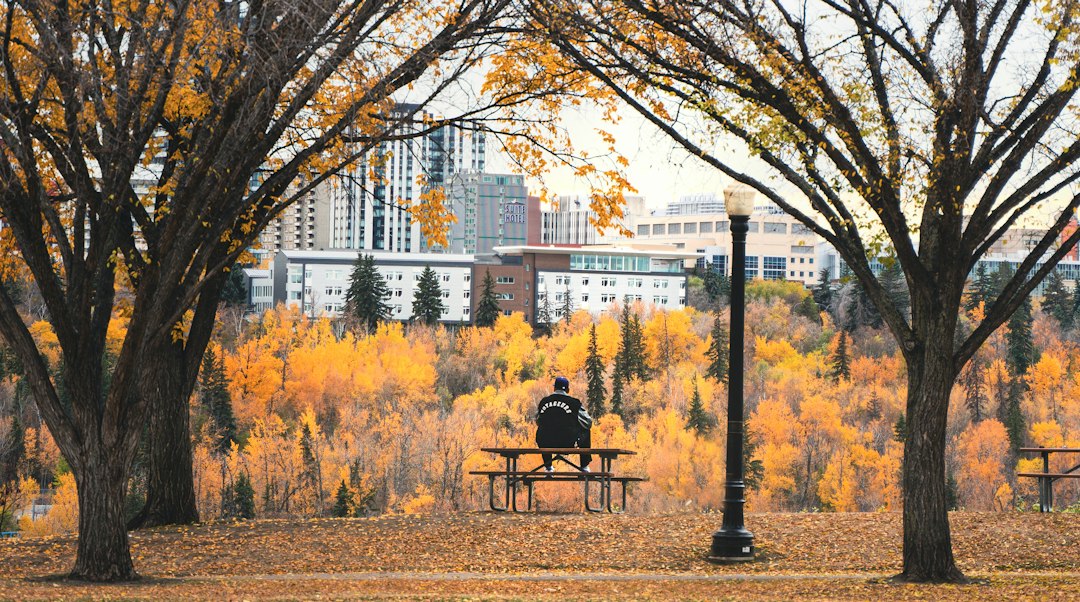
The equinox months are where most routines fail. You are not losing the most light in total, but you are losing it at the fastest rate. Your body does not adjust that quickly.
Spring: Gaining 4 to 6 Minutes a Day
From March 1 to April 30, Edmonton goes from about 10 hours 45 minutes of light to nearly 15. That is over four hours of added daylight in two months. Mornings brighten, evenings stretch, and your sleep timing often drifts earlier without effort. Take advantage. April is the best month to restart outdoor running, because the river valley trails are open but the heat and crowds have not arrived. Expect mud, ice patches in shaded stretches, and temperature swings from -8°C to +12°C in a single week.
Spring also brings pollen. If you start sneezing at the first long run of the year, see the Edmonton spring allergies wellness guide for seasonal relief.
Fall: Losing Light Faster Than You Notice
September feels generous. October takes it away. From Sept 22 to Nov 20 you lose about four hours of daylight. This is the period when people say they just feel flat and cannot work out why. The cause is usually the rate of loss, combined with the clock change.
- Move outdoor workouts to lunch or early morning as of October 1.
- Put a headlamp and reflective vest in your bag. Both cost about $25 to $60.
- Book your indoor winter plan before November. Studio class packs and rec centre passes are easier to commit to while the weather is still mild.
Daylight Saving Time and Your Body
Alberta still changes its clocks. The fall change gives you an extra hour of sleep but pushes sunset to about 4:45 p.m. in early November. The spring change in March steals an hour right when your body is adjusting. Studies compiled on PubMed link the spring change to short-term increases in sleep loss and reduced alertness. A simple fix is to shift your bedtime and wake time by 15 minutes every two days, starting the Thursday before.
Summer: Using 17 Hours Without Wrecking Your Sleep
June is the payoff for surviving January. The sun is up before 5 a.m. and the river valley is green until 10 p.m. Folk Fest weekend, patio season on Whyte Avenue, and farmers’ market Saturdays all stack up. The temptation is to do everything.
The Best Training Windows
Heat is the limiting factor, not light. On a +30°C afternoon, your heart rate climbs for the same pace. The best windows are 5:30 to 8:00 a.m. and after 7:30 p.m. Evening sessions take advantage of a drop in temperature and strong light for outdoor visibility. For specific ideas, see how to maximize daylight hours for Edmonton summer fitness.
- Morning: River valley trail runs from Hawrelak Park or Kinnaird Ravine. Cool and quiet.
- Midday: Swim at an outdoor pool or Borden Park. Edmonton outdoor pools generally run about $5 to $9 per entry.
- Evening: Cycling the Henday-adjacent trails, paddleboarding at Lake Wabamun on weekends, or patio yoga events.
Protecting Sleep When It Never Gets Dark
Anchor your sleep. Use blackout curtains. Stop caffeine by 2 p.m. Keep the bedroom around 17 to 19°C, which can be tough in older Oliver and Garneau walk-ups with no air conditioning. A fan and a damp cloth help. Keep a consistent wake time even when you stay out for the late sunset. A week of 6-hour nights can undo months of base fitness.
When Smoke Takes the Light Away
Wildfire smoke often arrives in July and August. It dims the sun, turns the sky orange, and makes outdoor training risky. Check the Air Quality Health Index before every outdoor session and move indoors above a 7. The details are in why smoke season affects outdoor fitness in Edmonton. Health Canada publishes guidance on wildfire smoke at the Health Canada website.
Matching Your Fitness Plan to the Light
Light does not only change how you sleep. It changes when and how hard you can train. Build the plan around the actual hours rather than the calendar.
A Season-by-Season Checklist
- Dec to Jan (under 8.5 hours): Light lamp or outdoor walk before 9 a.m. Two indoor strength sessions. One outdoor winter activity weekly. Take vitamin D only after speaking with your doctor or pharmacist.
- Feb to Mar (9 to 11 hours): Add a third session. Test your outdoor routes. Start moving workouts to the afternoon as it gets lighter.
- Apr to May (13 to 16 hours): Rebuild running or cycling volume by no more than 10 percent per week. Watch for allergies.
- Jun to Jul (16 to 17 hours): Train early or late. Lock your wake time. Use blackout curtains.
- Aug to Sep (12 to 14 hours): Shift hard sessions to mornings. Plan a smoke-day indoor backup.
- Oct to Nov (8 to 10 hours): Buy the headlamp. Book winter classes. Use a lamp from the first week of November, not the last.
Match Intensity to Light
Many athletes find hard intervals easier in the late afternoon, when body temperature peaks. In December that window is dark. Use the winter months for strength, mobility, and aerobic base work indoors. Save heavy outdoor volume for May through September. If your motivation drops in January, that is not a character flaw. It is a predictable response to a light supply that has dropped by half.
Where to Start This Week
It is early November, so you have about six weeks before the darkest day. Do three things now. Buy or borrow a light lamp. Set a fixed wake time. Pick one indoor spot within 15 minutes of your home or work, whether that is a Whyte Avenue studio, the Commonwealth rec centre, or a gym near Downtown with an LRT stop outside. Edmonton’s winter is long, but the light is already coming back from December 22 on.
Related Articles
- How to Stay Active During Edmonton’s Winter Smoke Season: Indoor Fitness Options That Work
- Best Indoor Wellness Activities When Edmonton Air Quality Drops: Your Complete Guide
- Why Does Edmonton Summer Daylight Affect Sleep Schedules: Understanding Our 17-Hour Days
Sources & References
Find Trusted Wellness Spots in Edmonton
Browse our independent guide to Edmonton’s spas, fitness studios, and wellness services. Local. Honest. Free.
Frequently Asked Questions
How many hours of daylight does Edmonton get in winter?
About 7 hours 35 minutes on December 21, the shortest day. Sunrise is near 8:40 a.m. and sunset near 4:15 p.m. By February 1, that has grown to roughly 9 hours.
Does Edmonton really get 17 hours of daylight in summer?
Yes. Around June 21, Edmonton gets about 17 hours 20 minutes of direct daylight, with twilight extending well past 11 p.m. Blackout curtains help if the long evening is hurting your sleep.
Does low winter light actually affect sleep?
Yes. Weak morning light delays the signal that tells your brain to wake up and set the sleep timer for that night. A 10,000 lux lamp for 20 to 30 minutes after waking, or a brisk outdoor walk before 9 a.m., helps most people.
What is the best time of day to exercise in Edmonton?
It depends on the season. In winter, midday gives you the only usable daylight. In summer, early morning or after 7:30 p.m. avoids the heat. The Commonwealth rec centre or a Whyte Avenue studio covers the indoor gaps.
When should I see a doctor about winter fatigue?
See your family doctor if low mood, oversleeping, or loss of interest lasts more than two weeks or disrupts work and relationships. Seasonal affective disorder is treatable. Alberta Health Services and your doctor can point you to counselling, light therapy, or medication options.