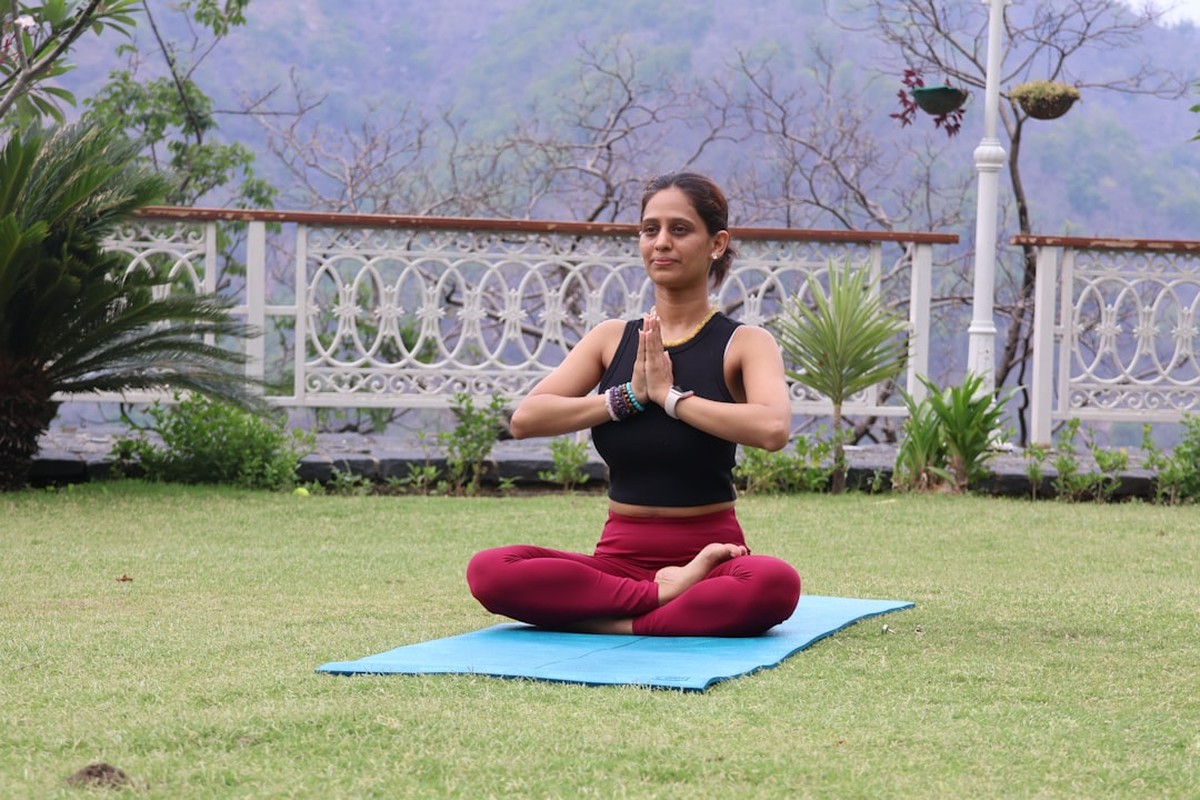
Beginner yoga at home vs studio classes in Edmonton is not some abstract debate you have with yourself once. It is a decision that resurfaces every January when the resolution crowd packs Old Strathcona studios, and again every February when it hits -28°C and driving to a 6am class on Whyte Avenue sounds like a personal attack. Both options work. Neither is automatically better. This comparison breaks down at-home yoga (YouTube, apps, a mat unrolled in your living room) against studio classes at places like Modo Yoga, Moksha Yoga Edmonton, and city recreation centres. Short version: home practice wins on cost and winter convenience. Studio classes win on alignment coaching and actually getting you to show up. Most Edmonton beginners end up doing some version of both.
Last reviewed:
At a Glance: Home Practice vs Studio Classes for Edmonton Beginners
Before the details, here is the side-by-side. Use it to figure out which factors matter most to your actual life, not your ideal life.
| Dimension | At-Home Yoga | Studio Classes |
|---|---|---|
| Typical cost | Free (YouTube) to about $20 CAD/month for an app | $18 to $25 per drop-in class, $140 to $180/month unlimited |
| Winter accessibility | No commute, no scraping frost off a windshield at 6am | Requires driving or transit in -20°C to -30°C conditions |
| Beginner alignment coaching | Minimal, unless you book a live virtual session | Direct verbal and hands-on cues from a certified instructor |
| Schedule flexibility | Any time of day, any length of practice | Fixed class times, usually 45 to 75 minutes |
| Equipment needed | Mat, block, strap, roughly $60 to $120 one-time | Often provided, some studios charge $2 to $5 mat rental |
| Accountability | Entirely self-directed, easy to skip | Booked spot, some studios charge late-cancel fees |
| Community factor | Minimal to none | Built in, especially at smaller neighborhood studios |
| Best for | Budget-conscious beginners, shift workers, deep-winter weeks | Injury-cautious beginners, people who need a habit forced on them |
Cost: What Beginner Yoga Actually Costs in Edmonton
Money is usually the first filter, so start there.
How To Start Yoga At Home In Edmonton covers this in more detail.
The Real Price of At-Home Yoga
At-home yoga can cost you nothing. Thousands of free beginner sequences exist on YouTube, and channels built specifically for new practitioners walk you through breathing and basic poses at a pace that does not assume you already know what “downward dog” means. If you want more structure, apps like Down Dog or Alo Moves run about $10 to $20 CAD a month and let you filter by class length, difficulty, and focus area. The one-time cost is equipment: a decent mat runs $40 to $80, and a block-and-strap set adds another $15 to $25. Budget $60 to $120 total, then you are set for years. For a full walkthrough of setting this up properly, our guide on how to start yoga at home in Edmonton covers exactly what gear is worth buying and what is a waste of money.
Beginner Wellness Routine Checklist For January In Edmonton covers this in more detail.
What Edmonton Studios Charge for Beginners
Studio pricing in Edmonton sits in a fairly consistent range. Drop-in classes at private studios in Oliver, 124 Street, and Old Strathcona typically run $18 to $25 per session. Monthly unlimited memberships land between $140 and $180, and most studios offer a new-student intro rate, often two to four weeks unlimited for $30 to $50, specifically so beginners can test the format before committing. City of Edmonton recreation centres, including Kinsmen Sports Centre and Meadows Community Recreation Centre, run drop-in yoga classes included with a facility day pass (around $10 to $15) or a recreation membership, which is the cheapest studio-style option in the city if you already swim or use the gym there. Check current program listings through the City of Edmonton’s recreation programs before you plan around a specific time slot, since seasonal schedules shift.
Winter Convenience: The -30°C Factor
This is the dimension that actually decides most Edmonton yoga habits, more than price or class quality.
Health And Wellness Edmonton covers this in more detail.
At-Home Yoga and the Deep Freeze Reality
When Environment Canada issues an extreme cold warning and your car will not start without twenty minutes of plugging in, at-home yoga has an obvious advantage. There is no commute. There is no parking meter, no scraping ice off a windshield, no waiting for a bus on Jasper Ave in windchill that makes -25°C feel like -35°C. You roll out a mat in your living room and you are practicing in under two minutes. This matters more than people admit in January and February, which is exactly when most beginner resolutions quietly die.
Edmonton Spring Allergies Wellness Guide For Seasonal Relief covers this in more detail.
Studio Class Schedules and the Commute Problem
Studio classes come with a fixed time and a fixed location, and in winter that means factoring in an extra 15 to 20 minutes for driving carefully on icy side streets, plus finding parking near Whyte Avenue or downtown, which can mean circling for a spot or paying a lot fee on top of the class price. Some studios, particularly around Windermere and Sherwood Park, have free lot parking, which is worth checking before you commit to a membership. Health Canada’s physical activity guidelines for adults recommend at least 150 minutes of moderate activity weekly, and a commute that adds friction to every single session makes hitting that number harder, not easier, across a whole winter.
Instruction Quality and Injury Prevention
the comparison stops being about convenience and starts being about safety, especially for true beginners who have never set foot on a mat.
Learning Alignment Without Anyone in the Room
At-home yoga has one real weakness: nobody is watching your knee position in Warrior II or checking whether your lower back is rounding in a forward fold. Beginners frequently misjudge their own alignment because they are focused on keeping up with the video instead of feeling what their body is actually doing. Mayo Clinic’s overview of yoga for beginners notes that improper form is one of the more common ways new practitioners strain muscles or joints, particularly in poses involving deep hip or shoulder rotation. A mirror and a slow, beginner-specific video reduce this risk somewhat, but they do not eliminate it.
What In-Person Correction Actually Catches
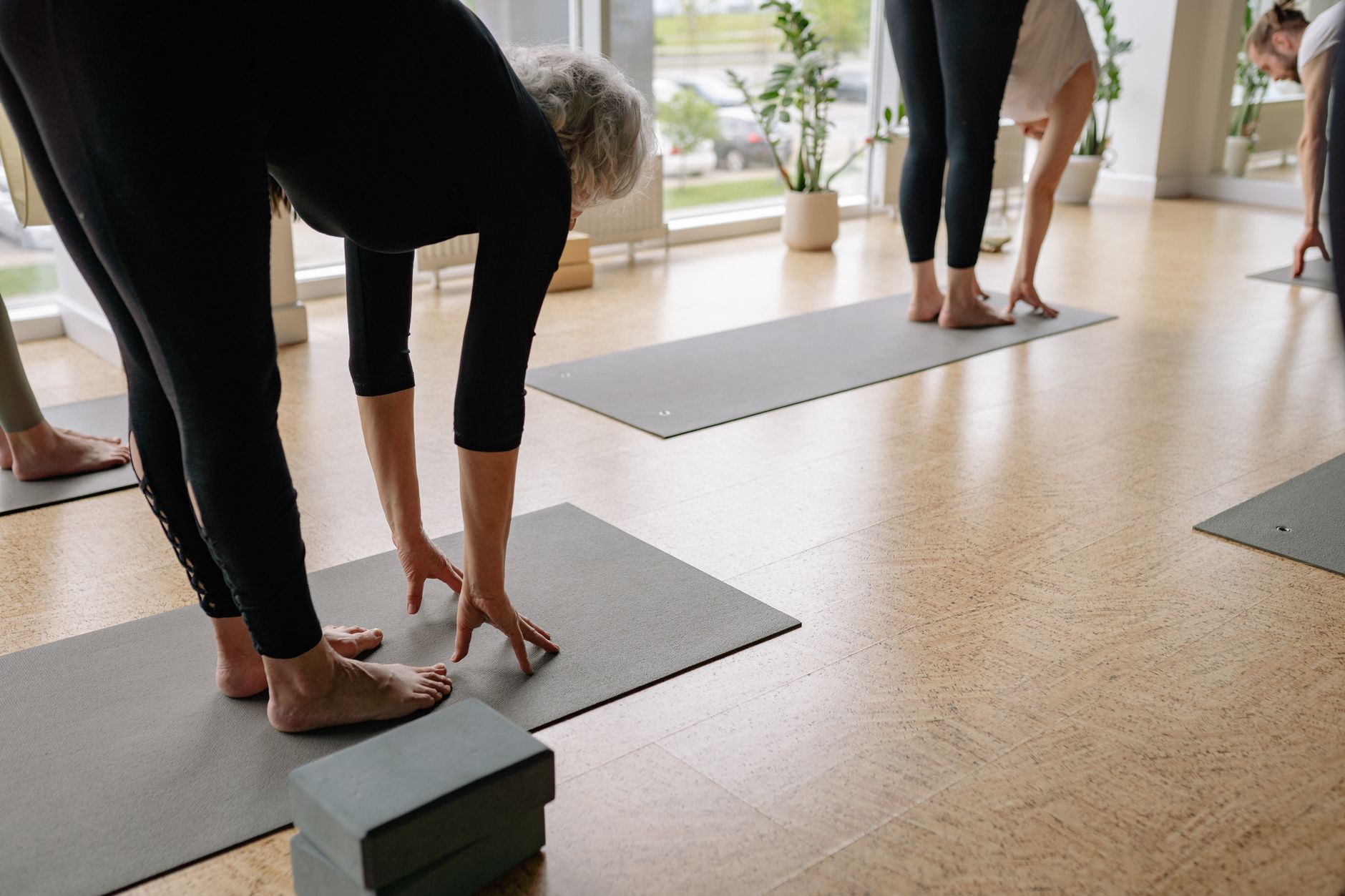
A studio instructor walking the room during a beginner class will catch things you cannot see in yourself: a hyperextended elbow in plank, weight shifted onto the wrong foot in a lunge, breath being held instead of released. This is the single strongest argument for starting with at least a few studio classes even if your long-term plan is home practice. Most Edmonton studios explicitly market beginner-friendly sessions, often labeled “Yoga Basics” or “Gentle Flow,” and these classes are built around slower pacing and more individual attention than a general-level class. If you have any pre-existing joint issues or are recovering from an injury, this dimension alone should tip the decision toward studio classes, at minimum for your first month.
Motivation and Actually Showing Up
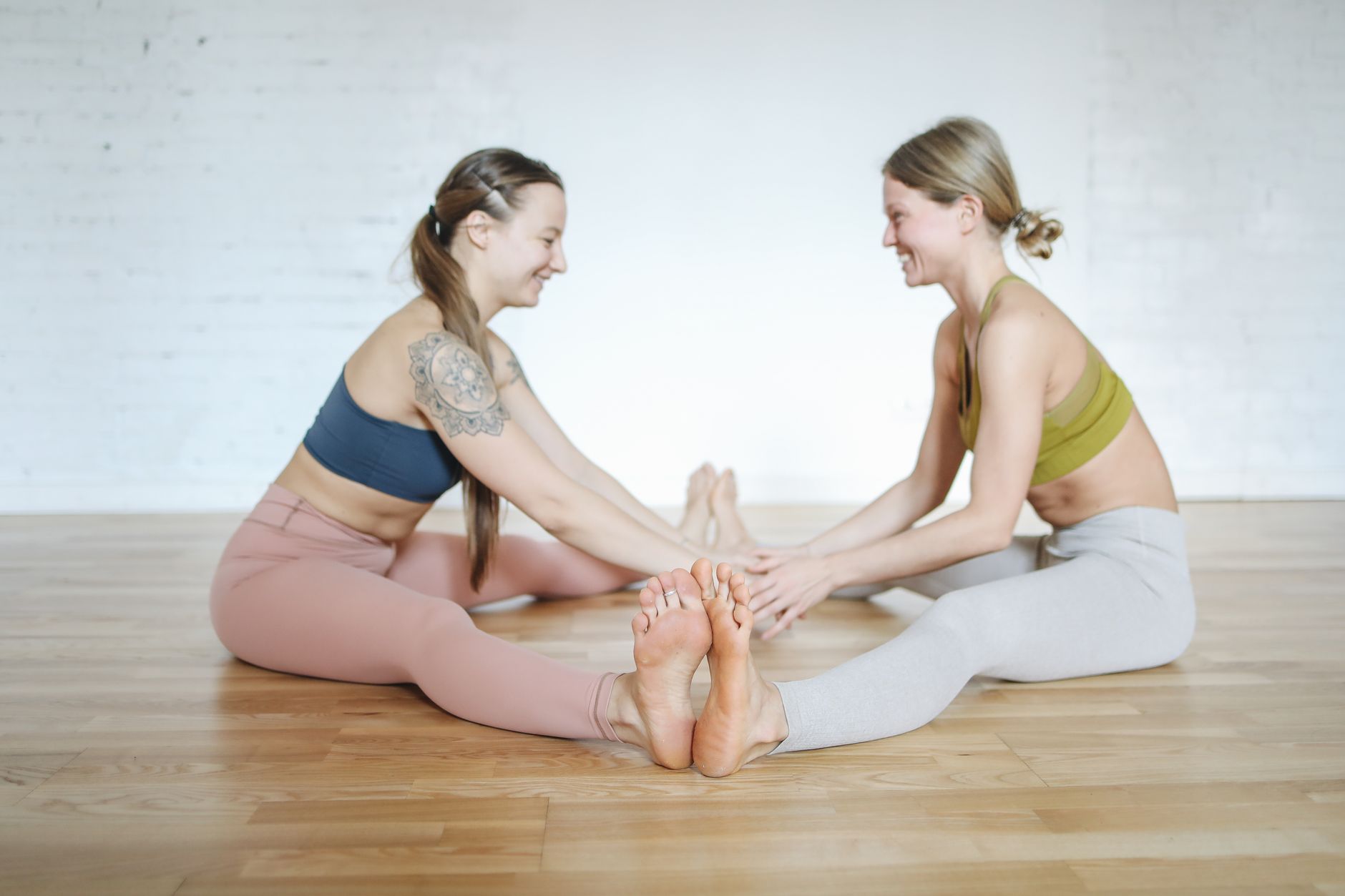
Buying a mat is easy. Using it in week six is the hard part, and a lot of home practice plans quietly fall apart.
Why Home Practice Often Fizzles by Week Three
Nobody is expecting you. There is no cancellation fee, no instructor who will notice you have been gone. The mat sits rolled up in the corner, and skipping one day makes it easier to skip the next. This is not a character flaw. It is how unstructured habits behave without external accountability. If you are starting in January, our beginner wellness routine checklist for January in Edmonton lays out a week-by-week structure specifically designed to survive this drop-off period, because the data on New Year’s resolutions is not kind: most fitness habits started in January do not survive past six weeks without some kind of external structure.
Studio Class Structure as a Forcing Function
A booked class at a set time works differently. You have paid for it, sometimes a friend is meeting you there, and the studio has a physical space reserved with your name on the sign-in sheet. This external pressure is exactly what makes studio classes effective for beginners who know themselves well enough to admit that willpower alone will not get them onto a mat at 7am on a Tuesday in November. It is also worth pairing this with a broader plan for the darkest months. Our guide on how to maintain wellness habits during Edmonton’s winter darkness gets into why habit consistency drops so sharply once daylight shrinks to under eight hours, and what actually counters it.
Community and Neighborhood Culture
This dimension gets ignored in most comparisons, but it matters more than people expect once they have been practicing for a few months.
What Old Strathcona and Oliver Studios Actually Offer
Smaller studios around Old Strathcona and Oliver tend to build a regular-face culture. You start recognizing the same six or eight people at the 6pm Tuesday class, the instructor starts remembering your name, and that low-key social layer becomes part of why you keep showing up. This is not the same as making close friends, but it functions as a mild social accountability system, and for some beginners that is the difference between a habit that sticks and one that does not.
The Solitary Nature of a Home Mat
Home practice offers essentially none of this. It is just you, your device, and whatever motivation you brought into the room that day. Some beginners genuinely prefer this. If group settings make you self-conscious about being new, or if you would rather learn the basics privately before ever stepping into a public class, home practice removes that social pressure entirely. Neither preference is wrong. It is worth being honest with yourself about which one you actually are before choosing.
Seasonal Considerations Across an Edmonton Year
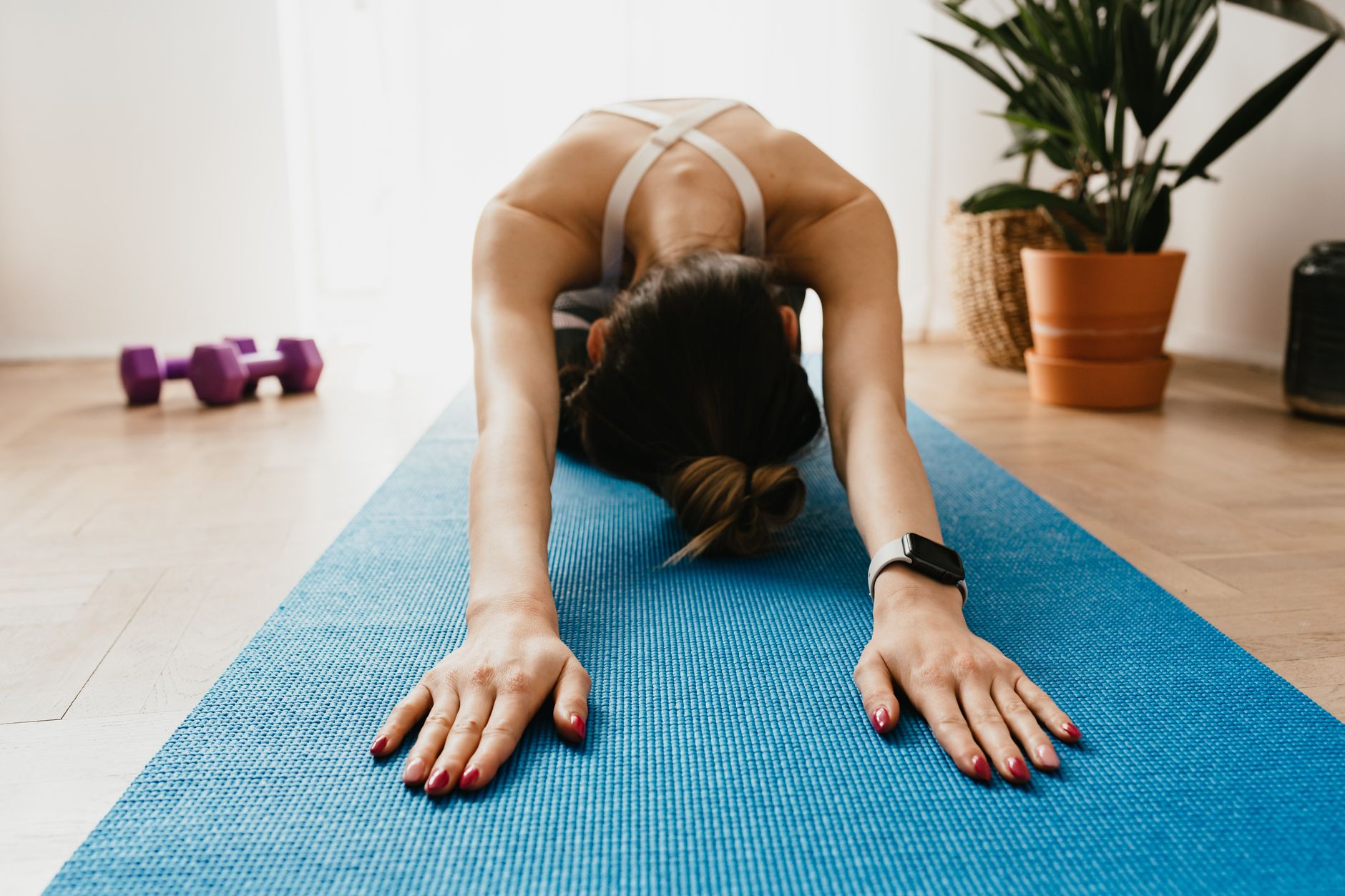
Edmonton’s calendar genuinely changes which option makes more sense, and a smart beginner plan adjusts rather than picking one format and sticking with it blindly for twelve months.
When Home Practice Wins: Deep Winter and Smoke Season
Two stretches of the year favor staying home. Deep winter, from late December through February, is one, for all the driving and daylight reasons already covered. Wildfire smoke season, which now regularly affects Edmonton’s air quality in July and August, is the other. When Alberta Health Services issues an air quality advisory, outdoor movement and even the drive to a studio matter less than staying in filtered indoor air, and a home practice with the windows shut is often the more sensible call. Alberta Health Services’ guidance on wildfire smoke recommends limiting outdoor exertion on poor air quality days, which quietly favors whichever yoga option keeps you indoors with control over your air.
When Studio Classes Win: Spring Reset and Fall Restart
September and October, and again in March and April, tend to be when Edmontonians restart routines that slipped over summer or survived on autopilot through winter. Studio intro offers cluster around these months, and a fresh external structure helps more than a solo restart does. Spring specifically comes with its own wrinkle: seasonal allergies can make certain breathing-heavy practices uncomfortable if pollen counts are high and a studio’s ventilation is pulling in outside air. If that is a factor for you, our Edmonton spring allergies wellness guide for seasonal relief covers timing your practice around pollen counts, whether indoors or out. For a broader sense of what else fits into a sustainable routine year-round in this city, our Edmonton health and wellness resource rounds up options beyond yoga alone.
The Verdict: Which Should You Actually Choose
There is no single right answer here, but there are clear right answers depending on your specific situation.
Best for Budget
If cost is the deciding factor, at-home yoga wins outright. A one-time gear purchase of $60 to $120 and a free YouTube channel or a $10 to $20 monthly app subscription beats a $140 to $180 studio membership by a wide margin. If you eventually want in-person coaching without full studio pricing, check City of Edmonton recreation centre drop-in classes first, since they run a fraction of private studio cost.
Best for Winter Consistency
If you know from past experience that -25°C mornings kill your motivation, build your practice around home sessions from November through February, then add studio classes back in once daylight and driving conditions improve in March. This hybrid timing respects how Edmonton actually works rather than fighting it.
Best for True Beginners Worried About Injury
If you have never done yoga before, or you have a joint issue, old injury, or limited flexibility you are unsure how to work around, start with at least four to six studio classes before moving to home practice. The in-person alignment correction in those first sessions is worth the higher cost, and it reduces the real risk of reinforcing bad form for months without knowing it.
Best for Social Motivation and the Hybrid Approach
Most Edmonton beginners land somewhere in the middle. Start with a studio intro pass to learn the fundamentals safely, then supplement with home practice on the days a commute is not realistic. This combination gets the accountability and coaching benefits of a studio without requiring a full unlimited membership for every single session.
Related Articles
- How to Build a Morning Wellness Routine for Beginners: An Edmonton Guide
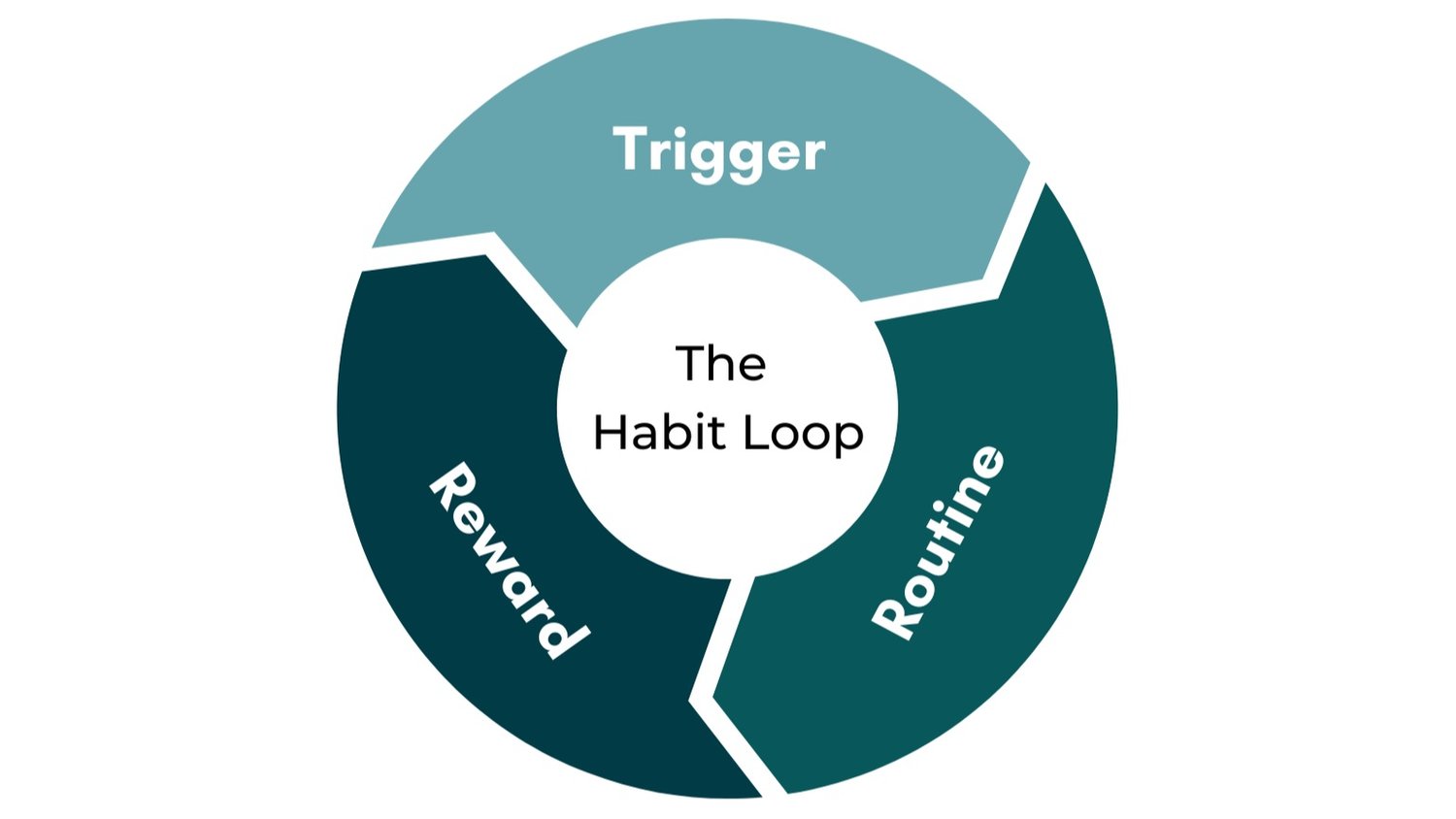
- What Is a Sustainable Habit Loop and How Does It Work: Building Wellness Routines That Stick in Edmonton
Sources & References
Find Trusted Wellness Spots in Edmonton
Browse our independent guide to Edmonton’s spas, fitness studios, and wellness services. Local. Honest. Free.
Frequently Asked Questions
Is at-home yoga good enough for a total beginner in Edmonton?
Yes, for basic movement and stress relief, but plan on at least a handful of studio classes first if you want proper alignment feedback. A beginner-specific app like Down Dog, paired with a few Yoga Basics classes at a local studio, covers both bases without a big financial commitment.
How much should a beginner budget monthly for yoga in Edmonton?
Budget $0 to $20 a month for a fully home-based practice, or $140 to $180 for an unlimited studio membership if you go all-in on classes. A middle option, using a City of Edmonton recreation centre membership for drop-in yoga, typically runs $50 to $80 a month depending on the facility.
Do Edmonton yoga studios offer trial periods for beginners?
Most private studios in Old Strathcona, Oliver, and downtown offer a new-student intro rate, commonly two to four weeks unlimited for $30 to $50. This is the cheapest way to test whether studio classes fit your schedule before committing to a full monthly membership.
Is home yoga practical during an Edmonton winter?
It is one of the most practical options specifically because it removes the commute during extreme cold warnings. Pair a home routine with a plan for the darkest months, since motivation naturally drops once daylight shrinks below eight hours a day.
Can smoke season affect my yoga routine in Edmonton?
Yes. During wildfire smoke advisories in July and August, indoor practice with windows closed is the safer choice over outdoor or open-air studio sessions. Check current air quality advisories before deciding between an outdoor yoga class and a home session on smoky days.