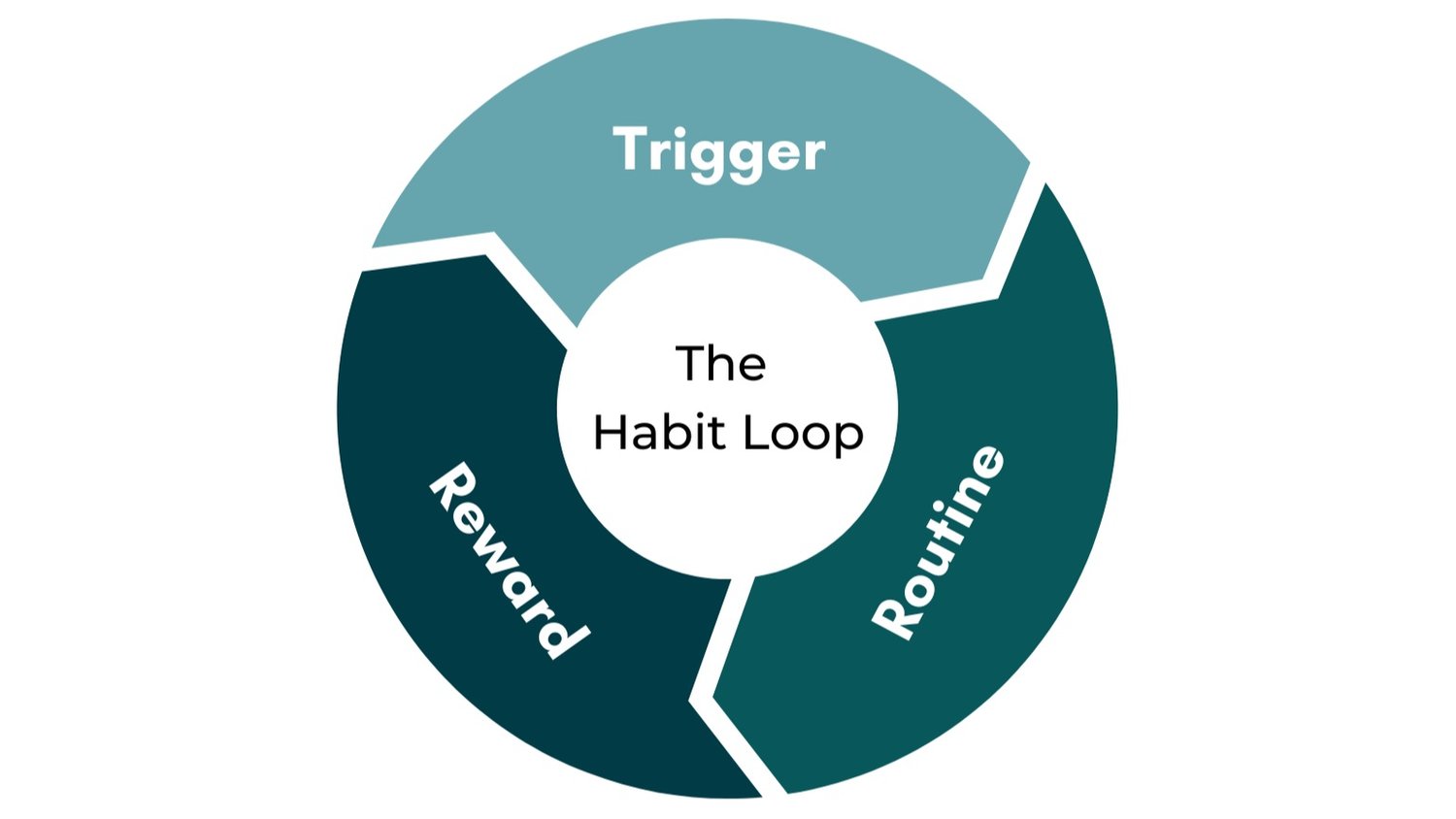
Getting a family wellness routine off the ground in Edmonton means planning around two things most guides ignore: our winters and our actual schedules. A routine that assumes daily outdoor time falls apart in January when it is -25°C before the bus even arrives. A routine that needs an hour a day gets abandoned by week two because nobody in a household with school pickups, hockey practice, and homework has a spare hour lying around. This guide walks you through how to start a family wellness routine with kids that survives an Edmonton winter, fits a real school-year schedule, and does not require anyone to become a different kind of family overnight. Expect to spend about two weeks setting things up and testing them before the routine starts running on its own.
Last reviewed:
- Tools needed: A wall calendar or whiteboard, a simple habit tracker (paper chart or app), a family YMCA or rec centre membership (optional), and 20-30 minutes for a weekly planning conversation.
- Time: Roughly 2 weeks to set up, test, and adjust before the routine becomes habitual.
- Difficulty: Beginner.
Step 1: Pick One Realistic Day to Start
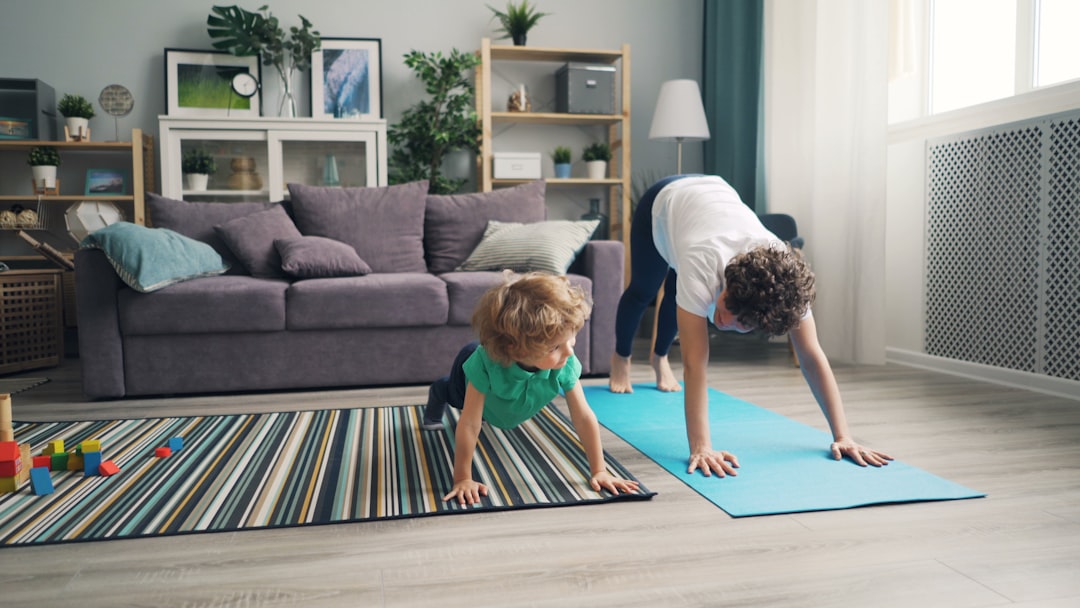
Most families try to start a wellness routine on a Monday because it feels symbolic. Skip that instinct. Pick the day that actually has the most open space in your week, even if that is a Wednesday or a Sunday. Starting on a day that is already crowded with hockey practice, piano lessons, or a late work shift sets the routine up to fail before it begins.
Assess Your Family’s Actual Schedule
Pull out your family calendar and look at the next two weeks honestly. Mark every recurring commitment: school pickup times, extracurriculars, work shifts, and anything tied to Edmonton’s after-school activity schedule. Most families discover they have two or three genuinely open evenings a week, not five. Build around those, not around the ideal version of your week.
- Circle the two least-busy weekdays and one weekend day.
- Note what time everyone is actually home and fed, not what time you wish they were.
- Check whether daylight matters for your plans. In December, sunset in Edmonton hits around 4:15 p.m., so anything outdoors needs to happen before school ends or on weekends.
Choose Your Anchor Day
Pick one day to launch the routine and treat it as your reset point each week going forward, not just the start date. A Sunday anchor works well for many Edmonton families because it lets you plan the week’s meals, check the weather, and prep gear for whatever the week throws at you, from a -30°C cold snap to a smoke advisory in July.
Watch out: Do not wait for a “perfect” week with no conflicts. That week does not exist in a household with kids. Start with the imperfect week you actually have.
Step 2: Choose One Wellness Habit Per Family Member
The biggest reason family wellness routines collapse is that parents try to install five new habits across four people at once. Instead, assign one habit per person, matched to their age and what they will actually do without a daily argument. For more on tailoring this to different kids’ ages and interests, see how to get kids excited about family wellness routines.
What Does A Realistic Wellness Routine Look Like For Families covers this in more detail.
Habits for Younger Kids (Ages 4-8)
Keep it physical and short. A 10-minute bike ride around the block, 15 minutes of active play at a River Valley playground, or a bedtime stretch routine works better than anything that requires sitting still. Canada’s 24-Hour Movement Guidelines recommend at least 60 minutes of moderate to vigorous activity daily for kids in this age range, spread across the day rather than in one block.
Habits for Tweens and Teens
This age group responds better to habits they help choose. Offer two or three options and let them pick: a weekly swim at Kinsmen Sports Centre, a family walk on the Whitemud Ravine trails, or a 20-minute screen-free wind-down before bed. Forcing a habit on a 13-year-old guarantees resistance. Giving them a choice within a structure usually gets buy-in.
Habits for Parents
Parents skip this step constantly and it is the reason routines stall. Kids copy what you do, not what you say. Pick one habit for yourself, whether that is a 20-minute walk after dinner, a Saturday morning yoga class, or 10 minutes of stretching before bed, and do it visibly. A useful reference point for setting expectations that will actually hold up is what a realistic wellness routine looks like for families.
| Age Group | Suggested Habit | Weekly Time Commitment |
|---|---|---|
| Ages 4-8 | Active outdoor play or bike rides | 60 min/day (can be split up) |
| Ages 9-12 | Family walk or swim, chosen from options | 3-4x per week, 20-30 min |
| Teens (13-17) | Screen-free wind-down or self-chosen activity | 15-20 min daily |
| Parents | One personal habit modeled visibly | 3-5x per week, 20-30 min |
Watch out: Do not assign the same habit to everyone. A routine that treats a 6-year-old and a 15-year-old identically will not stick for either of them.
Step 3: Build a Simple Weekly Schedule Around Edmonton’s Seasons

Edmonton does not have one wellness season. It has at least three: a long, dark winter, a short and intense summer, and two unpredictable shoulder seasons that can swing from snow to shorts weather in the same week. A routine that only works in July is not a routine, it is a summer hobby.
Winter Schedule (November to March)
Lean indoors for consistency and use outdoor time as a bonus, not the backbone. Rec centres like the Meadows or Terwillegar Community Recreation Centre offer family swim times for roughly $7-9 per adult and $5-6 per child, drop-in. On clear, calm days above -15°C, a 20-minute walk in the river valley still works, just dress in layers and watch for ice. For the darkest stretch of the year, pair this step with how to maintain wellness habits during Edmonton winter darkness, since low light genuinely affects motivation, not just mood.
Summer Schedule (May to August)
Flip the ratio. Push outdoor time hard while the daylight lasts until 10 p.m. in June. Free options include Hawrelak Park’s trails and open lawns, the Rundle Park splash areas, and the growing network of River Valley trails, which the City of Edmonton’s river valley trail system lists at over 160 kilometres connected across the city. Watch for smoke advisories in July and August. On smoke days, swap outdoor plans for an air-conditioned option like a mall walk at West Edmonton Mall or an indoor pool session instead of cancelling the habit entirely.
Shoulder Season Flex (April, September, October)
These months need a backup plan built in from day one, because weather can flip from sunny to sleet within 24 hours. Keep one indoor and one outdoor version of each habit ready so a surprise snowfall in late September does not cancel the whole week’s routine.
Watch out: Do not plan an all-outdoor routine in October and assume it will carry through December unchanged. Build the seasonal swap into the plan now, not as a scramble later.
Step 4: Set Up a Visual Tracking System Kids Will Actually Use
Adults can track habits in an app. Kids, especially under age 10, need something they can see and touch. A tracking system that lives only in a parent’s phone is invisible to the rest of the family and dies quietly within a month.
Choosing a Tracking Method
A simple wall chart with a box for each family member and each day works better than most apps for households with young kids. Stickers, checkmarks, or a magnet that moves are enough. For families who want more structure or are tracking multiple habits across several people, the approach laid out in how to track wellness habits that actually stick covers both paper and digital options in more depth.
Making It a Daily Ritual
Attach the tracking moment to something that already happens every day, like brushing teeth or setting the table for dinner. This is basic habit-stacking, and it works because it removes the need to remember a separate step. Keep the chart somewhere visible, like the fridge or a spot near the front door where boots and coats live.
- Update the chart at the same time each day, ideally right after the habit happens.
- Celebrate streaks of 3 and 7 days out loud, not just at the end of the month.
- Let kids mark their own boxes. Ownership matters more than accuracy here.
Watch out: Do not tie the tracker to a reward system that gets expensive or complicated fast. A sticker chart that turns into a negotiation over toy purchases every week creates more friction than it solves.
Step 5: Pick 2-3 Local Anchor Activities and Book Them

A routine needs at least one or two fixed points that do not depend on motivation that day. These are the activities you book or commit to in advance, so the routine has structure even on low-energy weeks.
Free and Low-Cost Options
Edmonton has more free wellness infrastructure than most families use. The Edmonton Public Library runs free family movement and mindfulness programs at several branches. Hawrelak Park and Terwillegar Park have free parking lots and open green space for walks or bike rides. Community league outdoor rinks, many free or under $5 for a skate rental, run through the winter across neighborhoods from Windermere to Old Strathcona.
Paid Options Worth the Price
A family YMCA membership runs roughly $110-130 per month for a household and includes pool access, family swim times, and drop-in fitness classes at multiple Edmonton locations. Family or kids’ yoga drop-ins around Whyte Avenue and 124 Street typically run $15-20 per class. Snow Valley in the river valley offers family tubing sessions for around $25-30 per person in winter, which doubles as an anchor activity that actually gets everyone outside during the coldest months. Whichever activity you pick, check parking first. Downtown and Whyte Avenue venues often mean metered street parking, while community rec centres like Terwillegar and the Meadows have free lots.
Watch out: Do not book more than 2-3 anchor activities per week at first. More than that turns a wellness routine into a second set of extracurriculars, and it will get cut the first time the schedule gets tight.
Step 6: Run a Two-Week Test and Adjust
Treat the first two weeks as a trial, not a final version. Almost no family gets the routine right on the first attempt, and that is normal, not a failure.
What to Track During the Test
Watch for three things: which habits actually happened without a fight, which days consistently get skipped, and how everyone’s energy looks by the end of the week. If Wednesday is getting skipped every single week, the problem is probably the day, not the habit.
When and How to Adjust
At the end of week two, sit down as a family for 15 minutes and ask what worked and what did not. Move habits to different days, swap a struggling activity for something else, or reduce the time commitment if it is consistently too much. According to Mayo Clinic’s research on habit formation, new routines typically take several weeks of repetition before they feel automatic, so expect some friction through week three and four even after adjustments. If January feels like the natural full reset point for your household, pair this step with the beginner wellness routine checklist for January in Edmonton for a seasonal restart plan.
Watch out: Do not scrap the whole routine because one habit did not work. Adjust the piece that is broken and keep the pieces that are working.
Common Mistakes to Avoid

- Starting with too many habits at once. One habit per person is plenty for the first month.
- Ignoring the season you are in. A routine built in July that assumes daily outdoor time will not survive a January cold snap without a backup plan.
- Making the tracker invisible. If it lives only on a parent’s phone, kids will not engage with it.
- Skipping the parent habit. Kids notice when the routine only applies to them.
- Over-scheduling anchor activities. More than three fixed commitments a week turns wellness into another obligation.
- Quitting after one bad week. Every family routine needs at least two weeks of adjustment before it settles in.
What’s Next
Once the routine has run for a month and the habits feel less like a project and more like normal life, revisit it every season. Edmonton’s climate shifts hard enough between January and July that a routine built for one will need real changes for the other, not just minor tweaks. Check back in around each seasonal transition, adjust the anchor activities, and keep the tracking system simple enough that nobody dreads updating it.
Related Articles
- How to Build a Morning Wellness Routine for Beginners: An Edmonton Guide
- What Is a Sustainable Habit Loop and How Does It Work: Building Wellness Routines That Stick in Edmonton
- How to Start Yoga at Home in Edmonton: A Winter-Friendly Guide
Sources & References
Find Trusted Wellness Spots in Edmonton
Browse our independent guide to Edmonton’s spas, fitness studios, and wellness services. Local. Honest. Free.
Frequently Asked Questions
How long does it take to build a family wellness routine that sticks?
Plan on roughly a month before it feels automatic, with the first two weeks being a test phase where you expect to adjust the schedule. Families who try to lock in a perfect routine on day one usually abandon it faster than families who treat the first two weeks as a trial run.
What is a realistic amount of wellness activity to start with for a busy Edmonton family?
Start with one habit per person and 2-3 anchor activities a week, not a daily full-family workout. A 20-minute family swim at a rec centre like Terwillegar once a week, paired with a short daily habit like a bedtime stretch, is enough to build momentum without overwhelming anyone’s schedule.
How do we keep the routine going through an Edmonton winter?
Shift the balance toward indoor activities like rec centre swims and community league rinks, and treat outdoor time as a bonus on days above -15°C rather than a requirement. Keeping a visible tracker on the fridge helps kids stay motivated even when it is dark by 4:30 p.m.
What if my kids resist the new routine?
Give them a choice within a structure instead of a fixed assignment, especially for tweens and teens. Letting a 12-year-old pick between a bike ride and a swim, rather than telling them which one to do, cuts resistance significantly.
Do we need to spend money to start a family wellness routine in Edmonton?
No. Free options like Hawrelak Park trails, community league outdoor rinks, and Edmonton Public Library family programs can anchor a routine without any membership cost. Paid options like a YMCA family membership, around $110-130 a month, add variety but are not required to get started.