By the time Remembrance Day hits, most Edmontonians are already bracing for it: five months where the sun sets before 5 p.m., the sidewalks are glazed with ice, and the only green thing you see is the Christmas lights on Jasper Ave. Stress management techniques for Edmonton winter months aren’t a luxury here. They’re maintenance, the same way you’d winterize a vehicle before the first cold snap. This guide walks through what actually works when you live somewhere that hits -30°C, loses roughly eight hours of daylight compared to June, and still expects you to show up for work, parent your kids, and function like a normal person. No vague advice about “finding your calm.” Just specific techniques, real Edmonton locations, approximate prices, and a routine you can build starting this week.
Last reviewed:
Why Edmonton Winters Are a Different Kind of Stress
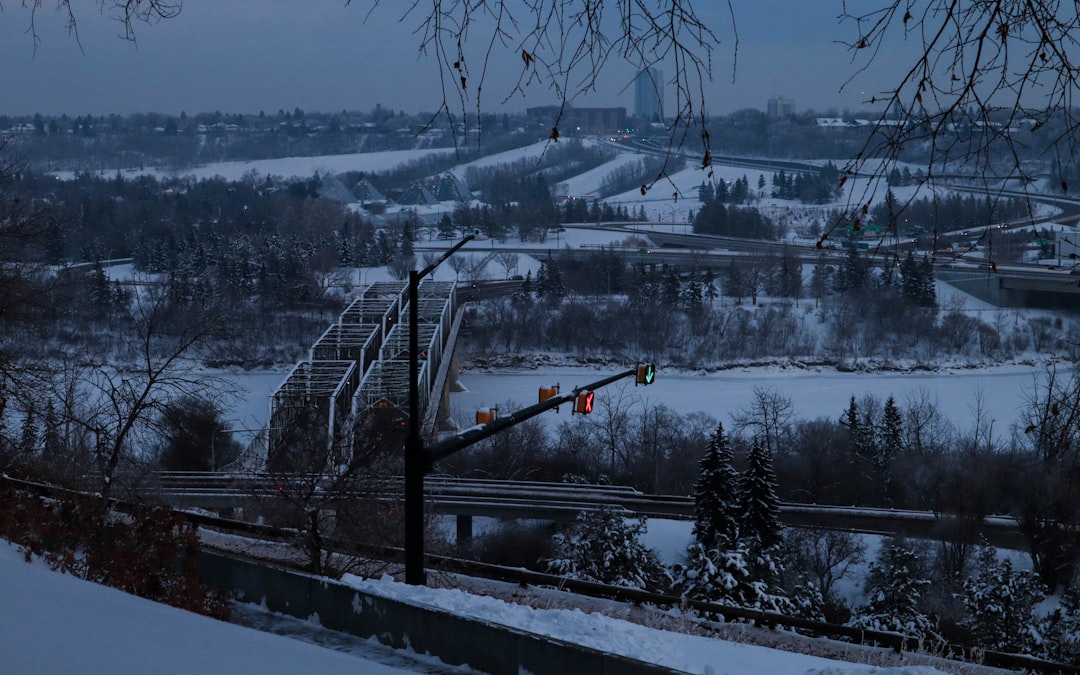
Stress in January doesn’t feel like stress in July, and if you’ve lived here more than one winter, you already know that. The stress that builds between November and March has a physical component that summer stress doesn’t. It’s not just a bad day at work. It’s a bad day at work followed by a black four-block walk to your car, followed by scraping a windshield in the dark, followed by a house that’s too quiet because nobody wants to go outside again.
The Daylight Problem
Edmonton sits at roughly 53.5 degrees north latitude, which means the winter solstice brings under 8 hours of daylight, compared to nearly 17 hours in June. That swing is bigger than what most Canadian cities deal with, and it matters for mental health. Reduced light exposure disrupts the body’s circadian rhythm and serotonin production, which is part of why seasonal affective disorder shows up so reliably in northern climates, according to the Mayo Clinic. If you’ve noticed you’re more irritable, foggier, and less motivated by late December, that’s not a character flaw. That’s biology responding to a genuine lack of light.
Cold as a Stressor, Not Just a Discomfort
Extreme cold triggers a real physiological stress response. Your body burns extra energy regulating temperature, cortisol rises, and simple tasks (starting your car, dressing kids for the bus stop, walking to a meeting) take longer and require more planning. Multiply that by five months and you get a low hum of background stress most Edmontonians have just learned to tune out. Except tuning it out isn’t the same as managing it.
How To Create A Winter Wellness Checklist For Edmonton covers this in more detail.
The Isolation Multiplier
Cold weather keeps people indoors, and isolation compounds stress. Fewer casual run-ins on Whyte Avenue, fewer patio hangouts, fewer spontaneous walks in the river valley. Social contact drops exactly when people need it most. That’s why several of the techniques below are built around getting you out of the house, not just coping quietly on the couch under a blanket.
Can You Get Vitamin D In Edmonton During Winter Months covers this in more detail.
Light and Vitamin D Strategies for Winter Stress Management
Light exposure is the single most evidence-backed lever for winter stress management, and it’s also the easiest to ignore because it requires a bit of upfront planning. Here’s how Edmontonians actually make it work.
Best Hot Springs Near Edmonton For Winter Wellness Escapes covers this in more detail.
Light Therapy Boxes: What to Buy and When to Use Them
A 10,000-lux light therapy box, used for 20 to 30 minutes each morning, is the standard recommendation for seasonal mood dips. Prices in Edmonton run from about $40 for a basic unit at London Drugs or Shoppers Drug Mart up to $150 for a Carex or Verilux model with adjustable brightness. Use it while you eat breakfast or check email, ideally before 9 a.m., since morning light exposure does more to reset your circadian rhythm than an evening session. Consistency matters more than intensity. Ten minutes daily beats an hour once a week.
Best Sauna Practices For Winter Wellness Edmonton covers this in more detail.
Getting Outside During the Short Window You Have
Even on a -20°C day, stepping outside for 15 minutes around noon (when the sun is highest) delivers more usable light than sitting near a window. Windermere and the river valley trail system near Terwillegar Park get full sun exposure on clear days, and the pathways are maintained through winter, though ice patches show up fast after a chinook. Dress for it: a proper base layer, a wind-blocking shell, and good traction matter more than a heavy parka you’ll overheat in after ten minutes of walking.
Vitamin D and Diet Support
Edmonton’s winter sun angle is too low for skin to synthesize meaningful vitamin D even on clear days, which is a big part of why supplementation gets recommended so often here. Our guide on whether you can actually get vitamin D in Edmonton during winter months breaks down dosing and food sources in more detail, but the short version is that most Edmontonians benefit from a supplement between October and April. Pair that with foods naturally higher in vitamin D, like fatty fish and fortified milk, and you’re covering both bases rather than relying on one fix.
Movement-Based Techniques for Managing Winter Stress
Exercise is one of the most reliable stress management techniques for Edmonton winter months, but the trick is picking movement you’ll actually keep doing once it’s dark at 4:45 p.m. and the driveway needs shoveling.
Indoor Fitness Options Worth the Membership
Studios across Oliver, 124 Street, and Old Strathcona fill up fast starting in November as people move their routines indoors. Drop-in yoga classes typically run $18 to $25, with monthly unlimited memberships between $120 and $170. Hot yoga studios are especially popular in winter for the obvious reason: sweating through a 38°C room feels like a small miracle when it’s -25°C outside. If you’re building a habit from scratch, our piece on maintaining wellness habits during Edmonton’s winter darkness covers how to keep a routine going once the initial motivation wears off around week three, which is when most people quit.
Cold-Weather Outdoor Movement
Not everyone wants to trade the outdoors for a studio all winter, and you don’t have to. Cross-country skiing at Rundle Park or Snow Valley, snowshoeing through the river valley trails, and even brisk winter walking all count as legitimate stress management tools, combining movement, daylight, and fresh air in one activity. The City of Edmonton’s river valley trail network stays groomed on major routes through winter, and parking lots at Hawrelak Park and Whitemud Park get plowed regularly. Layer properly and cap outdoor sessions around 30 to 45 minutes when temperatures drop below -20°C to avoid overexertion in the cold.
Low-Impact Options for High-Stress Weeks
Some weeks you don’t have the energy for hot yoga or a ski loop, and that’s fine. Gentle stretching, restorative yoga, and short walks on the treadmill still lower cortisol and improve sleep. Community leagues across Edmonton, including ones in Windermere and Sherwood Park, run affordable drop-in fitness classes for $10 to $15 a session, which is a lower-commitment entry point than a full studio membership if you’re not sure what will stick.
Heat and Recovery Techniques for Winter Stress
There’s a reason sauna culture and hot springs trips spike in popularity here every winter. Heat therapy does something cold-climate living can’t: it forces the body out of the stress response and into recovery mode, fast.
Sauna Sessions as a Weekly Reset
Traditional and infrared saunas are having a real moment in Edmonton, with standalone studios popping up in Oliver and along Whyte Avenue alongside the ones already inside established spas. A single session runs $25 to $45, and multi-visit packages bring the per-session cost down closer to $20. Research published through the National Library of Medicine has linked regular sauna use to reduced cardiovascular stress markers and improved mood, though experts caution it works best as a consistent habit rather than an occasional treat. Our full breakdown on sauna practices for winter wellness in Edmonton covers session length, hydration, and how to combine heat with cold exposure safely.
Hot Springs Day Trips
When the stress calls for a full reset instead of a 45-minute session, a day trip to a natural hot spring is worth the drive. Several options within a few hours of Edmonton offer outdoor soaking even when it’s snowing, which sounds miserable until you’re actually in the water watching your breath freeze above the surface. We’ve mapped out the best options in our guide to hot springs near Edmonton for winter wellness escapes, including drive times and entry fees, which generally run $20 to $50 per adult.
Massage Therapy and Registered Coverage
Massage therapy isn’t just relaxation, it’s a legitimate stress management tool, and in Alberta it’s often covered in part by extended health benefits when performed by a registered massage therapist. Rates around Edmonton run $90 to $140 per hour depending on the clinic and neighborhood, with Downtown and Windermere clinics typically at the higher end. Booking a standing monthly appointment, rather than going only when you’re already in crisis, tends to produce better results for chronic stress and tension.
Breathing and Mindfulness Techniques for Edmonton Winters
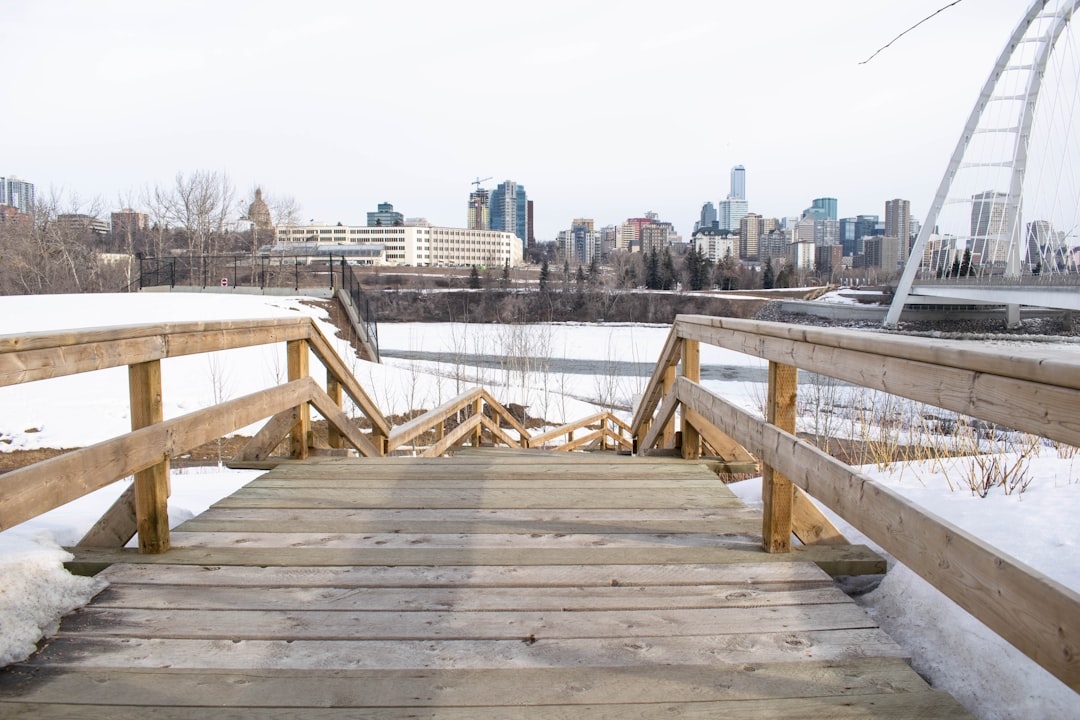
Not every winter stress management technique requires leaving the house or spending money. Breathing and mindfulness practices work anywhere, including the parking lot of the West Edmonton Mall while you wait for the car to warm up.
Box Breathing for Acute Stress
Box breathing, sometimes called four-square breathing, means inhaling for four seconds, holding for four, exhaling for four, and holding again for four. It’s a technique used by military and first responder training programs to blunt an acute stress spike, and it works just as well for a stressful commute down Jasper Ave in whiteout conditions. Three to five rounds is usually enough to bring your heart rate back down.
Meditation Studios and Apps
Guided meditation studios in Old Strathcona and Downtown run drop-in sessions for $15 to $20, which can be a helpful structure if practicing alone feels awkward at first. If you’d rather build a habit privately, apps remain a low-cost option, and Alberta Health Services points to mindfulness-based approaches as a legitimate, evidence-supported piece of a broader mental health toolkit, not a replacement for treatment when stress becomes more serious.
Cold Exposure Breathing
This one sounds counterintuitive for a city that already spends five months below freezing, but brief, controlled cold exposure (a 30-second cold shower finish, or stepping outside without a coat for a minute) paired with slow breathing can build stress resilience over time. It’s not for everyone, and it’s not a replacement for proper winter gear. Think of it as a controlled dose, not a dare.
Building a Weekly Stress Management Routine for Winter
Individual techniques help, but a routine is what actually gets you through to April without burning out. The goal isn’t perfection. It’s a repeatable structure that survives a bad week.
A Sample Weekly Structure
- Daily: 20 minutes of light therapy in the morning, 10 minutes of midday outdoor light exposure when possible
- 3 to 4 times per week: movement, alternating indoor classes with outdoor walks or ski loops depending on weather
- Weekly: one heat-based recovery session, sauna or a longer soak
- As needed: box breathing during acute stress spikes, especially before high-stakes meetings or stressful drives
- Monthly: one bigger reset, a hot springs day trip or a massage appointment
Comparing the Core Techniques
| Technique | Time Cost | Approximate Price | Best For |
|---|---|---|---|
| Light therapy box | 20 to 30 min daily | $40 to $150 one-time | Daily mood regulation |
| Hot yoga class | 60 to 75 min | $18 to $25 drop-in | Movement plus warmth |
| Sauna session | 20 to 45 min | $25 to $45 | Weekly physical reset |
| Hot springs day trip | Half to full day | $20 to $50 entry | Monthly deep recovery |
| Box breathing | 2 to 5 min | Free | Acute stress spikes |
| Registered massage therapy | 60 min | $90 to $140 | Chronic tension |
Tracking What Actually Works for You
Not every technique lands the same for every person, so track it for a few weeks. Note your stress level before and after trying something, and be honest if a $150 light box isn’t doing anything but a $20 weekly sauna visit is. Our winter wellness checklist for Edmonton is a useful starting template if you want a structured way to track what’s working before the season gets away from you again.
When Stress Becomes Something More
Stress management techniques help with the day-to-day grind of an Edmonton winter, but they aren’t a substitute for professional support when symptoms cross a line. Knowing the difference matters.
Signs It’s More Than Seasonal Stress
Persistent low mood lasting more than two weeks, loss of interest in things you normally enjoy, major changes in sleep or appetite, and difficulty functioning at work or home are signs that go beyond typical winter stress. According to the Mayo Clinic, seasonal affective disorder is a form of depression, not just a rough patch, and it’s treatable with the right combination of light therapy, counselling, and in some cases medication.
Local Resources
Alberta Health Services runs the Mental Health Help Line at 1-877-303-2642, available 24 hours a day, and their Access Mental Health services page is a solid starting point for finding a counsellor or psychiatrist covered under Alberta Health Care. If cost is a barrier, community health centres in Oliver and Downtown offer sliding-scale counselling, and the University of Alberta’s student wellness services are available for enrolled students dealing with winter-related stress spikes during exam season.
Talking to a Family Doctor First
If you’re not sure whether what you’re feeling is normal winter fatigue or something that needs treatment, start with a family doctor. They can rule out other causes, like thyroid issues or low iron, that sometimes mimic seasonal depression, and refer you to specialists if needed. There’s no reason to wait until March to ask.
Sources & References
Find Trusted Wellness Spots in Edmonton
Browse our independent guide to Edmonton’s spas, fitness studios, and wellness services. Local. Honest. Free.
Related Reading
Frequently Asked Questions
What is the fastest way to reduce stress during an Edmonton cold snap?
Box breathing takes under five minutes and works immediately for acute stress, whether you’re stuck in traffic on Whyte Avenue or waiting for a car to defrost. Pair it with a warm drink and, if possible, ten minutes near a light therapy box once you’re indoors.
Do light therapy boxes actually work for winter stress?
Yes, for many people. A 10,000-lux box used for 20 to 30 minutes each morning is the standard recommendation, and it’s backed by research on seasonal affective disorder cited by the Mayo Clinic. It won’t work for everyone, but it’s low-risk and worth a two-to-three-week trial before giving up on it.
Is it worth joining a hot yoga studio just for winter?
If cost is a concern, many Edmonton studios offer seasonal or punch-card pricing rather than requiring a full annual membership. A punch card of 10 classes typically runs $150 to $200, which works out cheaper per session than drop-in rates if you’re committing to a winter routine.
How often should I do sauna or heat therapy in winter?
Once a week is a reasonable baseline for stress management purposes, though some Edmontonians go two to three times weekly during the darkest months. Always hydrate well before and after, and check with a doctor first if you have cardiovascular conditions.
What’s the difference between normal winter stress and seasonal affective disorder?
Normal winter stress ebbs and flows and usually responds to the techniques in this guide. Seasonal affective disorder is a diagnosable form of depression that persists, worsens, and interferes with daily functioning, and it typically needs professional treatment beyond self-directed stress management.