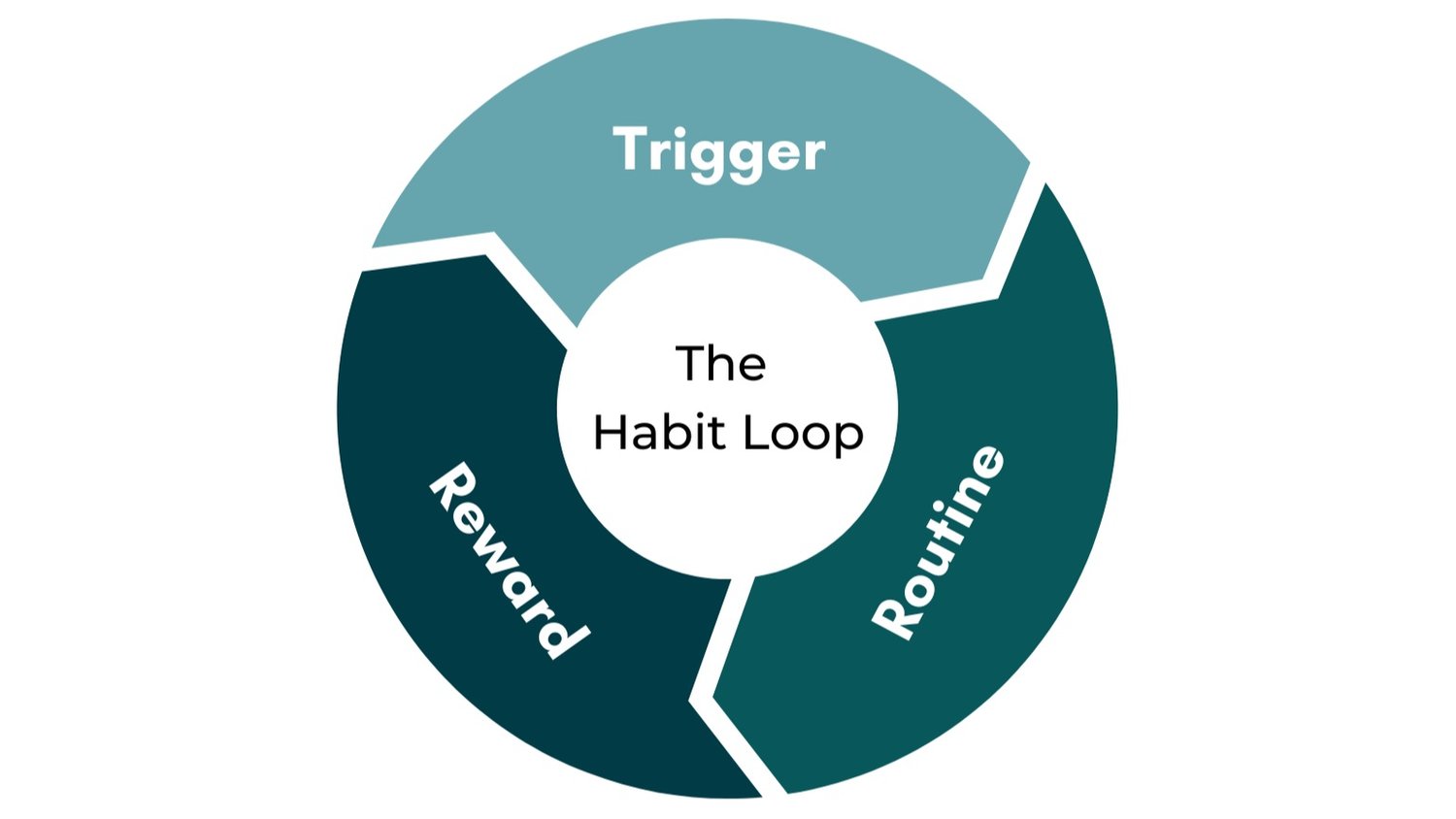
Every January, gyms across Edmonton fill up fast. By the second week of February, half those new faces are gone. If you have ever wondered why do wellness habits fail in January in Edmonton specifically, the answer is not laziness. It is a collision of biology, geography and bad planning that hits harder here than almost anywhere else in Canada. This guide breaks down the real mechanics behind the January slump, why Edmonton’s climate makes it worse, and what actually keeps a routine alive past the thaw.
Last reviewed:
Why Wellness Habits Fail in January in Edmonton, Not Just Anywhere

Ask someone in Vancouver why their gym resolution died, and they will probably say they got busy. Ask someone in Edmonton, and the answer usually involves the words “dark,” “cold,” or “ice.” That difference matters. Edmonton sits at roughly 53.5 degrees north latitude, which means January days run about 8 hours from sunrise to sunset, according to City of Edmonton seasonal data on daylight and river valley conditions. Compare that to a city like Calgary at similar latitude but with more chinook breaks, and you start to see why Edmonton’s version of the January slump is its own beast.
The Daylight Problem: Only 8 Hours of Light in January
Most people who set a 6 a.m. workout goal on January 1 are setting it in the dark. Sunrise in Edmonton in early January is around 8:45 a.m. Sunset comes around 4:45 p.m. If you work a standard 9-to-5, you are commuting to work in darkness and commuting home in darkness. That is not a motivation problem. That is a circadian rhythm problem. Low morning light delays the drop in melatonin that normally signals your body to wake up and feel alert, which is part of why so many Edmontonians report feeling groggy well past their alarm in January.
-20°C Mornings Kill Motivation Before You Wake Up
Here is what actually happens in most Edmonton households in January. You set your alarm for a 6:15 a.m. run or a 7 a.m. class at a studio on Whyte Avenue. You wake up, check the weather app, see -22°C with a windchill warning, and go back to sleep. This is not a willpower failure. It is a rational response to genuine physical risk. Environment Canada issues extreme cold warnings for the Edmonton region multiple times each winter, and outdoor exercise in those conditions carries real risk of frostbite in under 30 minutes of exposed skin. When the environment itself punishes the behavior you are trying to build, the habit does not stand a chance without a backup plan.
The New Year Motivation Spike Is a Trap
January 1 feels different because of what behavioral scientists call the “fresh start effect.” A new calendar year, like a new week or a new month, gives people a mental line to draw between their old self and their new self. That spike in motivation is real, but it is also temporary. It is not a strategy, it is a mood. Relying on it to carry you through eight weeks of darkness and cold is like trying to heat your house for the winter with a single match. This is exactly why so many people ask why wellness habits fail in January in Edmonton when really the January energy was never designed to last past week three.
What Wellness Habits Stick And Which Ones Fail Psychology covers this in more detail.
The Psychology Behind Habit Collapse
Understanding why do wellness habits fail in January requires looking past willpower entirely. Habit formation is a mechanical process, not a moral one. Behavioral researchers have spent decades studying how habits form and break, and the findings consistently point away from motivation and toward structure.
Motivation Is Not a Strategy
Motivation is a feeling. Feelings fluctuate with sleep, stress, blood sugar and, in Edmonton’s case, sunlight exposure. Building a wellness routine around a feeling means the routine collapses the moment the feeling does, usually within a few weeks. People who stick with new habits long term almost always report relying on structure instead: a fixed calendar slot, a standing appointment, a workout partner who expects them to show up. If you have tried and failed to build a routine using motivation alone, our Edmonton Wellness Guide breaks down structural approaches that hold up better through the winter months.
Health And Wellness Edmonton covers this in more detail.
Habit Stacking Fails Without an Existing Routine
Habit stacking, the practice of attaching a new behavior to an existing one, works well in theory. The problem is that most January resolutions try to stack a brand new habit onto a routine that does not exist yet. “I’ll meditate after my morning coffee” only works if the morning coffee routine is already rock solid and happens at a consistent time. In a season where mornings are dark, cold and often chaotic, even reliable routines get disrupted. Building a new habit on shaky ground is why so many January plans fall apart by the third week.
The 21-Day Myth vs Reality
You have probably heard that it takes 21 days to form a habit. That number is not based on solid research. A widely cited study published through University College London and referenced by the National Institutes of Health’s research database found that habit formation actually took an average of 66 days, with a range anywhere from 18 to 254 days depending on the person and the behavior. If you quit your new gym routine on day 22 because it still feels hard, you have not failed. You are simply still in the normal window where habits feel effortful. Most Edmontonians give up right around the point where the science says persistence should still be expected.
Edmonton-Specific Obstacles That Make January Harder
Generic wellness advice ignores geography. A plan built for someone in Victoria or Toronto often falls apart the moment it meets an Edmonton winter. Here are the local factors that make January uniquely hard on new routines.
Gym Parking and Transit in the Cold
A five-minute walk from your car to the gym door sounds trivial in July. In January, at -25°C with wind coming off the river valley, that same walk becomes a genuine deterrent. Downtown studios near Jasper Ave often mean paying for a parkade, then walking several blocks in the cold in workout clothes. Studios in Oliver and 124 Street tend to have better street parking, but it still means scraping a windshield before and after class. If your gym or studio choice depends on a long walk from parking or an LRT transfer at Churchill or Central Station in sub-zero wind, expect that friction to wear down your motivation faster than the workout itself does.
Smoke Season Habits Don’t Transfer to Winter
Edmontonians who built a solid outdoor routine during smoke season, when wildfire haze pushed everyone indoors in July and August, often assume that resilience will carry into winter. It usually does not, because the coping tools are different. Smoke season means swapping an outdoor run for an air-conditioned studio class. Winter means swapping a River Valley trail walk for an indoor track, and that requires planning a membership or drop-in schedule in advance rather than deciding day-of. Treating winter indoor exercise as an afterthought, the way many people treat one bad air quality week in summer, is a common reason routines quietly stop.
Icy Sidewalks and the End of Outdoor Routines
The River Valley trail system is one of Edmonton’s best wellness assets in summer, with over 160 kilometres of maintained trails according to the City of Edmonton’s river valley trail data. In January, a lot of that same trail network turns to packed snow and ice. Runners who built a habit around Mill Creek Ravine or the trails near Hawrelak Park in the summer often have no winter equivalent lined up. Without ice cleats, proper layering, or a backup indoor plan, the habit simply stops the first time the sidewalks turn dangerous, and it rarely restarts on its own.
The Financial Trap: Why Expensive Memberships Fail Faster

Money is supposed to be motivation. In practice, an expensive January sign-up often backfires. Understanding the financial psychology here explains another piece of why wellness habits fail in January in Edmonton households specifically.
The January Gym Membership Rush
Big-box gyms know exactly what they are doing every January. Discounted annual memberships, waived enrollment fees, two-for-one deals. A typical Edmonton gym membership runs somewhere between $45 and $90 a month, and January promotions can knock that down significantly for the first few months. The problem is that a low upfront cost lowers the psychological stake. If you barely notice the charge on your card, there is little friction stopping you from just not going. Industry attendance data has shown for years that January sign-ups have some of the steepest drop-off curves of any month, often losing half their new members by mid-February.
Studio Packages vs Drop-In Pricing
Boutique studios around Old Strathcona and Whyte Avenue typically charge $18 to $25 for a drop-in yoga or fitness class, or $150 to $220 for a 10-class package. On paper, the package looks like the smarter financial choice. In reality, prepaying for ten classes in January often means paying for classes you will never use once motivation dips in week three. Drop-in pricing costs more per class but keeps the decision fresh every single time, which lines up better with how habits actually form, one small consistent choice at a time rather than one large upfront commitment.
| Common January Approach | Typical Cost | Why It Often Fails |
|---|---|---|
| Discounted annual big-box gym membership | $45 to $90 per month | Low monthly cost removes financial pressure to actually show up |
| 10-class studio package bought in January | $150 to $220 | Prepaid classes go unused once motivation dips around week three |
| New expensive home equipment | $300 to $2,000 | No accountability structure, easy to ignore once novelty fades |
| Single ambitious goal (e.g. run a marathon by spring) | Varies | Too large a jump from current fitness level, no small wins along the way |
Sunk Cost Doesn’t Build Habits
There is a common assumption that spending more money will force you to follow through. It does not work that way. Sunk cost might make you feel guilty for a week or two, but guilt is not a sustainable fuel source. What actually predicts follow-through is how easy the next step is to take, not how much money is on the line. A $20 drop-in class you can walk to from your Windermere or Sherwood Park home in ten minutes will beat a $2,000 annual membership at a downtown facility you have to fight traffic to reach, every time.
What Actually Works: Building Habits That Survive February
Once you understand why do wellness habits fail in January in Edmonton, the fix becomes more obvious. It is not about trying harder. It is about designing a routine that survives darkness, cold and the inevitable motivation crash.
Anchor Habits to Existing Routines
Instead of building a habit around a feeling, build it around a fixed point that already happens every day regardless of mood. If you already make coffee every morning, do five minutes of stretching while it brews. If you already pick up groceries at the Old Strathcona Farmers’ Market on Saturdays, add a 20-minute walk through the market before you shop. The habit rides on the back of something that is already automatic, which removes the need for daily willpower. Our Edmonton Wellness Guide resource library has more detail on building anchor-based routines suited to Edmonton’s schedule and climate.
Choose Indoor-Outdoor Hybrid Options
The single biggest fix for Edmonton’s winter dropout rate is picking activities with a built-in indoor backup. A running habit needs an indoor track option for the -30°C days, something the University of Alberta’s Butterdome and several YMCA locations offer for a day pass around $12 to $18. A yoga habit needs both a studio option on 124 Street and an at-home fallback for days when the roads are bad. Building in the backup from day one, rather than scrambling for one after the first missed week, is what keeps a routine alive from November through March.
Track Something Simple, Not Everything
New Year plans often try to track everything at once: steps, water, sleep, macros, mood, meditation minutes. That much tracking becomes its own chore and adds friction rather than removing it. Pick one metric that matters and ignore the rest for the first two months. Days you moved your body for at least 20 minutes. Classes attended. Minutes outside before sunset. A single simple number is far easier to sustain through a dark Edmonton January than a spreadsheet with ten columns.
- Pick one metric to track for the first eight weeks, not five.
- Anchor the habit to something that already happens daily, like making coffee or the evening commute home.
- Build in a cold-weather backup before the first -25°C day arrives, not after.
- Use drop-in pricing for the first month before committing to a package or annual membership.
- Plan for daylight by scheduling outdoor movement, even a short walk, during the brightest window of the day, generally 11 a.m. to 2 p.m. in January.
When to Get Help: Signs Your January Slump Is Something More

Sometimes what looks like a failed habit is actually a sign of something bigger. It is worth knowing the difference between ordinary winter fatigue and something that needs professional support.
Seasonal Affective Disorder vs Normal Winter Fatigue
Feeling less motivated in January is normal. Feeling persistently low, sleeping far more than usual, losing interest in things you normally enjoy, or struggling to function at work for weeks at a time is not just a motivation gap. That pattern lines up with seasonal affective disorder, a form of depression tied to reduced light exposure that Alberta Health Services notes affects a meaningful share of Albertans each winter, given the province’s northern latitude and short winter days. If a wellness routine keeps failing no matter how well it is structured, and low mood is part of the picture, that is a signal to look past habit design and toward mental health support.
Local Resources for Winter Mental Health
Edmonton has real, accessible options for this. Family physicians can refer patients for light therapy or counselling, and Alberta Health Services runs a mental health helpline available 24 hours a day. The Health Canada guidelines on physical activity also note that even light movement, as little as 10 to 15 minutes a day, measurably supports mood regulation during low-light months, which makes a short walk near Hawrelak Park or a quick session at a downtown studio a genuinely useful tool alongside professional support, not a replacement for it.
Related Articles
- How to Build a Morning Wellness Routine for Beginners: An Edmonton Guide
- What Is a Sustainable Habit Loop and How Does It Work: Building Wellness Routines That Stick in Edmonton
- How to Start Yoga at Home in Edmonton: A Winter-Friendly Guide
Sources & References
Find Trusted Wellness Spots in Edmonton
Browse our independent guide to Edmonton’s spas, fitness studios, and wellness services. Local. Honest. Free.
Frequently Asked Questions
Why do wellness habits fail in January in Edmonton more than other months?
January combines the shortest daylight hours of the year, the coldest average temperatures, and a motivation spike that was never designed to last past a few weeks. That combination hits harder in Edmonton than in cities with milder winters or more daylight, which is why local dropout rates for new gym and studio memberships climb so fast by February.
How long does it actually take to build a new habit?
Research published through the National Institutes of Health’s database found habit formation averages 66 days, with a range from 18 to 254 days depending on the behavior and the person. Quitting a routine after two or three weeks does not mean you failed, it usually means you stopped before the habit had time to become automatic.
Should I sign up for an annual gym membership in January?
Not right away. Start with drop-in classes or day passes for the first four to six weeks, even though the per-visit cost is higher, since it keeps the commitment small while you find out if the schedule and location actually fit your life. Once you have a few consistent weeks behind you, a package or annual membership becomes a much safer bet.
What should I do when it’s too cold to exercise outside in Edmonton?
Have an indoor option picked out before the cold snap hits, not after. Indoor tracks at facilities like the University of Alberta’s Butterdome, YMCA locations, and rec centres across the city all offer day passes in the $12 to $20 range, which makes them an easy substitute on days when windchill warnings are in effect.
Is it normal to feel unmotivated all winter in Edmonton?
Some drop in energy during Edmonton’s darkest months is common and expected. If that drop becomes severe, persistent, or starts affecting sleep, work and relationships for weeks at a stretch, it may be seasonal affective disorder rather than ordinary winter fatigue, and it is worth talking to a family doctor or reaching out to Alberta Health Services for support.