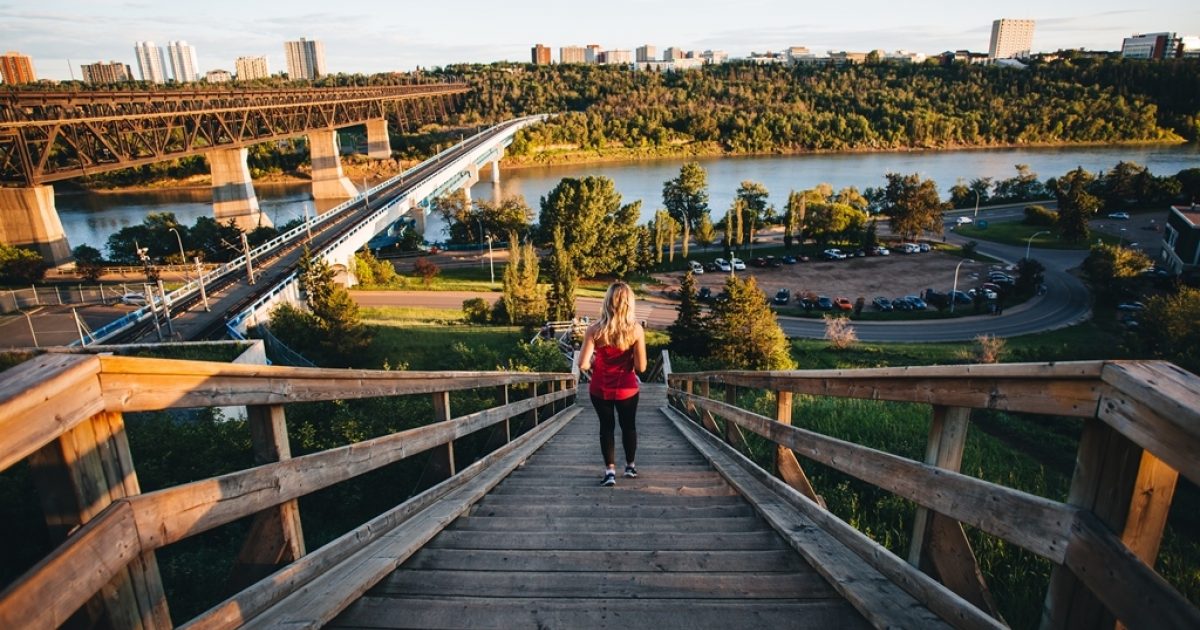
Building a strong immune system isn't about some secret formula—it's about the fundamentals. We’re talking about four core pillars that you can adapt to our unique Edmonton life: good nutrition, consistent movement, quality sleep, and stress management.
For more on this, see our strengthen immune fast guide. For more on this, see our strengthen immune fast guide.
Forget the generic advice you read online. True resilience is built by tuning these everyday habits to our city's intense seasons, from the deep freeze of a January cold snap to the long, sun-drenched days of July. This is about staying healthy in a city we know and love, even when it tests us.
Building Resilience for Every Edmonton Season
Let’s be real. Wellness advice that assumes year-round sunshine doesn’t mean much when you’re facing a wall of wind at -30°C. This guide is for us, the people who actually call Edmonton home.
We’re going to explore how to support your immune system within the reality of our city. That means everything from embracing the "Edmonton cold" (anything warmer than -20°C is basically patio weather, right?) to navigating the hazy days of wildfire smoke season. This is about practical, evidence-informed strategies that fit a life lived between the river valley and neighbourhoods like Windermere or the Highlands.
This visual gives a quick snapshot of how our focus needs to shift as the calendar pages turn.

| Winter Focus (Deep Freeze) | Spring Focus (Melt & Mud) | Summer Focus (Sun & Smoke) | Autumn Focus (The Reset) |
| :— | :— | :— | :— | :— |
| Nutrition | Hearty root vegetables, vitamin D-rich foods, and warming broths. Think comfort with a purpose. | Fresh greens as they appear, lighter proteins. A gentle cleanse after a heavy winter. | Hydrating fruits & veggies, local berries from farmers' markets. Antioxidants are key. | Harvest squash, apples, and grounding spices. Focus on gut health before winter. |
| Movement | Indoor workouts, cross-country skiing, or brisk walks on cleared paths. Focus on consistency, not intensity. | Navigating muddy trails, getting back to outdoor running, stretching out stiff muscles. | Early morning or evening activities to avoid heat/smoke. Biking, swimming, river valley runs. | Crisp walks in the river valley, hiking, and strength training to prepare for winter sports. |
| Sleep | Lean into the darkness with a consistent bedtime. Use a light therapy box in the morning to sync your clock. | Blackout curtains are your best friend as daylight extends. Manage allergens that disrupt sleep. | Keep the bedroom cool and dark. Stick to a routine despite the late sunset. | Re-establish a consistent sleep-wake cycle as the days get shorter. |
| Stress | Cozy, restorative activities. Social connection to combat isolation. Mindfulness and indoor hobbies. | Getting back outside. More daylight naturally boosts mood. Gardening and gentle activity. | Soaking up sunshine (safely). Spending time in nature. Taking vacation time. | Quieter routines. Journaling, reading, and finding solace in nature's transition. |
For more on this, see our summer winter running guide. For more on this, see our summer winter running guide.
Think of this table not as a rigid set of rules, but as a flexible framework. It’s a way to anticipate the city’s rhythm and adjust your own habits so you’re always working with the season, not fighting against it.
Why a Local Approach Matters
Our northern latitude brings some very specific challenges that directly impact immune health. The wild swing in daylight—from short, dark winter days to nearly endless summer light—can throw our circadian rhythms and sleep quality into chaos. Both are absolutely critical for a strong immune response.
Here in Edmonton, we can't ignore our environment.
Seasonal Affective Disorder (SAD) is a real factor for many of us, and our long winters mean that Vitamin D supplementation isn't just a suggestion; it's practically a necessity for maintaining immune function from October through April.
Adapting our daily routines to these environmental realities is the first step toward building a truly robust immune system. We have to work with our climate, not against it. This means embracing cozy, indoor activities during a deep freeze and maximizing our time outdoors when the weather finally turns. For more ideas on staying resilient when the temperature drops, check out our dedicated guide to winter wellness.
The goal isn't to create a perfect, rigid plan. It’s about building a flexible toolkit of habits you can rely on. Whether you’re finding solace on a quiet trail in Mill Creek Ravine during the fall or navigating the buzz of the Fringe in August, your wellness strategy should feel like it belongs here—right alongside us.
Fueling Your Body the Edmonton Way

Let's talk about eating for immunity in a city where "fresh and local" means something completely different in July than it does in February. Trying to build your diet around fresh berries in the dead of winter is a recipe for frustration and a very expensive grocery bill. The real key is to work with our seasons, not against them.
This means embracing the rhythm of our local food system. When the snow is piled high, we turn to the incredible, nutrient-dense foods that Alberta farmers can store for months. Then, when our brief but glorious summer arrives, we take full advantage of the bounty.
The Winter Pantry Powerhouses
From October through April, our nutritional strategy has to shift to storage crops. These aren't just filler foods; they are nutritional powerhouses packed with the vitamins and fibre our immune systems crave during the long, cold months.
For more on this, see our vitamin edmonton during guide. For more on this, see our vitamin edmonton during guide.
Think of the vibrant colours you can find even in deep winter:
- Deep Orange Squash: Butternut, acorn, and spaghetti squash are rich in beta-carotene, which our body converts to Vitamin A—a crucial player in maintaining the health of our mucosal linings, our first line of defense against germs.
- Earthy Beets and Carrots: These root vegetables are loaded with antioxidants and vitamins. Roasting them brings out their natural sweetness and makes their nutrients even more accessible.
- Hearty Potatoes and Parsnips: Excellent sources of Vitamin C and potassium, they provide the slow-release energy needed to fuel our bodies through a -25°C day.
Honestly, one of the smartest moves we can make is embracing the frozen aisle, especially for local produce. When you buy frozen berries or peas from a vendor at the Old Strathcona Farmers' Market, you're getting produce that was flash-frozen at its absolute peak of ripeness. This process actually locks in nutrients like Vitamin C far more effectively than "fresh" produce that has travelled for weeks to get here.
Summer's Short and Mighty Season
When summer finally hits, our strategy pivots completely. Those 17-hour days of sunlight fuel an incredibly fast and vibrant growing season. This is the time to load up on the fresh, antioxidant-rich foods that thrive in our climate.
Make a trip to a local U-pick farm for saskatoons or raspberries. These berries are bursting with compounds that help fight inflammation and support immune cell function. Fill your plate with dark leafy greens like kale and spinach from a local market—they provide the foundation for a healthy gut microbiome, which is where up to 70% of our immune system resides.
For a deeper dive into building a strong nutritional base year-round, you can explore some foundational nutrition basics. This is our window to eat the rainbow in its freshest form, supporting local producers and our own health at the same time.
Supplements: The Edmonton Non-Negotiables
While a food-first approach is always best, our northern latitude creates a few non-negotiable realities. No amount of healthy eating can make up for the lack of sun exposure needed to produce adequate Vitamin D during our long fall, winter, and spring.
Vitamin D is more than a vitamin; it functions like a hormone that helps regulate the immune system. When levels are low, our immune cells are less effective. For most of us in Edmonton, supplementing from October through April is essential.
While a doctor can provide a personalized dose, Health Canada's general recommendation is 600 IU for adults. That said, many local practitioners suggest 1000-2000 IU daily during our darker months. It's a simple, inexpensive way to address a significant, location-specific nutrient gap.
Beyond Vitamin D, other supplements like Vitamin C, zinc, and echinacea can be useful for short-term support when you feel a cold coming on. But they are not a substitute for the real foundation of wellness: a consistently nutrient-dense diet, good sleep, and regular movement. Focus your energy and your budget on the foods that will fuel you through every Edmonton season first.
Moving Your Body Through Our City's Extremes

Here in Edmonton, "staying active" means something different depending on the month. One day we’re navigating icy sidewalks just to get to the car; the next, we're trying to beat the heat on a 10 p.m. run while the sun is still up. Our shared gym is the river valley, a sprawling network of possibility that changes its uniform with every season.
Using it for our immune health means learning to adapt. This isn't about punishing workouts or training for a marathon through a blizzard. It's about finding consistent, joyful movement that works with our city's extremes, not against them.
Embracing the Winter Workout
Let’s get one thing straight: the mental hurdle of getting outside when it's dark and hovering around -20°C is real. But there’s a unique kind of magic in embracing the cold. Moderate cold-weather activity is fantastic for boosting the circulation of immune cells, those little defenders that patrol our bodies for invaders.
Instead of seeing winter as a barrier, think of it as an opportunity for different kinds of movement:
- Cross-Country Skiing: Places like Gold Bar Park or the Victoria Golf Course offer beautifully groomed trails. It’s a full-body workout that feels more like gliding through a winter wonderland than exercise.
- Snowshoeing: Head to Terwillegar Park or even just the less-travelled paths in Mill Creek Ravine. It's a low-impact way to get your heart rate up and experience the quiet stillness of the valley under a blanket of snow.
- Winter Walking: Never underestimate a brisk walk on a cleared path. The key is dressing in layers—and absolutely no cotton!—to manage sweat and stay warm.
The goal is consistency. Even 20-30 minutes a few times a week makes a significant difference. Regular, moderate physical activity helps build a more resilient immune system and has been shown to reduce the risk of respiratory infections. Research suggests that hitting the recommended 150-300 minutes of moderate activity per week can lower your chances of picking up those community-acquired bugs.
If you're looking for more ways to keep your body moving, our complete guide on movement has plenty of ideas.
The Indoor Pivot for Deep Freezes and Smoky Skies
We all know there are days when heading outside is just not the right call. Whether it's a bone-chilling -35°C deep freeze or a summer day where wildfire smoke has turned the sky orange, we need a solid indoor plan.
This doesn't mean you need an expensive home gym. Our city has fantastic resources that are often underutilized.
Your City of Edmonton recreation centre pass is one of the best wellness investments you can make. It gives you access to swimming pools, tracks, and fitness centres across the city, providing a reliable alternative when the weather is working against you.
And when even getting to a rec centre feels like too much, an effective at-home workout is entirely possible. Don't discount the power of bodyweight exercises, yoga, or stretching routines you can find online. The key is to have a few go-to options ready so that an extreme weather day doesn't derail your routine entirely. It’s about maintaining the habit of movement, even if the location and intensity change.
Finding Joy in Every Season
From the muddy trails of spring to the golden light of a fall afternoon, every season offers a new way to move. Biking through the river valley trails that connect Hawrelak to the downtown core, canoeing from Laurier Park, or joining an outdoor yoga class in a neighbourhood park during our long summer days all contribute to our well-being.
Ultimately, the best way to boost your immunity through movement is to find something you genuinely enjoy. When you look forward to the activity, it stops being a chore and becomes a sustainable part of your life. That consistency is what truly strengthens your body’s defences, preparing you for whatever a classic Edmonton year throws our way.
Mastering Sleep And Stress In A City Of Light And Dark

We’ve talked food and movement, but two other pillars of immune health get seriously tested by life here in Edmonton: sleep and stress. Our extreme swings in daylight—from those glorious but disruptive 17-hour summer days to the short, dark days of deep winter—can wreak havoc on our internal clocks.
When our sleep is thrown off, our immune system pays the price. It’s not just about feeling tired; it’s about giving our body the non-negotiable downtime it needs for repair and defence.
Taming Our Wild Circadian Rhythms
Living this far north means our body's natural sleep-wake cycle, or circadian rhythm, is constantly being pushed and pulled by the environment. In June, the sun is still up when we should be winding down for bed. In December, it feels like it’s perpetually nighttime.
This isn’t just an inconvenience; it directly impacts the cells that fight off infection.
Clinical trials show a clear link between poor rest and weakened defences. Sleeping less than six hours a night is tied to a two to four-fold increase in the risk of getting sick after being exposed to a common virus. Partial sleep deprivation can even reduce the effectiveness of vaccines by as much as 20–50% compared to being well-rested. You can explore the full details in this in-depth sleep and immunity research.
This isn't just abstract science. It’s the reason you feel run-down and catch a cold after a few nights of restless sleep during a July heatwave. Our immunity is directly tied to our rest.
Practical Strategies For Edmonton's Light Cycles
We can't change our latitude, but we can absolutely manage our environment to give our bodies the consistent cues they need. This is all about creating an artificial "dusk" and "dawn" that supports your biology, no matter what the sun is doing outside your window.
Summer Sleep Survival (May – August)
- Blackout Curtains Are Non-Negotiable: This is the single most important tool for summer sleep. Invest in good ones for your bedroom to block out that lingering evening light and the shockingly early sunrise.
- Create a "Digital Sunset": An hour before bed, dim the lights in your home and turn off bright screens. This signals to your brain that it's time to start producing melatonin, the sleep hormone.
- Stick to a Bedtime: It's tempting to stay up late when it's still bright, but your body thrives on routine. Try to go to bed and wake up at roughly the same time, even on weekends at the lake.
Winter Wellness (October – April)
- Embrace the Light Box: A light therapy lamp (or "SAD lamp") is a game-changer. Using one for 20-30 minutes first thing in the morning mimics the sunrise, helping to set your internal clock, boost your mood, and fight the lethargy of our dark winters.
- Get Morning Sun (When Possible): On those crisp, sunny winter mornings, a quick walk—even for 10 minutes—can do wonders for regulating your circadian rhythm.
- Avoid Long Afternoon Naps: A short power nap can be great, but a long snooze in the afternoon can make it harder to fall asleep at night, further messing up your cycle.
For more tailored advice, our complete guide on mastering your sleep cycle in Edmonton offers even more practical tips.
Managing Stress The River City Way
Stress is the other big immunity suppressor. When we're chronically stressed, our body produces cortisol, a hormone that, over time, dampens the effectiveness of our immune system. In a city that loves its festivals and juggles busy schedules, managing stress isn't about eliminating it—that's impossible. It's about building resilience.
This doesn't mean you need a silent retreat or expensive classes. It’s about finding small pockets of calm within your daily Edmonton life.
Maybe it means taking your lunch break for a quiet walk through Mill Creek Ravine instead of eating at your desk. It could be choosing to leave a Fringe show a little early to beat the crowds and decompress.
Sometimes it's as simple as setting boundaries—saying no to an extra commitment when you're feeling spread thin. Building resilience is an active process of managing your energy. Taking a moment to watch the sunset over the High Level Bridge or enjoying a quiet coffee in a local shop in Strathcona can be just as restorative as a formal meditation practice.
Find what calms your nervous system and make it a non-negotiable part of your routine.
Knowing When Natural Support Isn't Enough
Taking a proactive, natural approach to our health is one of the most powerful things we can do. All the strategies we’ve talked about—from eating seasonally to getting out on the river valley trails—build a strong foundation.
But let's be honest with each other: this approach isn't a cure-all, and it’s critical to know its limits.
True wellness isn't about avoiding doctors; it's about building a partnership with our healthcare system. It means knowing when that nagging cough is more than just a cold, or when persistent fatigue signals something that a few good nights of sleep won't fix.
Drawing the Line: Red Flags You Should Never Ignore
We can get used to feeling a bit rundown, especially during a long Edmonton winter. But certain symptoms are your body’s way of saying it needs professional medical help, not just another bowl of chicken soup.
Don’t hesitate to call your family doctor or Health Link at 811 if you experience any of the following:
- A fever that lasts more than a few days or is unusually high.
- Shortness of breath or difficulty breathing (especially important during smoke season).
- A cough that lingers for weeks or is severe.
- Unexplained weight loss or persistent exhaustion that interferes with daily life.
- Symptoms that get significantly worse instead of better over time.
Self-diagnosing is a risky game. What might seem like a common cold could be something more serious like pneumonia or influenza, which can have serious complications if left untreated. Trust your gut—if something feels wrong, it’s always better to get it checked out.
The Power of Proactive and Preventative Care
Knowing how to boost immunity naturally is only one part of the equation. The other, equally important part is using the excellent medical resources we have available to stay ahead of potential issues. This is where the proactive side of wellness truly shines.
It means not skipping your annual check-up, even when you feel fine. These visits create a baseline for your health, helping your doctor spot subtle changes over time. It’s also the perfect opportunity to discuss personalized health strategies, like determining the right Vitamin D dosage for you or managing a chronic condition like asthma or diabetes, which directly impacts your immune function.
Staying up-to-date on recommended vaccinations is another cornerstone of community immunity. They are a safe, proven way to train your immune system to fight off serious illnesses, protecting not only yourself but also the more vulnerable people in our communities.
Combining daily healthy habits with smart, preventative medical care is the most effective strategy we have. For those looking to integrate professional guidance with their personal wellness journey, exploring the various health and wellness services available locally can be a great next step.
Ultimately, true resilience is built by empowering ourselves with knowledge while also knowing exactly when to ask for help.
Your Edmonton Immunity Questions Answered
We get it. Trying to figure out how to boost your immunity can feel overwhelming, especially when you factor in our unique Edmonton realities. Here are some straightforward answers to the questions we hear most from locals trying to stay healthy through it all.
How Much Vitamin D Should I Actually Take During an Edmonton Winter?
This is the big one, and for a good reason. While only a healthcare provider can give you personalized medical advice, the general Health Canada recommendation for adults is 600 IU per day.
But here’s the reality of living at 53.5°N: for about half the year, the sun is too weak for our skin to produce any Vitamin D at all. Because of this, many local doctors and dietitians suggest higher doses are often necessary. It’s not uncommon to hear recommendations in the 1000-2000 IU range daily, especially from October through April. Your age, skin tone, and diet all play a role.
The smartest move? Chat with your doctor. They might suggest a quick blood test to see where your levels are and help you dial in the perfect dose. It's easily one of the most important—and affordable—supplements for us.
Are Expensive Immune-Boosting Products Worth The Money?
It’s tempting, right? You see slick marketing for powders and shots that promise a quick fix. Honestly, your money is almost always better spent on real food. A diet packed with vegetables, fruit, lean proteins, and whole grains gives your immune system the complex array of nutrients and fibre it actually runs on.
While certain supplements like Vitamin D are essential here, many high-priced products offer minimal benefits over a consistently healthy diet. Focus on the fundamentals first: good nutrition from places like our local farmers' markets, consistent sleep, and regular movement. They're far more impactful than any expensive quick fix.
What Is The Best Way To Exercise Outdoors When It Hits -25°C?
Exercising in the “Edmonton cold” is all about smart preparation. The absolute secret is layering with the right materials. Avoid cotton at all costs—it holds sweat and makes you colder, fast.
Here’s the basic formula that works:
- Base Layer: A synthetic or merino wool shirt that pulls moisture away from your skin.
- Mid-Layer: A fleece or light insulated jacket for warmth.
- Outer Shell: A windproof jacket to block that biting river valley wind.
Protect your extremities. A good toque, warm socks, and mitts (they’re warmer than gloves) are non-negotiable. A neck gaiter or balaclava you can pull over your face warms the air you breathe and prevents that lung-burning feeling. It's also smart to shorten your workout and lower the intensity. A brisk walk through Gold Bar Park can be fantastic, but on the absolute coldest days, an indoor workout is always the wiser choice.
How Can I Support My Immune System During Wildfire Smoke Season?
Wildfire smoke is a major respiratory irritant that can seriously tax your immune system. When the Air Quality Health Index (AQHI) is high, the best strategy is simply to reduce your exposure.
That means keeping your windows and doors closed and running a HEPA air purifier if you have one. It’s also crucial to limit strenuous outdoor exercise. Swapping a long run in the river valley for a session at a local rec centre is a smart move, especially if you have asthma or other respiratory conditions.
Beyond that, stay well-hydrated and focus on anti-inflammatory foods. Things like leafy greens, berries, and fatty fish can help your body’s defence systems manage the extra stress. These habits won't eliminate the smoke's effects, but they provide valuable support when our lungs are under siege.
At Edmonton Wellness Guide, we believe that building resilience is about making small, sustainable choices every day. For a deeper dive into creating a wellness plan that fits your Edmonton life, explore our personalized guides and resources.
Find your path to seasonal wellness at https://www.edmontonwellnessguide.com.
Article created using Outrank
Related Reading
- How to Maximize River Valley Activities During Edmonton’s Short…
- Winter Light: A Practical Guide to Managing SAD in Edmonton
- How to Reduce Inflammation Naturally: An Edmonton Guide