A spa recovery guide by treatment goal starts with one question: what do you need your body to do differently next week? Sore legs after a river valley run need a different treatment than a tight neck from a desk job or a brain that will not shut off at 2 a.m. This guide covers massage, heat, cold, float tanks, red light, cryotherapy and acupuncture in Edmonton. For each one you will see what it does, who it suits, what it costs, how often to book it, and how to get there in January without a parking meltdown.
Last reviewed:
Prices below are typical Edmonton ranges. They shift by venue and year, so confirm before you book.
How to Read a Spa Menu When You Have a Specific Goal
Most Edmonton spa menus are organized by service name. Swedish, deep tissue, hot stone, signature facial. That is useful for the spa, not for you. Flip the menu around and start with the outcome you want. The rest of this article does that.
Treatment Names Versus Treatment Goals
The same label can mean very different things. A "deep tissue massage" at a clinic on 124 Street, run by a registered massage therapist (RMT), is usually a targeted session on specific problem areas. At a resort-style spa it is often a firmer full-body massage with less assessment. Neither is wrong. They just serve different goals.
Red Light Therapy For Muscle Recovery Explained covers this in more detail.
- Clinical settings (RMT clinics, acupuncture clinics, physiotherapy-adjacent studios) work best for pain, injury and recurring tension.
- Day spas work best for stress, sleep and general relaxation.
- Recovery studios (float, infrared sauna, cryotherapy, red light) work best for athletic soreness and contrast-style routines.
Questions to Ask Before You Book
Four questions save you money and disappointment.
How To Build A Weekly Recovery Routine With Edmonton Spas covers this in more detail.
- Who is the practitioner, and are they registered or certified for this service?
- How long is the actual hands-on or in-room time, not the appointment slot?
- Is there a cancellation window? Many Edmonton clinics charge for under 24 hours of notice, and a -30°C morning does not count as an excuse at most of them.
- Does my extended health plan cover this? RMT massage and acupuncture often have coverage. Saunas and floats usually do not.
Where Edmonton Fits In
Edmonton’s recovery scene clusters. Old Strathcona and Whyte Avenue have walkable studios and a strong independent practitioner base. Oliver and 124 Street have many RMT and acupuncture clinics. Downtown and Jasper Avenue lean toward lunch-hour appointments. Windermere and Sherwood Park have newer clinics with easy surface parking. West Edmonton Mall and the south side have chain options and larger wellness centres with free lots. Pick the cluster nearest your daily route and you will keep going. Pick the best-reviewed place across the city and you will skip the second visit.
Goal One: Muscle Soreness and Athletic Recovery
This is the goal most people have in mind when they search for spa recovery. You trained hard, you are sore, and you want to be ready for the next session. Here is what each option actually offers.
What Is Cryotherapy And Does It Work For Muscle Recovery covers this in more detail.
Sports and Deep Tissue Massage
Massage is the most studied option on the list. The Mayo Clinic’s overview of massage therapy describes benefits for stress, anxiety and muscle tension, and notes that more research is needed on some claims. In practice, a 60-minute session within 24 to 48 hours of a hard effort helps most people feel looser and move better.
- Typical cost: $100 to $140 for 60 minutes with an RMT, and $140 to $190 for 90 minutes.
- Best timing: The day after a race or heavy block, not the hour before.
- Frequency: Every 2 to 4 weeks during training. Weekly only in peak weeks.
Tell the therapist your event date. Deep pressure two days before a half marathon is a bad plan.
Heat, Cold and Contrast
Heat increases blood flow and relaxes tight tissue. Cold reduces swelling and dulls pain. Contrast bathing alternates the two. Many Edmonton recreation centres have saunas and steam rooms, and the City of Edmonton’s recreation facility pages list which centres have which amenities. A drop-in swim and sauna costs far less than a private spa. Expect roughly $6 to $12 for a drop-in at a city facility, and $40 to $100 at a dedicated thermal spa circuit.
- Infrared sauna: $30 to $60 per 30 to 45 minute session. Lower air temperature than a traditional sauna, so easier for beginners.
- Traditional sauna or steam: Hotter air, shorter sessions of 10 to 15 minutes, with cooling breaks between rounds.
- Cold plunge: Usually part of a thermal circuit. Start at 30 to 60 seconds.
Red Light and Cryotherapy
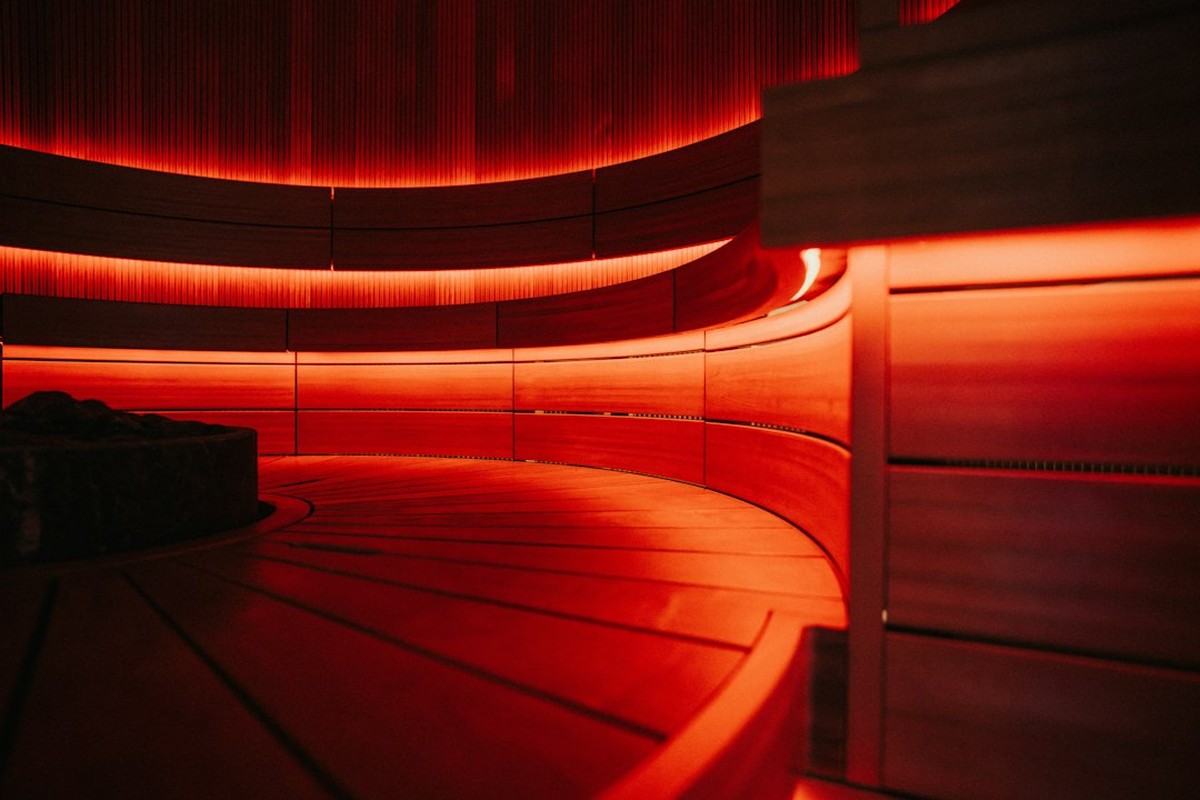
Red light and whole-body cryotherapy are the newer entries. Both are short sessions and both are marketed heavily. The evidence is mixed, so go in curious and not convinced. Read Red Light Therapy For Muscle Recovery Explained for the mechanism, and What Is Cryotherapy And Does It Work For Muscle Recovery for the honest odds.
- Red light: $25 to $50 per 10 to 20 minute session. Packages bring the price down.
- Cryotherapy: $40 to $80 per 3 minute session. Pricey per minute. Good for people who dislike ice baths.
If your budget is tight, a regular massage and a recreation centre sauna beat either of these on value.
Goal Two: Stress, Anxiety and Poor Sleep
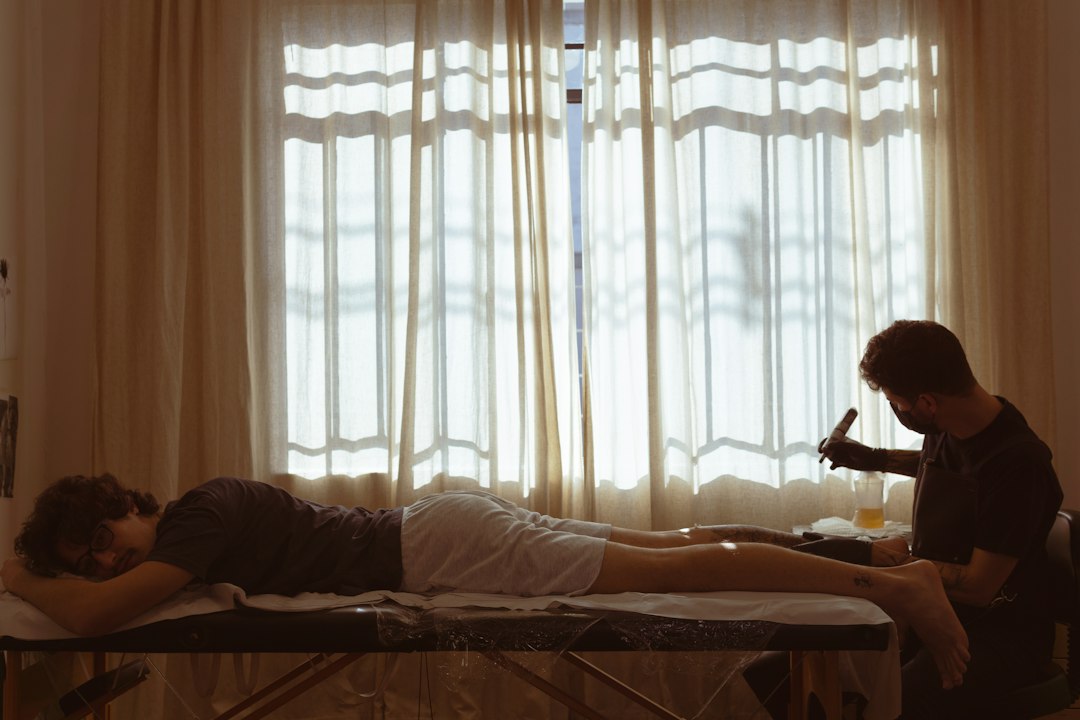
Edmonton winters add a layer to stress. Dark at 4:30 p.m., cabin fever by February, and a commute on icy roads. Spa time works best here when it lowers arousal and fits a routine you can repeat.
Relaxation Massage and Light-Pressure Work
For stress, pressure matters less than pace and environment. A slower Swedish-style session, or a hot stone massage in a dim room, gives most people what they need. Book a 60-minute slot. Thirty minutes is too short to settle in. Expect $90 to $130 at a day spa, and a bit more at hotel spas downtown.
- Choose evening appointments if you struggle with sleep. You will leave relaxed, and you can go straight home.
- Ask for a quiet room away from the front desk if the spa has a choice.
- Skip caffeine for a few hours before your visit.
Float Tanks
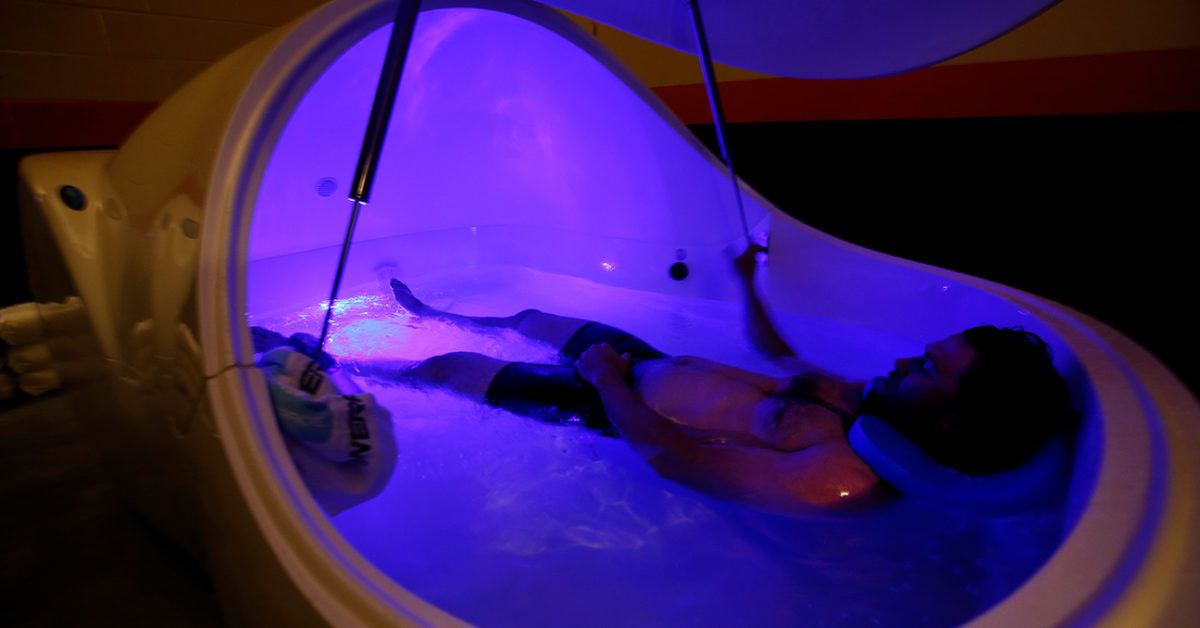
A float tank holds you in body-temperature water saturated with Epsom salt, usually in a dark, quiet pod or room. Sessions run 60 to 90 minutes and cost about $70 to $100 for a single visit, with memberships dropping that to $55 to $75. Floating suits people who find it hard to switch off. It does not suit everyone. Claustrophobic people often prefer an open-room tank, and anyone with open cuts or skin infections should skip it.
Plan a float for a night when you have nowhere to be. You will feel slow afterward, and that is the point.
Sauna and Steam as a Wind-Down
A 15 to 20 minute sauna session in the evening, followed by a cool shower, is the cheapest sleep aid in this guide. Keep it simple.
- Hydrate before and after. Saunas dry you out, and Edmonton’s winter air already does.
- Avoid alcohol before heat exposure.
- People with heart conditions, low blood pressure or pregnancy should check with a doctor first. Health Canada is a good starting point for general health guidance.
Stack stress treatments with a plan, not a mood. The guide on How To Build A Weekly Recovery Routine With Edmonton Spas shows how to space them out.
Goal Three: Pain, Tension and Desk Body
This is the goal where clinical settings beat spas. If your neck, low back or shoulders hurt on most days, you want assessment and a repeatable plan, not a pleasant hour.
Therapeutic Massage With an RMT
An RMT will ask about your pain, your work, and your sleep position before touching anything. That intake is the value. Expect $100 to $140 per hour, and check your benefits because many plans cover a set number of visits per year, often in the $300 to $750 range. Receipts from an RMT usually work for claims. A day spa’s gift certificate may not.
- First visit: Ask for a full assessment.
- Follow-up: Every 1 to 2 weeks for three or four visits, then taper.
- Red flag: If pain has not improved after four or five visits, ask for a referral to a physician or physiotherapist.
Acupuncture
Acupuncture uses very thin needles at specific points. People most often book it for back pain, neck tension, headaches and stress. Evidence is stronger for some pain conditions than others. For a neutral summary, see the Mayo Clinic’s acupuncture overview.
- Cost: $100 to $150 for a first visit, $70 to $100 for follow-ups.
- Typical plan: Weekly for 4 to 6 sessions, then reassess.
- Practical tip: Eat something beforehand and wear loose clothes. Sleeves and pants that roll up make it easier.
Finding a good acupuncturist in Edmonton does not have to mean driving across the city in -30°C weather. Oliver, 124 Street and Whyte Avenue all have clinics within a short walk of bus routes.
Cupping, Stretch Therapy and Other Add-Ons
Cupping and assisted stretching show up on many menus. Cupping leaves circular marks that last several days, so skip it before a wedding or beach trip. Assisted stretching costs about $50 to $90 per 30 to 60 minute session and helps people with limited range of motion. Treat these as add-ons to a base plan of massage or acupuncture, not replacements.
Goal Four: Winter, Smoke Season and Seasonal Slumps
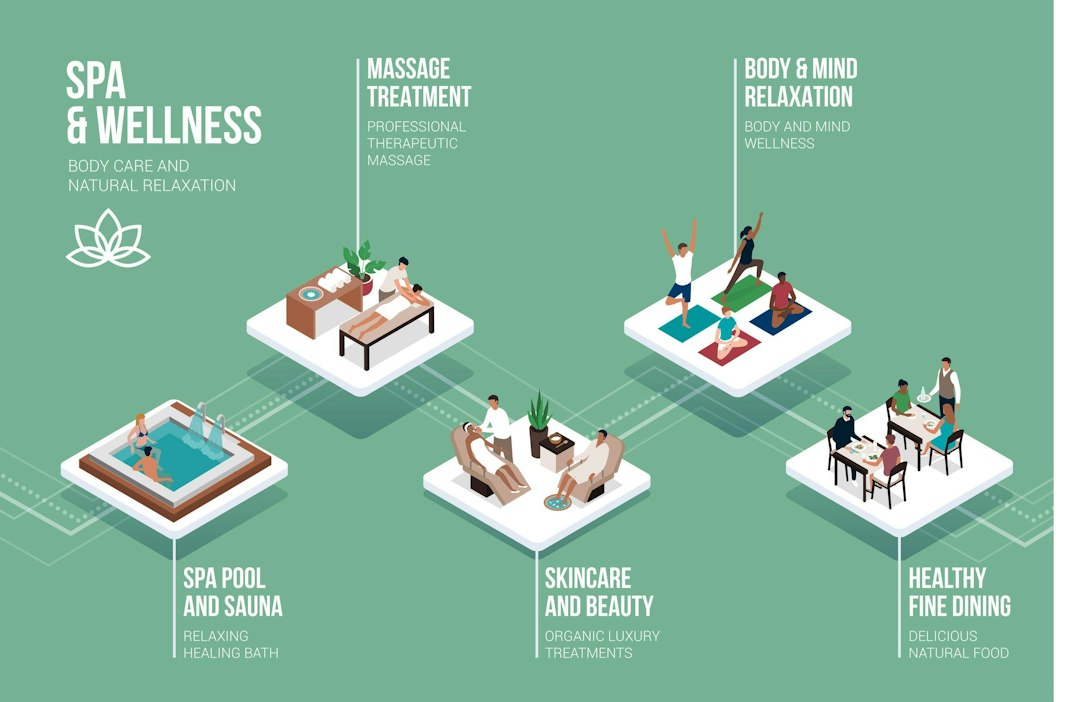
Edmonton recovery needs shift with the calendar. October is when spa season starts for most locals. The days shorten, the sidewalks stay clear for a few more weeks, and people book ahead before the November rush.
Light, Mood and the Winter Slump
Seasonal affective disorder is a recognized pattern of depression that returns each year, usually in fall and winter. The Mayo Clinic’s seasonal affective disorder page lists symptoms and treatment options. Spa services help with the side effects such as poor sleep and low energy, but they are not treatment for depression. If your mood drops hard every winter, talk to your doctor. The practical guide Winter Light: A Practical Guide To Managing SAD In Edmonton covers light boxes and routines in more detail.
- Book a bright-room sauna or thermal circuit in the afternoon, when the light is already gone.
- Pair a weekly treatment with a daytime River Valley walk, even at -15°C.
- Choose a regular slot. A standing Thursday evening beats a maybe.
Dry Air, Cold Hands and Winter Skin
Indoor heating drops humidity, and Edmonton winters can strip skin fast. Hydrating facials run $90 to $150. Paraffin hand treatments cost $25 to $45 and feel good when your knuckles crack. Body scrubs and wraps run $90 to $140. These are comfort treatments, and that is fine. Just be honest about what they are.
Smoke Season and Spring Allergies
Wildfire smoke in July and August pushes people indoors, and the usual advice to run outside no longer works. recreation centres, infrared saunas and indoor recovery studios earn their keep. If you have asthma or smoke sensitivity, skip steam rooms on heavy smoke days and ask about the facility’s air filtration. For updates on air quality and respiratory health, see Alberta Health Services. In spring, pollen brings a different problem. The Edmonton Spring Allergies Wellness Guide For Seasonal Relief explains which treatments help and which to avoid during a flare.
Quick Reference: Matching Treatment to Goal
This section is the part to bookmark. Use it as a spa recovery guide by treatment goal when you are standing in front of a booking page.
Treatment Comparison Table
| Goal | Best First Choice | Typical Edmonton Price | Frequency | Skip If |
|---|---|---|---|---|
| Post-workout soreness | Sports massage with an RMT | $100 to $140 per hour | Every 2 to 4 weeks | You have a race within 48 hours |
| Heavy training load | Contrast: sauna plus cold plunge | $6 to $12 at a rec centre, $40 to $100 at a thermal spa | 1 to 2 times per week | You have low blood pressure |
| Stress and racing mind | Relaxation massage or float | $90 to $130 massage, $70 to $100 float | Every 2 to 4 weeks | You are claustrophobic (float) |
| Poor sleep | Evening sauna, then cool shower | $6 to $60 | 2 to 3 times per week | You are pregnant or have heart issues, unless cleared |
| Chronic neck or back pain | RMT therapeutic massage | $100 to $140 per hour | Weekly for 3 to 4 visits | Pain comes with numbness or fever |
| Recurring headaches or tension | Acupuncture | $100 to $150 first, $70 to $100 after | Weekly for 4 to 6 sessions | You are on blood thinners, unless cleared |
| Winter skin | Hydrating facial or paraffin | $25 to $150 | Monthly | You have active skin irritation |
| Cold-weather joint stiffness | Infrared sauna plus stretching | $30 to $90 | Weekly | You have a fever or acute injury |
Pre-Appointment Checklist
- Confirm the practitioner’s registration or training.
- Check coverage under your extended health plan.
- Eat a light meal 1 to 2 hours before.
- Drink water the day before and after.
- Arrive 10 minutes early. Winter boots, coats and parking take time.
- List any medications, injuries and allergies.
- Plan nothing demanding for 2 hours afterward.
Getting There: Parking and Transit
The trade-off with Whyte Avenue is simple. It is walkable and well served by buses, but street parking fills quickly on weekends and during Folk Fest or Fringe season. Downtown and Jasper Avenue have paid lots, and the LRT makes the Capital Line and Valley Line practical for lunch-hour visits. Oliver and 124 Street have a mix of street and lot parking, and many clinics share small lots, so ask when you book. South side and Windermere clinics usually have free parking and block heater plugs are sometimes available in winter, though not everywhere. Sherwood Park is easiest by car. West Edmonton Mall has acres of free parking and long winter walks inside the building. Check City of Edmonton transit information for current routes and fares.
Building a Plan You Will Actually Keep
The best recovery plan is the one that survives February. Most people overbook in October and quit by December. Start smaller than you think.
Three Sample Plans by Budget
- Under $50 per month: Two or three drop-in sauna or steam sessions at a city recreation centre, plus a weekly River Valley walk.
- Around $150 to $200 per month: One RMT massage every 3 weeks, one sauna or float session per month, and a rec centre drop-in as needed.
- $300 and up per month: Weekly RMT or acupuncture, one float or thermal circuit visit, and one comfort treatment such as a facial.
Stacking Treatments Without Overdoing It
More is not better. Some combinations work well together.
- Sauna first, massage second. Warm muscles respond better.
- Float after massage on a rest day.
- Avoid cryotherapy and a hot sauna back to back. Pick one temperature direction per visit, or use planned contrast with a thermal circuit.
- Leave at least one full day between deep tissue and a hard training session.
How to Track Whether It Works
Score three things on a 1 to 10 scale each week. Soreness, sleep quality and mood. After four weeks, look at the trend. If a treatment does not move any of these numbers, cut it and spend the money on something that does. A good practitioner will welcome that conversation. A bad one will push a prepaid package.
Value, Safety and Honest Limits
Spa recovery is useful. It is not medicine. Know where the lines sit.
Paying Smart
- Buy single sessions first. Packages make sense after you have tried the place twice.
- Look for first-visit discounts, but check the regular price.
- Check expiry dates on gift cards and packages.
- Ask about off-peak rates on weekday mornings.
- November and December sell out fast. Book holiday-season appointments in October.
When to See a Doctor First
Skip the spa and book a medical visit if you have sudden severe pain, numbness, chest pain, a swollen calf, unexplained weight loss, or pain that wakes you up at night. Heat and massage can make some conditions worse. Pregnant clients, people with heart conditions, and anyone on blood thinners should clear treatments with their doctor.
Red Flags at a Spa
- Promises of a cure.
- No intake form or health questions.
- Pressure to buy a large package at the first visit.
- No clear cleaning routine for tanks, saunas or treatment rooms.
- Practitioners who cannot say what training they have.
A good spa tells you what a treatment can and cannot do. That honesty is rarer than a good facility, and worth more.
Start with one goal this month. Pick the matching row in the table, book a single session, and track how you feel. When you want more detail on any option, browse the other pillar articles at Edmonton Wellness Guide.
Related Articles
- What Is Float Tank Therapy and How Does It Work: An Edmonton Guide to Sensory Deprivation
- Best Massage Therapy Clinics in Edmonton by Neighborhood: Your Local Guide to Finding the Right Therapist
- How to Prepare for Your First Acupuncture Appointment: An Edmonton Guide
Find Trusted Wellness Spots in Edmonton
Browse our independent guide to Edmonton’s spas, fitness studios, and wellness services. Local. Honest. Free.
Frequently Asked Questions
What is the best spa treatment for muscle recovery in Edmonton?
For most people, sports massage with a registered massage therapist offers the best mix of evidence and value. Add a rec centre sauna for heat on off days. Save cryotherapy and red light for later, once the basics are in place.
How often should I book a massage?
Every 2 to 4 weeks suits most active people. For a specific pain problem, go weekly for three or four visits, then taper. If your benefits cover it, spread your visits across the year so you do not run out in March.
Is a float tank worth the money?
It depends on what you need. Floating works well for stress and for people who struggle to switch off, and it costs about $70 to $100 per session. Try one session before you buy a membership, and skip it if closed spaces bother you.
Does extended health insurance cover spa treatments?
Many plans cover RMT massage and acupuncture, often up to a yearly dollar limit. Saunas, floats, cryotherapy and red light are rarely covered. Call your provider and ask for your remaining balance before you book.
What spa treatments help with the winter slump?
A standing weekly appointment helps more than any single treatment. Sauna, massage and a daytime walk in the River Valley all work well for energy and sleep. If low mood returns every winter and lasts weeks, see a doctor, since spa services do not replace treatment for seasonal depression.