Learning how to prepare for regular spa visits is mostly logistics. Where do you park in January? What do you eat beforehand? How do you fit a standing appointment into a calendar that already bends around school pickups and -30°C mornings? This guide is for Edmontonians who want to move from the occasional gift-card massage to a steady routine. Follow the seven steps below and you will have a goal, a budget, a venue, a booking pattern, a pre-visit checklist, a packed bag, and an aftercare plan. Setup takes about two hours spread over a week. After that, each visit takes about ten minutes of prep.
Last reviewed:
- Tools needed: A calendar app, a notes app or notebook, a gym bag with a waterproof compartment, a refillable water bottle, your health card and extended benefits details
- Time: About 2 hours of setup, then 10 minutes of prep per visit
- Difficulty: Beginner
Step 1: Define What You Want From Regular Spa Visits

Most people skip this step and pay for it later. A spa visit for a tight lower back is a different purchase from a visit to quiet a busy head. Decide what you are solving before you book anything.
Pick a primary goal
Choose one main reason. Keep it plain and specific.
- Muscle recovery: You run the river valley trails or lift at a gym and want to shorten soreness. Massage, infrared sauna, and cold exposure fit here.
- Stress and sleep: You want your nervous system to settle. Float tanks, hot pools, steam rooms, and slower massage fit here.
- Pain or tension management: Neck, shoulders, and hips from desk work. Therapeutic massage and acupuncture are the usual starting points.
- Winter mood and energy: Short days from November to February hit hard. A weekly heat session gives you something to look forward to.
Write the goal on one line in your notes app. You will check it against every booking.
Match the goal to a service
Different services do different jobs. If you are weighing options, Red Light Therapy For Muscle Recovery Explained covers one recovery tool, and What Is Cryotherapy And Does It Work For Muscle Recovery covers another. If needles are on your list, read How To Prepare For Your First Acupuncture Appointment before you book.
How To Build A Weekly Recovery Routine With Edmonton Spas covers this in more detail.
For general relaxation, Mayo Clinic’s overview of massage benefits and risks is a fair, non-salesy read. It also lists who should check with a doctor first.
How To Prepare For Your First Acupuncture Appointment covers this in more detail.
Decide how much hands-on time you need
Some services are passive, like a sauna or a float. Others need you to talk, like a registered massage therapist asking about your pain. Be honest about your energy. If you finish work at 5 p.m. and feel flattened, a float or soak suits you better than a deep tissue session where you need to give feedback.
What Is Cryotherapy And Does It Work For Muscle Recovery covers this in more detail.
Watch out: Do not pick a service because a friend raved about it. A friend with chronic hip pain and a friend with insomnia need different treatments.
Step 2: Set a Realistic Budget and Visit Schedule
Regular means repeatable. A routine you can afford for three months beats a lavish one you abandon in three weeks.
Know the typical price ranges
Prices shift between neighborhoods and venues, so confirm on each spa’s website. As rough ranges in Edmonton:
- Registered massage therapy (60 minutes): often $100 to $140 before tax
- Day spa facial or body treatment: often $90 to $180
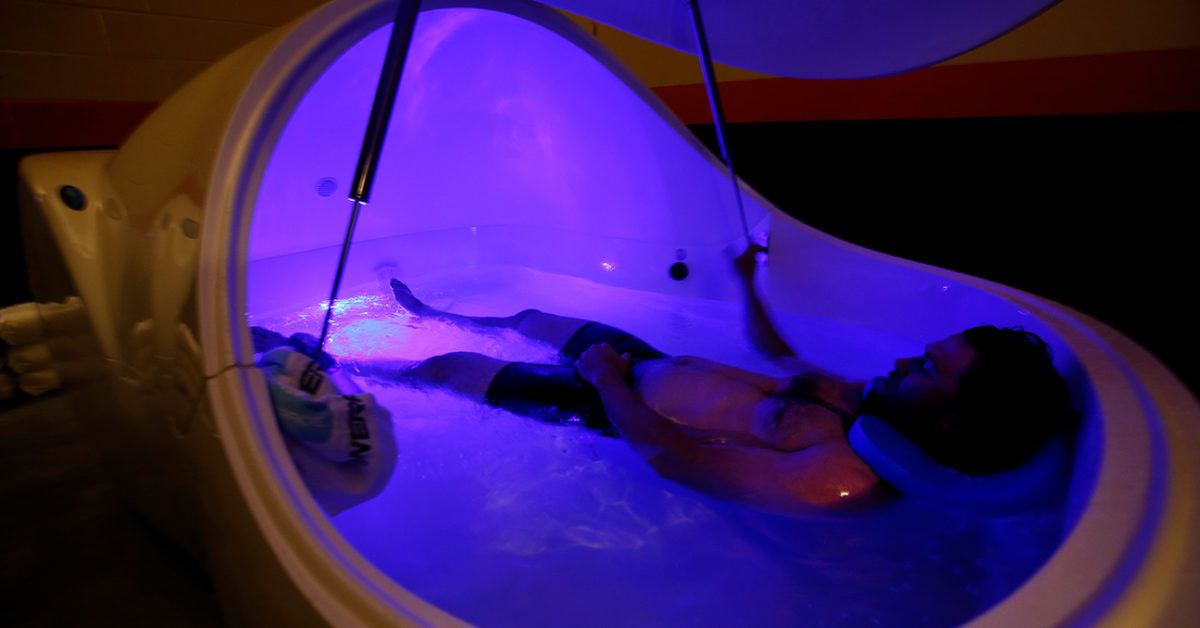
- Float tank session (60 to 90 minutes): often $70 to $100, with multi-session packs lowering the per-visit cost
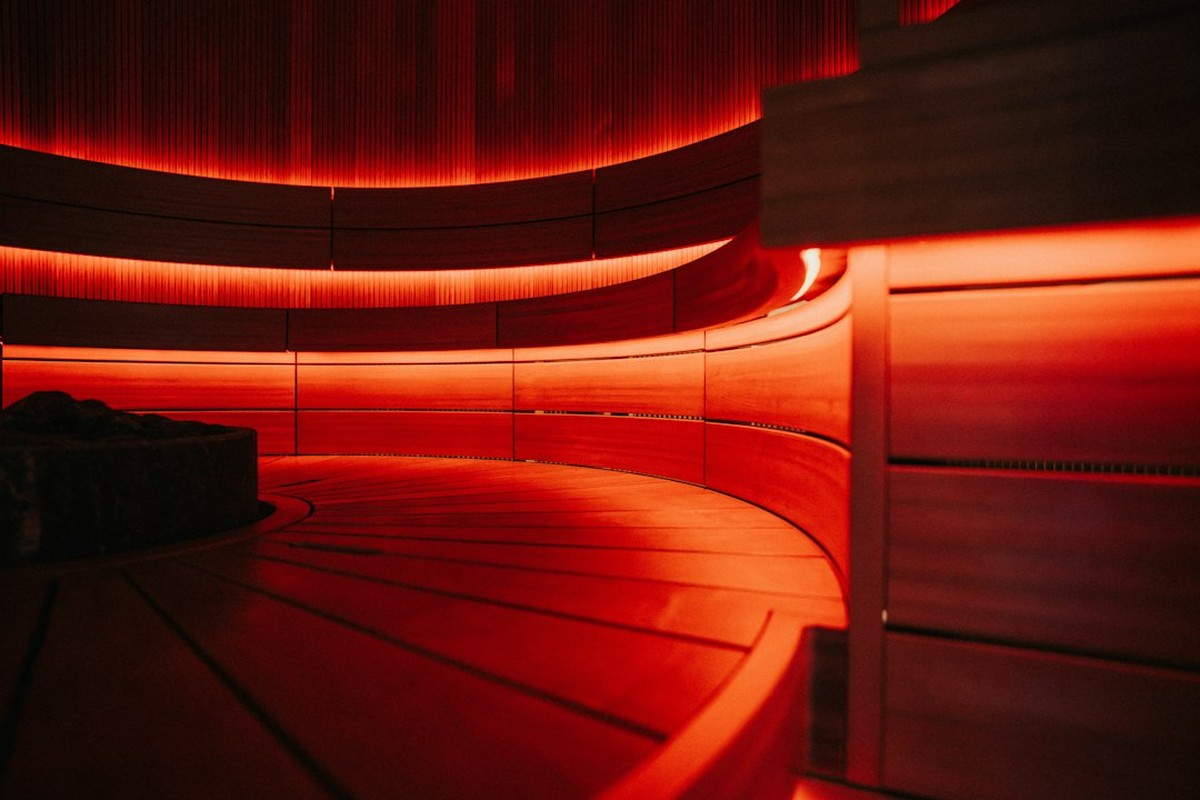
- Infrared sauna session: often $25 to $50 for a single drop-in
- Thermal or Nordic-style circuit: often $60 to $100 for a day pass
Downtown and Oliver studios tend to run a little higher. Studios in Sherwood Park, Windermere, and the south side can be easier on the wallet and easier on parking.
Pick a frequency you can hold
For most people, one visit every two to four weeks is a workable starting point. Weekly visits make sense for athletes or people managing an ongoing issue with a practitioner’s advice. Our guide on How To Build A Weekly Recovery Routine With Edmonton Spas shows how to stack services across a week without overspending.
Try this simple rule. Set a monthly spa budget first, divide by the average price of your chosen service, and round down. That number is your visit count.
Check benefits and memberships
Many extended health plans cover registered massage therapy and acupuncture, often with an annual cap. Look at your plan booklet, then call the insurer if the wording is unclear. Ask three things:
- Is there a dollar cap per year or a visit cap?
- Do you need a doctor’s referral?
- Does the therapist need to be registered with a specific association?
Memberships and prepaid packs save money only if you actually use them. Ask about expiry dates before paying. A pack that expires in 90 days is a bad deal if you plan to go every six weeks.
Step 3: Choose a Venue That Fits Your Edmonton Life
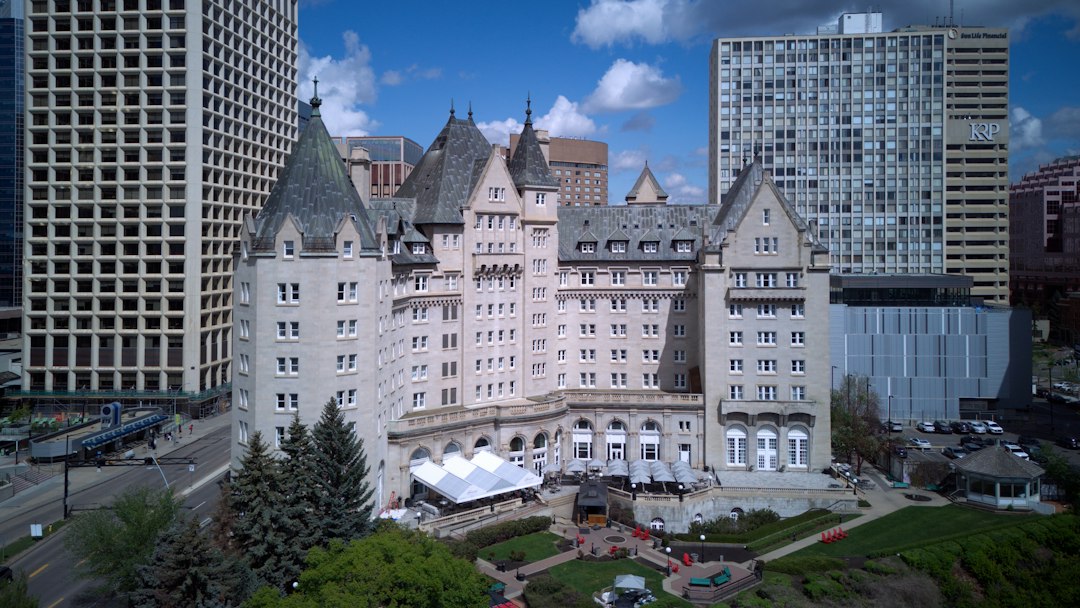
The best spa on paper loses to the one you can reach in February. Location matters more than amenities once you commit to a routine.
Pick by commute, not by reputation
Draw a loose circle around your home and your workplace. Look for venues inside it.
- Whyte Avenue and Old Strathcona: Walkable, close to the LRT-adjacent bus routes, and busy on weekends. Street parking fills up quickly, so build in 10 extra minutes.
- Downtown and Oliver: Good for lunch-hour or after-work visits. Expect paid parkades and meters. Many people take the LRT and walk.
- 124 Street: A compact boutique area with a calmer pace. Parking is workable on side streets.
- Windermere and the southwest: Ample surface lots and easier winter access if you drive.
- Sherwood Park: Plenty of free parking, which counts for something in January.
The trade-off is simple. Central venues are convenient for transit riders. Suburban venues are convenient for drivers. Choose the one that matches how you actually travel.
Vet the venue before you book
Check these items on the website or by phone:
- Are therapists registered, and can you request a specific one?
- What is the cancellation window? Many spas charge for cancellations inside 24 hours.
- How are shared facilities cleaned? Ask about hot tub and sauna turnover.
- Is the building accessible, with an on-site or nearby lot?
You can also see how Alberta Health Services frames public health expectations for personal services on the Alberta Health Services website. Search for personal service facilities if you want to understand inspection basics.
Try a first visit as a trial
Book one session before you commit to a pack. Use it to test the room temperature, the noise level, the check-in process, and how rushed the staff feel. Treat it like a job interview where you are the one hiring.
Watch out: Do not buy a 10-session pack on your first visit, no matter how good the introductory discount looks.
Step 4: Book Smart and Handle the Paperwork
Booking is where routines are won or lost. A recurring slot with a name on it is far harder to skip than a vague plan to go sometime.
Book recurring appointments
Ask for a standing slot, such as the first Thursday of the month at 6 p.m. Put it in your calendar with two reminders. One reminder goes out the day before and one two hours before departure.
- Pick off-peak times when you can. Weekday mornings and early afternoons are quieter than Saturday.
- Avoid the days around holidays when Edmonton spas fill up. Late November and December book out first.
- Book your slots four to six weeks ahead during fall and winter. October is when spa season starts in earnest.
Complete the intake form honestly
First visits usually include a health intake form. Fill it out in full. List medications, injuries, surgeries, pregnancy, blood pressure issues, skin conditions, and allergies. Mention fragrance sensitivity if you have it, since some treatments use scented oils.
Heat treatments and some body work are not appropriate with certain conditions. If you have heart disease, uncontrolled blood pressure, are pregnant, or have an open wound, get your doctor’s go-ahead first. The Health Canada website is a good place to find general guidance on health topics, and your doctor remains the final word on your situation.
Communicate preferences early
Tell the front desk about pressure, temperature, music, and how much talking you want. Many people feel awkward asking for a quiet session. Staff would rather know. A short note on the booking, such as light pressure and minimal conversation, saves everyone time.
Watch out: If you use extended health benefits, ask whether the venue direct-bills. Paying out of pocket and submitting a claim later is fine, but you need an itemized receipt with the therapist’s registration number.
Step 5: Prepare Your Body in the 24 Hours Before
This is the step that decides whether your session feels good or merely fine. Your habits the day before matter as much as the treatment itself.
Hydrate on a schedule
Start drinking water the morning before your visit. Aim for steady sips, not a large gulp right before you walk in. Edmonton’s winter air is dry, and indoor heating makes it worse, so many people begin the day already behind on fluids.
- Drink a glass of water with each meal the day before.
- Carry your bottle on the day of the visit and finish it before you arrive.
- Limit alcohol for 24 hours before heat treatments. Alcohol and heat together raise dizziness risk.
Hydration matters even more before sauna or hot pool sessions, because your body loses fluid through sweat and increased circulation.
Eat light and time your meals
Do not arrive hungry or stuffed. A light meal two hours beforehand works for most people. Think toast with eggs, rice with vegetables, or a small bowl of soup. Skip heavy, greasy food and large amounts of caffeine, which can make you jittery in a quiet room or float tank.
- Massage: eat a light meal 90 to 120 minutes before.
- Float tank: eat 1 to 2 hours before, so hunger does not distract you.
- Sauna or steam: a small snack and plenty of water beforehand.
Handle skin and grooming
Shower before arriving if the venue does not offer one. Avoid shaving just before a float or salt bath, since fresh nicks sting in salt water. Skip heavy lotions and perfume before body treatments. If you are going through a contrast routine of heat and cold, read How To Prepare Your Body For Edmontons Extreme Temperature Changes. Your body will already be adapting to the swing from -25°C outside to a 75°C sauna inside.
Here is a quick-reference checklist for the day before and the day of your visit.
| Service | Eat | Avoid | Bring |
|---|---|---|---|
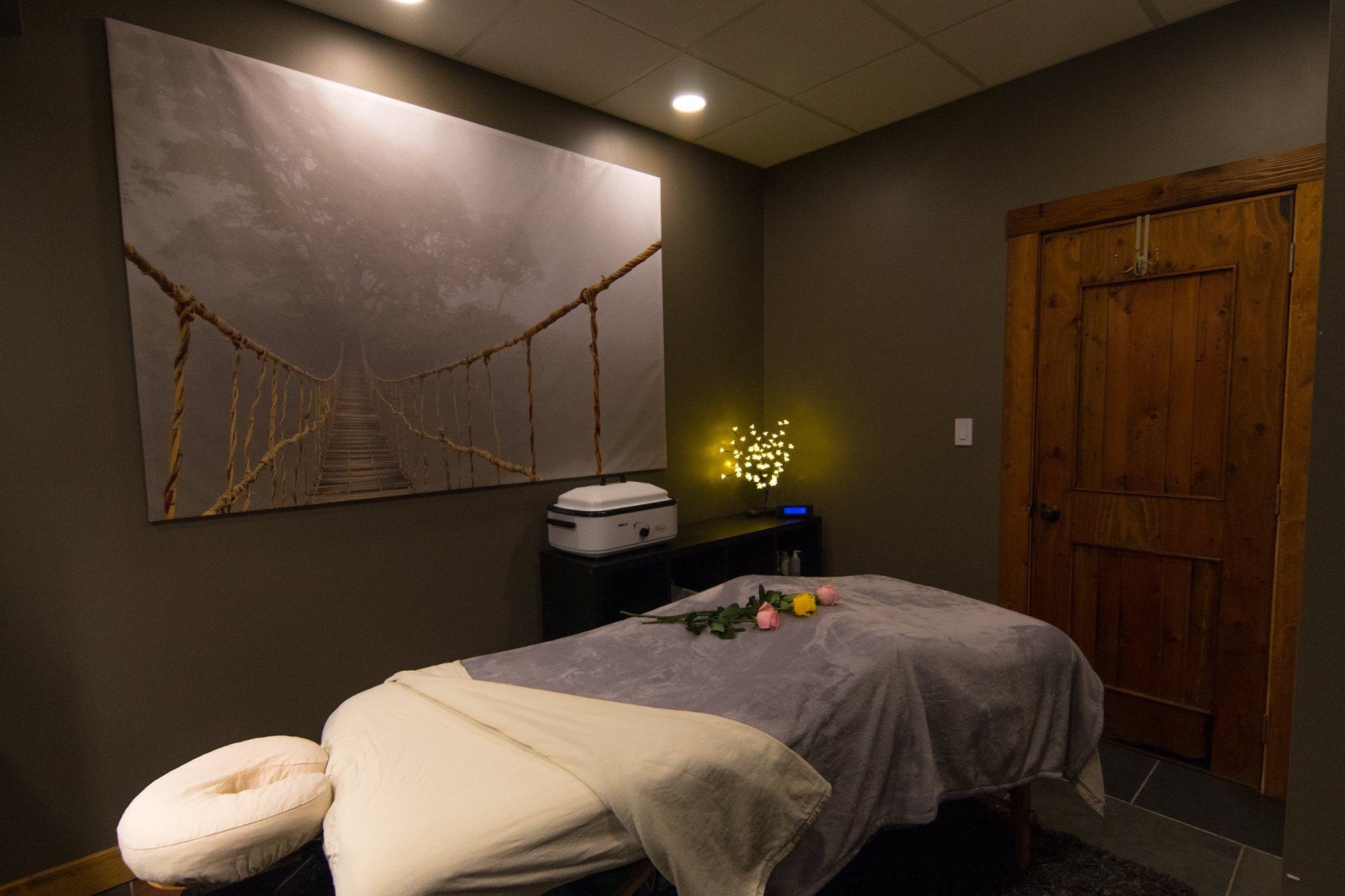
| Massage | Light meal, 90 to 120 minutes before | Heavy meals, alcohol | Loose clothes, injury notes |
| Float tank | Light meal, 1 to 2 hours before | Caffeine, fresh shaving | Hair tie, earplugs if provided are not enough |
| Sauna or steam | Small snack | Alcohol, dehydration | Water bottle, towel, sandals |
| Facial | Normal meal | Harsh exfoliants, sun exposure | List of skin products you use |
| Acupuncture | Normal meal, do not fast | Alcohol, intense workout | Medication list |
Step 6: Pack Your Bag and Plan Your Arrival
Edmonton adds a winter layer to even simple logistics. Boots, parkas, and icy sidewalks affect how you arrive and how you leave.
Pack a winter-ready spa bag
Keep a dedicated bag by the door so you never scramble. A good bag has everything you need and nothing you do not.
- Water bottle, full
- Flip-flops or pool sandals for wet floors
- Swimsuit if the venue has pools or hot tubs, plus a plastic bag for the wet one
- Hair tie, brush, and a small hair product
- Moisturizer and lip balm for the walk back to the car
- Warm socks and a toque, since your hair will be damp
- Your health card and benefits information
Skip jewelry and valuables. Most venues have lockers, but you do not want to worry about a watch or ring.
Plan transit and parking
Check parking before you leave home. Look at the City’s City of Edmonton site for current transit and parking information, especially if you are heading downtown or to Whyte Avenue. A few practical points:
- Whyte Avenue and Old Strathcona: arrive 10 to 15 minutes early to find parking, or take the bus and walk.
- Downtown and Oliver: use a parkade and keep the receipt in case the spa validates.
- Suburbs: surface lots are easy, but snow-clearing varies. Wear boots with good tread.
On the coldest mornings, warm your car for five minutes and keep a scraper in the vehicle. After a hot session, your body temperature drops quickly in cold air, so do not skip the toque and gloves.
Arrive early, not late
Show up 10 to 15 minutes before your appointment. You need time to check in, change, and use the washroom. A rushed arrival raises your heart rate and eats into the treatment you paid for.
During smoke season in summer, plan indoor-friendly arrival, such as parking close to the entrance. Poor air quality outdoors makes an indoor spa a good fit anyway.
Watch out: Late arrivals are usually not extended. If you arrive 20 minutes late for a 60-minute massage, you may lose 20 minutes of treatment but still pay the full fee.
Step 7: Follow Through With Aftercare and Tracking
The visit ends when you leave, but the benefit continues if you protect it. Aftercare is the difference between a one-evening glow and a routine that actually helps.
Take it slow in the first hour
Do not rush into a meeting, a workout, or a drive across the Henday. Give yourself 30 to 60 minutes of low activity.
- Drink water right after your session.
- Eat a balanced meal within two hours.
- Skip alcohol that evening if you had a heat or body treatment.
- Take a slow walk if you feel stiff. A flat stretch of the river valley trails is a good option on a mild day.
Some people feel light-headed after heat, or slightly sore after deep tissue work. Both are common and usually pass. If symptoms are strong or last more than a day, contact the venue and your doctor.
Track what works
Keep a short log in your notes app. After each visit, write down four things:
- Date, service, and therapist
- Pain or stress level before and after, on a 1 to 10 scale
- Sleep quality that night
- Anything to change next time, such as pressure, temperature, or time of day
After three visits, review your notes. If your scores are not moving, change the service or the venue. A routine should earn its place in your calendar.
Rebook before you leave
Book your next slot at the front desk. People who wait until later often lose momentum. Ask about off-peak discounts, loyalty rewards, and whether the spa holds spots for regulars during busy periods like December. Many Edmonton spas also run seasonal specials in October and November as the cold sets in, so ask when you check in.
Common Mistakes to Avoid
- Buying a big pack too soon. Test the venue first. Pay for a single session before committing to ten.
- Skipping the intake form details. Leaving out a medication or an injury can make a treatment uncomfortable or unsafe.
- Arriving dehydrated or hungry. Both make heat and bodywork feel worse. Start drinking water the day before.
- Ignoring the weather. Walking out into -30°C with wet hair is unpleasant and cools you too fast. Pack the toque.
- Booking with no recurring plan. One-off visits feel nice but rarely build a lasting routine. Book the next slot before you leave.
- Choosing by price alone. A cheaper venue that takes 50 minutes each way costs you time and makes you less likely to go.
What’s Next
Once your first month of visits is booked, build the surrounding habits. Add a weekly recovery rhythm using How To Build A Weekly Recovery Routine With Edmonton Spas. Browse more local options and pillar guides on the Edmonton Wellness Guide homepage. Spa season starts in fall, and the best slots go early, so pick your venue this week and book the first appointment before the first hard frost.
Related Articles
- What Is Float Tank Therapy and How Does It Work: An Edmonton Guide to Sensory Deprivation
- Best Massage Therapy Clinics in Edmonton by Neighborhood: Your Local Guide to Finding the Right Therapist
Find Trusted Wellness Spots in Edmonton
Browse our independent guide to Edmonton’s spas, fitness studios, and wellness services. Local. Honest. Free.
Frequently Asked Questions
How often should I go to the spa in Edmonton?
Every two to four weeks works for most people with a standard budget. Athletes or people managing a specific issue may go weekly with a practitioner’s guidance. Start with a monthly visit for three months, check your notes, and adjust.
What should I eat before a spa visit?
Eat a light meal 90 to 120 minutes beforehand. Good choices include toast with eggs, rice with vegetables, or a small bowl of soup. Skip heavy meals, large coffees, and alcohol, especially before a sauna or float.
How much does a regular spa routine cost?
A monthly massage runs roughly $100 to $140, a float session about $70 to $100, and a sauna drop-in about $25 to $50. Check your extended health plan, since registered massage therapy is often partly covered. Ask venues like those in Sherwood Park or Windermere about packs if you plan to visit monthly.
What should I bring to a spa in winter?
Bring a water bottle, sandals, a swimsuit if needed, moisturizer, warm socks, and a toque for the walk out with damp hair. Pack your health card and benefits information. Keep the bag by the door so you can grab it on the way out.
Is it safe to use a sauna or hot tub every visit?
For most healthy adults, short sessions are fine when you are well hydrated. People who are pregnant or have heart conditions, low or high blood pressure, or other health concerns should talk to a doctor first. Leave the room if you feel dizzy, and skip alcohol before heat treatments.