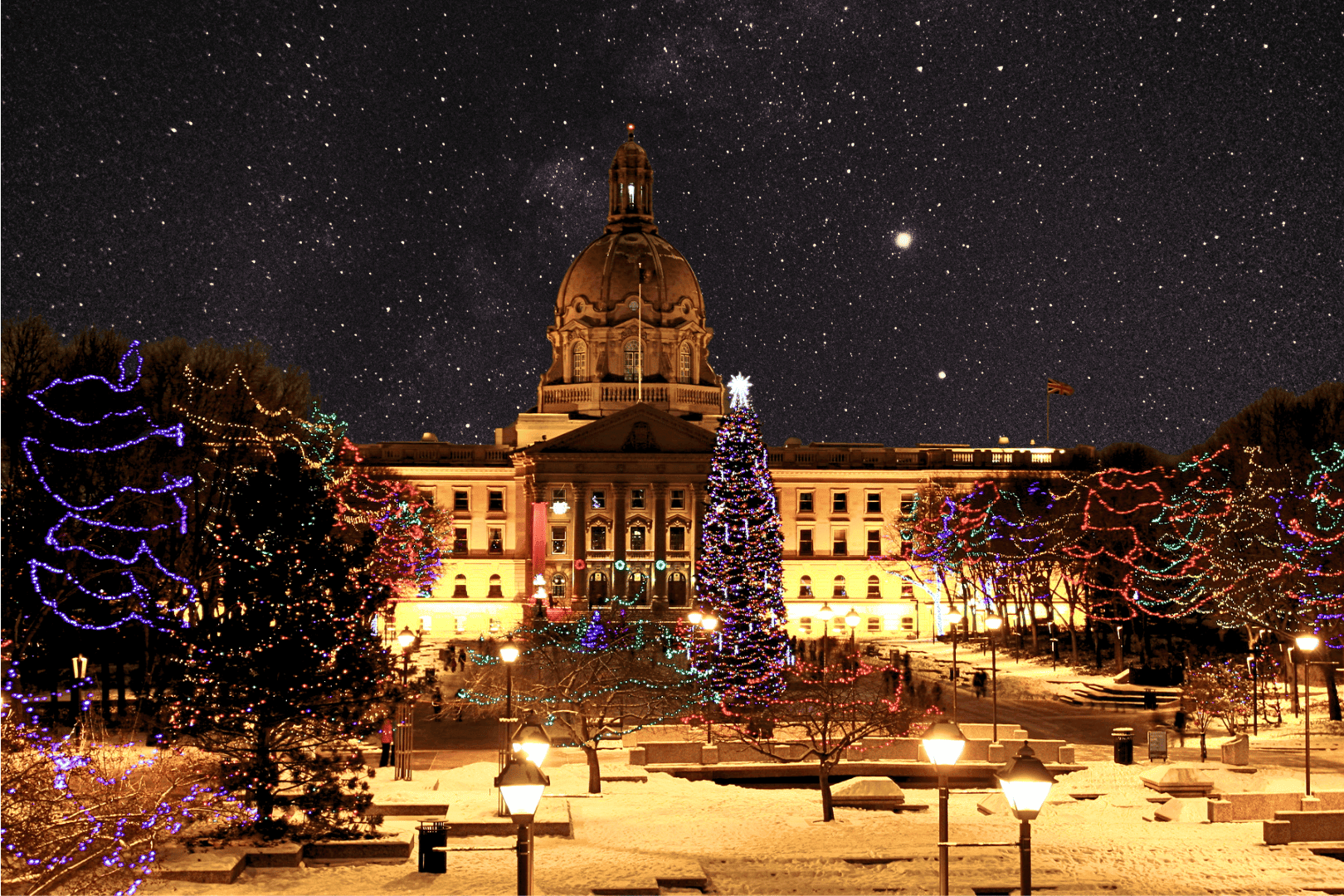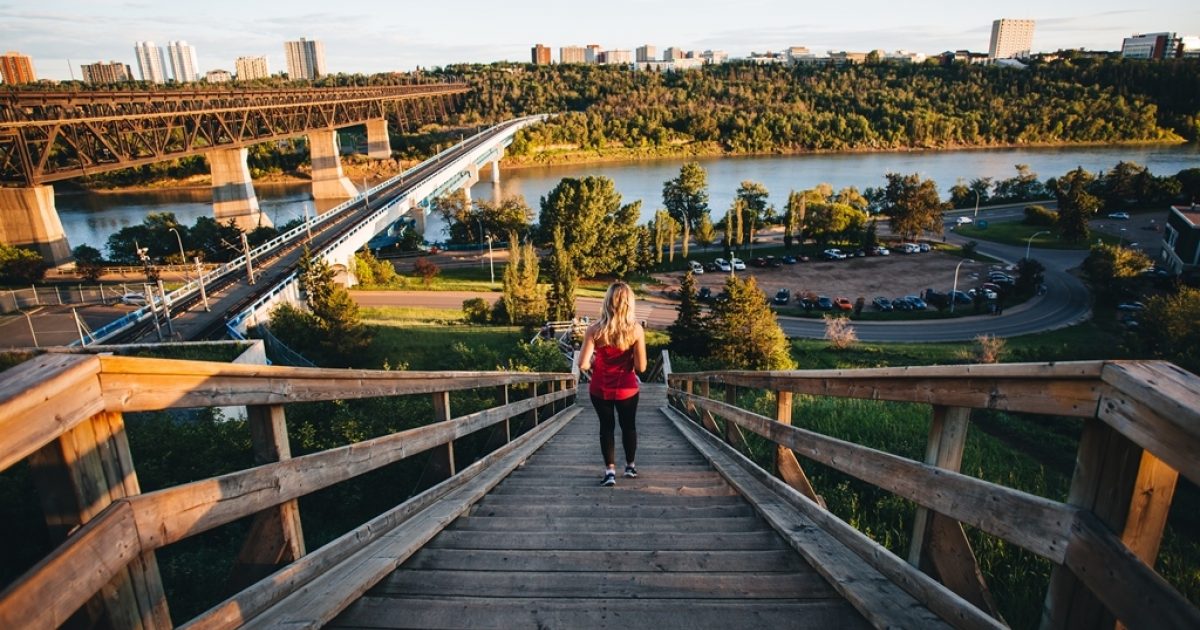
Let's be honest. Living in Edmonton means embracing extremes. From the deep freeze of a -30°C January morning to the endless daylight of a June evening at Folk Fest, our environment constantly tests our resilience. That same resilience is key when anxiety creeps in, whether it’s triggered by Seasonal Affective Disorder during our long winters, the stress of navigating a muddy spring thaw, or the haze of smoke season.
For more on this, see our beat winter blues guide. For more on this, see our edmontonian healthy food guide. For more on this, see our edmontonian healthy food guide.
Generic wellness advice often misses the mark for us. It doesn't understand the specific pressure of our latitude or the unique release we find in a walk through the river valley. This guide isn't about abstract mindfulness; it's a practical, no-nonsense look at the best breathing exercises for anxiety, grounded in our shared Edmonton experience. As someone who's planned wellness events and lived here my whole life, I know what actually works when you’re stuck in traffic on the Henday or trying to find a moment of peace before the Fringe rush.
For more on this, see our breathing easier edmonton guide. For more on this, see our year round fitness guide. For more on this, see our breathing easier edmonton guide. For more on this, see our year round fitness guide.
These are the tools that actually help, right here, right now. We'll explore evidence-informed techniques like Box Breathing, Diaphragmatic Breathing, and the 4-7-8 method, but we'll frame them for real Edmonton life. You'll learn which exercises are best for a quick reset in your car before a meeting downtown, which can help you unwind after a long day in the river valley, and which you can teach your kids to manage their own stress. This is your toolkit for finding calm, no matter what our city or seasons throw at you.
1. 4-7-8 Breathing (The "Relaxing Breath")
Developed by Dr. Andrew Weil, an integrative medicine expert, the 4-7-8 breathing technique is a deceptively simple yet powerful tool for managing acute moments of anxiety. It acts as a natural tranquilliser for the nervous system by forcing your body to slow down, focusing on a long, controlled exhale that activates your parasympathetic nervous system – your body's "rest and digest" mode. This makes it one of the best breathing exercises for anxiety when you need immediate calm.
For us in Edmonton, this technique is a lifesaver. Think of those high-pressure meetings downtown when a project is on the line, or trying to manage the kids' chaotic energy before school on a dark, -30°C January morning. The long, dark winters can ramp up our collective stress, and having a quick, discreet tool like 4-7-8 in your back pocket can make a world of difference.
How to Practise 4-7-8 Breathing
Follow these simple steps. The key is the ratio: the exhale should be twice as long as the inhale.
- Sit up straight or lie down comfortably. Place the tip of your tongue against the ridge of tissue just behind your upper front teeth and keep it there throughout the entire exercise.
- Exhale completely through your mouth, making a gentle "whoosh" sound.
- Close your mouth and inhale quietly through your nose to a mental count of four.
- Hold your breath for a count of seven.
- Exhale completely through your mouth, making that "whoosh" sound, for a count of eight.
- This completes one breath. Inhale again and repeat the cycle three more times for a total of four breaths.
Tips for Edmontonians
- Start Small: If holding your breath for seven seconds feels like too much, start with a shorter ratio like 3-4-5. The most important part is extending the exhale. Don't force it.
- Build the Habit When Calm: Practise this in a quiet moment, perhaps looking out at the river valley from your window, so it becomes second nature when anxiety actually strikes.
- Anchor Your Routine: Use it to bookend your day. A few cycles in the morning can set a calm tone, especially when facing a stressful commute on the Whitemud. At night, it's an excellent technique to quiet a racing mind, a common issue when our city's extreme light shifts disrupt our sleep patterns. For a deeper dive into this, you can learn more about managing sleep in Edmonton and what makes it complicated for us.
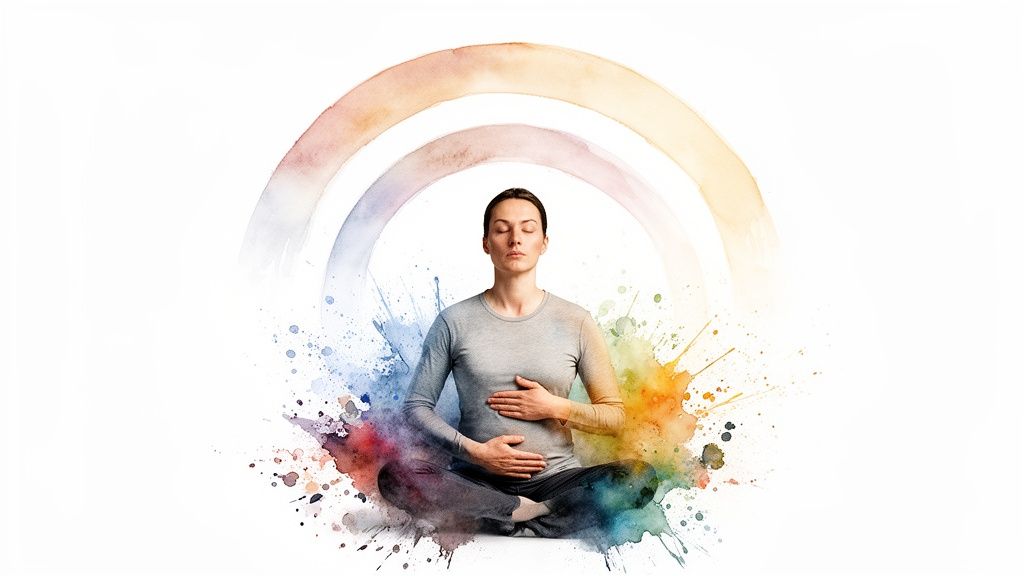
2. Diaphragmatic Breathing (Belly Breathing)
Also known as belly breathing, diaphragmatic breathing is the foundational skill for mastering your body's stress response. Many of us, especially when anxious, revert to shallow chest breathing, which signals danger to our nervous system. This technique retrains your body to use the diaphragm, the large muscle below your lungs, for a deeper, more efficient breath. Engaging it sends a powerful signal to your brain to calm down and shift out of fight-or-flight mode.
For us in Edmonton, this is more than just a relaxation trick; it's a core skill for resilience. Think of the baseline tension we carry during a long, dark winter or when wildfire smoke blankets the city. It’s a technique athletes use to manage pre-competition jitters at the Kinsmen, and you'll find it taught in corporate wellness sessions downtown. It's one of the best breathing exercises for anxiety because it physically counteracts the body's primary stress pattern.
For more on this, see our manage anxiety naturally guide. For more on this, see our manage anxiety naturally guide.
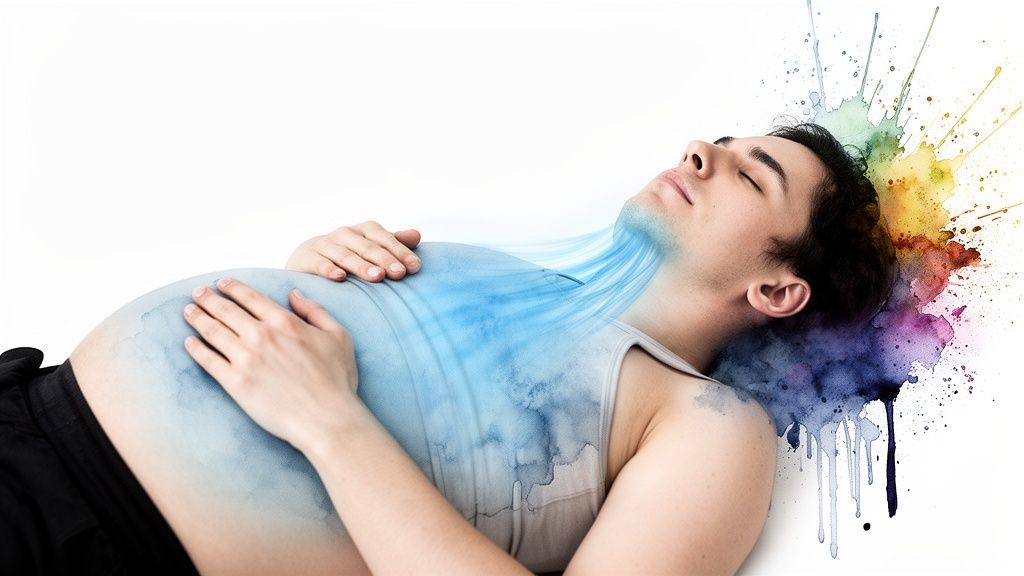
How to Practise Diaphragmatic Breathing
The goal is to make your belly move with each breath, not your chest.
- Lie on your back with your knees bent, or sit comfortably in a chair.
- Place one hand on your upper chest and the other hand on your belly, just below your rib cage.
- Breathe in slowly through your nose, focusing on drawing the air deep into your abdomen. The hand on your belly should rise, while the hand on your chest remains as still as possible.
- Exhale slowly through pursed lips (as if you're whistling). Feel the hand on your belly lower as you gently contract your abdominal muscles to push the air out.
- Repeat this for 5 to 10 minutes, aiming for a slow, steady rhythm.
Tips for Edmontonians
- Start Lying Down: It's much easier to feel your diaphragm engage when you're lying flat. Once you get the hang of it, you can practise sitting at your desk or even while waiting for the LRT at the Southgate station.
- Use Visual Anchors: As you breathe, picture the quiet beauty of a snow-covered Mill Creek Ravine or the gentle flow of the North Saskatchewan River. Connecting the breath to a peaceful local scene can deepen the calming effect.
- Make it a Daily Habit: Consistency is key. Practise for a few minutes each day to build the muscle memory. Soon, your body will automatically turn to this calming breath when anxiety starts to creep in during a stressful drive on the Henday. For more information on building these kinds of habits, you can learn about how to manage anxiety naturally in our city.
3. Box Breathing (Square Breathing)
Popularized by elite groups like the US Navy SEALs, box breathing is a structured technique designed for high-stress environments. Its power lies in its symmetry: a four-part cycle of inhaling, holding, exhaling, and holding again for equal counts. This predictability gives your anxious mind a concrete task to focus on, interrupting the cycle of racing thoughts and providing a sense of control.
This technique is incredibly well-suited for the high-pressure roles many of us hold in Edmonton. Think of our nurses at the Royal Alex or University hospitals navigating a chaotic shift, or a project manager downtown trying to keep a complex build on schedule. The mental structure of box breathing offers a reliable anchor, making it one of the best breathing exercises for anxiety when you need to stay sharp and composed under pressure.
How to Practise Box Breathing
The goal is to create a "box" with your breath. Visualizing a square as you breathe can enhance the effect.
- Sit upright in a chair with your feet flat on the floor, or find a comfortable, quiet space.
- Exhale fully to a count of four, pushing all the air out of your lungs.
- Inhale slowly and deeply through your nose for a count of four.
- Hold your breath, without clamping your throat, for a count of four.
- Exhale slowly through your mouth for a count of four.
- Hold your breath again at the end of the exhale for a count of four.
- This completes one cycle. Repeat for 5-10 cycles or for 2-3 minutes.
Tips for Edmontonians
- Start with a 4-Count: The classic 4-4-4-4 pattern is the perfect starting point. As you get more comfortable, you can extend the count to five or six seconds for a deeper calming effect.
- Use Your Commute: The rhythmic nature of city life can be a perfect metronome. Practise a few rounds while waiting for the LRT at Century Park or during a red light on the Anthony Henday.
- Combine with Grounding: If you're feeling particularly overwhelmed, combine box breathing with the 5-4-3-2-1 grounding technique. Do a cycle of breath, then name five things you can see from your office window overlooking the river valley. This dual focus is excellent for pulling you back to the present moment. Explore other strategies to manage work stress here for a more comprehensive approach.
4. Alternate Nostril Breathing (Nadi Shodhana)
Rooted in ancient yogic tradition, Nadi Shodhana, or Alternate Nostril Breathing, is a powerful technique for creating mental balance and clarity. It works by regulating the flow of breath between the left and right nostrils, which is believed to balance the two hemispheres of the brain. This rhythmic practice helps harmonize the body's nervous system, making it one of the best breathing exercises for anxiety when your thoughts feel scattered and overwhelming.
For us in Edmonton, this is an incredible tool for managing the mental fog that often accompanies our long, dark winters or the disorienting feeling of smoke-filled summer skies. When the seasonal extremes leave you feeling off-kilter and your mood is unstable, Nadi Shodhana can act like a reset button for your brain, promoting a sense of grounded calm and focus. It’s a technique you’ll often find integrated into classes at local yoga studios from Strathcona to Windermere for this very reason.
How to Practise Alternate Nostril Breathing
Follow these steps for a simple, balancing breath cycle. The key is to keep the breath smooth and even, not forced.
- Find a comfortable seated position with a tall spine. Rest your left hand on your left knee. Bring your right hand up to your nose.
- Gently close your right nostril with your right thumb. Inhale slowly and deeply through your left nostril.
- Close your left nostril with your right ring finger (so both nostrils are now held closed) and briefly hold the breath.
- Release your thumb from the right nostril and exhale slowly and completely through the right nostril.
- Inhale slowly through the right nostril.
- Close the right nostril with your thumb again, and release your ring finger to exhale completely through the left nostril.
- This completes one full round. Continue for 5-10 rounds, keeping your breath steady.
Tips for Edmontonians
- Prepare Your Passages: Our dry prairie air, especially with furnaces blasting all winter, can lead to congestion. Consider using a saline rinse before practising to ensure your nasal passages are clear. This isn't for everyone, but it helps.
- Morning Clarity: Try a few rounds in the morning before you even check the weather. It can help clear away mental cobwebs and set a focused, calm tone for a busy day, whether you're heading to the office or out for a run in Hawrelak Park.
- Evening Wind-Down: This technique is excellent for quieting the mind before sleep, especially during those summer months when the sun is still up at 10 p.m. and our brains refuse to switch off.
- Student Focus: For students at the U of A or MacEwan, this is a fantastic pre-exam ritual. Just a few minutes before diving into your studies or walking into an exam hall can significantly reduce anxiety and improve concentration.
5. Resonant Breathing (Heart Rate Variability Training)
Resonant breathing is a powerful, evidence-informed technique that directly targets the physiological roots of anxiety. It involves breathing at a very specific rate, typically 5-6 breaths per minute, to synchronize your heart rate, blood pressure, and brainwave patterns. This synchronization maximizes your Heart Rate Variability (HRV), a key indicator of your nervous system's resilience and ability to handle stress. A higher HRV is linked to a stronger "rest and digest" response, making this one of the best breathing exercises for anxiety if you're looking for profound, long-term change.
For many of us in Edmonton, chronic stress isn't just a feeling; it's a physical state driven by our demanding seasons and fast-paced lives. Whether it's the underlying tension of navigating a volatile economy or the biological stress of our extreme light shifts causing SAD, our nervous systems can get stuck in high alert. Resonant breathing offers a way to actively train our bodies to return to a state of balance, much like strength training for our physiological resilience.
How to Practise Resonant Breathing
The goal is to find a rhythm of approximately 5.5 breaths per minute. This usually means an inhale of about 5 seconds and an exhale of about 5 seconds.
- Find a comfortable seated position with your back straight to allow your diaphragm to move freely.
- Close your eyes or soften your gaze. Begin by noticing your natural breath without changing it.
- Slowly begin to extend your breath. Inhale gently through your nose for a count of five.
- Exhale slowly and smoothly through your nose or mouth for a count of five.
- Continue this balanced 5-second inhale and 5-second exhale pattern. Don't strain or force the breath; it should feel smooth and continuous.
- Practise for at least 5-10 minutes to start, working your way up to 15-20 minutes for maximum benefit.
Tips for Edmontonians
- Use a Guide: Maintaining the precise rhythm is key. Use a breathing app or even a simple metronome app on your phone set to 5.5 beats per minute to guide your inhales and exhales.
- Track Your Progress: If you have a smartwatch or fitness tracker that measures HRV, practise this technique and watch your numbers improve over time. It's incredibly motivating to see the physiological proof that your efforts are working.
- Combat the Winter Blues: Our long, dark winters can significantly impact mood and energy. A daily 15-minute resonant breathing practice can be a powerful, non-pharmacological tool to support your nervous system during these months. It's a proactive way to manage the low-grade stress that creeps in. For more information, you can learn more about what Seasonal Affective Disorder is and how it affects us.
- Create a Recovery Ritual: After a tough workout at the Kinsmen or a long ski in the river valley, use resonant breathing to down-regulate your nervous system and accelerate physical recovery. It signals to your body that the stressor is over and it's time to repair.
6. Progressive Muscle Relaxation with Breathing (PMR)
Progressive Muscle Relaxation (PMR) is a powerful exercise for anxiety that targets the mind-body connection directly. It pairs deep, controlled breathing with the systematic tensing and releasing of different muscle groups. This process teaches you to recognise the difference between tension and relaxation, giving you conscious control over the physical stress that often accompanies anxiety.
For us in Edmonton, this is a game-changer. Think about how we instinctively hunch our shoulders against a biting wind walking down Jasper Ave, or the tension that builds in our necks and backs after long hours at a desk during the dark winter months. PMR is an incredible tool to actively combat that stored physical stress, making it one of the best breathing exercises for anxiety that manifests in the body.
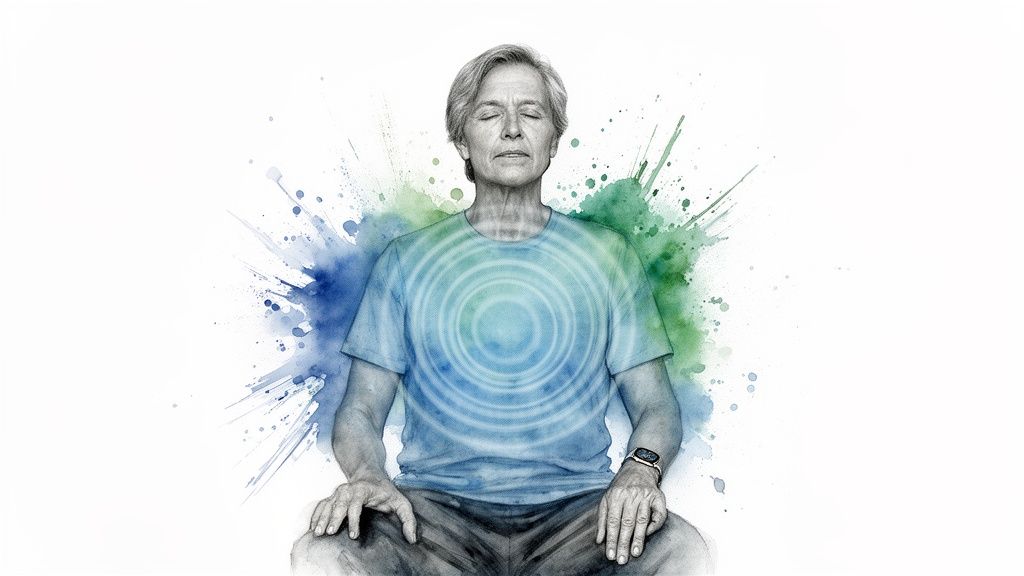
How to Practise PMR with Breathing
The goal is to move methodically through the body, isolating, tensing, and then releasing each muscle group while synchronizing your breath. This guided video is an excellent starting point:
- Find a quiet, comfortable place where you can lie down or sit without being disturbed. Loosen any tight clothing.
- Take a few deep, diaphragmatic breaths to begin centering yourself.
- Start with your feet. Inhale deeply as you tense the muscles in your feet and toes, curling them tightly for 5-10 seconds. Notice the feeling of tension.
- Exhale slowly as you release the tension completely. Pay close attention to the feeling of relaxation flowing into your feet. Linger in this feeling for 15-20 seconds.
- Continue this inhale-tense, exhale-release pattern, moving systematically up your body: calves, thighs, glutes, abdomen, chest, back, hands, arms, shoulders, neck, and face.
- Once you have completed all muscle groups, enjoy the state of deep relaxation for a few minutes before slowly returning your awareness to your surroundings.
Tips for Edmontonians
- Start Small: If a full-body scan feels too long, just focus on a few key areas where you hold stress, like your shoulders, jaw, and hands. A 5-minute session is better than no session.
- Combat Winter Tension: Make PMR a regular part of your winter wellness routine. It’s an effective way to counteract the physical tension that builds up from months of cold and inactivity. For more strategies on this, explore how to manage the impacts of our long winters.
- Bedtime Ritual: Practise this in bed to release the day's stress and quiet a racing mind. It’s particularly helpful for improving sleep quality during our city's extreme seasonal light shifts.
- Anchor with Imagery: As you release each muscle group, imagine the tension melting away like snow in the spring sun in the river valley. Connecting the physical sensation to a peaceful local image can deepen the relaxation effect.
7. Wim Hof Method (Controlled Hyperventilation + Breathing Cycles)
Developed by Dutch extreme athlete Wim Hof, this method is a more intense practice that combines rapid breathing cycles with breath holds. It’s not a gentle, calming technique in the moment; instead, it’s a powerful tool for building long-term resilience to stress and anxiety. The method intentionally stimulates the "fight or flight" response through controlled hyperventilation, followed by a profound calming effect during the breath-hold, which activates the "rest and digest" system.
For us in Edmonton, this is about building fortitude. The Wim Hof Method is a way to train our nervous system to handle stress, much like we train our bodies to handle a run through Mill Creek Ravine when it's -20°C. It has also shown effects on immune function, which is a major bonus for anyone trying to get through a long Edmonton winter without catching every cold that goes around the office or classroom.
How to Practise the Wim Hof Method
This technique is powerful and should be approached with respect and caution. Always practise in a safe, comfortable seated or lying position.
- Find a quiet place to sit or lie down where you won't be disturbed. Your body may tingle or feel lightheaded, so never practise while standing, driving, or in or near water.
- Take 30 to 40 deep, powerful breaths. Inhale fully through the nose or mouth, feeling the breath expand from your belly to your chest, then exhale without force, just letting the air go. The rhythm is continuous and circular, like a wave.
- After the final exhale, hold your breath for as long as you comfortably can without force. This is the "retention" phase. Notice the stillness and quiet in your body and mind.
- When you feel the urge to breathe, take one deep "recovery" breath in. Hold it for about 15 seconds, then let it go.
- This completes one round. Typically, you would complete three to four consecutive rounds.
Tips for Edmontonians
- Guided Start: This isn't a technique to guess at. Start with the official Wim Hof Method app or a certified local instructor. It provides guided sessions to ensure you're doing it safely and correctly.
- Embrace the Cold (Safely): The method is often paired with cold exposure. You don't need to jump into the North Saskatchewan River in January. Start by finishing your shower with 30 seconds of cold water and gradually build up your tolerance. This combination is fantastic for building mental and physical resilience against our harsh winters.
- Morning Ritual: Many people find this practice incredibly energizing. Doing a few rounds in the morning can feel more powerful than a cup of coffee, setting a focused and resilient tone before you face a packed LRT train or a hectic day of meetings.
- Listen to Your Body: This method is intense and not for everyone, especially those with certain medical conditions. Pay close attention to how you feel. The goal is to challenge your system, not to overwhelm it.
8. Pursed-Lip Breathing
Pursed-lip breathing is a technique often taught in pulmonary rehabilitation programs, but its benefits extend far beyond managing respiratory conditions. This simple method involves inhaling through your nose and exhaling slowly through tightly pressed (pursed) lips, which slows your breathing rate and gives your lungs more time to exchange oxygen and carbon dioxide, promoting a sense of calm and control.
For those of us in Edmonton who struggle with anxiety-related shortness of breath, or whose asthma gets triggered by the cold, dry winter air or smoky summer skies, this technique is a game-changer. It physically slows down a panicked breathing pattern, making it one of the best breathing exercises for anxiety when you feel like you can't catch your breath. It's a foundational skill taught in many local asthma management programs to help separate the physical sensation from the panic it can induce.
How to Practise Pursed-Lip Breathing
The goal is to make your exhale at least twice as long as your inhale. The motion is similar to gently blowing out a candle or blowing bubbles.
- Relax your neck and shoulders. You can do this sitting or standing.
- Keeping your mouth closed, inhale slowly through your nose for a count of two.
- Pucker or "purse" your lips as if you're about to whistle.
- Exhale slowly and gently through your pursed lips for a count of four (or longer, if comfortable).
- This is one full breath. Repeat the cycle for a minute or two, focusing on the sensation of the air leaving your lungs.
Tips for Edmontonians
- Practise in the Cold: Try doing this the next time you step outside on a biting -25°C day. The pursed-lip exhale warms the air slightly, which can feel less jarring to your lungs than a quick, open-mouthed breath.
- Pair with Grounding: When a panic attack hits on a crowded LRT platform or during a stressful drive on the Henday, pair this breath with a grounding technique. Focus on the feeling of your feet on the floor or your hands on the steering wheel while you exhale slowly.
- Habituate on a Walk: Make this your default breathing pattern while walking a familiar path, maybe through Hawrelak Park or your neighbourhood. By practising when you're calm, your body will know exactly what to do when anxiety spikes. It turns a simple walk into a powerful, meditative practice.
- Medical Check-in: If your anxiety is tightly linked to asthma, it's a good idea to chat with your family doctor or a respiratory therapist. While pursed-lip breathing is widely recommended, they can ensure it's the right primary tool for your specific needs.
8-Point Comparison: Breathing Exercises for Anxiety
| Technique | 🔄 Implementation Complexity | ⚡ Resource Requirements & Time | 📊 Expected Outcomes | 💡 Ideal Use Cases | ⭐ Key Advantages |
|---|---|---|---|---|---|
| 4-7-8 Breathing (Box Variant) | Low–Moderate — simple counts with breath holds that may discomfort beginners | None; 5–10 min per session | Rapid calming (1–2 min); parasympathetic activation | Acute anxiety, commutes, winter seasonal spikes | Quick, discreet, research-supported |
| Diaphragmatic Breathing (Belly) | Low–Moderate — requires practice to become automatic | None; 5–10 min daily recommended | Reduced HR/BP, better oxygenation, improved HRV | Chronic anxiety, therapy integration, athletes | Foundational technique; measurable physiological benefits |
| Box Breathing (Square) | Moderate — requires breath control and focused counting | None; 2–5 min per use | Cognitive control, predictable calming; reduces acute panic | First responders, busy professionals, performance prep | Provides structure and sense of control; trauma/PTSD utility |
| Alternate Nostril Breathing (Nadi Shodhana) | Moderate — coordination and clear nasal passages needed | None; 5–15 min per session | Balanced hemispheres, improved focus and sleep quality | Yoga classes, students, mental fog/rumination | Balances emotion and cognition; safe for most ages |
| Resonant Breathing (HRV Training) | Moderate — precise timing and consistency required | App/metronome or biofeedback; 15–20 min daily ideal | Strong HRV increases, lower BP/resting HR; measurable gains | Cardiac rehab, data-focused professionals, older adults | Best evidence for physiological anxiety reduction; trackable results |
| Progressive Muscle Relaxation (PMR) | Moderate–High — stepwise tensing/releasing sequence | Quiet space; 10–20 min per session | Reduced muscle tension, improved sleep, body awareness | Insomnia, chronic tension, therapy homework | Addresses physical anxiety and teaches tension recognition |
| Wim Hof Method (Controlled Hyperventilation) | High — intense cycles, breath holds, steeper learning curve | Guidance recommended; 10–30 min; safe environment required | Increased resilience, immune and cold-adaptation benefits (variable) | Athletes, resilience workshops, winter sport enthusiasts | Builds stress tolerance; community and research-backed benefits |
| Pursed-Lip Breathing | Low — simple inhale/exhale pattern, easy to learn | None; immediate use as needed | Slows breathing, reduces hyperventilation, aids airway pressure | COPD/asthma patients, panic episodes, outdoor activities | Very simple, discreet, effective for breathing-related anxiety |
Making It Stick: Integrating These Practices into Your Edmonton Life
We’ve explored a powerful toolkit of the best breathing exercises for anxiety, from the structured rhythm of Box Breathing to the deep physical release of Progressive Muscle Relaxation. Each technique offers a unique pathway to calm your nervous system, but reading about them is just the first step. The real transformation happens when you weave these practices into the fabric of your daily Edmonton life.
The goal isn't to master every single exercise overnight. Instead, it’s about finding one or two that resonate with you and committing to them with gentle consistency. Think of it like learning to skate on a frozen pond in Hawrelak Park; it takes a bit of practice, you might stumble, but soon it becomes a natural, even enjoyable, part of your winter routine. Your breath is the same. It's an internal resource you can turn to anytime, whether you’re stuck in traffic on the Whitemud or feeling overwhelmed by the darkness of a January afternoon.
From Theory to Practice: Your Edmonton Action Plan
Let’s be honest, building new habits is hard, especially when our schedules are already packed. The key is to anchor a short breathing practice to an existing daily ritual. This is called "habit stacking," and it’s incredibly effective.
Here are a few practical, Edmonton-specific ideas to get you started:
- Morning Kick-start: Before you even check the weather to see if it’s a -30°C kind of day, try five minutes of Diaphragmatic Breathing while your coffee brews. It sets a grounded tone before the day’s demands begin.
- Commute Companion: Waiting for the LRT at Century Park or navigating the chaos of Kingsway? Instead of scrolling on your phone, practice 4-7-8 Breathing. It’s discreet, effective, and turns frustrating delays into opportunities for calm.
- Workday Reset: When you feel that midday slump or a wave of stress before a big meeting, find a quiet space (even a stairwell will do) for a few rounds of Box Breathing. It’s a powerful tool for regaining focus and composure in a busy downtown office.
- River Valley Wind-Down: After a walk or run through the trails in Mill Creek Ravine, find a bench and practice Resonant Breathing. Connecting your breath to the natural rhythm of our city's greatest asset amplifies the restorative effects.
- Seasonal Support: During the long, bright evenings of summer, Alternate Nostril Breathing can help balance your energy and prepare your mind for sleep. In the depths of winter, the invigorating Wim Hof Method can be a powerful antidote to the lethargy of the season.
The Power of One Conscious Breath
Mastering these techniques isn't about achieving a state of perpetual bliss. It's about building resilience. It’s about having a reliable tool to pull yourself back from the edge of overwhelm, one conscious breath at a time. It’s knowing that you possess the ability to influence your physiological and psychological state, regardless of external circumstances.
This is the ultimate form of self-reliance. You don’t need special equipment or a subscription. You just need your own lungs and a willingness to practice. These breathing exercises are a profound reminder that you hold the power to find your centre, whether you're enjoying the chaos of the Fringe Festival or seeking quiet solitude on a snowy trail. You have an anchor within you, always available, always reliable. Your breath is your portable sanctuary.
If you're looking for a more structured way to integrate these practices into your life, the Edmonton Wellness Guide offers personalized plans that weave stress management and breathing techniques into routines designed for our unique northern climate. Let's build a strategy that works for you, right here in our city. Discover your personalized path to resilience at the Edmonton Wellness Guide.
Related Reading
- Best Foods to Boost Immune System: An Edmontonian’s Guide to…
- How to Reduce Inflammation Naturally: An Edmonton Guide
- The Edmontonian’s Guide to the Best Supplements for Joint Health