Understanding SAD in Edmonton’s Extreme Winter Climate
Edmonton winters hit different. When the sun sets at 4:30 PM in December and temperatures plunge to -30°C for weeks at a time, seasonal affective disorder becomes more than just feeling a bit blue. Nearly 15% of Edmontonians experience clinical SAD symptoms, according to Alberta Health Services data on seasonal mood disorders.
Last reviewed:
The combination of our northern latitude (53.5°N) and extreme cold creates a perfect storm for winter depression. Unlike Vancouver’s grey but mild winters or Toronto’s shorter dark season, Edmonton faces both brutal cold that keeps people indoors and some of Canada’s longest periods of darkness.
Why Edmonton Winters Hit Mental Health Harder
Three factors make Edmonton particularly challenging for SAD prevention. First, our winter daylight hours drop to just 7.5 hours at the solstice. Second, extreme cold days (below -20°C) happen an average of 24 times per winter, forcing indoor confinement. Third, the long duration matters – our winter effectively runs from late October through early April.
How To Prevent Seasonal Wellness Routine Breakdowns In Edmonton covers this in more detail.
The good news? Edmonton has adapted. Our city offers more indoor wellness infrastructure per capita than most Canadian cities, from the pedway system connecting downtown buildings to dedicated SAD treatment programs at multiple clinics.
Early Warning Signs Specific to Edmonton
SAD symptoms in Edmonton often start earlier than the clinical definition suggests. Watch for these local patterns:
Edmonton Spring Allergies Wellness Guide For Seasonal Relief covers this in more detail.
- October energy drop – that first week when you need headlights for the morning commute
- November isolation – canceling plans because “it’s too cold to go out”
- December overwhelm – feeling exhausted despite minimal activity
- January despair – the “will spring ever come?” thoughts
- February irritability – snapping at family over minor issues
For a deeper understanding of what seasonal affective disorder actually involves, check out our complete guide that breaks down the clinical criteria and treatment options.
Light Therapy: Getting the Timing and Setup Right
Light therapy remains the gold standard for SAD prevention, but Edmonton’s schedule requires specific adjustments. The key is starting early – ideally by mid-September, before symptoms kick in.
How To Create A Winter Wellness Checklist For Edmonton covers this in more detail.
Choosing Your Light Box for Edmonton Use
Not all SAD lamps work equally well in our climate. You need:
- 10,000 lux minimum – anything less won’t cut through our winter darkness
- UV-free certification – essential for daily use from September to April
- Large surface area – at least 12″ x 17″ for proper coverage
- Adjustable angle – important for morning routine flexibility
London Drugs on 109 Street and Whyte Avenue typically stock quality options ranging from $89-$249. The Costco locations in south Edmonton and Sherwood Park carry seasonal SAD lamps from October through February, usually priced around $79-$119.
Edmonton-Specific Light Therapy Schedule
Your light therapy timing needs to match our darkness patterns:
September 15 – October 31: 20 minutes at 7:00 AM
November 1 – January 31: 30 minutes at 6:30 AM
February 1 – March 15: 25 minutes at 6:45 AM
March 16 – April 15: 15 minutes at 7:00 AM
These times align with typical Edmonton work schedules while maximizing the biological impact. If you work shifts at facilities like the Royal Alex or Misericordia hospitals, adjust the timing to 30 minutes after waking, regardless of clock time.
Setting Up Your Light Station
Create a dedicated morning light therapy spot in your home:
- Choose a consistent location – kitchen table or home office desk works best
- Position the light 16-24 inches from your face at a 45-degree angle
- Keep it at eye level or slightly above – never look directly into it
- Combine with morning activities – coffee, breakfast, email checking
- Track consistency – use a simple calendar checkmark system
Pro tip from locals: Many Edmonton office workers keep a second light box at work for particularly dark days. The University of Alberta allows staff to use personal SAD lamps in offices and study spaces.
Vitamin D Strategy for Northern Winters
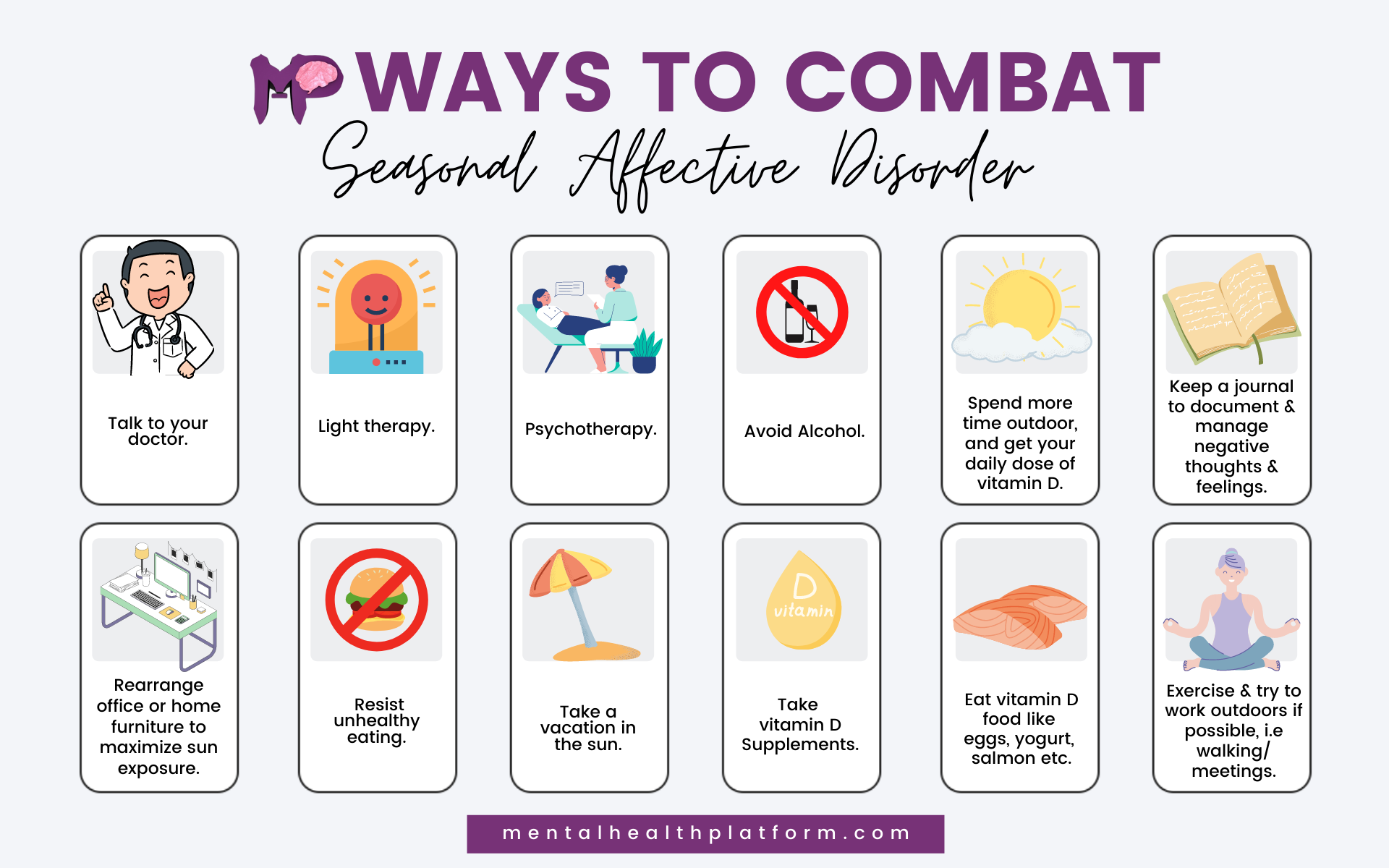
Edmonton’s winter sun angle means zero vitamin D production from October through March, even on sunny days. The Health Canada guidelines for vitamin D supplementation suggest 600-800 IU daily, but many Edmonton doctors recommend higher doses for winter.
Getting Your Levels Tested in Edmonton
Start with baseline testing before supplementing. Options include:
- Walk-in clinics – Most will order the test if you describe SAD symptoms (covered by Alberta Health Care)
- DynaLIFE Medical Labs – Direct testing available for around $65 if not physician-ordered
- Integrative Health Institute (Whyte Ave) – complete testing packages starting at $150
Typical Edmonton vitamin D levels in January hover around 50 nmol/L. Optimal levels for mood support sit between 75-125 nmol/L.
Supplementation Protocol for Edmontonians
Based on local patterns and physician recommendations:
Standard prevention dose: 2,000-4,000 IU daily from October 1 to April 30
Deficiency correction: 5,000-10,000 IU daily for 8-12 weeks, then retest
Maintenance through summer: 1,000 IU daily (our smoke season blocks sun too)
Best sources in Edmonton:
- Costco Kirkland D3 – most cost-effective at $12 for 365 tablets
- Community Natural Foods (multiple locations) – higher-end liquid drops
- Supplement Source (St. Albert Trail) – professional-grade options
Combining D3 with Supporting Nutrients
Vitamin D works better with cofactors. Edmonton nutritionists recommend:
- Magnesium: 200-400mg at bedtime (helps with winter sleep issues too)
- Vitamin K2: 90-120mcg daily (especially if taking higher D3 doses)
- Omega-3s: 2-3g daily (the Costco fish oil is perfectly adequate)
Planet Organic on Jasper Avenue has knowledgeable staff who can help create a winter supplement stack. Budget $40-60 monthly for a complete approach.
Movement and Exercise: Beating the Indoor Blues
When it’s -30°C outside, “just go for a walk” isn’t realistic advice. Edmonton’s indoor exercise infrastructure becomes essential for SAD prevention from November through March.
Indoor Walking and Running Options
Free or low-cost indoor walking spots that locals actually use:
- West Edmonton Mall – Opens at 7 AM for walkers, 5.3km if you do all levels
- Millwoods Recreation Centre – Indoor track, $7 drop-in, usually quiet before 9 AM
- Londonderry Mall – Smaller but less crowded, good north-side option
- Commonwealth Recreation Centre – Best indoor track in the city, $7 drop-in
- University of Alberta Butterdome – Public hours vary, check schedule
The pedway system downtown connects over 13 buildings. A full circuit takes about 45 minutes and stays above -5°C even in deep winter.
Group Fitness for Winter Motivation
Solo gym sessions get harder as winter deepens. Group classes provide accountability:
Budget-friendly options:
- City of Edmonton drop-in fitness – $7-12 per class at rec centres
- MacEwan Sport and Wellness – Community memberships available
- YMCA locations – Sliding scale memberships based on income
Mid-range accountability:
- GoodLife Fitness – Multiple locations, 24-hour access helps with dark mornings
- Orangetheory South Edmonton Common – Heart rate training fights winter sluggishness
- F45 locations – 45-minute classes work for busy schedules
Creating a Sustainable Winter Exercise Routine
The key is planning around our weather reality:
- Pick 3 indoor locations – Have backups for variety and convenience
- Schedule specific times – “Sometime today” won’t happen in January
- Lower the bar – 20 minutes of movement beats skipping entirely
- Track streaks, not intensity – Consistency matters more in winter
- Buddy up – Edmonton Facebook groups like “YEG Winter Warriors” help find partners
Remember to adjust your seasonal wellness routine gradually as temperatures drop. Sudden changes usually fail by December.
Social Connection Strategies That Work in Winter
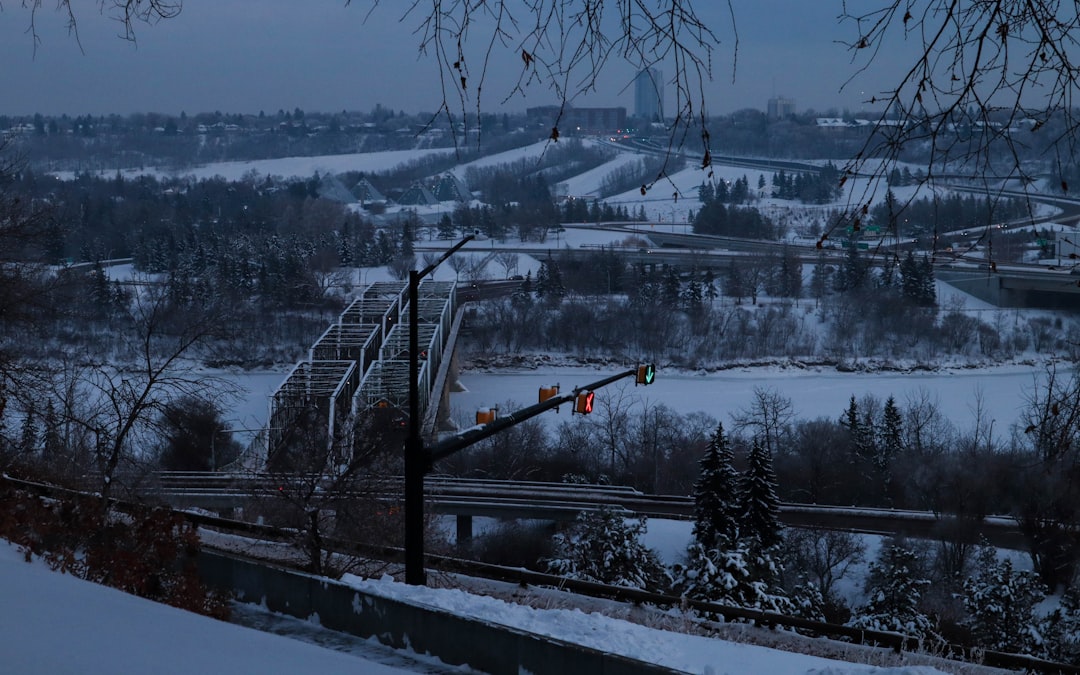
Isolation accelerates SAD symptoms, but Edmonton winters make spontaneous socializing nearly impossible. Planning becomes essential.
Building Your Winter Social Calendar
Lock in recurring commitments by October:
- Weekly coffee dates – Pick walkable spots like Block 1912, Transcend, or Remedy
- Monthly potlucks – Rotate hosting to share the driving burden
- Fitness buddies – Gym partnerships with specific meeting times
- Volunteer shifts – Food bank, library, or animal shelter provide routine
The Edmonton Public Library runs free social programs all winter. The Stanley Milner downtown branch hosts board game nights, crafting circles, and conversation clubs specifically designed for winter social connection.
Low-Effort Social Activities for Dark Days
When leaving the house feels impossible:
- Virtual coworking – Keep Zoom on while working from home
- Marco Polo app – Video messages beat text for connection
- Online gaming – Regular Jackbox or Among Us sessions with local friends
- Soup swaps – Make big batches, exchange containers monthly
The Edmonton Reddit community (r/Edmonton) organizes regular meetups even in deep winter. Check their pinned posts for board game nights at Hexagon Cafe or brewery meetups.
Professional Support Networks
Sometimes you need more than friend support:
Drop-in support groups:
- Canadian Mental Health Association (Downtown) – Free SAD support groups
- Momentum Walk-In Counselling (Multiple locations) – $50 sliding scale
- Catholic Social Services – Free groups regardless of religion
Ongoing therapy options:
- Psychology Today lists 200+ Edmonton therapists who treat SAD
- Many offer reduced winter rates or package deals
- Online therapy through Alberta Health Services increased post-2020
Nutrition and Sleep Optimization for Dark Months
What you eat and how you sleep dramatically impacts SAD severity. Edmonton’s long darkness requires specific adjustments.
Anti-SAD Nutrition Strategy
Focus on foods that support serotonin production and stable energy:
Morning (6-9 AM):
- High-protein breakfast within 30 minutes of light therapy
- Complex carbs like steel-cut oats from Bulk Barn
- Add ground flax or chia for omega-3s
Midday (11 AM-2 PM):
- Largest meal during peak daylight hours
- Include fatty fish twice weekly (H&W Produce has good prices)
- Colorful vegetables for antioxidants
Evening (5-7 PM):
- Lighter dinner to improve sleep quality
- Avoid alcohol – it worsens SAD despite temporary relief
- Herbal tea ritual to signal wind-down
Save-On-Foods and Superstore both stock affordable SAD-fighting foods year-round. Their frozen wild salmon and berries offer summer nutrition in winter months.
Sleep Hygiene for 17-Hour Nights
Long darkness disrupts circadian rhythms. Combat this with strict sleep hygiene:
- Consistent bedtime – Even weekends, aim for 10:30-11:00 PM
- Morning light exposure – Within 10 minutes of waking
- Bedroom temperature – 16-18°C (easier to maintain in winter)
- Blackout curtains – Canadian Tire carries good affordable options
- White noise – Masks furnace cycling and snow removal equipment
If standard sleep hygiene fails, the Sleep Disorders Clinic at the Royal Alexandra Hospital accepts physician referrals for chronic winter insomnia.
Supplements for Sleep and Mood
Evidence-based options available locally:
- Melatonin: 0.5-3mg, 2 hours before bed (start low)
- L-theanine: 200mg for evening anxiety
- Magnesium glycinate: 200-400mg at bedtime
- 5-HTP: 50-100mg for serotonin support (check drug interactions)
Sangster’s Health Centres have locations across Edmonton with staff trained in winter wellness supplementation. Expect a 15-minute consultation for personalized recommendations.
Creating Your Personal SAD Prevention Plan
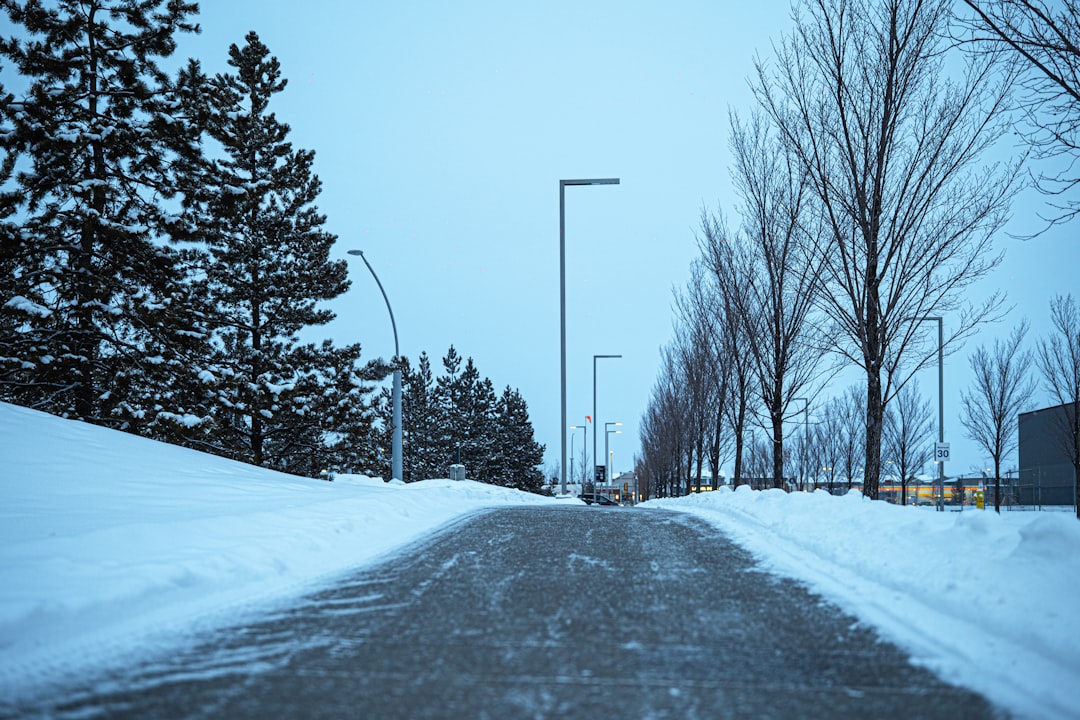
Generic advice fails because Edmonton winters demand specific strategies. Build your custom plan using this framework.
September Preparation Checklist
Before the darkness hits:
- Order light therapy box (allow 2 weeks for shipping)
- Book vitamin D testing appointment
- Schedule winter social commitments
- Stock up on supplements
- Plan indoor exercise locations
- Set up morning light station
- Meal prep freezer-friendly options
Creating your winter wellness checklist by early fall prevents scrambling when symptoms start.
Monthly Adjustment Protocol
Track what works using this simple system:
Weekly check-in questions:
- Energy level (1-10 scale)
- Mood stability (1-10 scale)
- Sleep quality (1-10 scale)
- Social connections (times per week)
- Exercise consistency (days per week)
If any metric drops below 6 for two consecutive weeks, increase that intervention. The Mood Disorders Association of Alberta offers free tracking apps designed for our climate patterns.
Emergency Plan for Severe Days
Some winter days hit harder. Have these backups ready:
- Crisis contacts: 211 Alberta for immediate support
- Comfort kit: Favorite tea, cozy blanket, uplifting playlist
- Easy movement: YouTube yoga or stretching videos bookmarked
- Low-effort nutrition: Frozen meals from Freshii or local meal prep services
- Connection plan: Three friends who understand “bad SAD days”
Remember, even lifelong Edmontonians struggle some winters. Using professional resources isn’t failure – it’s smart prevention.
Local Resources and Professional Support
Edmonton has built strong SAD support infrastructure. Know your options before you need them.
Specialized SAD Treatment Programs
Intensive programs:
- Grey Nuns Community Hospital – Day treatment program for severe SAD
- Alberta Hospital Edmonton – Inpatient stabilization if needed
- PCN Mental Health – Primary care network programs, varies by area
Outpatient options:
- Insight Psychological – Multiple locations, some therapists specialize in SAD
- Cornerstone Counselling – Sliding scale fees available
- Ward MacDonald Counselling – Downtown location, evening appointments
Most extended health plans cover 5-10 psychology sessions annually. Book summer appointments to discuss winter prevention strategies.
Alternative and Complementary Treatments
Evidence-based additions to standard treatment:
Acupuncture for SAD:
- Glenora Acupuncture Clinic – Direct billing available
- Elements Physical Therapy (multiple locations) – Combines with massage
- Unity Health Chinese Medicine – Traditional approach
Massage and bodywork:
- Elements Float Spa – Sensory deprivation helps reset circadian rhythms
- Kingsway Mall RMT clinics – Convenient location with parking
- University area massage schools – Affordable student clinics
Some Edmontonians find hot springs escapes provide relief during the darkest months. Even a weekend at Miette or Radium can reset your system.
Tech Tools and Apps
Digital support designed for northern winters:
- Sanvello: Free through Alberta Blue Cross
- MindShift: CBT techniques for anxiety/depression
- Daylight: Tracks sunrise/sunset for planning
- Sleep Cycle: Optimizes wake time during dark months
The Edmonton Public Library provides free access to Headspace premium through their digital resources. Perfect for guided meditation during brutal cold snaps.
| SAD Prevention Method | Cost Range | Time Investment | Effectiveness Rating |
|---|---|---|---|
| Light Therapy Box | $80-250 one-time | 20-30 min/day | High |
| Vitamin D Supplements | $15-30/month | 30 seconds/day | Moderate-High |
| Group Fitness Classes | $50-150/month | 3-5 hours/week | High |
| Professional Therapy | $150-220/session | 1 hour/week | Very High |
| Social Activities | $0-50/month | 2-4 hours/week | Moderate-High |
Sources & References
Find Trusted Wellness Spots in Edmonton
Browse our independent guide to Edmonton’s spas, fitness studios, and wellness services. Local. Honest. Free.
Related Reading
Related Reading
Related Reading
Related Reading
Frequently Asked Questions
When should I start SAD prevention in Edmonton?
Begin light therapy by September 15th when morning darkness becomes noticeable. Start vitamin D supplementation by October 1st, and have your full winter wellness routine established before the time change. Waiting until symptoms appear in November or December makes recovery much harder through our long winter.
Does insurance cover SAD treatments in Alberta?
Alberta Health Care covers physician visits and psychiatrist consultations for SAD diagnosis. Most extended benefit plans cover $300-500 annually for psychology services and may include coverage for massage therapy or acupuncture. Light therapy boxes qualify for Health Spending Account reimbursement but rarely standard insurance coverage.
Can I manage SAD without medication in Edmonton winters?
Many Edmontonians successfully manage mild to moderate SAD using light therapy, vitamin D, exercise, and social support. However, our extreme winters can overwhelm these strategies for some people. Work with a doctor at clinics like the Oliver PCN or Bonnie Doon Medical to determine if medication might help during the darkest months of December through February.
Are there free SAD support groups in Edmonton?
Yes, the Canadian Mental Health Association Edmonton branch offers free drop-in support groups for depression and seasonal mood disorders. The Schizophrenia Society despite its name runs excellent free mood disorder groups. Check Edmonton Public Library branches for informal wellness circles that meet throughout winter months at no cost.
What’s the best neighborhood in Edmonton for winter wellness access?
Oliver and Downtown offer the most walkable wellness options with pedway connections, multiple fitness facilities, and health food stores. However, areas near major recreation centres like Mill Woods, Terwillegar, or Clareview provide excellent affordable city programs. Choose based on your primary needs – walkability versus recreation centre access – and proximity to your work or home.